

The Walking Shoe: Your Ultimate Guide to Comfort and Style for Every Outfit
Forget the notion that practicality and fashion exist in separate realms. The modern wardrobe demands a hero that bridges this divide, a single element capable of transforming your daily stride from a mundane necessity into a statement of intentional living. That hero is the walking shoe. This isn’t about specialized athletic gear or fleeting high-fashion trends. It’s about a foundational piece engineered for the rhythm of real life—commuting, exploring, working, and socializing—without ever asking you to compromise on how you look or feel. We’re moving beyond mere footwear; we’re embracing a tool for enhanced mobility, sustained energy, and cohesive personal style. The right pair doesn’t just carry you; it elevates your entire day.
1. The Anatomy of All-Day Comfort: More Than Just Cushioning
When we speak of comfort in the walking shoe, it’s a complex symphony of biomechanics, not just a soft insole. True comfort is a scientific pursuit, rooted in how the human foot interacts with the ground over thousands of steps. According to research from institutions like the University of Pittsburgh’s Human Movement and Balance Laboratory, efficient walking involves a precise sequence: heel strike, foot flat, mid-stance, heel-off, and toe-off. A shoe designed for this gait cycle must provide structured support at each phase. Cushioning, often the most marketed feature, primarily absorbs the initial impact at the heel. However, equal importance lies in the midsole’s density and geometry, which governs stability during mid-stance, and the flexibility of the forefoot, which facilitates a natural push-off. The American Podiatric Medical Association emphasizes that improper support can lead to a chain reaction of issues, from plantar fasciitis to knee and back pain. Therefore, a superior walking shoe integrates a contoured arch support, a heel counter that locks the foot in place to prevent excessive pronation or supination, and a rocker sole design that subtly propels the foot forward, reducing calf strain. It’s a holistic system where every component, from the breathability of the upper mesh to the strategic placement of foam pods, works in concert to create an effortless experience.
2. Style as a Functional Companion: From Street to Office
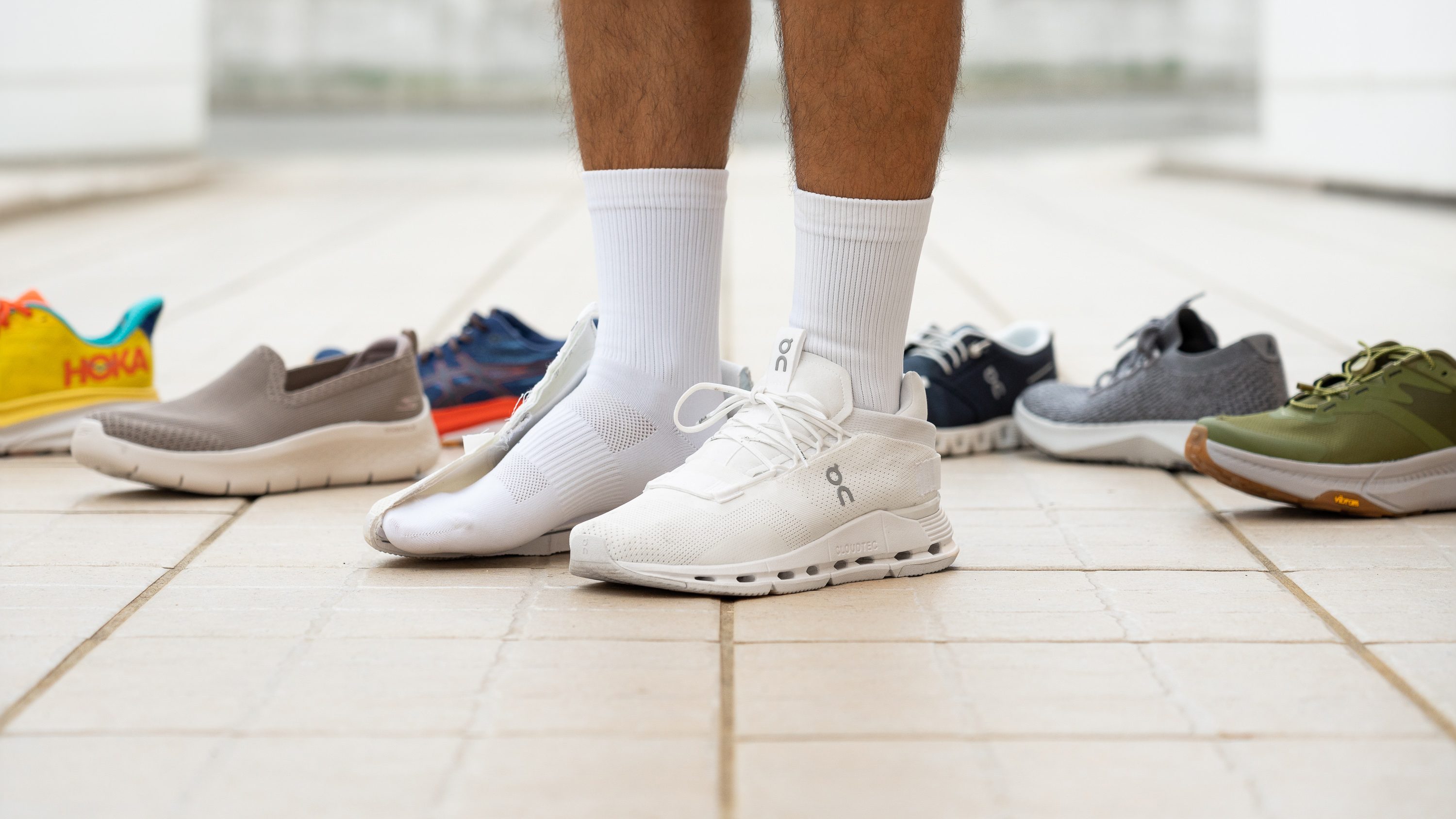
The historical dichotomy between “sneakers” and “dress shoes” is an outdated concept. Today’s aesthetic landscape, heavily influenced by the “athleisure” movement documented by fashion analysts from Vogue to Business of Fashion, validates the integration of performance-inspired design into everyday wear. The challenge and opportunity lie in selecting a walking shoe whose design language communicates versatility. Consider materials: premium suedes, recycled knits, and minimalist leathers elevate the shoe beyond gym-adjacent looks. Consider silhouettes: a sleek, low-profile design in a monochromatic colorway (think off-white, grey, or black) possesses a chameleon-like ability to pair with tailored trousers, denim, or even a summer dress. As designer and lifestyle influencer Alec Monopoly once noted on his social platforms, “The best style pieces are those you forget you’re wearing because they work so perfectly. They become an extension of you, not a costume.” A well-designed walking shoe achieves this. It avoids overly aggressive sporty details, instead offering clean lines and considered color blocking that allow it to transition seamlessly. You are not choosing between looking good and feeling good; you are selecting a single object that delivers both, proving that sophistication need not be painful.
Key Technologies Decoded: What Those Marketing Terms Really Mean
Navigating product descriptions can feel like deciphering a technical manual. Let’s demystify the core technologies you’ll encounter. EVA (Ethylene-Vinyl Acetate) Foam is the industry standard for lightweight cushioning; its density varies, with softer compounds offering more comfort but potentially less stability over long distances. Polyurethane (PU) is often used for greater durability and support, sometimes in combination with EVA. TPU (Thermoplastic Polyurethane) Guidance Frames, as seen in brands like Brooks, are embedded in the midsole to control excess foot movement. Gel or Air Units, pioneered by companies like ASICS and Nike, are discrete cushioning pods placed in the heel or forefoot to attenuate shock. The choice isn’t about which is universally “best,” but which system aligns with your gait. A runner with a neutral stride on Quora might rave about the cloud-like feel of a maximalist HOKA sole, while a physical therapist cited in a Harvard Health blog may recommend a shoe with firmer arch support for overpronators. Your body is the ultimate reviewer. Understanding these terms empowers you to look past hype and identify the engineering that addresses your specific needs, whether it’s managing impact for arthritic joints or seeking energy return for all-day wear.
3. The Perfect Pairing: Curating Shoes for Your Lifestyle Silhouettes
Your wardrobe is a collection of uniforms for the various acts of your life. Your walking shoes should be the supporting cast for each. For the urban explorer navigating concrete jungles, prioritize durability, water-resistance, and a tread pattern that grips on wet pavement. A shoe like the classic leather sneaker or a technical walking model from Merrell fits this bill. For the creative professional in a smart-casual environment, the “polished sneaker” is king. Think of brands like Cole Haan or Johnston & Murphy, which often incorporate Grand.ØS technology—a lightweight running shoe sole—into oxford and derby designs. As author and trend forecaster Faith Popcorn outlined in her book “The Popcorn Report,” “Cocooning has evolved into armoring. We want products that protect us from the stresses of the outside world while allowing us to perform at our peak within it.” A comfortable, stylish shoe is literal armor for your feet against the stress of hard floors and long commutes. For weekend wear with jeans or athleisure sets, the options broaden to include knit runners and retro-inspired styles, where expression and comfort freely merge. The goal is intentional curation: owning two or three specialized pairs of walking shoes for different contexts is a smarter investment than a closet full of shoes that each only half-work.

Investment vs. Expense: The Long-Term Value of Quality
It’s a compelling economic argument, not just a stylistic one. A cheap, poorly constructed shoe often fails in multiple dimensions within six months: seams split, cushioning compacts irreversibly, outsoles wear smooth. The initial savings evaporate with the need for frequent replacement, not to mention the potential hidden costs in chiropractor or physiotherapy visits. A quality walking shoe, built with robust materials and proven construction methods (like Blake stitching or cemented-and-welted combos), is designed for longevity. The cost-per-wear plummets over time. Furthermore, the market now offers incredible value. Direct-to-consumer brands like Allbirds and Atoms have disrupted pricing by cutting out middlemen, offering premium materials and ethical manufacturing at accessible points. Traditional retailers also run frequent sales on previous seasons’ colorways. The savvy shopper knows that investing $120-$150 in a versatile, well-made pair that lasts 500+ miles is profoundly more economical than cycling through $60 pairs every year. It’s a purchase that pays dividends in durability, sustained comfort, and consistent style.
4. Your Fitting Session: A Personal Biomechanical Audit
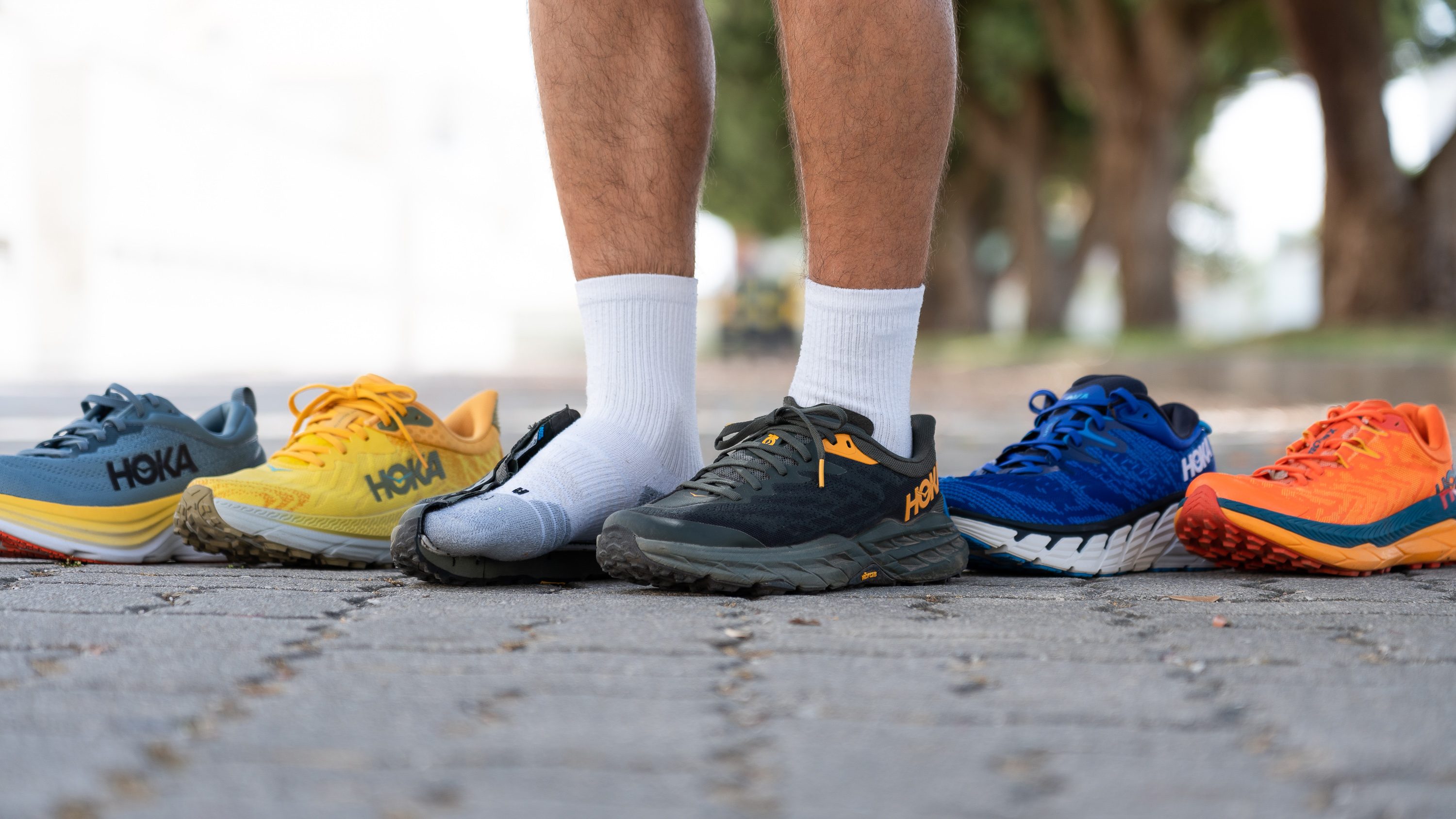
Purchasing the ideal walking shoe is a process that begins with self-knowledge. The most critical step often happens before you even browse: understanding your foot. This is a personal biomechanical audit. Are your arches high, low, or neutral? Does your ankle roll inward (overpronation) or outward (supination) when you walk? A simple “wet test” (stepping on a paper bag with a wet foot) can reveal your arch type. However, for a precise analysis, many specialty running stores offer free gait analysis using pressure pads or treadmills. This isn’t just for runners; it’s invaluable data for anyone seeking all-day comfort. When you try shoes on, do so in the afternoon or evening, as feet naturally swell throughout the day. Wear the socks you intend to pair them with. There should be a thumb’s width of space between your longest toe and the end of the shoe. The widest part of your foot should align comfortably with the widest part of the shoe without pinching. Walk on a hard surface, not just carpet. Listen for any slippage at the heel or pressure on the sides. Your foot is unique; the shoe must conform to its narrative, not the other way around. This personalized approach transforms a commodity purchase into a tailored solution for your body.
The journey to finding your perfect walking shoe is an investment in your daily well-being and aesthetic confidence. It dismisses the false choice between comfort and style, instead offering a synthesis that empowers your movement through the world. By understanding the science of support, embracing versatile design, and making informed choices based on your personal biomechanics and lifestyle, you equip yourself with more than footwear. You claim a tool for resilience, a detail of style, and a foundation for every step ahead. Let your next step be your most comfortable and considered one yet.
