

The Best Tennis Shoes for Walking Comfort and Fashion
In the realm of footwear, a fascinating convergence is taking place. The lines between specialized athletic gear and daily fashion are blurring, and at the heart of this evolution is a humble hero: the tennis shoe. No longer confined to the clay or grass courts, modern tennis shoes have been re-engineered, re-imagined, and embraced as a premier choice for the urban explorer, the daily commuter, and the style-conscious walker. This article posits that the best tennis shoes for walking offer an unparalleled synthesis of biomechanical support, enduring comfort, and versatile aesthetics, making them a superior choice over many traditional walking shoes or casual sneakers. We will dissect the engineering, the style, and the science behind this claim, guiding you toward a step that is both empowered and elegant.
The Anatomical Advantage: Why Tennis Shoes Are Biomechanically Suited for Walking
The fundamental design philosophy of a tennis shoe is rooted in managing high-impact, multi-directional movement. Consider the sport: it involves sudden lateral cuts, quick sprints forward and backward, and constant pressure on the balls of the feet. To accommodate this, brands invest heavily in research conducted in partnership with institutions like the University of Calgary’s Human Performance Laboratory or findings published in the Journal of Sports Sciences. This research translates into features directly beneficial for walkers. The midsole cushioning, often utilizing proprietary technologies like Nike’s Zoom Air or ASICS’ GEL, is calibrated to absorb vertical shock—a constant in walking. The outsole patterns, designed for traction on court surfaces, provide exceptional grip on pavement and other urban terrains. Furthermore, the support structure is paramount. Dr. Casey Kerrigan, a renowned biomechanist and former professor at Harvard Medical School, has extensively studied gait. Her work, often cited in podiatric literature, emphasizes the importance of stable heel counters and torsional rigidity in preventing overpronation—a common issue for walkers. A quality tennis shoe inherently incorporates these elements to protect an athlete’s ankles during aggressive play, which translates to sublime stability for the walker during a three-mile city stroll. This isn’t mere marketing; it’s applied sports science repurposed for daily life. When you choose a well-constructed tennis shoes for walking, you are not just choosing a shoe; you are opting for a piece of biomechanical architecture designed to protect and propel the human body in motion.

Decoding Comfort: Materials and Technologies That Make a Difference
Comfort is a subjective sensation, but its foundations are objective and material. The evolution from classic canvas tennis shoes to today’s technical marvels is a story of material science. The uppers of the best walking-appropriate tennis shoes now utilize engineered mesh, a material that offers targeted breathability and flexibility. Brands like Adidas, with their Primeknit technology, have pioneered this approach, creating a sock-like fit that moves seamlessly with the foot. This addresses a key walking need: preventing friction-induced blisters over long distances. Inside the shoe, the insole and midsole are the heart of comfort. Memory foam insoles, once a luxury, are now common, molding to the foot’s unique contours. More advanced are ortholite hybrid foams, which provide cushioning while offering superior moisture-wicking and odor resistance—a boon for all-day wear. The real magic, however, lies in the midsole foam. EVA (Ethylene-Vinyl Acetate) foam was the standard for decades, but the advent of PEBAX (Polyether Block Amide) and super-critical foams, like Nike’s React or PUMA’s Nitro, has revolutionized energy return. As explained in material science publications from MIT, these foams are not just soft; they are resilient, returning a higher percentage of energy with each step and reducing muscular fatigue. This means your evening walk feels as fresh as your morning one. As YouTube fitness expert and physiotherapist Bob & Brad often state in their analyses, “The right shoe doesn’t just cushion your foot; it works with your kinetic chain.” Therefore, investing in a tennis shoes for walking with modern material technology is an investment in sustained, all-day comfort that cheaper, generic alternatives simply cannot match.
Fashion Forward: The Aesthetic Evolution of the Tennis Shoe
To discuss tennis shoes in 2023 without addressing their cultural and fashion significance would be a glaring omission. The journey from the tennis court to the fashion runway is a well-documented cultural shift. It began with icons. In the 1980s, John McEnroe’s rebellious spirit was embodied in his Nike Courtposites, while the clean, preppy style of the Stan Smith made it a wardrobe staple beyond the court. This set a precedent. Fast forward to today, and collaborations between brands like Adidas and designers like Stella McCartney, or between Nike and high-fashion houses, have cemented the tennis shoe’s status as a fashion item. The aesthetic appeal lies in its versatile silhouette—often cleaner and more structured than a bulky running shoe. As noted by fashion critics on websites like Business of Fashion, the “athleisure” trend is not a fad but a permanent redefinition of casual wear. A sleek, white leather tennis shoe pairs effortlessly with tailored trousers, denim, or even summer dresses. It communicates an active, modern, and considered style. This versatility is its superpower. You can wear your tennis shoes for walking from a morning business meeting to an afternoon in the park without missing a beat, both in comfort and style. They are a unifying element in a fragmented wardrobe, bridging the gap between performance and presentation in a way few other footwear categories can.

Key Features to Prioritize in Your Search
With countless options on the market, selecting the ideal pair can be daunting. Here is a distilled checklist of non-negotiable features to guide your search, grounded in both podiatric advice and consumer product testing from authorities like Consumer Reports. First, prioritize arch support. Whether you have high, neutral, or flat arches, the shoe should complement your foot’s natural geometry. Many brands offer models in different support categories (neutral, stability). Second, examine the heel counter. Pinch the back of the shoe; it should be firm and not easily collapsible. This ensures rearfoot stability, crucial for a healthy walking gait. Third, assess the flex point. The shoe should bend easily at the ball of the foot (where your toes meet the metatarsals), not in the middle of the arch. This aligns with your foot’s natural bending motion. Fourth, consider the toe box. There should be about a thumb’s width of space between your longest toe and the end of the shoe, and the box should be wide enough to allow your toes to splay naturally without pressure. Finally, do not underestimate weight. A lighter shoe reduces leg fatigue over distance. As the famous ultramarathon runner and author Scott Jurek has reflected, “Efficiency in movement starts from the ground up. Every gram saved is energy preserved.” Applying this lens to your search will lead you to a pair of tennis shoes for walking that are true partners in your daily movement.

Professional Insight and Smart Acquisition
Bringing professional knowledge to your purchase decision is empowering. It’s advisable to have your gait analyzed at a specialty running or walking store. These experts can observe your stride and recommend a category of shoe that corrects or accommodates your mechanics. Furthermore, understanding product cycles can lead to significant savings. Major brands typically release new models on an annual or bi-annual cycle. When the “next big thing” drops, retailers deeply discount the previous, still-excellent model. For instance, the ASICS GT-1000 series, consistently praised for its value-oriented stability, can often be found at a fraction of its original price when the GT-2000 launches. Websites that track shoe prices and set deal alerts are invaluable tools. The goal is to acquire premium technology at an accessible price point. Remember, the most expensive shoe is not always the best for you, and a discounted top-tier model almost always outperforms a full-priced, low-quality alternative. Investing in the right pair is an investment in your musculoskeletal health and daily well-being.
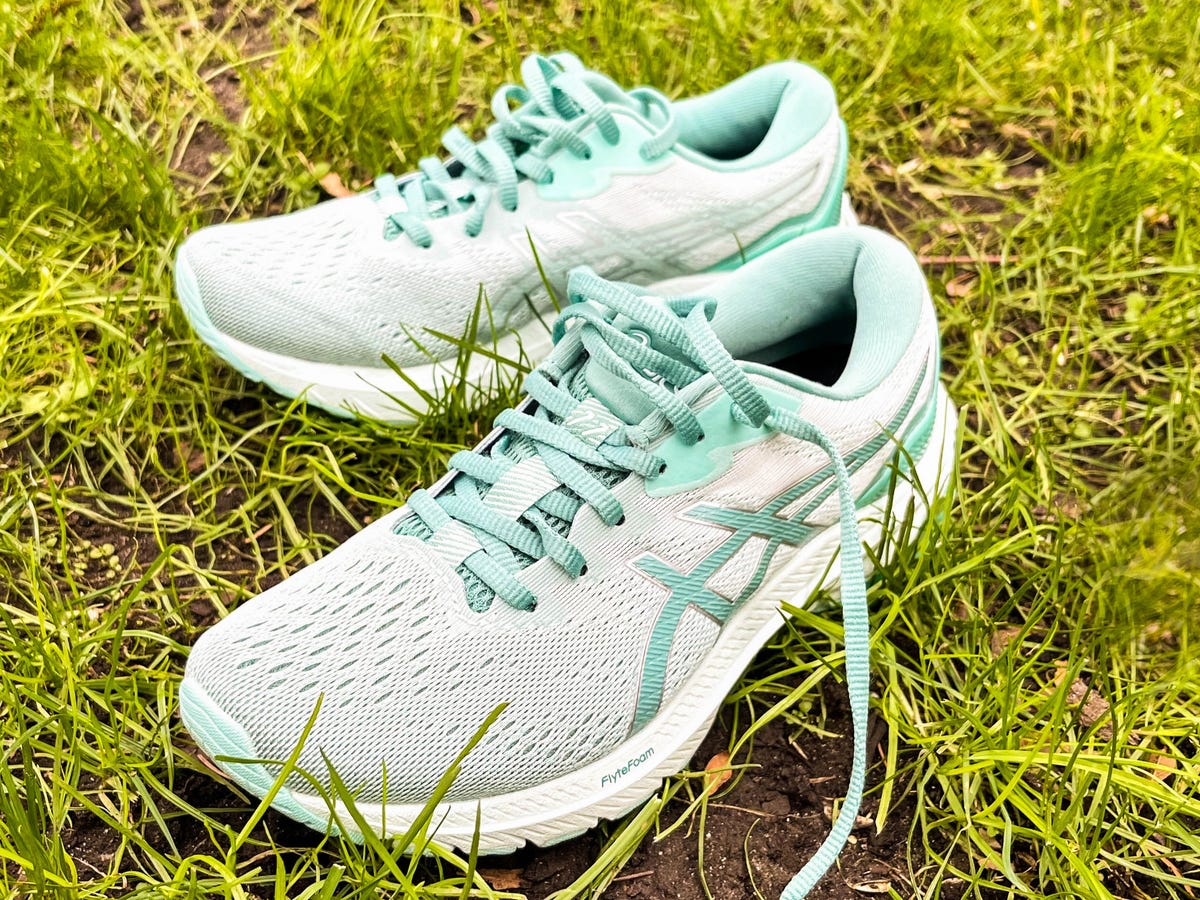
The search for the perfect walking companion ends not with a compromise, but with a discovery. The modern tennis shoe, born from athletic rigor and elevated by design intelligence, stands as a testament to human-centric innovation. It offers a foundation that understands the complexity of movement and the desire for expression. When you lace up a pair designed with intention, you are choosing more than footwear; you are choosing a tool for living actively and stylishly. Let your steps be confident, comfortable, and unmistakably your own, supported by the unparalleled fusion of engineering and elegance found in the best tennis shoes for walking.
