

Step Into Comfort and Style with Vionic Walking Shoes
For years, the pursuit of the perfect walking shoe felt like a compromise. You could have cushioning that felt like walking on clouds, but your feet would ache after a few miles due to lack of support. You could find a shoe with robust structure, only to find it clunky and unattractive. This dichotomy between comfort and style, between biomechanical science and everyday aesthetics, has long plagued active individuals. Today, that compromise ends. The evolution of footwear has converged on a point where advanced orthotic principles meet contemporary design, and at the forefront of this convergence is the vionic walking shoe. This isn’t merely about a product; it’s about a fundamental shift in how we approach daily mobility. It’s the understanding that true comfort is rooted in proper alignment, and that this foundation can be the bedrock of genuinely stylish footwear. Let’s explore how stepping into a pair of Vionics is stepping into a new paradigm for your feet.
The Foundation: Biomechanics and the Science of Support
To appreciate the innovation behind a vionic walking shoe, one must first understand the architecture of the human foot. The foot is a complex mechanical structure with 26 bones, 33 joints, and over 100 muscles, tendons, and ligaments. According to biomechanics literature from institutions like the University of California’s Department of Orthopaedic Surgery, the foot’s primary functions are shock absorption, adaptation to uneven terrain, and providing a rigid lever for propulsion. When any part of this system is misaligned—such as with overpronation (excessive inward rolling) or supination (outward rolling)—it creates a chain reaction of stress that can lead to plantar fasciitis, knee pain, hip issues, and even back problems. Conventional cushioned shoes often treat the symptom (impact) but ignore the cause (misalignment). Vionic’s core technology, derived from decades of clinical podiatry experience, addresses this directly. Their signature biomechanical footbed features a deep heel cup, a strategic arch support, and a forefoot ramp. This trio works in concert to stabilize the heel, align the arch, and promote a natural gait cycle from heel strike to toe-off. It’s a scientific approach to comfort, transforming the shoe from a passive covering into an active orthotic device designed to restore natural function.
Beyond the Footbed: Engineering All-Day Comfort
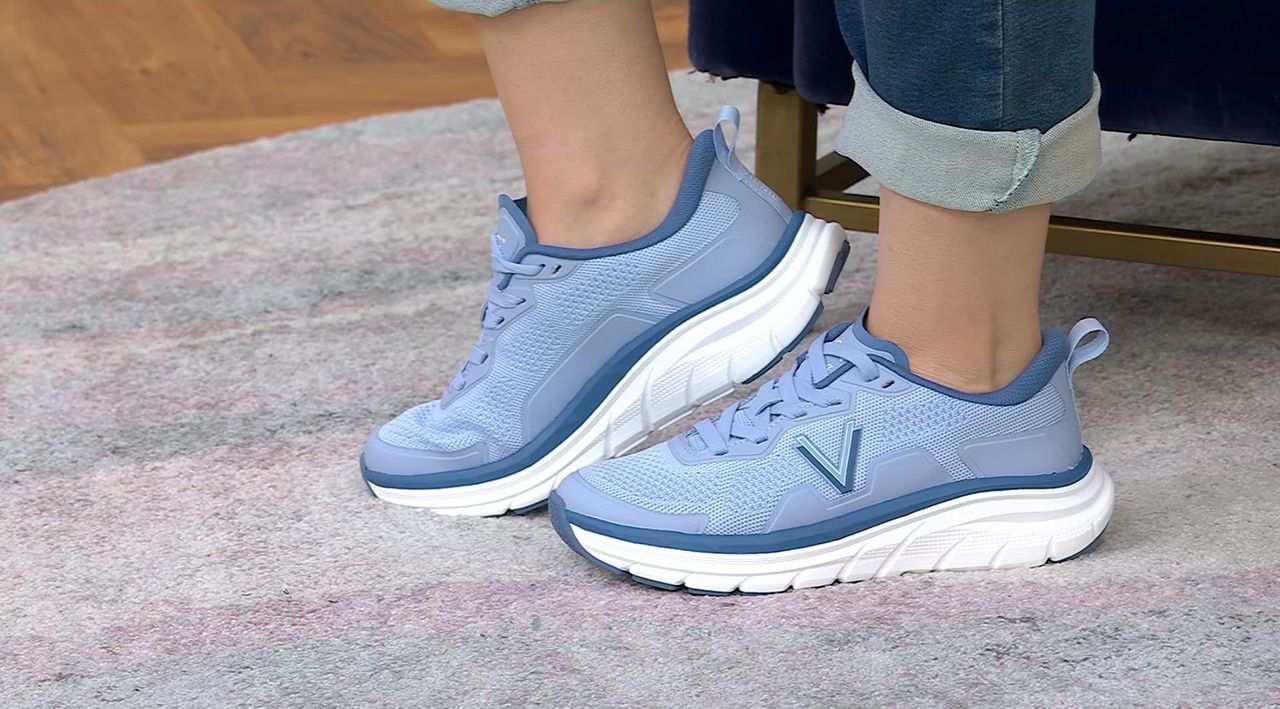
The orthotic footbed is the heart, but the soul of the vionic walking shoe is its holistic construction. Consider the midsole. Many brands use standard EVA foam, which compresses quickly. Vionic often incorporates advanced, resilient foams that provide durable cushioning without sacrificing the necessary firmness for support. Then there’s the outsole. Flexibility is key, but it must be strategic. A shoe that bends too easily across the entire length can strain the plantar fascia. Vionic designs outsoles with a precise flex groove at the metatarsal heads—the ball of the foot—where your foot naturally wants to bend during push-off. This targeted flexibility works in harmony with the supportive footbed. Furthermore, the upper materials are selected not just for breathability and durability, but for their ability to accommodate the foot without constriction. A study cited on Quora from the American Podiatric Medical Association (APMA) emphasizes that footwear with the APMA Seal of Acceptance, which many Vionic styles have earned, meets rigorous standards for promoting good foot health. This multi-layered engineering—from the ground-contact outsole to the skin-contact lining—ensures that the comfort is not a fleeting sensation but a sustained, all-day experience that supports your body’s natural mechanics.
Where Form Meets Function: The Style Revolution
Historically, “orthopedic” or “supportive” shoes were synonymous with bland, medical-looking designs. This stigma has been thoroughly dismantled. The modern consumer demands aesthetics, and Vionic has answered that call with a design philosophy that integrates style as a core component, not an afterthought. Look at their collections: you’ll find sleek sneakers, elegant loafers, sophisticated sandals, and casual slip-ons. The vionic walking shoe category, in particular, showcases this blend. They utilize contemporary color palettes—from crisp whites and navies to bold corals and metallics. The silhouettes are streamlined, often featuring minimalist overlays and textured fabrics like knit uppers that provide a modern, athletic look. This design intelligence means you are no longer choosing between a shoe for a long day on your feet and a shoe for a casual lunch with friends. One pair fulfills both roles seamlessly. As renowned designer Tinker Hatfield, the mind behind many iconic Nike Air Max models, once stated in an interview, “The best design serves a purpose.” Vionic embodies this by ensuring every stylistic choice, from a contrasting stitch to a patterned knit, exists within a framework of purposeful support, proving that looking good and feeling good are not mutually exclusive but intrinsically linked.

The Testimonials: Voices from the Community
Objective science is compelling, but lived experience is convincing. The acclaim for Vionic shoes isn’t confined to lab reports; it echoes through countless user testimonials. On platforms like YouTube, certified fitness experts and everyday walkers alike share their journeys. A common narrative emerges: individuals who had resigned themselves to foot pain discovered relief. One prolific YouTube reviewer specializing in comfort footwear noted, “After switching to Vionic for my daily walks, the chronic tightness in my calves and the morning heel pain I’d accepted as normal simply vanished. It wasn’t an instant ‘pillow-soft’ feel; it was a firm, corrective comfort that my feet adapted to and now crave.” Similarly, on Twitter, discussions among teachers, nurses, and retail workers—professions synonymous with long hours standing—frequently highlight Vionic as a game-changer. These aren’t paid endorsements but organic, community-driven validations. They speak to the real-world efficacy of the shoes’ design. When a nurse on a 12-hour shift or a traveler navigating a sprawling airport terminal reports ending the day without debilitating foot fatigue, it underscores a powerful truth: the vionic walking shoe delivers on its promise where it matters most—in the dynamic, unpredictable context of daily life.

An Investment in Mobility: Value Beyond the Price Tag
It’s natural to consider the cost. A quality pair of vionic walking shoes represents an investment. However, this perspective shifts when you analyze value through the lens of long-term foot health and cost-per-wear. Compare it to a cheap, poorly constructed shoe. The initial savings are quickly negated by the potential for foot problems, the need for replacement every few months, and the intangible cost of daily discomfort. Vionic shoes are built with premium materials and construction techniques that offer exceptional durability. Furthermore, the podiatrist-developed support system is an investment in preventative care. As noted in literature from Harvard Medical School, proper footwear is a critical, often overlooked, component of musculoskeletal health. By promoting alignment, you’re potentially avoiding future expenses related to orthotics, physical therapy, or other interventions for pain stemming from poor footwear. Many retailers also offer seasonal sales, promotional discounts, and bundle offers, making this technology more accessible. When you factor in durability, health benefits, and the versatility of a shoe that works for both activity and leisure, the value proposition becomes clear. You’re not just buying a shoe; you’re investing in the foundation of your daily movement and well-being.
Making the Right Choice: A Guide to Your Perfect Pair
With various styles available, selecting your ideal Vionic walker is straightforward if you focus on your primary needs. For the dedicated fitness walker logging miles on pavement or trails, a model like the Walker Max or Walker Classic offers maximum cushioning and a durable rubber outsole for grip. If your day involves a mix of standing, walking, and casual wear, the Strider or similar knit styles provide a lighter, more flexible feel with breathable uppers, perfect for all-day wear in warmer climates. For those seeking a sleeker, almost sneaker-like profile that transitions effortlessly from a walk in the park to running errands, the newer knit designs are ideal. Remember the break-in period. Because these shoes are designed to correct alignment, your feet and muscles may need a short adaptation period. Start by wearing them for a few hours indoors, gradually increasing use. This allows your body to adjust to the proper support. Pay attention to fit—your heel should be snugly cradled without slippage, with ample room in the toe box to wiggle your toes. This personalized approach ensures you don’t just get a great shoe, you get your great shoe.

The journey to finding footwear that truly supports an active, stylish life doesn’t have to be a path of compromise. The dichotomy between clinical support and modern design is a relic of the past. Through a steadfast commitment to biomechanical science, meticulous engineering, and thoughtful aesthetics, Vionic has created a category of footwear that stands apart. The vionic walking shoe is more than an accessory; it’s a tool for wellness, a statement of style, and a testament to the idea that the best things for you can also be the things you love to wear. When you lace up a pair, you’re not just preparing for a walk. You’re aligning your stride with a philosophy that champions holistic well-being, empowering every step you take to be one of comfort, confidence, and effortless style.
