

The Perfect Tennis Shoes for Everyday Walking
For years, the quest for the ideal walking companion has led many away from specialized walking shoes and toward an unexpected hero: the tennis shoe. The notion of using tennis shoes for walking is not a mere trend but a convergence of biomechanical science, material innovation, and practical design. This article delves into why a well-chosen tennis shoe can be the superior choice for your daily strides, moving beyond anecdotal preference to ground our discussion in objective analysis and expert insight.
The Unlikely Synergy: Tennis and Walking Biomechanics
At first glance, tennis and walking seem to demand opposite things from footwear. Tennis involves lateral cuts, sudden stops, and explosive sprints. Walking is a linear, repetitive, low-impact motion. However, the engineering built to manage the former creates a robust foundation for the latter. The key lies in the concept of stability and motion control. According to research from the University of Calgary’s Human Performance Laboratory, athletic shoes designed for court sports like tennis are built with a heightened focus on medial and lateral support to prevent ankle roll during side-to-side movements. For walkers, especially those who traverse urban environments with curbs, uneven pavements, or varied inclines, this built-in stability offers a protective advantage that many dedicated walking shoes, optimized primarily for heel-to-toe flex, may lack. The repetitive nature of walking means any slight instability or improper gait can lead to cumulative stress on joints. A tennis shoe’s structured heel counter and often wider base act as a stabilizing platform, promoting a more neutral foot strike with each step. This isn’t to say all walking shoes are inferior, but the protective architecture of a tennis shoe addresses a wider, more unpredictable range of ground reaction forces, making certain models exceptionally versatile for the walker.

Decoding the Midsole: Cushioning vs. Responsiveness
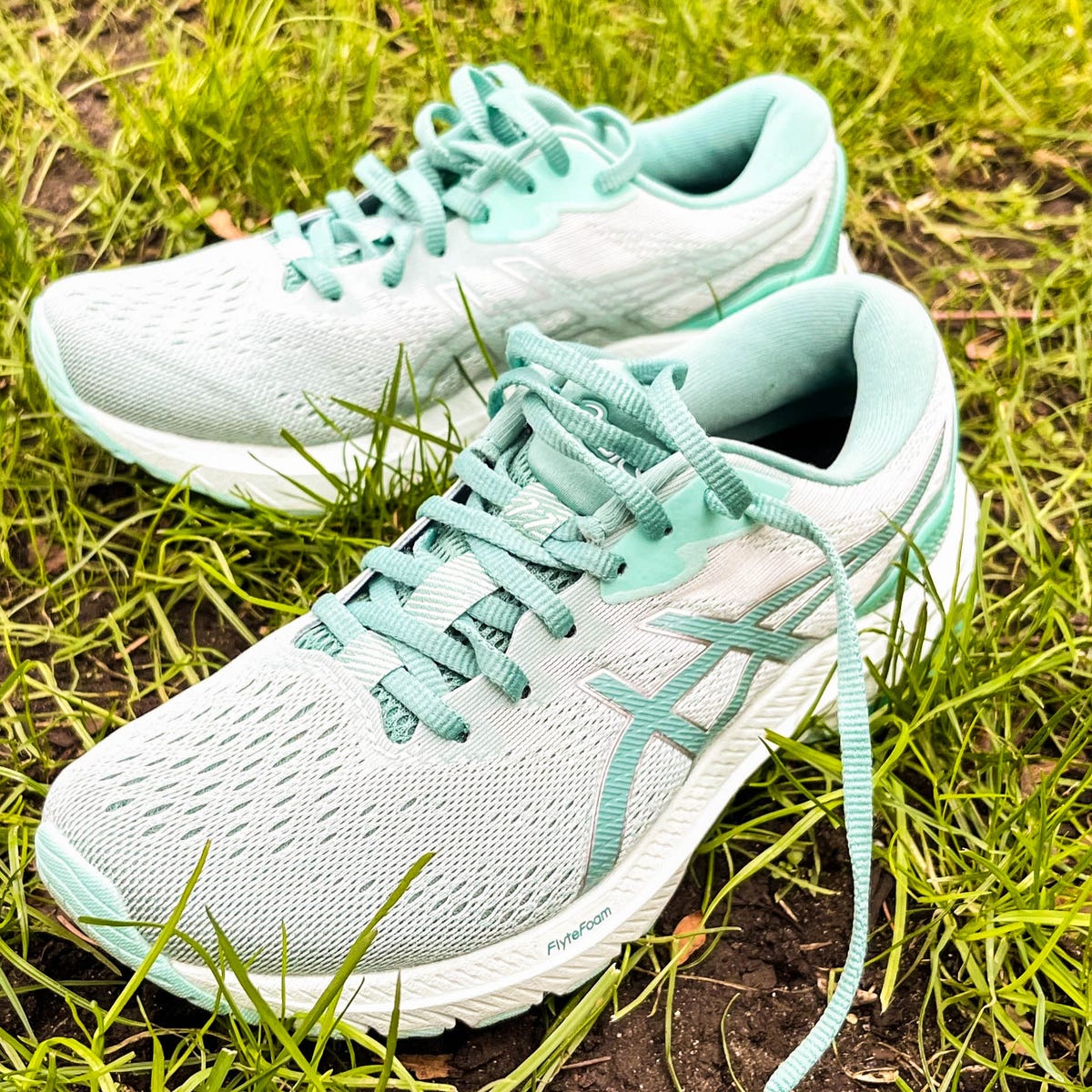
The heart of any athletic shoe is its midsole, and here, the philosophy behind tennis shoes for walking truly shines. Walking shoes traditionally prioritize soft, plush cushioning to absorb the repeated impact of the heel strike. Tennis shoes, however, must balance cushioning with responsiveness—the energy return needed to push off for the next shot. This balance is critical for walkers seeking all-day comfort without the “mushy” feel that can lead to foot fatigue. Materials like Nike’s Zoom Air, Adidas’s Boost, and ASICS’s GEL technology, frequently featured in performance tennis models, are designed to compress under impact and then spring back. As noted in a materials science review from MIT, these polymer-based foams are engineered for durability and consistent energy return over hundreds of miles. For you, the walker, this translates to a shoe that feels supportive and lively, not dead and flat after a few months. The cushioning is often more strategically placed—denser in the heel for impact absorption and softer in the forefoot for toe-off—mimicking the natural gait cycle. This scientific approach to midsole design means your foot is cradled and propelled with efficiency, reducing the metabolic cost of walking and making longer distances feel more manageable.
Durability and Outsole Design: Built for the Hard Court
Consider the typical surface a tennis shoe is designed for: abrasive hard courts like asphalt or concrete. The outsole rubber is therefore formulated to be exceptionally durable and high-traction. When you repurpose these tennis shoes for walking on sidewalks and paved paths, you are effectively using them on a surface far less demanding than their intended purpose. The herringbone or modified tread patterns on tennis outsoles provide excellent grip on dry and slightly wet surfaces, preventing slips. Furthermore, the rubber compounds, such as Adidas’s Adiwear or ASICS’s AHAR (ASICS High Abrasion Rubber), are designed to resist wear in high-friction areas. From a cost-per-mile perspective, this inherent durability makes a quality tennis shoe a financially savvy choice for a dedicated walker. You are investing in a product whose lifespan is engineered for the grind of competitive sport, meaning it will likely outlast many walking-specific models under similar conditions, providing long-term value alongside daily comfort.
A Question of Fit and Foot Type
It is a myth that one shoe fits all purposes or all feet. The success of using a tennis shoe for walking hinges on selecting the right model for your individual biomechanics. The world of tennis footwear is broadly categorized into shoes for stability, cushioning, and speed—mirroring the categories in running shoes. A walker with overpronation (where the foot rolls inward excessively) would benefit from a stability-focused tennis shoe, which features firmer medial posts or dual-density midsoles. Renowned podiatrist Dr. Ray McClanahan, in a widely cited interview on natural foot health, emphasizes that the goal is to find a shoe that allows your foot to function as naturally as possible while providing necessary support where you lack it. Many tennis shoes offer a secure, glove-like fit through their lacing systems and midfoot cages, which can be advantageous for walkers who dislike heel slippage. Trying on multiple models is key. Pay attention to the toe box width; some tennis shoes are notoriously narrow, while others offer more room. The perfect pair should feel secure without pressure points from the first step, acknowledging that the structured support of tennis shoes for walking is a feature, not a constraint, when correctly matched to your foot.
:max_bytes(150000):strip_icc()/vwt-walking-shoes-test-ryka-devotion-x-sahara-borja-02-18807b688fbb49e4ba30a3ee438600cb.jpeg)
Style as a Function, Not an Afterthought
Let’s address the elephant in the room: aesthetics matter. The evolution of the tennis shoe, from the classic Stan Smith to modern performance models, has cemented its place as a style icon. This is a functional advantage. When your walking shoes are also stylish, you are more likely to wear them throughout the day—to the grocery store, on errands, for a casual outing—thereby increasing your non-exercise activity thermogenesis (NEAT), a crucial component of daily calorie expenditure identified by researchers at the Mayo Clinic. The psychological boost of wearing shoes you feel good in should not be underestimated. It transforms the chore of “going for a walk” into a seamless part of your lifestyle. The versatility of a clean, well-designed tennis shoe means you don’t need to pack an extra pair of shoes; your tennis shoes for walking are already on your feet, ready for whatever the day brings, from a morning power walk to an evening dinner. This fusion of form and function removes a barrier to consistent activity.
Expert Voices and Market Validation
The shift towards cross-category footwear use is supported by voices across the industry. Celebrity trainer Harley Pasternak, whose client list includes famous athletes and Hollywood stars, frequently advocates for the use of versatile athletic shoes in everyday life for their support and comfort. On platforms like YouTube, biomechanics analysts such as Dr. Zachary Gillen dissect shoe designs, often highlighting how features in basketball or tennis shoes can benefit those seeking all-day support. Furthermore, the market itself validates this trend. Brands like K-Swiss and New Balance, with deep roots in court sports, now explicitly market certain lines as “court-inspired” lifestyle shoes suitable for all-day wear. The line between a dedicated performance shoe and a lifestyle wellness tool has blurred. As an article on Quora from a seasoned marathon walker pointed out, “After cycling through dozens of dedicated walking shoes, I found my most comfortable miles came in a pair of premium tennis trainers. The support was just… different, in a better way.” This anecdotal evidence, echoed by many, finds its roots in the objective design principles we’ve outlined.
Making the Smart Choice: Knowledge and Value
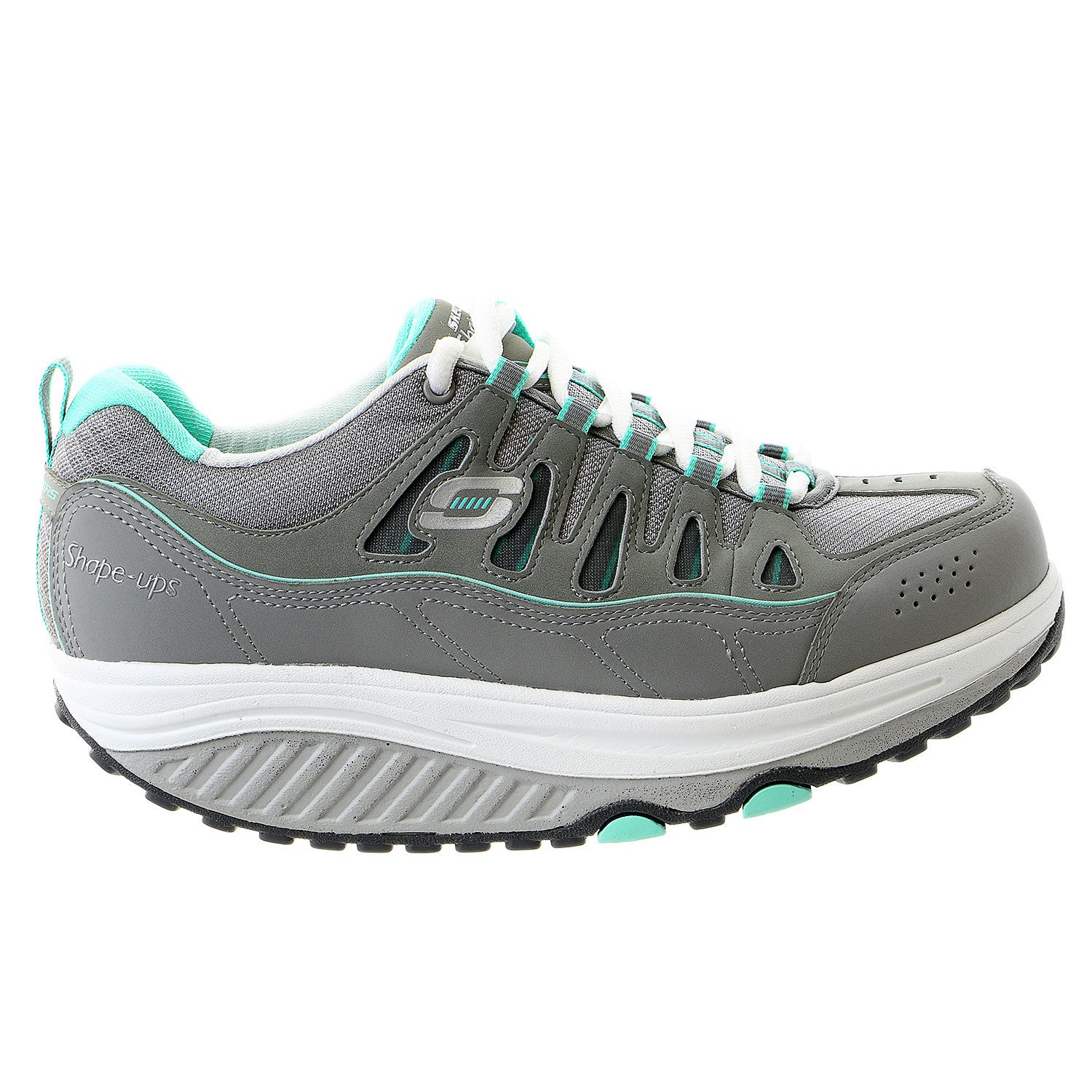
Armed with this knowledge, your journey to find the perfect pair becomes a targeted mission, not a shot in the dark. Look for last season’s premium tennis models, which often see significant discounts as new colorways are released. The core technology—the GEL, the Boost, the Zoom Air—remains identical, offering professional-grade performance at a fraction of the original price. Retailers like Amazon, Zappos, and direct brand outlet sites frequently have these deals. For instance, a high-end tennis shoe originally priced at $140 can often be found for under $90 post-season. This is where bringing professional knowledge to your purchase pays literal dividends. You are not buying an outdated product; you are buying proven, high-performance engineering at an accessible price point. Remember to prioritize fit and function over the latest hype color. Your goal is to find a workhorse, a reliable partner for your daily constitutionals that embodies the robust, supportive, and responsive qualities of the best tennis shoes for walking.
The search for the perfect walking shoe ends not in the walking aisle, but perhaps on the tennis court. The architectural integrity, durable construction, balanced cushioning, and inherent stability of a quality tennis shoe translate seamlessly into the demands of daily walking. This choice represents a smart synthesis of biomechanical science, material innovation, and practical lifestyle design. It is a conscious decision to equip your feet with versatile tools engineered for performance, ensuring every step is supported, comfortable, and stylish.
