Effortless Style for Every Occasion
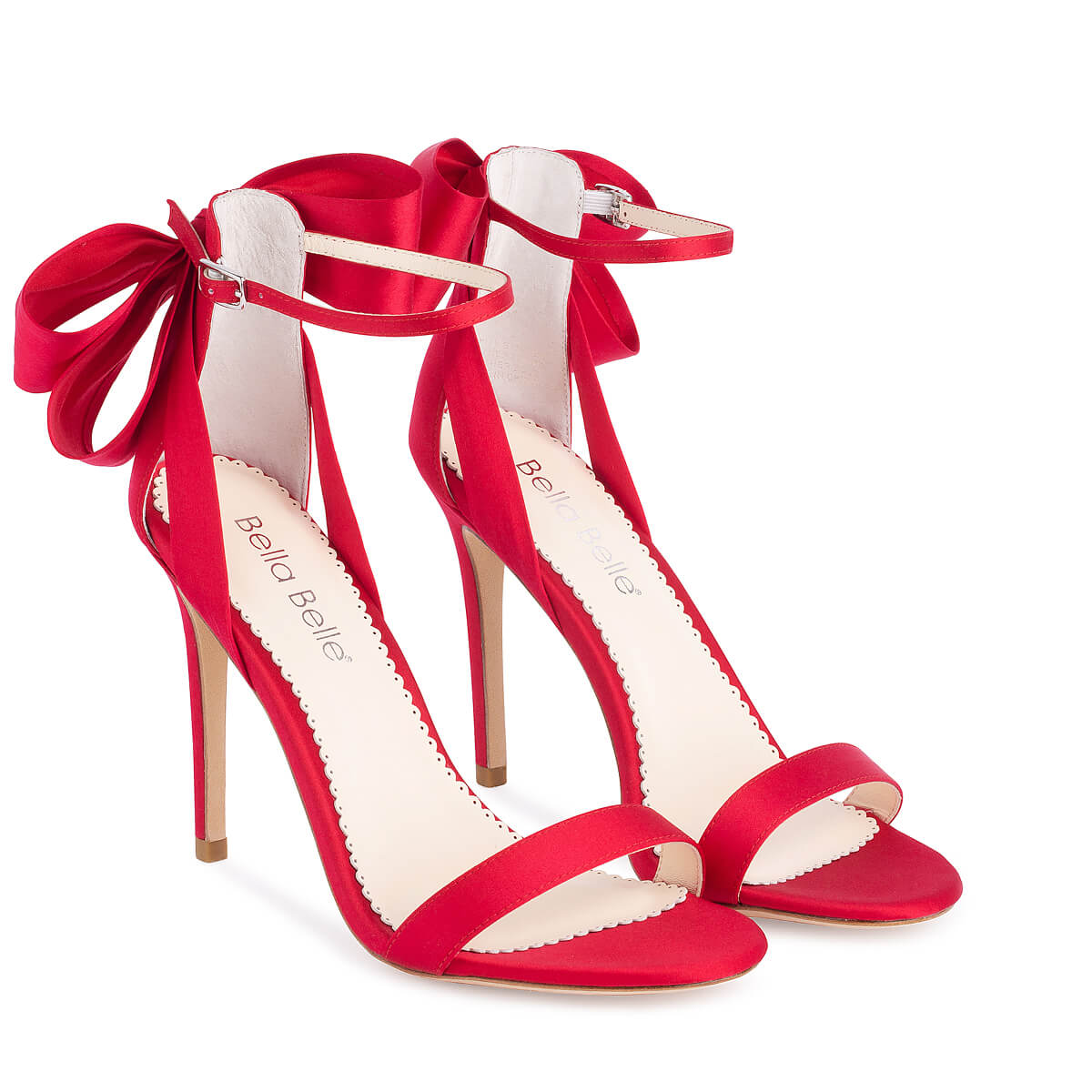
Style is not a uniform to be donned with strain, but a language spoken through choices that feel intrinsically right. The pursuit of effortless style is the quest to align your external presentation with your internal confidence, creating a seamless expression that functions from a morning meeting to an evening soiree. It transcends fleeting trends, rooting itself in understanding foundational principles of design, color, and self-awareness. This is not about a minimalist uniform, but about cultivating a versatile toolkit—where a single, powerful piece, like a pair of bow red heels, can pivot an entire outfit from simple to spectacular. True effortlessness comes from knowledge: knowing what silhouettes flatter your form, which colors ignite your spirit, and how to invest in pieces that offer both professional polish and personal joy, often at accessible price points. It is the art of looking considered without appearing to have tried, a balance achieved through strategic choices rather than exhaustive effort.
The Architecture of Effortlessness: Principles Over Prescriptions
To deconstruct effortless style, we must move beyond subjective “good taste” and examine its objective underpinnings. The concept finds resonance in the design principle of “form follows function,” famously propagated by architect Louis Sullivan. Applied to fashion, it suggests that clothing should first serve the wearer’s comfort and mobility, with aesthetics emerging from that purpose. A garment that restricts or discomforts can never be truly effortless. Furthermore, the psychological theory of “enclothed cognition,” studied by researchers like Hajo Adam and Adam D. Galinsky at Northwestern University, demonstrates that the clothes we wear systematically influence our psychological processes. Wearing clothing one perceives as professional or powerful can enhance abstract thinking and increase persistent attention to tasks. Therefore, an “effortless” outfit is often one that not only looks appropriate but also mentally primes you for the occasion, reducing the cognitive load of self-doubt and allowing your natural confidence to surface. This scientific backing transforms style from a superficial concern into a tool for performance and well-being.
The Power of a Signature Element: Beyond the Basic Black Pump
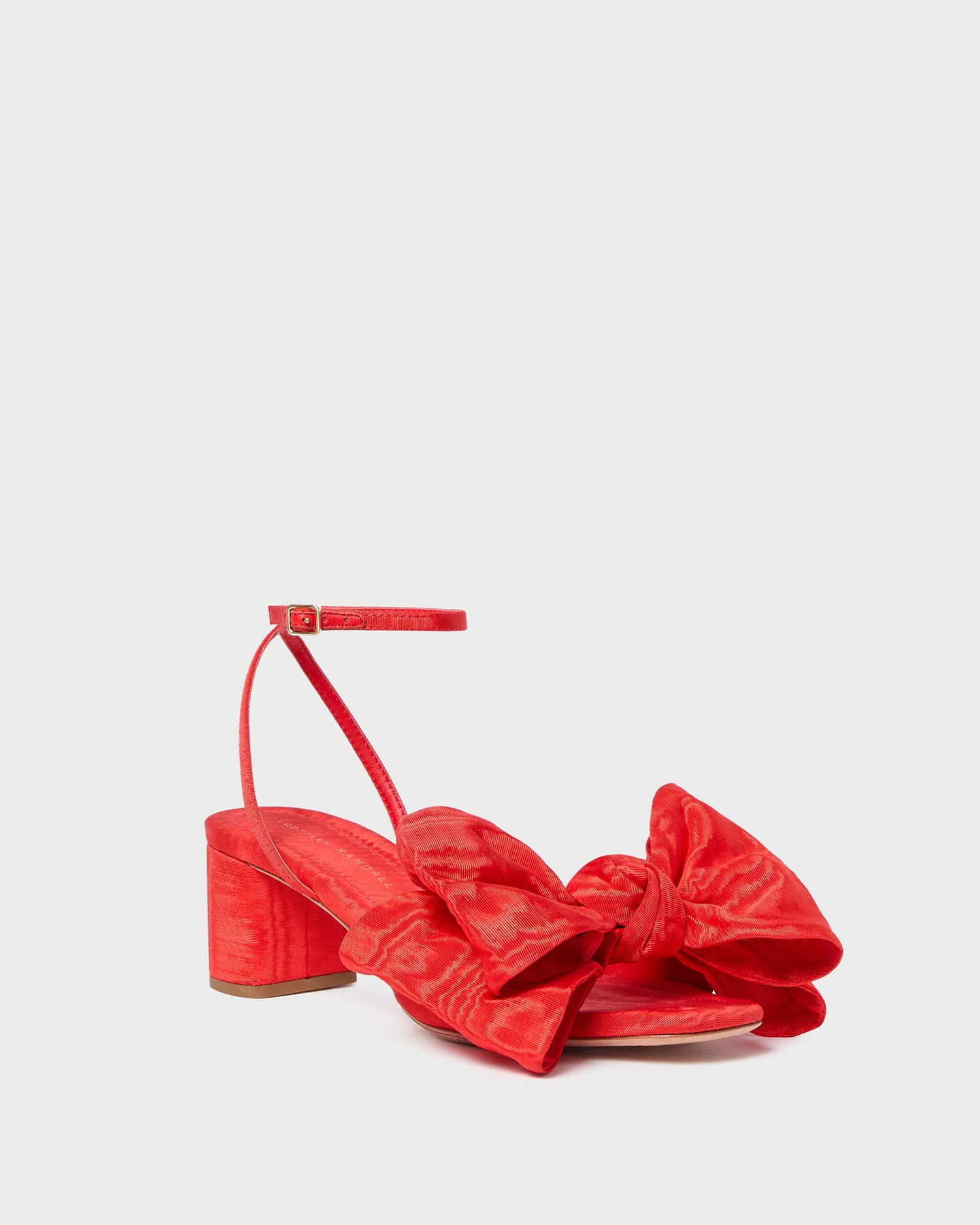
While a capsule wardrobe built on neutrals is often touted as the key to simplicity, true personal style often flourishes with a deliberate, recurring signature. This is a concept visible in the personas of iconic figures: Audrey Hepburn’s little black dress and pearls, or Steve Jobs’ black turtleneck and jeans. These signatures became effortless because they eliminated daily decision fatigue, allowing focus to remain on their work and presence. For the contemporary individual, a signature can be more dynamic—a preferred color palette, a beloved jewelry motif, or a distinctive shoe style. Herein lies the potent magic of an accessory like the bow red heels. Red, as analyzed on platforms like Wikipedia, has long been associated with energy, war, danger, strength, power, determination, as well as passion, desire, and love. It is a color of high visibility and impact. Coupling this with the feminine, structured detail of a bow creates a piece that is both classic and whimsical. As fashion commentator Tim Gunn often emphasized, it’s about “making it work”—a single bold piece can unify a simple outfit, providing a focal point that conveys thoughtfulness and flair without requiring a head-to-toe transformation. A pair of bow red heels with a tailored navy suit speaks of confident professionalism; with a simple black dress, it tells a story of romantic readiness.
Curating Your Toolkit: Where Professional Knowledge Meets Value
Building an effortless wardrobe is an exercise in informed curation, not impulsive accumulation. This requires a blend of textile knowledge, understanding of construction, and savvy sourcing. Professional knowledge here means recognizing that 100% natural fibers like cotton, linen, wool, and silk often offer better breathability and longevity than many synthetics. It means checking for finished seams, secure stitching, and lining—hallmarks of quality that ensure a garment drapes well and endures. However, this knowledge must be paired with financial intelligence. The myth that effortless style requires exorbitant expense is dismantled by the modern retail landscape. Direct-to-consumer brands, strategic sales cycles, outlet offerings, and even high-quality resale platforms make exceptional design accessible. The goal is cost-per-wear: a slightly higher initial investment in a perfectly fitted blazer or those versatile bow red heels that you’ll wear for years yields far greater value than multiple cheap, trendy items worn once. Resources like the “Good On You” app or sustainability reports from universities like the Cambridge Institute for Sustainability Leadership can guide ethical purchases, aligning your style with your values—a core component of feeling genuinely at ease in your clothes.
The Psychological Journey: From First Person to Third Person Perspective
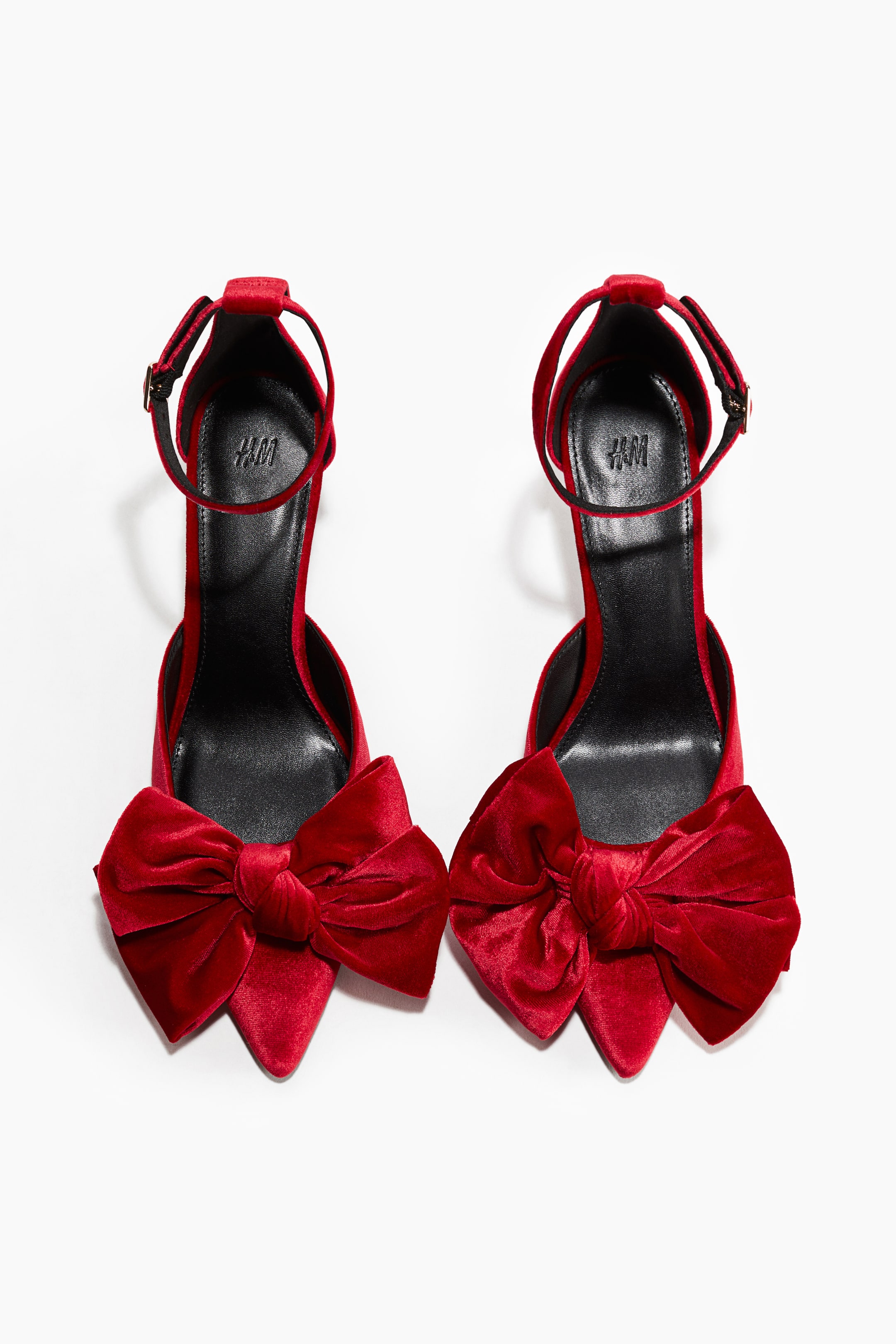
Developing personal style is a narrative we write about ourselves, and the perspective from which we view it is crucial. Initially, many approach style from a first-person perspective, driven by immediate desires: “I like this shiny trend.” This can lead to a disjointed wardrobe. The shift towards effortlessness often involves adopting a second-person perspective, considering the context: “You are attending a client pitch; what would convey competence and creativity?” This is the perspective of occasion-dressing. The most liberated stage, however, might be the third-person perspective: crafting an objective, cohesive character. It’s the difference between “I am throwing on clothes” and “She is a person who values precision and art, seen in her clean lines and singular pop of color.” This doesn’t mean being inauthentic; it means curating an external identity that reflects your best self. As author and professor Brené Brown has discussed in the context of authenticity, it requires courage to set boundaries and let go of what people think—but it also requires consistency to live into your values. When you dress from this third-person vantage point, choices become clearer. You select the silk blouse not because it’s on sale, but because it fits the narrative of quality you’re building. You reach for the bow red heels because they are the exclamation point in your visual sentence.
Iconic Testaments: Voices on Visual Language
The dialogue around clothing as a powerful, effortless language is echoed by myriad voices across culture. Their words are not mere opinions but distilled insights from lifetimes of public presentation.
“Fashion is the armor to survive the reality of everyday life. I don’t think you can do away with it. It’s too important.” — Bill Cunningham, legendary New York Times street style photographer.
Cunningham’s notion of “armor” aligns perfectly with the concept of enclothed cognition and effortlessness. Armor is not a disguise; it is a protective, empowering shell that allows the wearer to operate effectively in the world. Similarly, designer Coco Chanel’s oft-cited mission was to give women not just freedom of movement, but freedom of choice and time through simple, elegant designs. In contemporary digital discourse, YouTube style analysts like Alexa Chung articulate how personal style is an ongoing edit of oneself, while on Twitter, fashion critics dissect red-carpet looks with a focus on authenticity as much as aesthetics. These perspectives converge on a single point: the clothes that feel most effortless are those that best serve the wearer’s purpose, personality, and day. They are the pieces, perhaps like a beloved pair of bow red heels, that feel less like an addition and more like an extension of the self.
The Seamless Transition: From Desk to Dinner
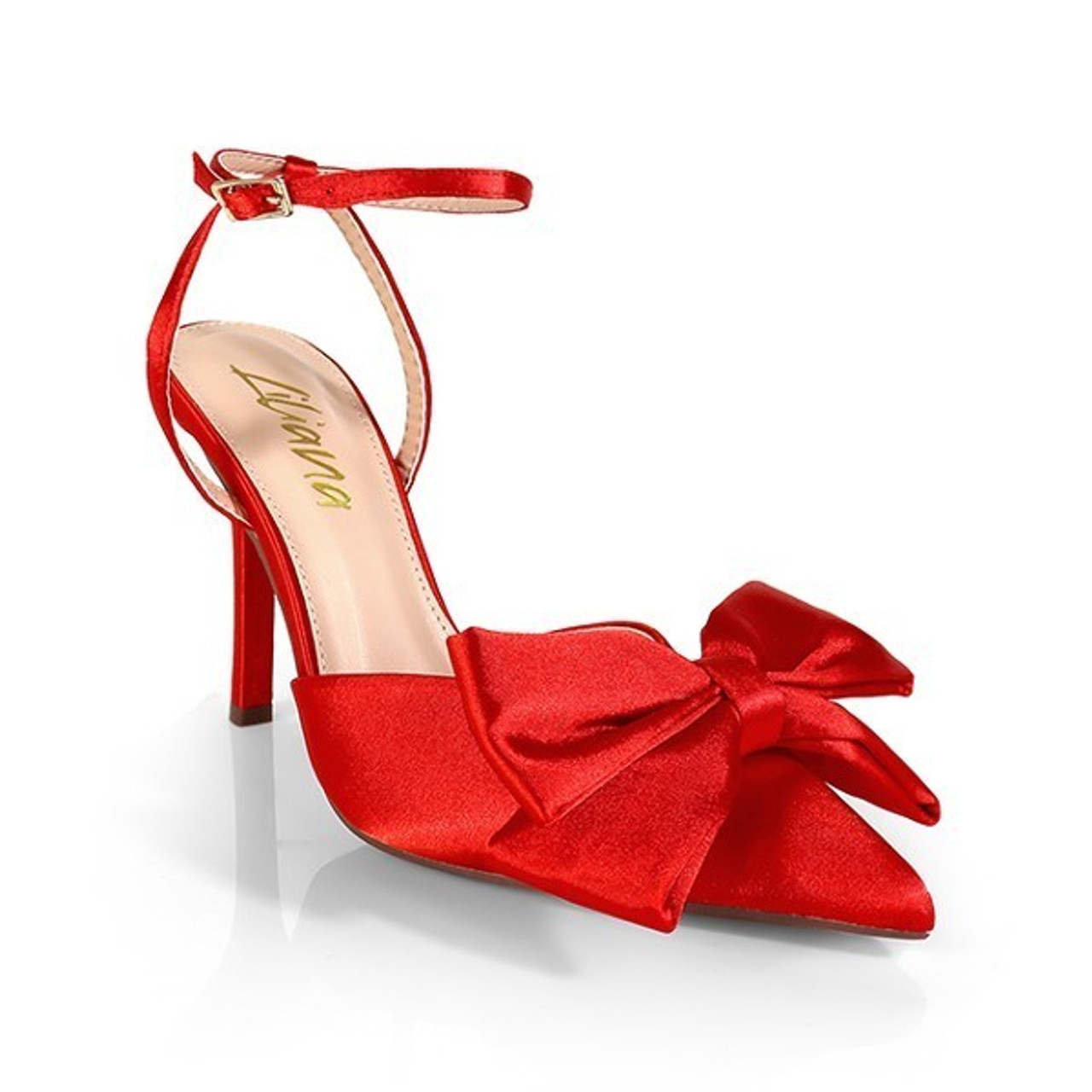
The ultimate test of an effortless wardrobe is its capacity for fluid transition. The modern schedule rarely permits a full costume change between obligations. Therefore, the strategic piece is paramount. Consider the foundational outfit: a premium knit dress in a neutral tone, worn with a tailored blazer and low-block heels for the office. This alone is a portrait of competence. The transformation for evening begins with subtraction and amplification. Remove the blazer. Swap the understated shoes for the definitive bow red heels. Add a statement earring and a clutch. In minutes, the look is recalibrated from professional focus to social vibrancy. The dress itself, chosen for its elegant cut and comfortable fabric, remains the constant. This method relies on what fashion scholars might call “modular dressing,” a system championed by brands and stylists advocating for versatile wardrobes. It is a practical application of the Pareto principle, where 20% of your items—the transformative accessories and key layers—create 80% of your outfit variations. The confidence this system breeds is profound; you navigate your day knowing you are appropriately attired for every chapter, without having to engineer a separate look from scratch.
Effortless style, therefore, is a cultivated synergy of knowledge, intention, and a touch of daring. It is built on the objective science of how clothing affects us, powered by the professional insight to discern quality, and made accessible through smart value decisions. It is knowing that sometimes, the most powerful statement you can make is not with an entire outfit, but with a single, perfect detail—a stroke of red, a tied ribbon, a heel that clicks with purpose. It is the understanding that when your wardrobe works for you, you are free to focus on everything else that matters. The final effect is not of having labored over your appearance, but of possessing an innate grace that moves seamlessly from one occasion to the next, leaving only the impression of impeccable, and seemingly effortless, style.