

Tennis Shoes for Walking in Everyday Fashion
For years, the idea of using athletic shoes for daily wear was often dismissed as a fashion faux pas, a concession to comfort over style. However, a significant shift has occurred. The lines between performance wear and everyday fashion have not just blurred; they have been creatively and deliberately erased. At the forefront of this movement is a specific category: tennis shoes for walking. These are not the bulky, neon-accented trainers of the past, but sophisticated, design-forward footwear that offers a compelling proposition: unparalleled all-day comfort without sacrificing an ounce of style. This article argues that modern tennis shoes, engineered for the lateral movements and court impact of tennis, have evolved into the ideal foundation for contemporary, on-the-go lifestyles, merging biomechanical science with urban aesthetics to create a wardrobe essential.
The Evolution from Court to Concrete
The journey of the tennis shoe from a specialized sports implement to a fashion staple is a story of adaptation and recognition of universal needs. Originally designed in the late 19th century as simple canvas and rubber-soled shoes for the sport of lawn tennis, their primary function was to prevent slipping on grass courts. The mid-20th century saw brands like Adidas and Stan Smith (yes, the person) innovate with leather uppers and more supportive soles, creating iconic silhouettes. However, the true crossover began when people outside the tennis world discovered their inherent qualities. The requirements for a good tennis shoe—excellent lateral support for quick side-to-side movements, cushioned midsoles to absorb the constant impact of hard courts, durable outsoles for traction, and a secure, breathable fit—translate surprisingly well to the demands of urban walking. Unlike running shoes, which are engineered for forward motion in a straight line, tennis shoes for walking are built for multi-directional stability, making them perfectly suited for navigating crowded sidewalks, stepping on and off curbs, and the general unpredictability of city life. As fashion historian and curator Elizabeth Semmelhack noted in her work for the Bata Shoe Museum, “Athletic footwear’s infiltration into everyday dress speaks to a cultural prioritization of comfort and a blurring of the boundaries between work, leisure, and sport.” This isn’t merely a trend; it’s a redefinition of what we expect from our daily footwear.
Deconstructing the Comfort: A Scientific Perspective
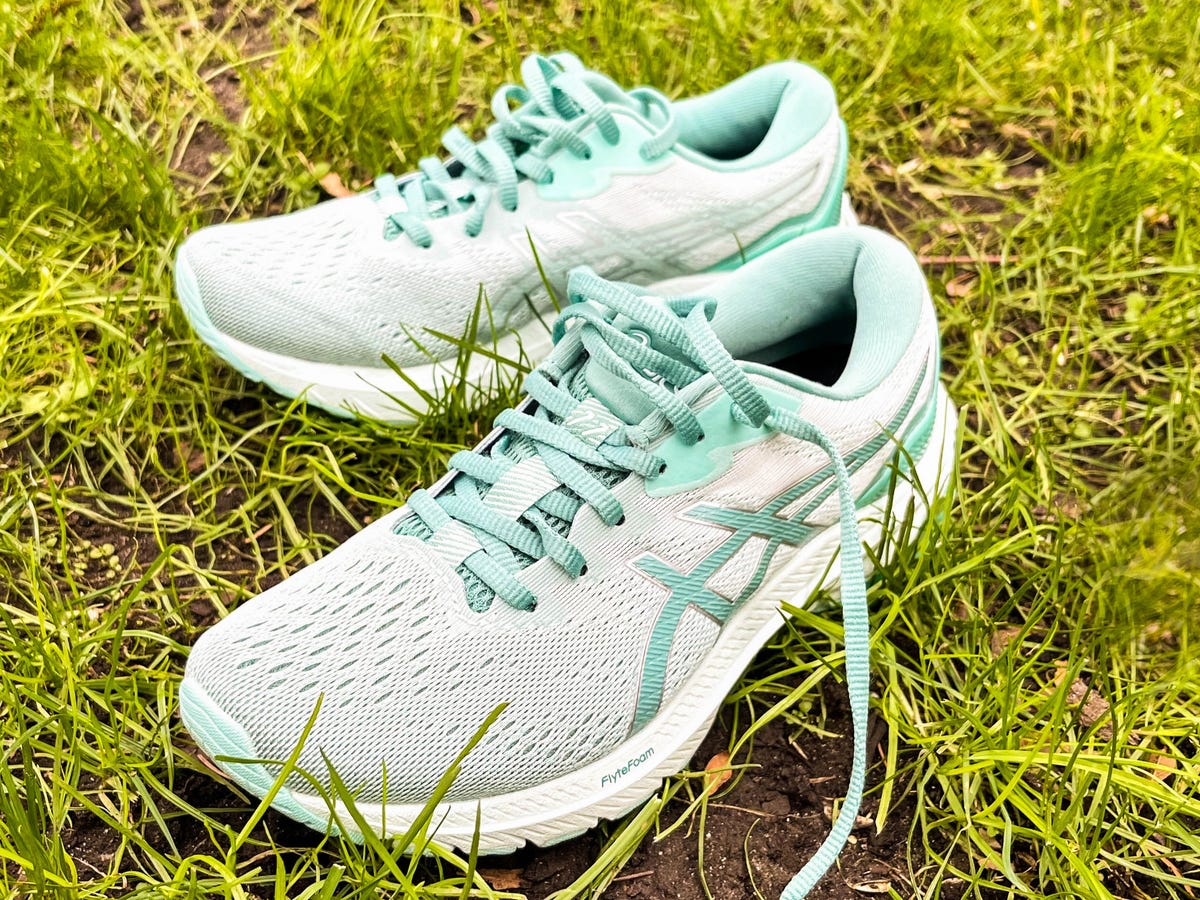
To understand why these shoes work so well, we must look beneath the stylish exterior. The comfort of a modern walking tennis shoe is not accidental; it’s a product of deliberate engineering. Let’s break down the key components. First, the midsole cushioning. Technologies like Adidas’s Boost, Nike’s Air, Asics’s Gel, and New Balance’s Fresh Foam are designed to absorb and dissipate vertical impact forces. According to biomechanics research from institutions like the University of Calgary’s Human Performance Lab, effective cushioning reduces the peak load on joints, particularly the knees and hips, during heel strike—a critical factor in preventing long-term wear and tear from daily ambulation. Second, the lateral support system. This is what truly distinguishes a tennis shoe. Reinforced sides, often with thermoplastic polyurethane (TPU) or molded foam, prevent the foot from rolling excessively inward (overpronation) or outward (supination) during off-axis movements. For the everyday walker, this means stability on uneven surfaces and reduced risk of ankle strains. Third, the outsole design. The herringbone or modified tread patterns found on tennis shoes offer a balance of flexibility and multi-surface traction, providing grip on everything from polished office floors to wet pavement. When you choose a pair of tennis shoes for walking, you are not just choosing a look; you are investing in a portable support system engineered for human movement.
:max_bytes(150000):strip_icc()/Web_1500-vwt-primary-best-overall-shoe-tstaples-118-671f4e0048e64d14a1c42e4f8d9e6658.jpg)
The Aesthetic Integration: How Style Met Substance
The functional superiority would mean little if the shoes remained clunky eyesores. The fashion industry’s embrace of the “athleisure” trend catalyzed the aesthetic transformation of the tennis shoe. Designers began reinterpreting classic tennis silhouettes, simplifying lines, experimenting with premium materials like suede, leather, and knit uppers, and introducing a palette of neutral tones—think crisp whites, sleek blacks, soft greys, and earthy tones. This minimalist approach allowed the shoes to transcend their athletic origins. A clean, white leather tennis shoe, for instance, can effortlessly pair with tailored trousers, a midi skirt, or dark denim, creating a look that is both polished and relaxed. The influence is evident in popular culture. From Steve Jobs’ iconic New Balance 991s to the ubiquitous Stan Smiths championed by fashion icons, the message is clear: intelligence and style no longer require painful footwear. As filmmaker and noted style observer Sofia Coppola once remarked in an interview, “There’s a certain ease and confidence in wearing something that is both beautiful and lets you move through your day without thinking about your feet.” This integration signals a mature fashion sense that values self-expression through comfort and practicality, with tennis shoes for walking serving as the cornerstone of this philosophy.
Making the Informed Choice: A Buyer’s Considerations
Not all tennis-inspired shoes are created equal for the purpose of all-day walking. When selecting your pair, moving beyond brand names and focusing on specific features is crucial. Here is a structured guide. First, prioritize fit and arch support. Your foot should feel secure without being constricted. Brands like Brooks and Saucony, often hailed by podiatrists, offer models with varied arch supports and widths. It’s advisable to try shoes on in the afternoon when feet are naturally slightly swollen. Second, analyze the cushioning-to-weight ratioconsider the upper material. Breathable mesh is excellent for warmer climates and active days, while leather or synthetic leather offers more structure and weather resistance for urban commutes. Finally, examine the outsole wear pattern. Durable rubber compounds like carbon rubber in high-wear areas (heel and forefoot) will ensure longevity. Remember, the goal is to find a shoe that disappears on your foot because it works so well, becoming a seamless extension of your body as you navigate your day.

Beyond the Purchase: Maximizing Value and Longevity
Acquiring the perfect pair is only the first step. To truly benefit from your investment in tennis shoes for walking, proper care and strategic purchasing are key. From a professional standpoint, rotating between two pairs of shoes allows the midsole foam to fully decompress between wears, dramatically extending the functional life of the cushioning—a tip frequently emphasized by running shoe experts. Most quality walking tennis shoes have a functional lifespan of 300-500 miles of wear, after which the shock absorption degrades significantly. Furthermore, staying informed can lead to significant savings. Subscribe to newsletters from reputable athletic wear retailers and official brand sites. End-of-season sales, holiday promotions, and clearance events on previous models are excellent opportunities to acquire high-performance footwear at discounted prices, often 30-50% off the original retail. The key is to know your preferred model and size, so when a sale hits, you can act quickly. This approach brings professional-grade footwear into your wardrobe at an accessible price point, proving that looking after your feet and your wallet are not mutually exclusive pursuits.
A Step into a More Balanced Lifestyle
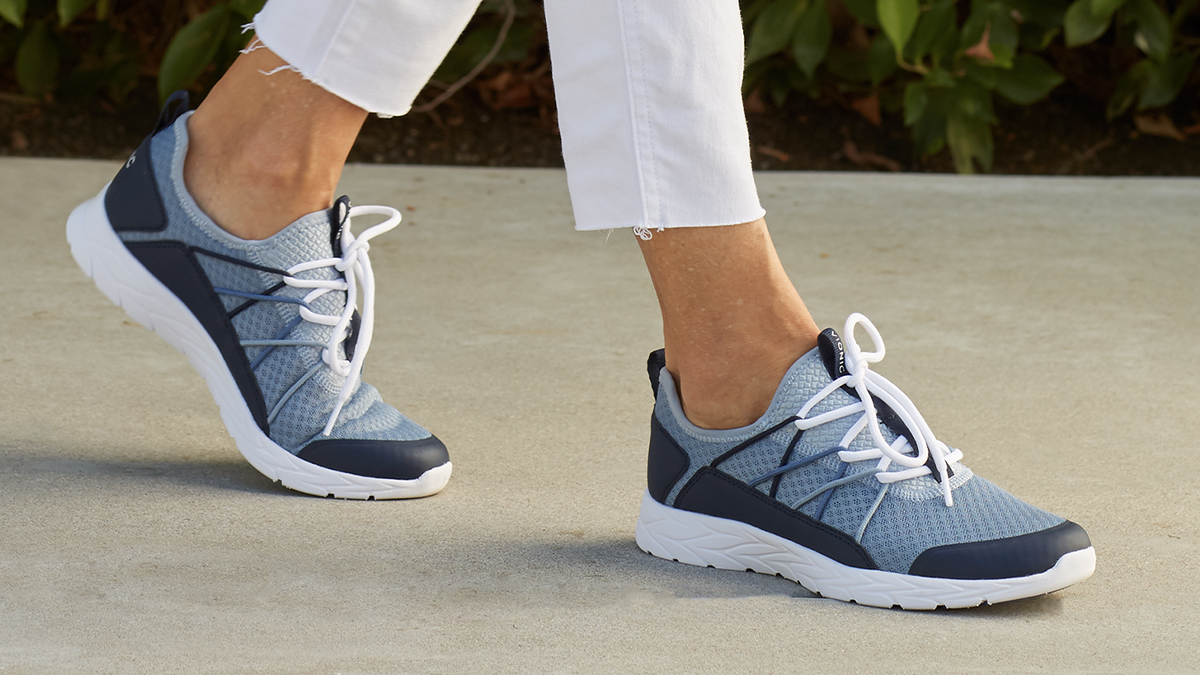
The adoption of tennis shoes for daily walking represents more than a shift in fashion; it signifies a broader cultural move towards holistic well-being and intentional living. It is a conscious rejection of the notion that discomfort is a necessary trade-off for style or professionalism. By choosing footwear that supports our biomechanics, we are quietly prioritizing our long-term physical health. By embracing their versatile aesthetics, we are expressing a modern, pragmatic approach to personal style. This synergy between science and design empowers us to move through our environments—whether it’s a morning commute, a day of errands, or a casual evening out—with greater ease, stability, and confidence. The right pair of shoes doesn’t just carry you from place to place; it fundamentally alters the quality of the journey. In making the choice for supportive, stylish footwear, we are ultimately taking a step towards a life where our daily choices align more closely with our well-being.
