Your Ultimate Guide to Stylish and Comfortable Footwear
Let’s be honest: for too long, the world of footwear has felt divided. On one side, there are shoes that look incredible but leave your feet pleading for mercy after a few hours. On the other, there are shoes built for pure comfort that often sacrifice any semblance of style, relegating you to a purely “athletic” or “practical” look. This is a false choice. The modern pursuit is for footwear that seamlessly blends form and function—shoes that empower your stride without compromising your personal aesthetic. This guide is dedicated to dismantling that dichotomy, proving that the pinnacle of footwear achievement is a shoe that feels as good as it looks, whether you’re navigating city streets, conquering a trail, or simply moving through your day with intention. We’ll move beyond marketing buzzwords and delve into the objective science of comfort, the principles of timeless design, and how to identify the pair that truly works for you.
The Foundation: Why Your Choice in Footwear Matters More Than You Think
Your feet are your foundation, a complex structure of 26 bones, 33 joints, and over 100 muscles, tendons, and ligaments. The shoes you choose act as your interface with the ground, influencing everything from your immediate comfort to your long-term musculoskeletal health. A study from the University of North Carolina’s Department of Exercise and Sport Science emphasizes that improper footwear can lead to a chain reaction of issues, including altered gait, increased stress on knees and hips, and chronic conditions like plantar fasciitis. Conversely, well-chosen shoes provide stability, cushioning, and support, promoting natural movement. Think of it this way: you wouldn’t build a house on a shaky foundation; why would you support your body with inadequate footwear? The right pair isn’t just an accessory; it’s a tool for wellness. This is where the concept of the ideal walking shoe becomes critical—a category defined not by a specific brand, but by a set of engineering and design principles aimed at harmonizing with the human foot in motion.
Decoding Comfort: The Science Behind the Feel
Comfort is subjective, but its components are measurable. When we speak of a comfortable walking shoe, we’re typically referring to three interlocking systems: cushioning, support, and fit. Cushioning, often provided by materials like EVA (ethylene-vinyl acetate) foam, polyurethane, or proprietary gels (like ASICS’ GEL technology), absorbs the impact force generated when your foot strikes the ground. This force can be 1.5 to 3 times your body weight, so effective dissipation is crucial for joint health. However, as biomechanist Dr. Casey Kerrigan, founder of OESH Shoes, has pointed out, “The goal is not to create the softest shoe, but to create a shoe that allows the foot’s natural mechanics to work.” This leads to support. Support involves the shoe’s structure—its heel counter, arch design, and midsole geometry—working to guide your foot and prevent excessive inward rolling (pronation) or outward rolling (supination). Finally, fit is paramount. A shoe that is too tight can cause blisters and neuromas, while one that is too loose fails to provide stability. Renowned running coach and author Jack Daniels (of “Daniels’ Running Formula” fame) succinctly states, “The best shoe is the one that fits your foot.” This requires understanding your foot’s length, width, volume, and arch type.
The Style Equation: Form That Follows Function (Beautifully)
Gone are the days where “comfortable” meant clunky and bland. Today’s leading footwear brands are masters of integrating technical performance with contemporary design. The evolution of minimalist and maximalist trends in running shoes has spilled over into everyday footwear, offering aesthetic choices that are rooted in function. A sleek, low-profile sneaker with a knitted upper provides a sock-like fit and breathability, while a shoe with a bold, sculpted midsole offers statement-making looks derived from advanced cushioning technology. The key is to identify design elements that serve a dual purpose. For instance, seamless overlays reduce irritation, and reflective details enhance visibility. Materials like premium suede, recycled polyester knits, and waterproof membranes add both tactile appeal and practical benefits. When selecting a stylish and comfortable walking shoe, look for clean lines, cohesive color palettes, and thoughtful material combinations that align with your wardrobe. The most successful designs, much like those celebrated in the Museum of Modern Art’s design collection, solve a problem elegantly—in this case, the problem of moving through the world with ease and confidence.
:max_bytes(150000):strip_icc()/vwt-asics-womens-gel-pulse-16-jinfeng-chen-21-712f0f140e834b84b3a8dcf0bf154771.jpeg)
Your Personal Footwear Audit: Finding “The One”
Armed with the knowledge of what makes a great shoe, how do you apply it? Start with a personal audit. First, analyze your footprint. The classic “wet test”—stepping onto a paper bag with a wet foot—can reveal if you have a low, neutral, or high arch. Second, consider your primary activities. Are you logging miles on pavement, exploring uneven trails, or needing an all-day shoe for work? Each scenario demands different features: road shoes prioritize cushioning, trail shoes need grip and protection, and casual walkers may value flexibility. Third, assess your current shoes. Look for uneven wear patterns on the outsole. Excessive wear on the inside edge often suggests overpronation, while wear on the outside edge may indicate supination. This forensic evidence is invaluable. Finally, shop smart. Always try on shoes in the afternoon, as feet naturally swell throughout the day. Wear the socks you intend to pair them with. There should be about a thumb’s width of space between your longest toe and the end of the shoe. Walk, jog, and simulate movements you’ll actually do. The perfect walking shoe should feel supportive and inviting from the first step, with no “break-in” period of pain.
Investment vs. Expense: The Long-Term Value of Quality Footwear
It’s tempting to opt for the most affordable option, but with footwear, an upfront investment often translates to long-term savings—both financially and physically. High-quality materials and construction techniques simply last longer. A well-made shoe with a durable rubber outsole and robust upper materials can withstand hundreds of miles of wear, whereas a cheaply made counterpart may disintegrate within months. More importantly, consider the cost of discomfort. Foot pain, knee strain, and back issues lead to medical bills, missed work, and a diminished quality of life. As the famous quote often attributed to Vogue editor-in-chief Anna Wintour goes, “You can never be overdressed or overeducated.” In the context of footwear, we might adapt this to say you can never be too supportive or too comfortable. Investing in a versatile, high-performance walking shoe is an investment in your daily well-being. Look for brands that offer robust warranties, repair programs, or sustainability initiatives like recycling old shoes, which adds another layer of value to your purchase.
Stepping Forward: Integrating Knowledge into Action
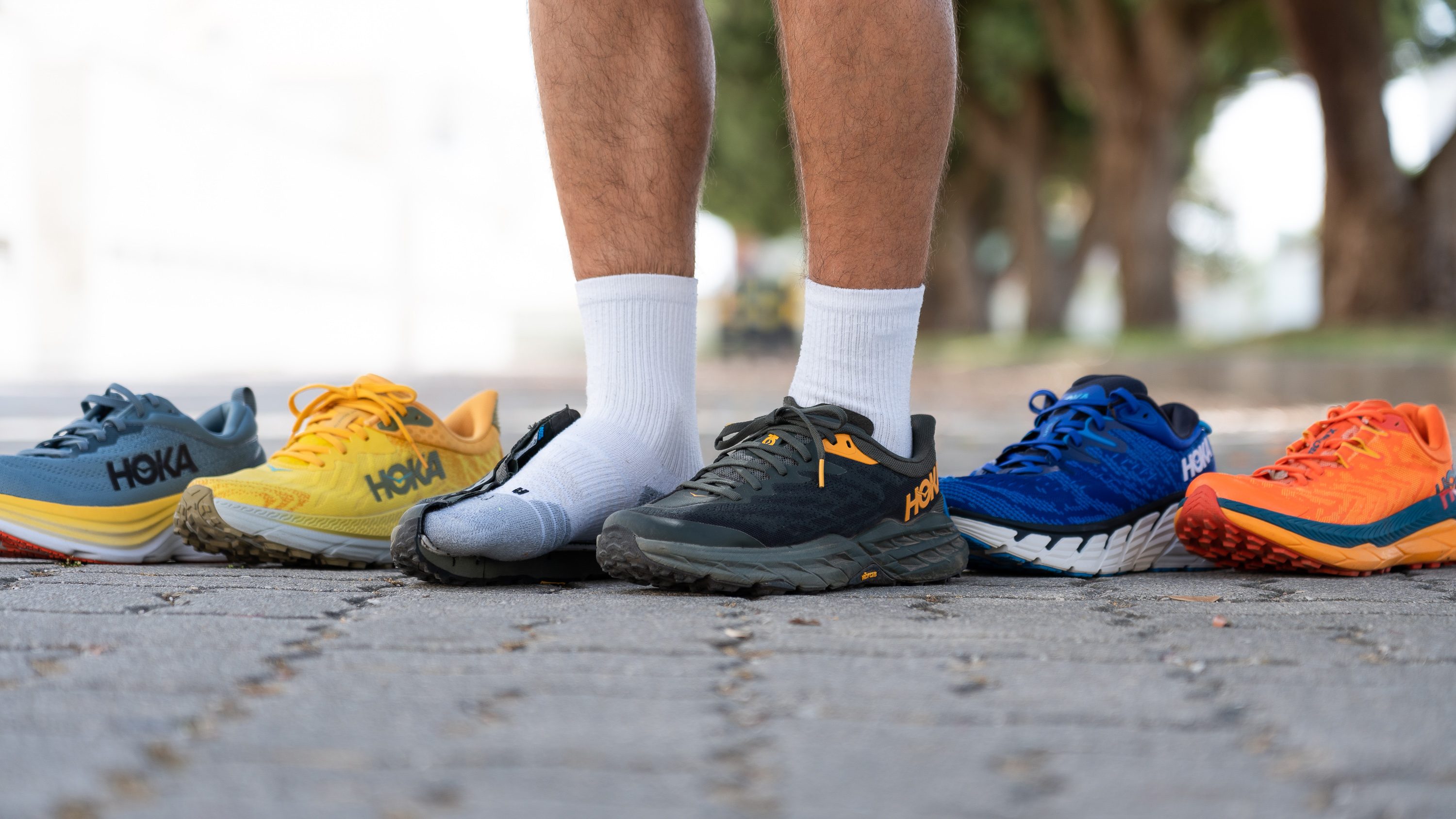
The journey to stylish and comfortable footwear is one of informed self-awareness. It requires listening to your body, understanding the engineering behind the products, and refusing to settle for less than both aesthetic appeal and physical ease. The market now offers an unprecedented array of choices that cater to this dual demand. From the maximalist cushioning of brands like HOKA, which has been praised by long-distance hikers and urban commuters alike, to the sleek, sustainable designs of Allbirds, the perfect pair exists. Remember, the best shoe for you is the one that disappears on your foot—not because you forget you’re wearing it due to discomfort, but because it functions so flawlessly as an extension of yourself that it allows you to focus entirely on the experience ahead. Let this guide be your starting point. Use the principles of fit, support, and intentional design as your filter. Your feet carry you through every story of your life; they deserve a foundation that is both resilient and refined.