

The Ultimate Guide to Tennis Shoes for Walking
Let’s dismantle a persistent myth right at the outset: not all athletic shoes are created equal for every activity. The idea that you can lace up any pair of sneakers and hit the pavement for a long walk is a shortcut to discomfort, and potentially, injury. The focus of our exploration is a specific, often overlooked hybrid: tennis shoes for walking. This isn’t about repurposing a court shoe for a stroll in the park by accident. It’s about understanding how the engineered features of a modern tennis shoe—designed for lateral stability, cushioning, and durability—can be uniquely advantageous for the dedicated walker. We will dissect the science of gait, the anatomy of a shoe, and market realities to present a compelling case for why a well-chosen tennis shoe might be the superior tool for your walking regimen, blending professional biomechanical insights with practical consumer advice.
The Biomechanical Bridge: From the Tennis Court to the Sidewalk
To appreciate the suitability of tennis shoes for walking, one must first understand the mechanical demands of both activities. Walking is a controlled, repetitive gait cycle involving heel strike, midfoot roll, and toe-off, primarily in the sagittal plane (forward motion). Tennis, however, is a game of explosive multi-directional movement—sudden starts, stops, and rapid side-to-side (lateral) cuts. According to research from the University of Calgary’s Human Performance Laboratory, tennis footwear is engineered to provide exceptional medial-lateral stability to prevent ankle rolling during these aggressive lateral motions. This is achieved through features like reinforced outsoles with herringbone or modified tread patterns and robust midfoot shanks. For a walker, especially one traversing uneven urban terrain or inclined paths, this inherent lateral support offers a protective advantage that many dedicated walking shoes, optimized purely for forward flex, lack. The cushioning systems in tennis shoes, often utilizing advanced foams like Adidas’ Boost or Nike’s React, are designed to absorb high-impact landings from jumps and sprints. Translated to walking, this means exceptional shock attenuation with every heel strike, a benefit highlighted by the American Podiatric Medical Association as crucial for long-term joint health. Therefore, the tennis shoe brings a fortress-like stability and a plush landing to an activity that, while less dynamic, subjects the body to thousands of repetitive impacts.
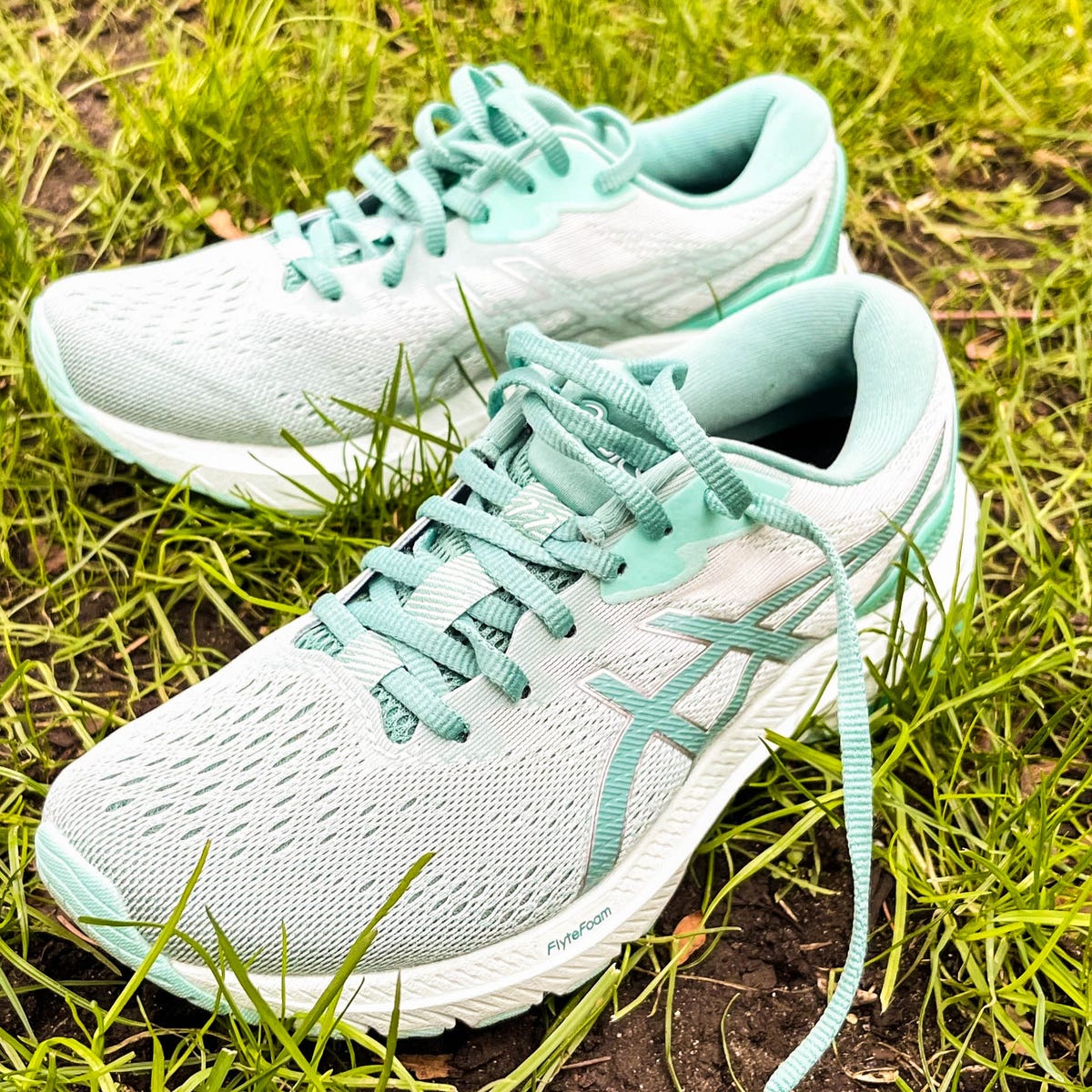
Deconstructing the Anatomy: Key Features That Serve the Walker
Let’s move from theory to tangible components. A typical high-quality tennis shoe is a marvel of targeted engineering, and several of its elements directly benefit a walking stride. First, the outsole. Tennis outsoles are made of durable, non-marking rubber compounds like XDR (Extra Durable Rubber) to withstand the abrasive friction of hard courts. For walking, this translates to exceptional longevity, outlasting the softer carbon rubber of many running shoes on concrete sidewalks. The tread pattern, often a multi-directional herringbone, provides reliable grip on a variety of surfaces, from paved paths to boardwalks. Second, the midsole and shank. This is the core of stability. The shank, a rigid or semi-rigid plate embedded in the midsole, prevents torsional twisting. As biomechanist Dr. Casey Kerrigan, founder of OESH Shoes, has noted in her research, excessive foot pronation during the gait cycle can lead to a chain of alignment issues up the kinetic chain. The structured midsole of a tennis shoe helps control this motion. Third, the upper and toe box. Tennis shoes frequently feature reinforced toe caps (like a “toe bumper”) and sturdy materials to withstand dragging the toe during a lunge. For a walker, this means extra protection and durability in a high-wear area, and a roomier, more forgiving toe box that accommodates natural foot splay, a feature often emphasized in footwear reviews on sites like Runner’s World.

The Consumer Reality: Performance, Versatility, and Value
Beyond pure biomechanics, the argument for tennis shoes for walking is strengthened by practical consumer considerations: versatility, aesthetic appeal, and cost-effectiveness. A dedicated walking shoe can sometimes be single-purpose, with a focus on flexibility that compromises support for any other activity. A tennis shoe, by its robust design, is inherently versatile. It can comfortably handle a long walk, a session at the gym, or casual daily wear. This multi-functionality is a significant value proposition. Furthermore, the aesthetic dimension cannot be ignored. Tennis shoes, driven by athletic endorsements and sportswear fashion, often boast more contemporary and varied designs than traditional walking shoes. This encourages consistent wear, which is half the battle in maintaining a fitness habit. On the topic of value, the market dynamics work in the walker’s favor. Major brands invest heavily in tennis technology, and this innovation trickles down across price points. You can often find previous-season’s premium tennis models—featuring top-tier cushioning and support systems—at deeply discounted prices, sometimes 40-50% off, as retailers make room for new colorways. This makes advanced footwear technology accessible. As noted in a Quora discussion on shoe value, “A discounted performance model often provides better engineering and materials than a new, entry-level model built to a lower price point.”
Addressing the Counterpoints: When a Tennis Shoe Might Not Be the Perfect Fit
Objectivity demands we address the potential drawbacks. The very stability that benefits some can be a hindrance to others. The stiffer construction, optimal for lateral moves, might feel restrictive to a walker with a very neutral gait who prioritizes maximum flexibility. Additionally, the weight of a tennis shoe is typically higher than that of a minimalist running or walking shoe due to its reinforced components. For someone seeking a “barely-there” feel, this could be a deal-breaker. It’s also crucial to distinguish between court surface-specific shoes. A clay-court tennis shoe, with its full herringbone tread, might pick up debris on asphalt, while a hard-court shoe is ideal. The key, as with any footwear, is informed trial. The ultimate authority is your own body. What works biomechanically on paper must be validated by comfort during a sustained walk. This isn’t a blanket endorsement but a framework for consideration. The goal is to equip you with the knowledge to evaluate tennis shoes for walking as a viable, and often superior, category within your search.
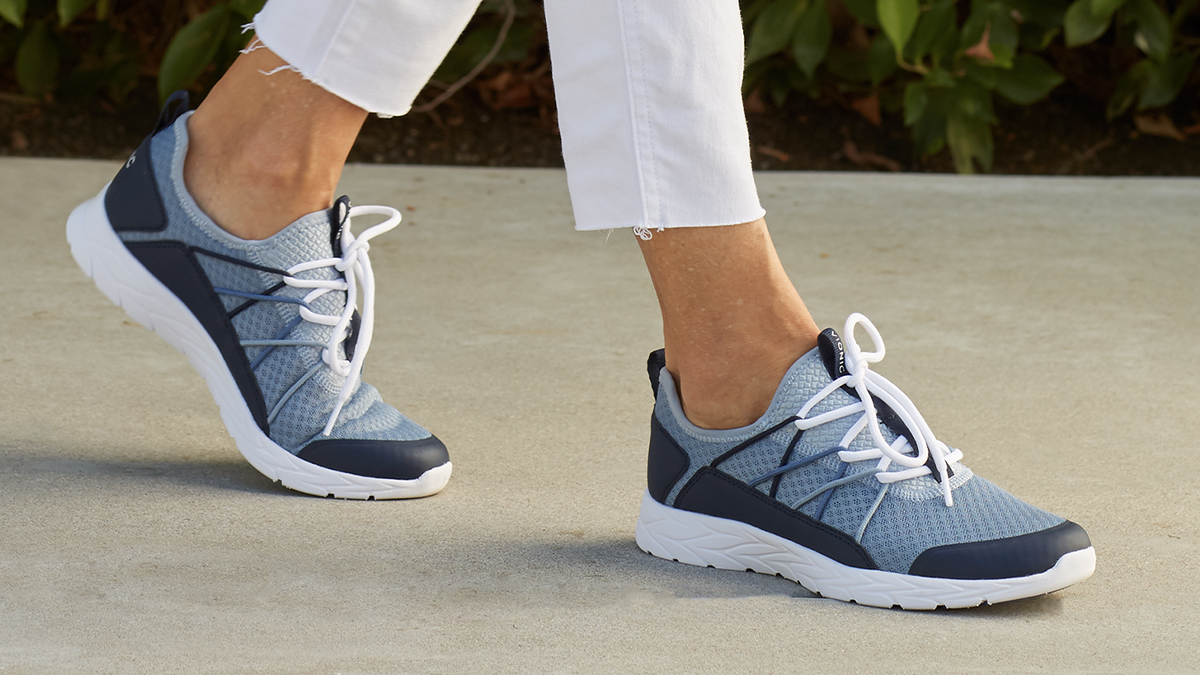
A Curated Pathway: Selecting Your Pair
If the theory resonates, how do you proceed? Start by analyzing your walking environment and personal physiology. For paved trails and urban landscapes, seek out tennis shoes designed for “hard courts.” Brands like Asics (Gel-Resolution series), Nike (Court Air Zoom series), and New Balance (Fresh Foam Lav) are renowned for their blend of cushioning and support. Pay close attention to the “drop” (the height difference between heel and forefoot); a moderate drop (8-10mm) is common in tennis shoes and suits most walkers by facilitating a smooth heel-to-toe transition. Prioritize fit above all. Your foot should feel secure in the heel and midfoot without pressure points, with ample space in the toe box. Remember, the aim is to find a tool that complements your body’s mechanics. As the famous coach and author Tim Noakes writes in “Lore of Running,” while contextually about running, the principle holds: “The shoe must protect the foot from the surface, not protect the surface from the foot.” A good tennis shoes for walking does exactly that—it protects your foot from the relentless, repetitive impact of the hard ground, using a blueprint forged in the fires of a more demanding sport.

The journey to finding ideal walking footwear need not be confined to the “walking” aisle. By looking to the tennis section, you are accessing a repository of engineering designed for sustained, impactful, and multi-directional stress. The robust outsole, the stabilizing shank, the protective upper, and the advanced cushioning collectively create a package that addresses the hidden rigors of walking with formidable competence. This is not merely a clever hack but a logical alignment of design purpose with user need. When selected with intention—mindful of fit, court type, and personal gait—a tennis shoe transcends its original intent, becoming an exceptionally reliable companion for the miles ahead, offering a fusion of professional-grade support and accessible value that is waiting to be stepped into.
