

The Walking Shoe: Your Secret to Effortless Style and All-Day Comfort
In the rhythm of daily life, where every step counts, the choice of footwear transcends mere fashion. It becomes a foundational decision impacting our posture, energy, and even our confidence. The modern walking shoe stands at this intersection, not as a compromise, but as a triumph of design that marries aesthetic appeal with biomechanical support. This is not about athletic performance in the traditional sense; it is about curating an experience of sustained ease from morning commute to evening stroll. The right pair dissolves the boundary between looking polished and feeling utterly supported, turning the simple act of walking into a seamless, joyful part of your day. Let’s explore how this humble hero of your wardrobe achieves what so many shoes promise but fail to deliver.
The Anatomy of All-Day Comfort: Beyond Simple Cushioning
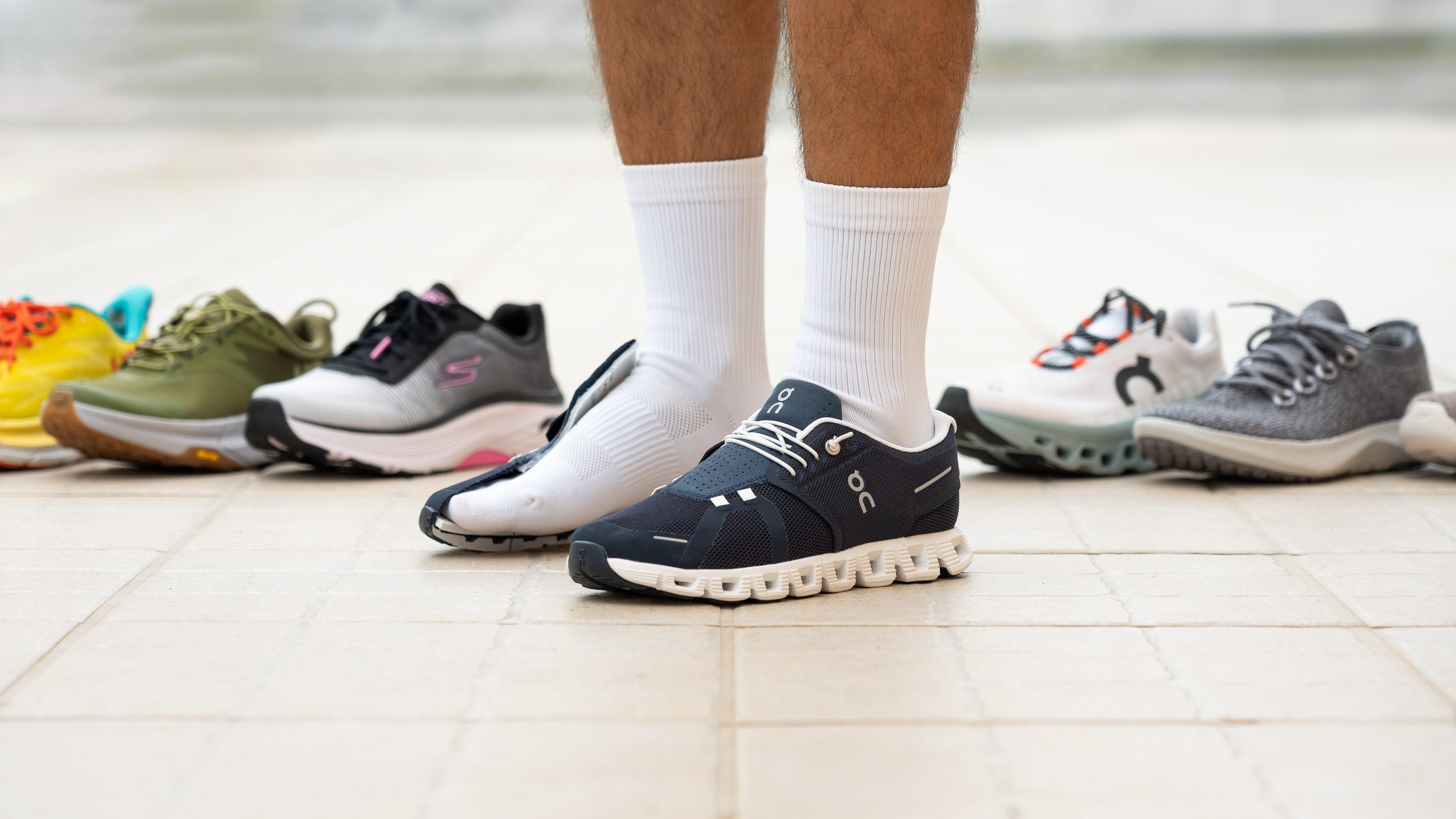
Comfort in a walking shoe is a symphony of engineering, not a single note of softness. It begins with the midsole, often crafted from advanced materials like EVA (ethylene-vinyl acetate) foam or polyurethane. According to biomechanics literature from institutions like the University of Calgary’s Human Performance Laboratory, the primary role of the midsole is to manage impact forces—which can reach 1.5 times your body weight with each step—and to facilitate a smooth transition from heel strike to toe-off. However, cushioning alone is insufficient. True comfort arises from stability and guidance. This is where technologies like medial posts (firmer foam on the inner side of the heel) or arch-supporting bridges come into play. They counteract overpronation, the inward rolling of the foot that can lead to chain-reaction stress on ankles, knees, and hips. As Dr. Casey Kerrigan, a former Harvard Medical School professor and founder of a biomechanics-focused footwear company, has often stated in interviews, “The goal is to design shoes that work with the body’s natural mechanics, not against them.” A well-designed walking shoe acts as a calibrated platform, offering a responsive feel that energizes your stride rather than creating a dead, mushy sensation that can fatigue muscles. The outsole’s rubber compound and tread pattern are equally critical, providing the necessary grip to prevent slips and a degree of flexibility that allows your foot to move naturally.
Style That Doesn’t Shout: The Quiet Revolution in Design
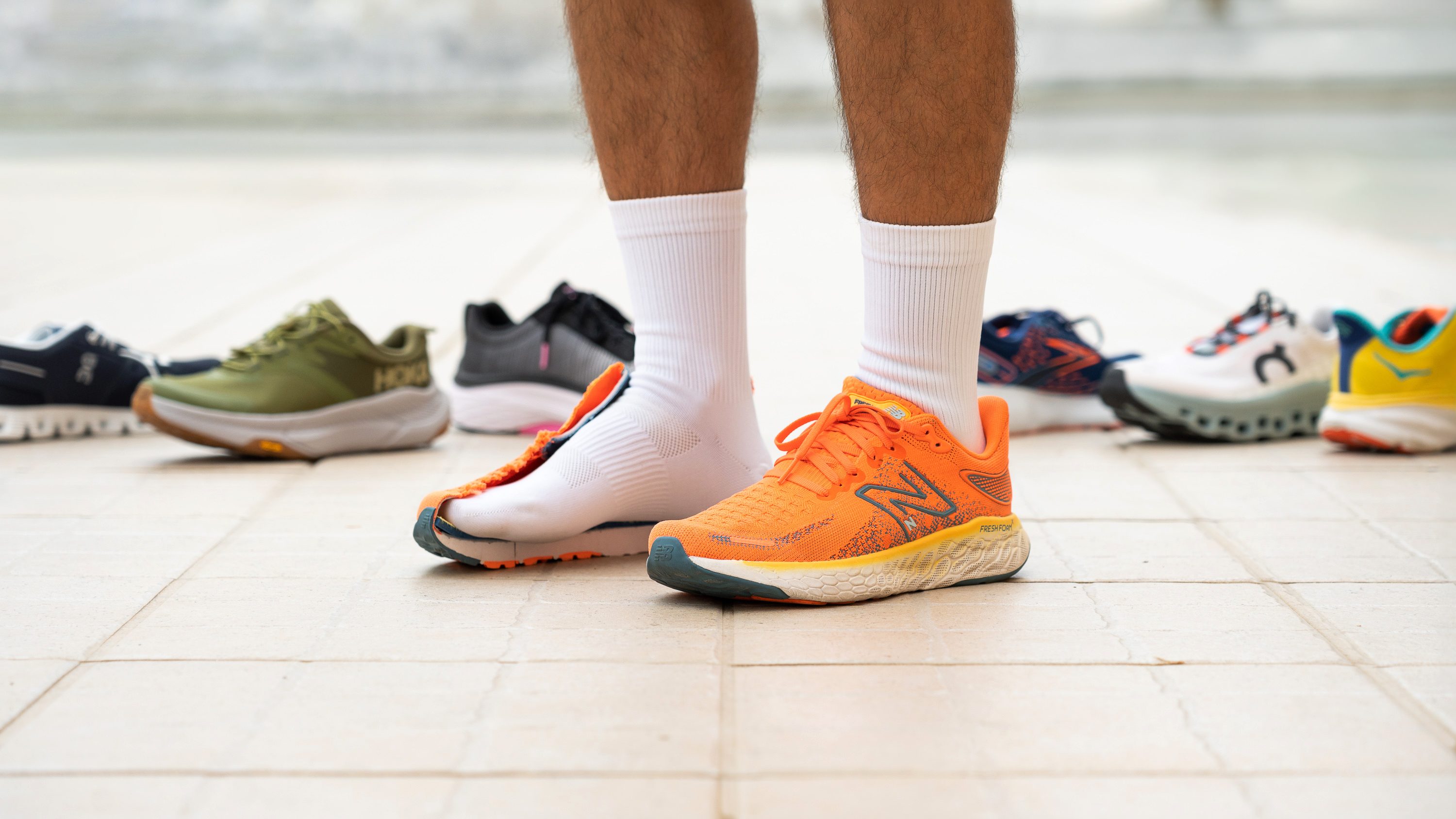
For decades, “comfort shoes” were synonymous with clunky, utilitarian designs that screamed their purpose. The contemporary walking shoe has undergone a quiet revolution. Designers now leverage sleek profiles, minimalist overlays, and a sophisticated color palette—think muted earth tones, clean greys, and all-black builds—that integrate seamlessly into a smart-casual wardrobe. This shift mirrors a broader trend noted by fashion commentators on platforms like The Business of Fashion, where “performance heritage” and “technical wear” have blurred the lines between studio and street. The aesthetic appeal lies in its considered simplicity. A premium walking shoe might feature a seamless knit upper that provides a sock-like fit without bulky stitching, or use recycled materials with a subtle texture that speaks to sustainability, a value increasingly important to consumers. The style is confident but understated; it complements an outfit without dominating it. As renowned designer Tinker Hatfield, the mind behind many iconic Nike silhouettes, once explained in a documentary, “Good design solves a problem without appearing to.” The modern walking shoe solves the problem of all-day wearability while projecting an air of intentional, effortless style. It’s the shoe you can wear to a casual Friday meeting, on a weekend museum trip, or while navigating a sprawling airport terminal, looking appropriately put-together at every point.
The Scientific Payoff: How Your Body Thanks You
Investing in proper footwear is a preventative health measure with tangible benefits. The American Podiatric Medical Association (APMA) grants its Seal of Acceptance to products that promote good foot health, and many walking shoe models earn this distinction. The science is clear: improper shoes can contribute to a host of issues, from plantar fasciitis (inflammation of the foot’s connective tissue) to metatarsalgia (pain in the ball of the foot). A well-fitted walking shoe with adequate arch support and a heel counter (the firm cup at the back) helps maintain proper alignment. This is corroborated by studies in journals like Gait & Posture, which show that appropriate footwear can reduce loading rates and improve balance, especially on hard urban surfaces. Furthermore, the psychological effect is non-trivial. When your feet are not in pain, your perceived energy levels are higher. You are more likely to choose to walk that extra block, take the stairs, or simply stand with better posture. In this sense, the right shoe is an enabler of an active, engaged lifestyle. It removes a common barrier—discomfort—freeing you to move through your world with greater ease and presence. The return on investment isn’t just measured in the longevity of the shoe, but in the quality of your daily movements.
Navigating the Market: A Guide to Informed Choice
With countless options, selecting your ideal pair requires a strategic approach. First, understand your gait. Many specialty running stores offer free gait analysis, which can identify if you are a neutral runner, overpronator, or underpronator (supinator). This knowledge directly informs the level of stability you need. Second, prioritize fit over size number. Your feet swell throughout the day, so shop in the afternoon. There should be about a thumb’s width of space between your longest toe and the end of the shoe. The widest part of your foot should align with the widest part of the shoe without pinching. Third, consider the “drop” or offset—the height difference between the heel and forefoot. A lower drop (0-6mm) can encourage a more natural foot strike but may require an adaptation period, while a higher drop (8-12mm) is common in traditional walking shoes and may relieve strain on Achilles tendons. Finally, examine the upper material. Breathable meshes are ideal for warm climates and all-day wear, while water-resistant materials add versatility. Remember, the most expensive shoe is not necessarily the best for you; it’s the one that addresses your specific biomechanics and lifestyle needs.
An Investment in Every Step: Value Beyond the Price Tag
Viewing a quality walking shoe as an expense misses the point; it is an investment in your daily well-being. The cost-per-wear of a versatile, durable pair that you reach for every day quickly becomes negligible compared to cheaper, less supportive shoes that languish in your closet or cause discomfort. Leading brands often incorporate technologies developed through millions of dollars in research—like adaptive cushioning systems or proprietary stability frames—that trickle down into their walking models. Furthermore, the market is more accessible than ever. Direct-to-consumer brands and frequent sales on reputable e-commerce sites bring professional-grade technology and materials to users at competitive, often discounted prices. The key is to seek value, not just a low price. A $150 shoe on sale for $100 that lasts two years and supports your body correctly offers far greater value than a $60 shoe that causes discomfort and needs replacing in six months. Your feet are your foundation; investing in their support pays dividends in comfort, health, and sustained style.
:max_bytes(150000):strip_icc()/vwt-asics-womens-gel-pulse-16-jinfeng-chen-21-712f0f140e834b84b3a8dcf0bf154771.jpeg)
The pursuit of a shoe that delivers both style and comfort is not a fantasy; it is the precise mandate of the modern walking shoe. By uniting biomechanical science with thoughtful design, these shoes transform a daily necessity into a source of quiet confidence. They are the unsung heroes that carry you through agendas and adventures alike, ensuring that when you arrive, you do so not just looking the part, but feeling resilient and ready. In choosing wisely, you are not merely selecting footwear—you are curating the quality of your movement and, by extension, the tenor of your day. Let your next step be your most comfortable and stylish yet.
