

Step Into Comfort and Style with Vionic Walking Shoes
For years, the quest for the perfect walking shoe has felt like a compromise. You could have cushioning that felt like walking on clouds, but the shoe looked like a medical device. You could find a stylish sneaker, but after a few city blocks, your feet would ache, and your back would protest. This false choice between wellness and aesthetics has dominated the footwear market, leaving many to accept discomfort as the price of looking good or to sacrifice style for the sake of their soles. But what if this dichotomy is a myth? What if the very foundation of foot health—proper biomechanical alignment—could be engineered into a shoe that you’re genuinely excited to wear? This isn’t a hypothetical future; it’s the present reality crafted by innovative footwear science. The journey to all-day comfort that doesn’t end at your ankles begins with understanding the architecture of your stride and the shoes built to support it.
The Unseen Architecture of Every Step: Why Biomechanics Matter
Every step you take is a complex orchestration of bones, muscles, and tendons. From the moment your heel strikes the ground to the final push-off from your toes, your foot undergoes a series of motions known as the gait cycle. Central to this cycle is the concept of pronation—the natural inward roll of the foot that helps distribute impact forces. However, when this motion is excessive (overpronation) or insufficient (supination), it can lead to a cascade of issues not just in the feet, but in the ankles, knees, hips, and lower back. The American Podiatric Medical Association (APMA) consistently emphasizes that proper footwear is the first line of defense in promoting foot health and overall musculoskeletal alignment. A shoe is not merely a covering; it is a foundational tool. Think of it as the bedrock upon which your body’s temple is built. If that foundation is uneven or unstable, the entire structure is under stress. This is where the science of orthotics and biomechanical design enters, transitioning from a reactive medical solution to a proactive component of daily wellness. The goal is to guide the foot through a more natural, efficient, and stable gait cycle, mitigating strain before it becomes pain.
Beyond the Insole: The Vionic Difference in Biomechanical Engineering
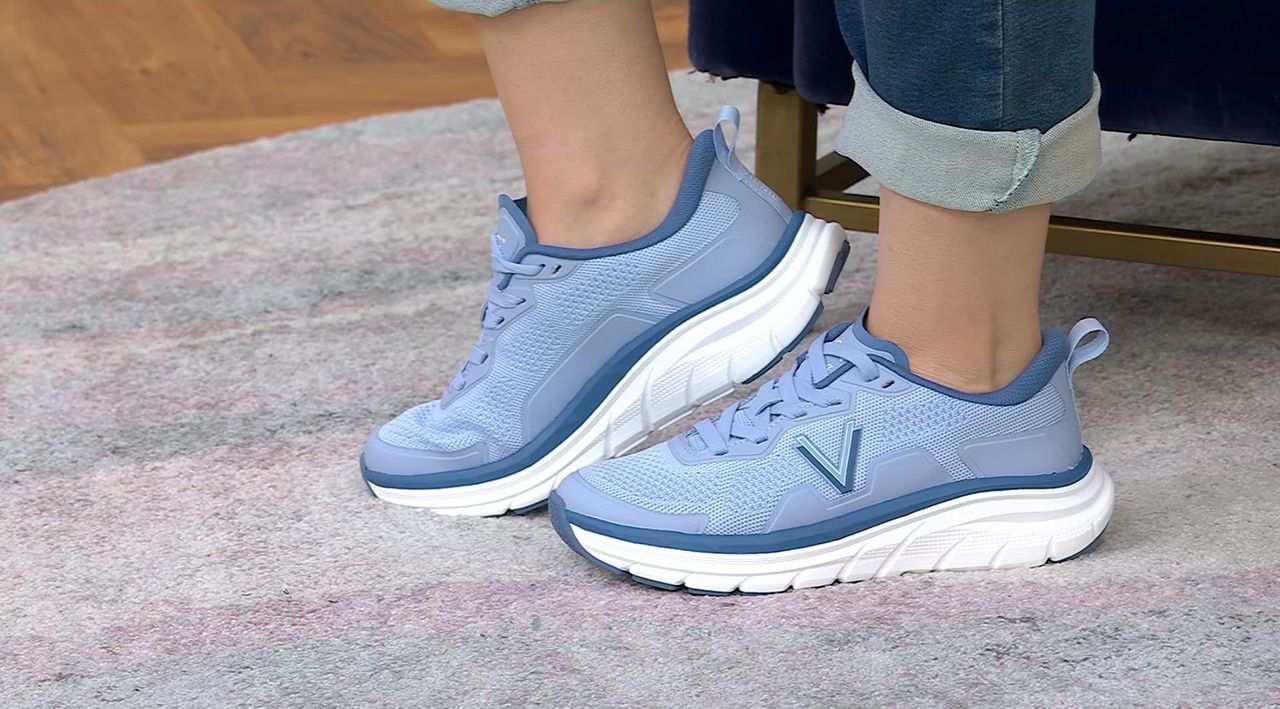
Many brands offer “comfort” via a thick slab of memory foam, which, while initially soft, often fails to provide structured support and can break down quickly, allowing the foot to collapse inward. The innovation of a Vionic walking shoe lies in its integrated approach. It starts with what they term the “Vionic Motion System” or a proprietary orthotic footbed. This isn’t a generic arch support; it’s a biomechanically designed platform based on clinical principles of podiatry. The deep heel cup stabilizes the rearfoot, the arch support is precisely contoured to cradle the medial longitudinal arch (the main arch of the foot), and the forefoot is designed for optimal toe-off. This trio of features works in concert to reduce overpronation, a common culprit behind plantar fasciitis, shin splints, and knee pain. Dr. Andrew Shapiro, a spokesperson for the APMA, has noted that shoes with built-in orthotic support can play a significant role in preventative care. The Vionic walking shoe embodies this philosophy, embedding professional-grade podiatric science into its very blueprint. The result is a shoe that doesn’t just feel soft but feels right—actively guiding your foot into a healthier position with every single step you take, whether you’re running errands or exploring a new city.
A Symphony of Materials: Where Support Meets All-Day Comfort
Engineering the correct posture for the foot is only half the battle; the materials that execute this design are equally critical. The upper of a premium Vionic walking shoe often utilizes breathable mesh, leather, or suede, conforming to the foot without constriction. The midsole, frequently composed of lightweight yet responsive EVA or polyurethane, provides the necessary shock attenuation—absorbing the jarring impact of heel strike that travels up your skeleton. The outsole is designed for durable traction, ensuring stability on varied surfaces. But the magic is in the synergy. The firm, supportive orthotic footbed works with the cushioning midsole, not against it. This creates a dual sensation: the secure, “held” feeling of proper alignment paired with the gentle cushioning of each step. It’s the difference between sinking into a soft, unsupportive sofa and sitting in an ergonomically designed chair that supports your spine. The former offers immediate but fleeting comfort that leads to stiffness; the latter provides sustained, structural comfort. This material science is what allows you to move from morning to night without that desperate urge to kick your shoes off, because they are actively working to reduce fatigue, not contribute to it.

Dissolving the Style Compromise: Wellness Wear You’ll Want to Wear
The historical stigma of “orthopedic shoes” being clunky and unfashionable has been thoroughly dismanted by modern design. Today, wellness is a lifestyle, and the aesthetics of our tools matter. A Vionic walking shoe is conceived with this ethos at its core. Design teams work to translate biomechanical necessities into sleek, contemporary silhouettes. You’ll find clean lines, versatile color palettes (from classic whites and blacks to muted pastels and bold accents), and designs that seamlessly bridge the gap between athletic wear and casual fashion. They are shoes that look at home paired with athleisure wear, jeans, or even summer dresses. This intentional design philosophy speaks to a broader cultural shift noted by influencers and lifestyle experts. As fashion commentator and author Alyson Walsh famously advocates in her book “Style Forever,” true style is about feeling confident and comfortable in what you wear. When your shoes eliminate pain and fatigue, they cease to be just an accessory and become a source of confidence. You’re not just wearing shoes; you’re wearing a solution—one that empowers your mobility and complements your personal expression without shouting its technical specifications.
The Testimonials of Motion: Voices from the Community
Scientific explanation and design theory are compelling, but the most powerful evidence often comes from lived experience. Across platforms like YouTube, dedicated review blogs, and community forums, a consistent narrative emerges from long-term wearers of Vionic walking shoes. Nurses who log 12-hour shifts on hard hospital floors speak of a dramatic reduction in lower back and leg pain. Travelers detail how they explored European cobblestone streets for days without the typical foot agony. Individuals with diagnosed conditions like plantar fasciitis describe the shoes as a pivotal part of their recovery and daily management. One reviewer on a popular wellness site wrote,
“After years of buying ‘cute’ shoes and suffering in silence, I finally invested in Vionics. The first week was an adjustment as my feet acclimated to real support. By the second week, the chronic ache in my heels that I had accepted as normal was simply… gone. It wasn’t a miracle; it was just proper engineering finally giving my feet what they needed.”
These accounts form a collective testament. They move the discussion from theoretical benefits to tangible, life-enhancing results. The shoes become more than a product; they are a tool for reclaiming an active, pain-free life.

Your Investment in Movement: Value Beyond the Price Tag
It’s true that shoes built with this level of podiatric science and quality materials represent an investment. However, the true cost must be evaluated holistically. Consider the alternative: the cycle of purchasing cheaper, unsupportive shoes that lead to discomfort, potentially contributing to medical issues that require professional intervention, custom orthotics, physical therapy, or even time off work. The initial savings are quickly negated. A well-constructed Vionic walking shoe is designed for durability, with high-quality outsoles and reinforced stitching meant to last through hundreds of miles. Furthermore, the brand frequently offers seasonal sales, promotional discounts, and bundle deals, making this professional-grade footwear more accessible. When you factor in the direct value of all-day comfort, the preventative health benefits, and the longevity of the product, the cost-per-wear becomes remarkably low. You are not buying a disposable fashion item; you are investing in the foundation of your daily mobility and well-being. It’s a proactive choice for your body’s future, ensuring that your passion for walking, exploring, and simply living life on your feet is supported every step of the way.

The narrative that we must choose between what feels good and what looks good is finally obsolete. The integration of podiatric science, advanced material technology, and conscious design has given rise to footwear that honors the body without sacrificing personal style. It’s a recognition that our feet are not separate from our lives but the very vehicles that carry us through them. When you lace up a shoe built on the principles of biomechanical alignment, you are doing more than getting dressed. You are making a decision to move through your world with greater ease, stability, and confidence. You are choosing to listen to the subtle language of your body and respond with intelligent support. So, step away from the compromise. Step into a day where your footwear is an ally, not an adversary, and discover how the right foundation can transform not just your walk, but your entire outlook.
