

The Best Tennis Shoes for All-Day Walking Comfort
When the line between dedicated walking shoes and versatile athletic footwear blurs, a specific category emerges as a champion for urban explorers, busy professionals, and anyone whose day is measured in steps rather than hours: the right pair of tennis shoes for walking. This isn’t about repurposing a worn-out court shoe for a casual stroll. It’s about recognizing that modern tennis footwear, engineered for lateral stability, cushioning, and durable support, possesses inherent qualities that translate exceptionally well to the sustained, forward-moving gait of all-day walking. The quest for the perfect shoe is a pursuit of biomechanical harmony, where scientific design meets personal comfort, transforming a mundane necessity into a tool for enhanced daily living.
The Unlikely Synergy: Tennis Engineering Meets Walking Biomechanics
At first glance, tennis and walking seem to demand opposite things from footwear. Tennis is a game of explosive sprints, sudden stops, and aggressive lateral cuts. Walking is a repetitive, linear, and lower-impact motion. However, the engineering principles that make a great tennis shoe are precisely what can make it an outstanding walking companion. Let’s dissect the core components. A tennis shoe is built on a foundation of stability. Brands like ASICS, a company whose name is an acronym for the Latin phrase “Anima Sana In Corpore Sano” (a sound mind in a sound body), invest heavily in technologies like the Trusstic System to reduce midsole twisting. This translates to a walking shoe that prevents excessive foot roll, a common cause of fatigue and injury over long distances. The cushioning systems, such as Nike’s Air units or Adidas’s Boost foam, originally designed to absorb the impact of hard court landings, provide exceptional shock dissipation for the relentless pounding of pavement on the heel and forefoot during a walk. Furthermore, the durable outsoles of tennis shoes, made from high-abrasion rubber like Adiwear or Duralon, offer longevity that often surpasses that of many lightweight walking-specific models, making them a cost-effective choice. The University of Pittsburgh’s Human Performance Lab has published literature emphasizing that footwear stability is a critical factor in reducing energy expenditure and muscle fatigue during prolonged ambulation, a principle directly leveraged in premium tennis designs.

Decoding the Foot’s Language: Cushioning, Support, and Fit
Your foot communicates through pressure, strain, and comfort. Choosing a tennis shoes for walking requires fluency in this language. The first dialect is cushioning. As noted by Dr. Casey Kerrigan, a former Harvard Medical School researcher and founder of a biomechanics-focused footwear company, “The goal of cushioning isn’t just softness; it’s energy return and impact dispersion.” Modern tennis shoe midsoles utilize advanced polymers like PEBAX (used in some New Balance Fresh Foam models) or TPU (Adidas Boost) that compress to absorb shock and then spring back, propelling you forward with less effort. This is the scientific rebuttal to the old belief that a firmer sole is better for walking. The second dialect is support, particularly arch support. This isn’t about a rigid, intrusive structure but about guided stability. A well-designed tennis shoe often incorporates a medial post—a denser material on the inner side of the midsole—to prevent overpronation. As fitness expert and author of several walking guides, Sarah Smith, often states on her popular YouTube channel, “Overpronation on a three-mile walk might be negligible. Over ten miles, it’s a recipe for shin splints and knee pain.” The final, and most personal, dialect is fit. Your walking shoe should have a thumb’s width of space in the toe box to allow for natural foot splay and swelling that occurs after miles of walking. The heel must be locked in without slippage to prevent blistering. This trifecta—adaptive cushioning, intelligent support, and a precision fit—forms the holy grail of all-day comfort.

Beyond the Hype: Material Science and Breathability
Walking all day subjects your feet to a microclimate of heat and moisture. The upper material of your shoe is your first line of defense. Early tennis shoes were often heavy leather, but today’s iterations use engineered meshes, synthetic knits, and strategic thermoplastic polyurethane (TPU) overlays. A shoe like the Nike Court Air Zoom Vapor Cage incorporates a lightweight, breathable mesh that promotes airflow, a feature equally valuable on a long walk as on a sun-baked court. The importance of this cannot be overstated. As per resources on Quora and health-focused websites like Verywell Fit, a damp foot environment significantly increases the risk of blisters, fungal infections, and general discomfort. Furthermore, material science contributes to weight reduction. Every gram saved in shoe weight is energy conserved over thousands of steps. A study cited in literature from the University of Colorado Boulder’s Locomotion Laboratory suggested that reducing shoe weight by 100 grams can decrease metabolic cost by about 1%. Therefore, a modern, mesh-and-synthetic tennis shoes for walking that weighs 300 grams offers a tangible energetic advantage over a traditional 500-gram walking shoe. This marriage of breathability and lightweight construction is a silent contributor to enduring comfort.
A Curated Walkthrough: Key Models and Technologies
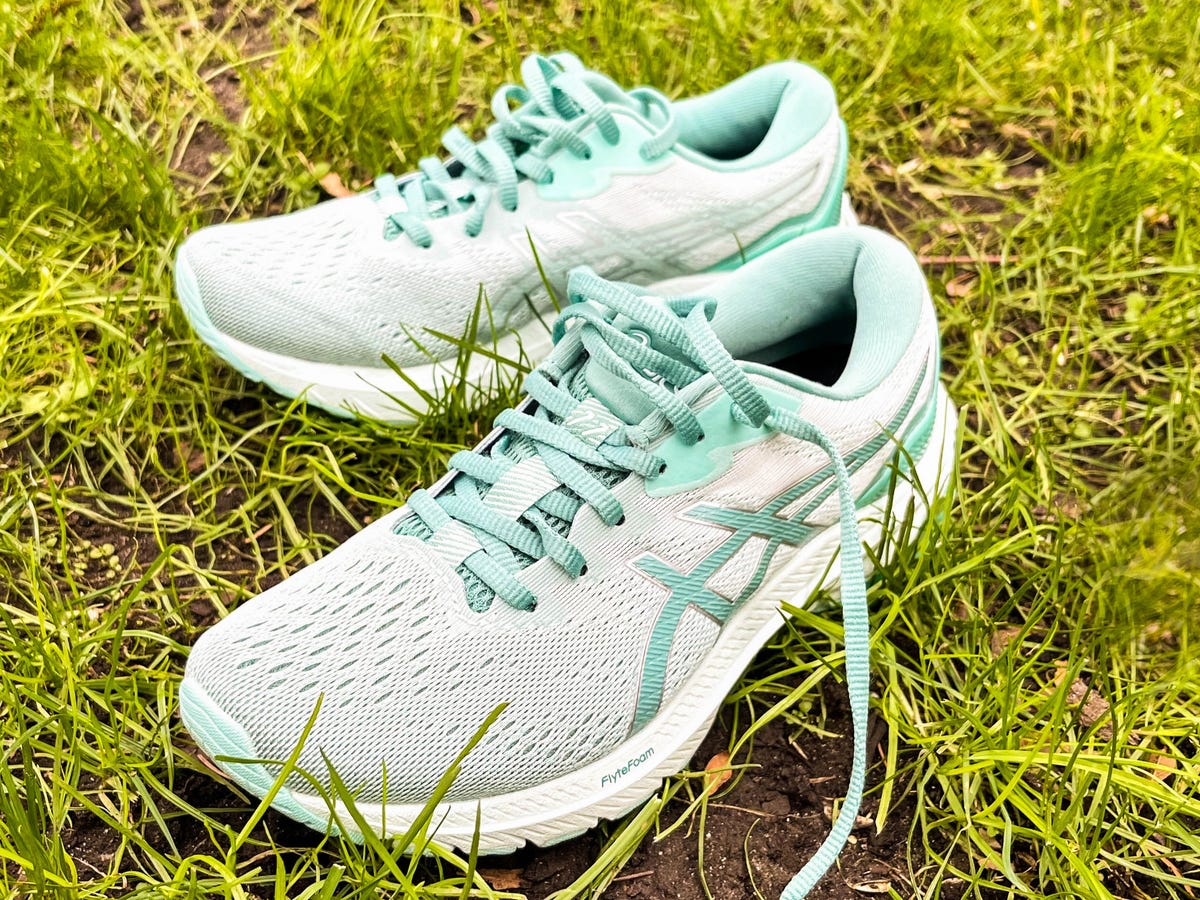
The market offers a spectrum of tennis-inspired shoes suitable for walking. Let’s examine a few archetypes through the lens of their core technology and walking suitability. First, the cushion-focused pillar. The ASICS Gel-Resolution series, renowned for its rearfoot and forefoot GEL cushioning systems, is exemplary. This silicone-based gel attenuates shock waves upon impact, a technology ASICS claims is inspired by the shock-dissipating properties of water-filled insoles used by astronauts. For a walker, this means less joint stress. Second, the stability and durability pillar. The Adidas Barricade line, historically known for its tough outsole warranty, features Adiwear rubber and a Torsion System for midfoot integrity. As tennis legend Andre Agassi once noted in an interview about his demanding play style, “You need a shoe that can survive the punishment and still support you.” This durability directly benefits the walker looking for long-term value. Third, the modern hybrid. Shoes like the New Balance Fresh Foam Lav, while designed for the court, utilize a data-mapped, single-piece midsole made from Fresh Foam X. This provides a plush, yet responsive, ride that feels less “court-specific” and more adaptable to varied surfaces, from asphalt to park trails.
Investing in Your Stride: Value Beyond the Price Tag
Professional knowledge must intersect with practical economics. A common misconception is that the best shoes are invariably the most expensive. While premium models from ASICS, Nike, or Adidas often retail between $120 and $180, their value is realized over hundreds of miles. The cost-per-walk metric becomes favorable. However, savvy shoppers can access this performance at discounted prices. End-of-season sales, online retailer clearances (like those on Amazon), and outlet stores frequently offer previous generations of top-tier models at 30-50% off. The technological leap between model years is often incremental, making a discounted “last year’s model” an exceptionally smart buy. For instance, the ASICS Gel-Resolution 8, while succeeded by the 9th iteration, still provides 95% of the performance at a fraction of the cost. This approach brings professional-grade biomechanical support within reach. Remember, investing in a quality pair of tennis shoes for walking is an investment in preventative health, potentially saving on future costs related to foot, knee, or back issues. It’s a decision that pays dividends in comfort and well-being with every step.
:max_bytes(150000):strip_icc()/vwt-walking-shoes-test-ryka-devotion-x-sahara-borja-02-18807b688fbb49e4ba30a3ee438600cb.jpeg)
The Personal Equation: Listening to Your Body’s Feedback
All the scientific data and celebrity endorsements mean little if the shoe doesn’t work for you. The final arbiter is your own body. After selecting a potential pair of tennis shoes for walking, commit to a thorough test. Walk on hard indoor surfaces to listen for any uncomfortable pressure points. If possible, try them on later in the day when your feet are naturally more swollen. Pay attention to the wear patterns on your old shoes; they are a map of your gait. Do you wear down the inside heel? You may need more stability. Is the forefoot compressed flat? Prioritize cushioning. This process is akin to the philosophy expressed in the book Born to Run by Christopher McDougall, which, while advocating for minimalism, underscores the universal truth that footwear should be a tool that complements your natural movement, not a cage that restricts it. Your ideal walking companion should feel secure yet liberating, supportive yet invisible, allowing you to focus on the journey, not your feet.
The search for all-day walking comfort finds a powerful answer in the thoughtfully selected tennis shoe. It is a convergence of proven athletic engineering, material innovation, and personalized fit. By understanding the science of cushioning and support, recognizing the value in durable construction, and making informed choices based on both technology and budget, you equip yourself with more than just footwear. You secure a foundation for miles of confident, comfortable exploration, proving that the right tool for the job isn’t always the most obvious one—sometimes, it’s the one built for a different, yet wonderfully compatible, kind of motion.
