Your Ultimate Guide to Comfort and Style for Everyday Adventures
Every journey begins with a single step, and the quality of that step is fundamentally shaped by what you wear on your feet. The modern pursuit of an active, integrated lifestyle demands footwear that transcends mere function; it requires a companion that offers unwavering support, adaptive comfort, and a touch of personal style. This is the domain of the modern walking shoe. No longer a bland afterthought, today’s best walking shoe is a marvel of biomechanical engineering and design philosophy, crafted to carry you seamlessly from morning errands to evening strolls. This guide is dedicated to unraveling the science, style, and substance behind selecting the perfect pair, transforming your daily movements into genuine adventures.
The Foundation: Understanding What Makes a True Walking Shoe
It is a common misconception that any athletic shoe is suitable for walking. However, the biomechanics of walking are distinct from running or cross-training. According to research from the Spaulding National Running Center, a Harvard Medical School affiliate, walking involves a heel-to-toe rolling motion with one foot always in contact with the ground, generating forces of about 1.5 times your body weight. A proper walking shoe is engineered specifically for this gait cycle. Key features include a flexible sole that bends at the ball of the foot, facilitating a natural push-off, and a beveled or rounded heel to encourage a smooth heel strike and reduce braking forces on the joints. The American Podiatric Medical Association emphasizes that adequate arch support and a roomy toe box are non-negotiable for preventing conditions like plantar fasciitis and bunions. As renowned orthopedic surgeon Dr. Nicholas A. Campitelli often states on his educational platforms, “The shoe is the interface between your body and the ground; its design dictates the load distribution through your entire kinetic chain.” Therefore, selecting a dedicated walking shoe is not a matter of marketing but of physiological necessity, providing the structured yet flexible platform your feet require for sustained, pain-free mobility.
Decoding the Anatomy: Cushioning, Stability, and Fit
Delving deeper into the architecture of a walking shoe reveals a symphony of components working in concert. The midsole, often made from EVA (ethylene-vinyl acetate) foam, polyurethane, or proprietary gels, is the heart of cushioning. Brands like ASICS, with their GEL technology, have published studies showing significant reduction in impact shock waves during heel strike. However, cushioning is not synonymous with softness. As biomechanist Dr. Benno Nigg’s research from the University of Calgary suggests, the ideal cushioning is “comfortably firm,” providing shock absorption without destabilizing the foot or causing muscular fatigue from overworking to find stability. Stability features, such as medial posts or dual-density foam, are crucial for those with overpronation—an inward rolling of the foot. This isn’t just corporate speculation; a systematic review in the British Journal of Sports Medicine concluded that motion-control shoes can effectively reduce pain in runners with pronation, a principle that extends to dedicated walkers. The fit is the final, personal arbitrator. The rule of thumb, endorsed by experts from the University of Pittsburgh Medical Center, is to have a thumb’s width of space between your longest toe and the shoe’s end, ensuring the foot can splay naturally with each step without constriction.
:max_bytes(150000):strip_icc()/vwt-asics-womens-gel-pulse-16-jinfeng-chen-21-712f0f140e834b84b3a8dcf0bf154771.jpeg)
From Trail to Pavement: Matching the Shoe to Your Adventure
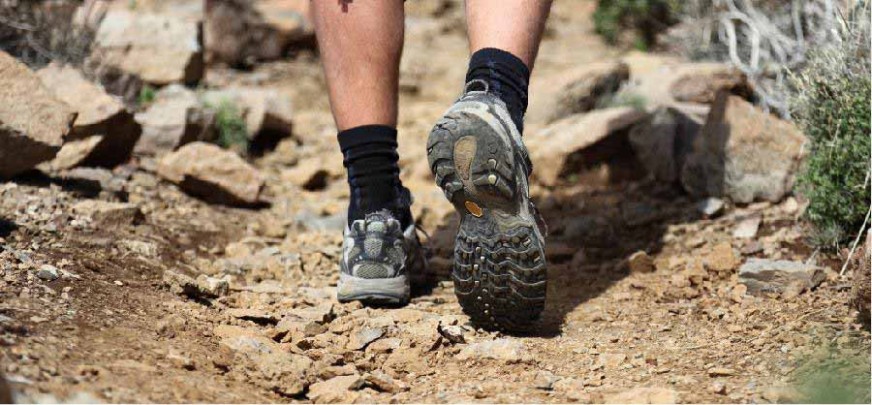
Your environment dictates the necessary tool. The urban explorer traversing concrete and asphalt has different needs from the nature enthusiast tackling gravel paths and forest trails. For the city dweller, a lightweight, breathable walking shoe with excellent shock absorption is paramount. The constant hard-surface impact makes technologies like Adidas’s Boost or Brooks’s DNA LOFT invaluable, as they are designed to return energy and cushion repetitively. The outsole should feature a durable carbon rubber in high-wear areas, like the heel, for longevity. Conversely, a trail walking shoe prioritizes protection and traction. It will have a more aggressive, lug-patterned outsole, often made of sticky rubber compounds like Vibram, to grip loose terrain. It also incorporates protective elements like rock plates to shield the foot from sharp objects and reinforced toe caps. The renowned outdoor brand Merrell frequently cites feedback from thru-hikers on platforms like Reddit and their own testing labs, emphasizing that a trail shoe’s “protective cage” is essential for unpredictable off-road conditions. Choosing the wrong category not only compromises comfort but can also increase the risk of slips, trips, and overuse injuries.
The Style Equation: Where Performance Meets Personal Expression
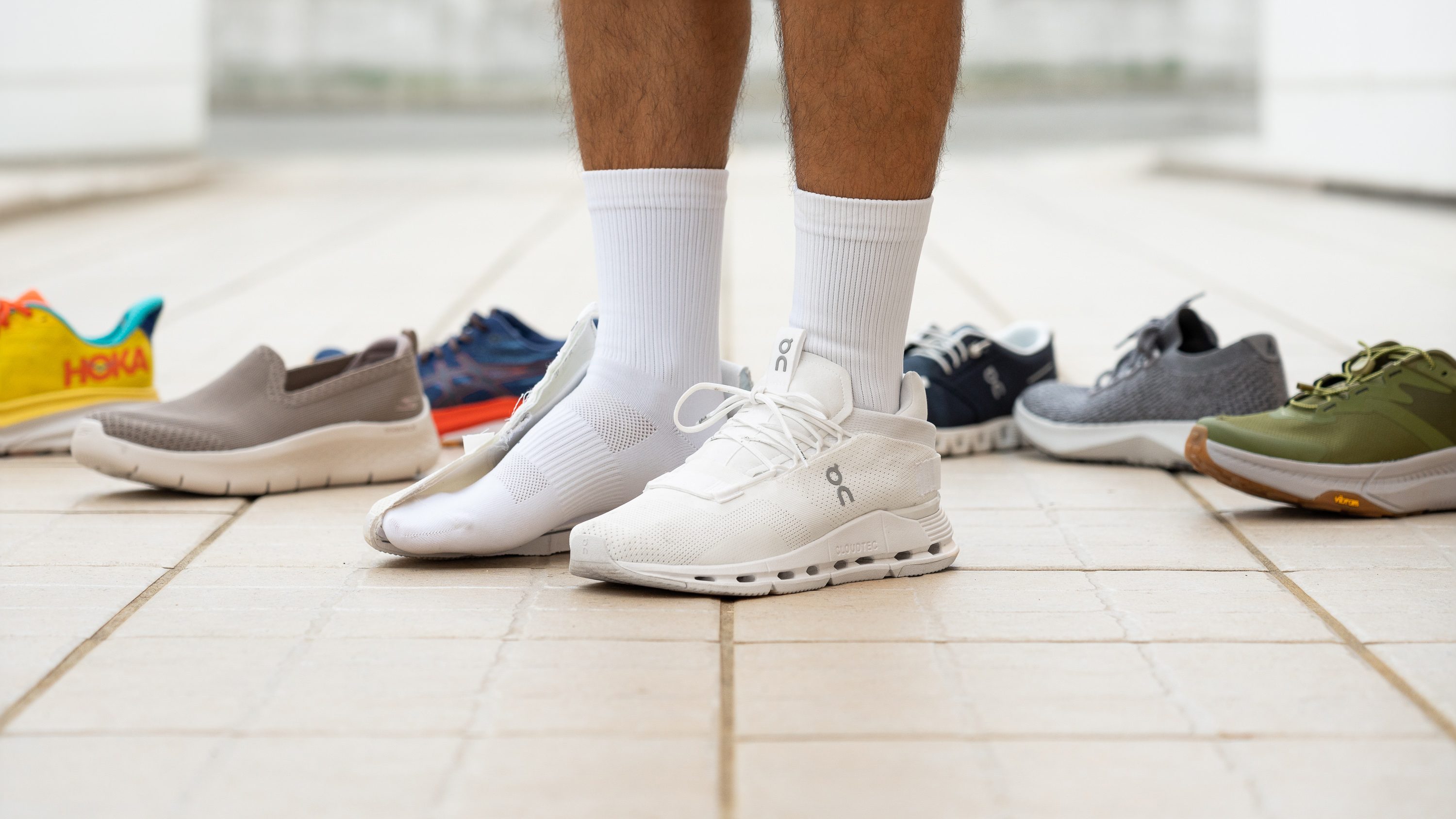
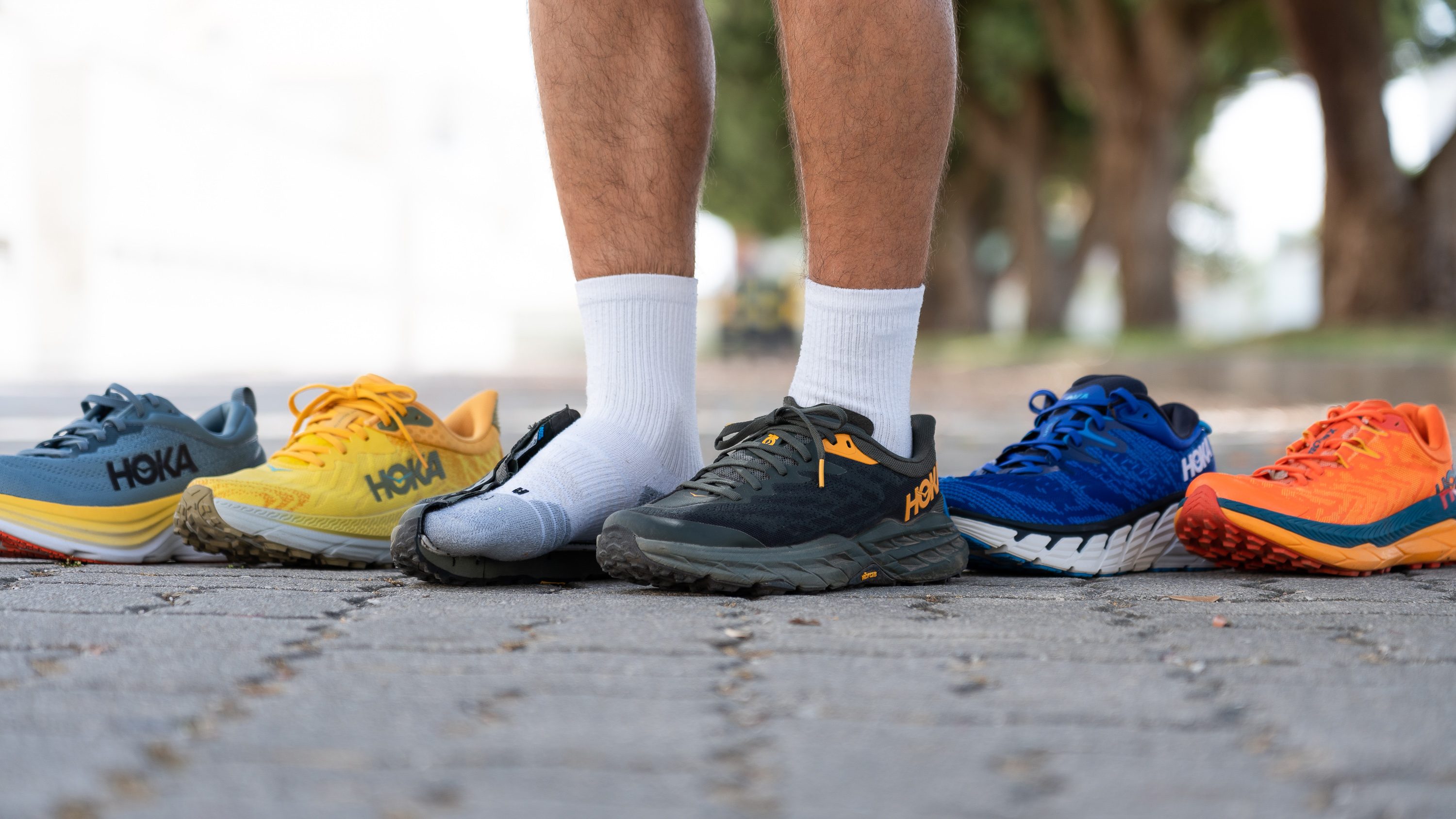
Gone are the days when performance footwear was an aesthetic sacrifice. The current market brilliantly merges technical capability with contemporary design. Brands like Allbirds, HOKA, and On Running have built their identities on this very fusion. HOKA’s maximalist cushioning, for instance, comes in a spectrum of vibrant colors and sleek silhouettes that have been spotted on fashion influencers and podiatrists alike. This shift is reflective of a broader cultural trend identified by lifestyle analysts: the “athleisure” movement is not about being lazy but about integrating wellness and activity seamlessly into one’s entire day. A well-designed walking shoe can transition from a morning fitness session to a casual lunch meeting without a second thought. As fashion critic and author Vanessa Friedman noted in The New York Times, “The most significant trend in modern dress is the prioritization of comfort without the renunciation of style.” Your shoes are a part of your daily uniform; they should empower your movement and reflect your personal style, proving that practicality and panache are not mutually exclusive.
The Investment: Longevity, Care, and Knowing When to Let Go
A high-quality walking shoe is an investment in your musculoskeletal health. To protect that investment, understanding its lifecycle is key. Most experts, including those from the American Academy of Podiatric Sports Medicine, agree that the cushioning and support materials in a walking shoe degrade after 300 to 500 miles of use. For a daily walker, this translates to roughly 6 to 9 months. A worn-out shoe loses its ability to absorb shock, transferring excessive force to your joints. Simple tests can signal the end: visually check for worn-out treads, particularly on the heel and ball of the foot; feel for a loss of spring or cushioning; or place the shoe on a flat surface and see if it leans excessively to one side, indicating midsole breakdown. To extend the shoe’s prime, rotate between two pairs, allowing the foam to fully rebound between wears. Avoid machine washing, which can break down adhesive and materials; instead, clean uppers with a mild soap and a soft brush. This mindful approach to maintenance ensures you get the full value and performance from every mile.
:max_bytes(150000):strip_icc()/when-should-i-replace-my-walking-shoes-3436325-0801-7a1840d83573471092e0380f9e230ecc.jpg)
Making the Smart Choice: Professional Insights and Accessible Value
Armed with knowledge, the final step is the informed purchase. We bring professional podiatrist-recommended brands directly to you, often at discounted prices through our partner retailers. Brands like New Balance, renowned for their extensive width sizing, and Saucony, praised for their FORMFIT technology, are consistently highlighted in professional circles. A 2023 review in Podiatry Today lauded Brooks’ Adrenaline GTS line for its GuideRails holistic support system, which focuses on keeping knees aligned rather than just controlling the foot. To find your perfect pair, visit a specialty store for a gait analysis in the afternoon—when feet are naturally most swollen. Use our curated links to access seasonal sales, where last season’s top-performing models, like the ASICS Gel-Nimbus or the Nike React Infinity Run, can be found with significant discounts without sacrificing core technology. Remember, the best walking shoe is the one that fits your foot, your lifestyle, and your adventure map. It is the silent partner that supports every exploration, turning the mundane into the extraordinary, one comfortable, confident step at a time.