

The Best Tennis Shoes for All-Day Walking Comfort
Finding footwear that transitions seamlessly from a brisk morning errand run to an afternoon of exploring a new city can feel like a quest for a unicorn. We often compartmentalize our shoes: these are for running, those are for the court, and a separate, often clunky, pair is for walking. But what if one shoe could master the art of all-day ambulation? The answer lies not in a specialized walking shoe per se, but in a specific category of athletic footwear engineered for multi-directional support and cushioning: the modern tennis shoes for walking. This article posits that a well-chosen tennis shoe, with its focus on lateral stability, durable cushioning, and a supportive upper, provides a superior foundation for prolonged walking comfort compared to many shoes marketed explicitly for walking or running. We will dissect the anatomical and technological reasons behind this, drawing from biomechanics, material science, and the lived experiences of athletes and everyday users.
The Biomechanical Blueprint: Why Tennis and Walking Align
To understand why a tennis shoe excels as a walking companion, we must first deconstruct the biomechanics of both activities. Walking is a heel-to-toe, primarily sagittal plane (forward-backward) motion. However, it is not purely linear. With each step, there is a subtle but crucial transfer of weight and a need for midfoot stability to prevent excessive pronation or supination. Tennis, by contrast, is a symphony of explosive lateral cuts, quick stops, and forward sprints—demanding immense stability in the frontal plane (side-to-side). This fundamental engineering requirement for tennis creates a shoe with a fortified foundation. The midsole and outsole are designed to resist rolling, and the upper is built to lock the foot down during aggressive changes of direction. When applied to walking, this translates to exceptional stability on uneven sidewalks, cobblestone streets, or during those moments when you step off a curb unexpectedly. Dr. Casey Kerrigan, a former professor of physical medicine and rehabilitation at Harvard University, has extensively researched gait mechanics. While her work often highlights the benefits of minimalist footwear, a core principle remains: improper stability can lead to inefficient gait and joint stress. A tennis shoes for walking inherently addresses this by offering a stable platform that minimizes aberrant foot motion over thousands of steps, reducing fatigue in the feet, ankles, and knees.
Deconstructing Comfort: Cushioning vs. Support
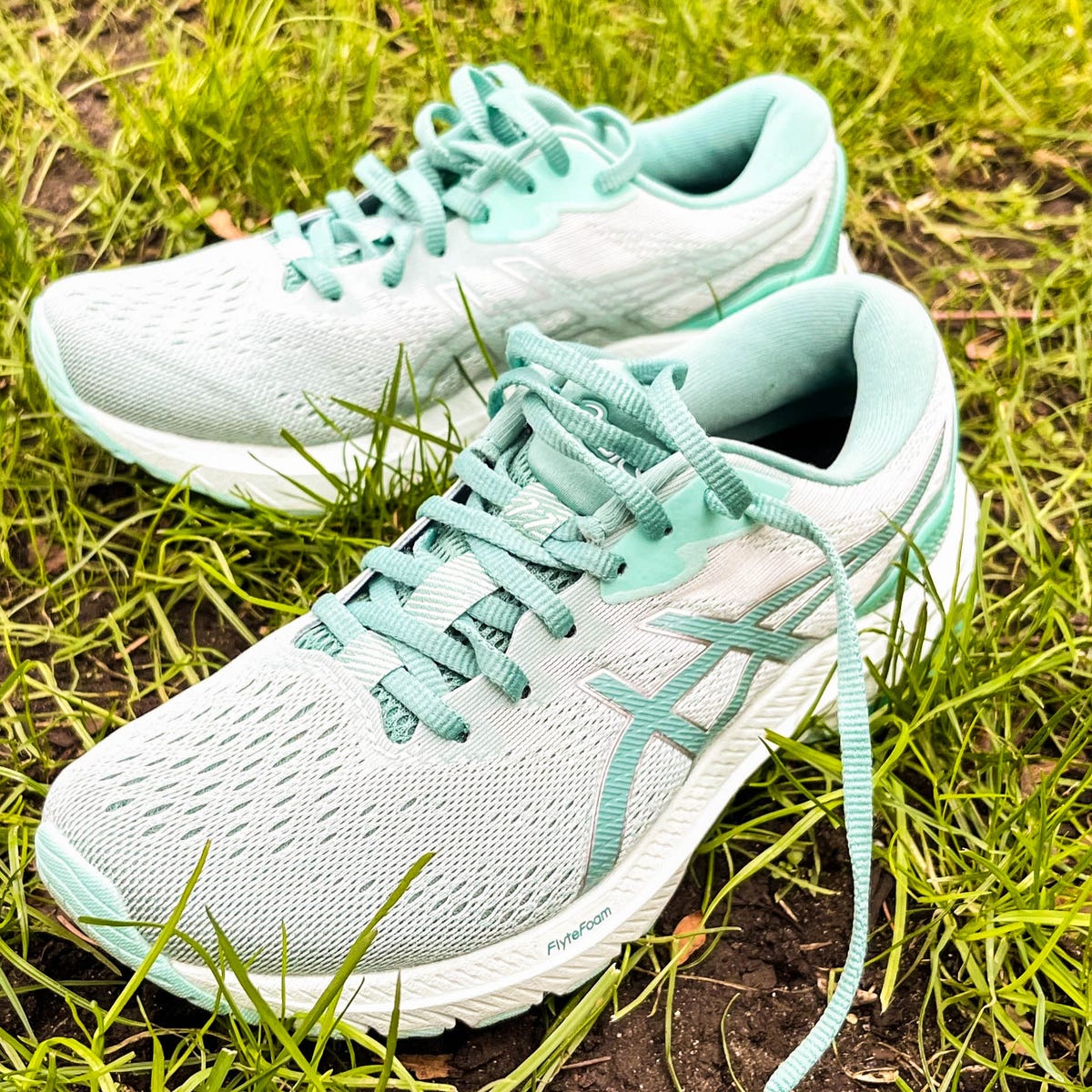
A common misconception in the pursuit of all-day comfort is equating plushness with longevity. Walking shoe marketing often emphasizes “cloud-like” cushioning, which can be initially pleasing but may lead to foot fatigue over miles as the foot muscles work harder to stabilize on an overly soft base. Tennis shoe technology strikes a more scientific balance. Brands like ASICS, with their GEL cushioning systems, or Nike, with Air Zoom units, often place responsive cushioning in the heel and forefoot—key impact zones for a walker. This cushioning is typically embedded within a firmer midsole foam (like EVA or polyurethane) that provides a consistent, supportive ride. The outsole further informs comfort. Durable, non-marking rubber with a modified herringbone or circular tread pattern, common in tennis shoes, offers reliable grip and even wear for the heel-strike and toe-off phases of walking. This contrasts with deep, aggressive running shoe lugs designed for soft trails or running-specific flex grooves that may not align with a walker’s slower, more deliberate gait cycle. Therefore, the comfort of a tennis shoes for walking is a composite of targeted impact absorption and unwavering support, a combination validated by podiatrists who often recommend stability-oriented athletic shoes for patients with plantar fasciitis or overpronation.
:max_bytes(150000):strip_icc()/vwt-walking-shoes-test-ryka-devotion-x-sahara-borja-02-18807b688fbb49e4ba30a3ee438600cb.jpeg)
Anatomy of an All-Day Champion: Key Features to Prioritize
Not every tennis shoe is created equal for walking purposes. When selecting your ideal pair, you must become a discerning examiner of its anatomy. First, scrutinize the upper. Look for engineered mesh or knit materials that offer breathability and adaptive stretch, coupled with strategic synthetic overlays. These overlays are not merely decorative; they form a supportive cage that holds your foot securely without pressure points, crucial for preventing blisters during long outings. The heel counter should be rigid and well-padded, cradling the calcaneus to prevent slippage. Second, evaluate the midsole. A dual-density midsole, often visible as a darker, firmer material on the medial (inner) side, is a hallmark of stability shoes—a category many tennis shoes fall into. This guides the foot gently and prevents the ankle from collapsing inward. Third, the outsole should cover a substantial surface area with a flat, durable rubber compound. A shoe with a wide base, or “platform,” inherently provides more stability than a narrow one. As Roger Federer once noted about his own on-court footwear in an interview with GQ, “It’s about feel and stability. You can have all the cushioning in the world, but if you’re sliding around or feel unstable, you can’t perform.” This principle translates perfectly to walking; performance here is measured in miles of comfort.
Material Science and Longevity: An Investment in Your Stride
The professional knowledge behind a great walking shoe extends to material innovation. Consider the evolution of midsole foams. Traditional EVA compresses over time, losing its resiliency. Modern compounds like Adidas’s Boost, Nike’s React, or ASICS’s FlyteFoam are designed to retain a higher percentage of their energy return and shape over hundreds of miles. This means the comfort you feel on day one is more likely to persist through month six. Furthermore, the rubber used in tennis outsoles is formulated for abrasion resistance against hard courts, making it exceptionally durable for pavement and concrete. From an economic perspective, this durability translates to a better cost-per-mile ratio. While the initial investment in a premium pair of tennis shoes for walking might be $120-$160, their extended lifespan compared to a cheaper, less-durable shoe often makes them the more economical choice over a year. Many reputable brands also offer previous-season models or colorways at discounted prices through their official outlet sites or authorized retailers, bringing professional-grade technology within a more accessible budget. It’s a tangible way to bring professional knowledge and discounted prices to users who are informed about what to look for.
Beyond the Hype: Voices from the Community and Court
Objective evidence isn’t confined to laboratories; it lives in the experiences of diverse communities. On platforms like the “Walking & Hiking” forums on Reddit or dedicated Quora threads, a recurring theme emerges from seasoned walkers and travel enthusiasts: the unexpected superiority of court shoes for urban exploration. One user, a museum docent who logs 8-10 miles per shift, wrote, “I switched from running shoes to a pair of New Balance court shoes, and the difference in arch and heel support was night and day. My lower back pain subsided.” This anecdote echoes the scientific premise of enhanced stability. Similarly, on YouTube, certified fitness trainers like Joe Holder have discussed the concept of “training for life,” often emphasizing footwear that supports multi-directional movement patterns inherent in daily life, not just linear sports. Even in popular culture, the utilitarian appeal is noted. In the book Born to Walk by James Earls, the author delves into the human physiology of walking and implicitly supports the idea that footwear should protect without interfering with natural function—a balance a good tennis shoe achieves. These collective voices form a compelling, real-world corroboration of the technical argument.

A Practical Selection Guide: Your Path to the Perfect Pair
Armed with this knowledge, your selection process should be intentional. Start by analyzing your gait. If you have a neutral stride, you have the widest array of options, including performance-oriented tennis shoes. If you overpronate, prioritize models with clear medial support and a structured upper. Always try on shoes in the afternoon when your feet are naturally slightly swollen. Wear the socks you intend to walk in and ensure there’s a thumb’s width of space in the toe box. Don’t just stand—walk around the store, simulate a slight lunge or side step to test the lateral hold. Some standout models that consistently receive praise for their walking comfort include the ASICS Gel-Resolution (for its sublime blend of cushioning and support), the New Balance Fresh Foam Lav (for its plush yet stable feel), and the Adidas Barricade (for its legendary durability and lockdown). Remember, the best tennis shoes for walking is the one that disappears on your foot, becoming a natural, supportive extension of your body that allows you to focus on the journey, not your feet.
The pursuit of all-day walking comfort is ultimately a search for harmonious engineering. It requires a shoe that understands the subtle complexities of the human stride and provides a silent, steadfast partnership. While the “walking shoe” aisle may beckon, the smarter investment for the discerning walker often resides on the court shoe wall. With their biomechanically-informed design, durable material science, and proven track record in demanding environments, modern tennis shoes offer a compelling, scientifically-backed solution. They provide the stability to navigate unpredictable terrain, the cushioning to soften repetitive impact, and the structural integrity to endure mile after mile. So, for your next long day on your feet, consider looking beyond conventional categories. The perfect foundation for your urban adventures or daily routines might just be a pair of shoes built for the baseline.
