

The Walking Shoe: Your Secret to Effortless Style and All-Day Comfort
In the rhythm of modern life, where every step counts, the choice of footwear transcends mere fashion. It becomes a declaration of how we navigate our world—a balance between aesthetic desire and physical necessity. The humble walking shoe has evolved from a purely functional item into the cornerstone of a practical, stylish, and health-conscious wardrobe. This isn’t about a fleeting trend; it’s about a fundamental shift towards intelligent dressing. The right pair doesn’t just carry you; it empowers you, merging biomechanical support with design elegance to create a seamless experience from dawn until dusk. Let’s explore how this unassuming hero can redefine your daily journey.
The Anatomy of All-Day Comfort: Beyond the Insole
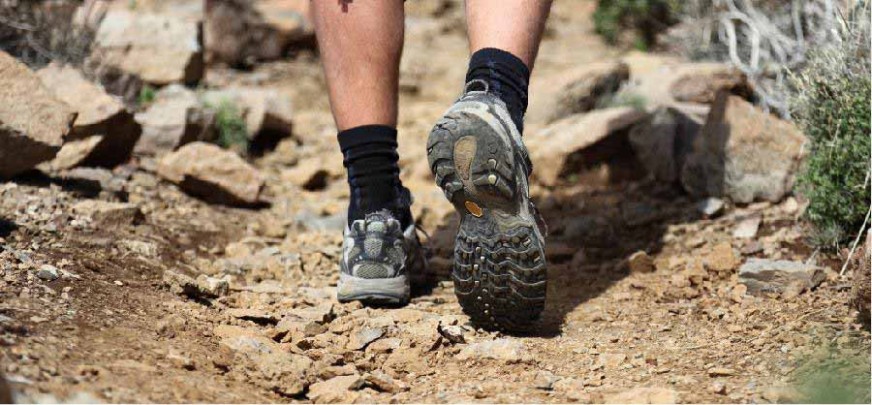
Comfort in a walking shoe is a symphony of engineering, not a single note. It begins with the midsole, often crafted from advanced materials like EVA (ethylene-vinyl acetate) foam or polyurethane. According to biomechanics literature from institutions like the University of Calgary’s Human Performance Laboratory, the midsole’s primary role is shock attenuation—dissipating the ground reaction forces that travel up the skeleton with each heel strike. A study published in the Journal of Foot and Ankle Research emphasizes that proper cushioning reduces peak pressure on the plantar fascia, potentially alleviating common ailments like plantar fasciitis. But cushioning alone is insufficient. The concept of “foot roll” or gait cycle is critical. A well-designed shoe facilitates a smooth transition from heel strike to toe-off. This is where rocker soles, a technology highlighted by brands like HOKA, come into play. They curve upwards at the toe, reducing the work required by the Achilles tendon and calf muscles. Furthermore, the upper’s construction is paramount. Materials must offer breathability, often through engineered mesh, to manage moisture and temperature, while providing structured support through overlays or a well-crafted heel counter to prevent excessive pronation or supination. True comfort is holistic, addressing impact, motion, and climate in one cohesive design.
Ergonomics and Your Physiology: A Scientific Partnership
The relationship between foot and shoe is deeply personal and physiological. The famous neurologist and author Dr. Oliver Sacks, in his explorations of human experience, indirectly celebrated the marvel of bipedal locomotion. Our feet, with their 26 bones, 33 joints, and over 100 tendons and ligaments, are evolutionary masterpieces. A walking shoe must be its ally, not its cage. Arch support is a non-negotiable element, but its nature depends on your foot type. As explained on platforms like Quora and detailed by podiatrists on YouTube channels like “The Foot & Ankle Center,” individuals with flat feet (overpronation) require motion control and stability features, while those with high arches (underpronation) need focused cushioning. The toe box is another critical zone. The “natural foot shape” movement, supported by research from Harvard University’s Skeletal Biology Lab, advocates for shoes that allow toes to splay naturally upon weight-bearing, promoting better balance and muscle engagement. Ignoring these ergonomic principles can lead to a cascade of issues, from localized foot pain to knee, hip, and even lower back problems, as the kinetic chain compensates for poor alignment. Therefore, selecting a shoe is less about the brand and more about how its construction dialogues with your unique biomechanics.
Effortless Style: Where Form Meets Function
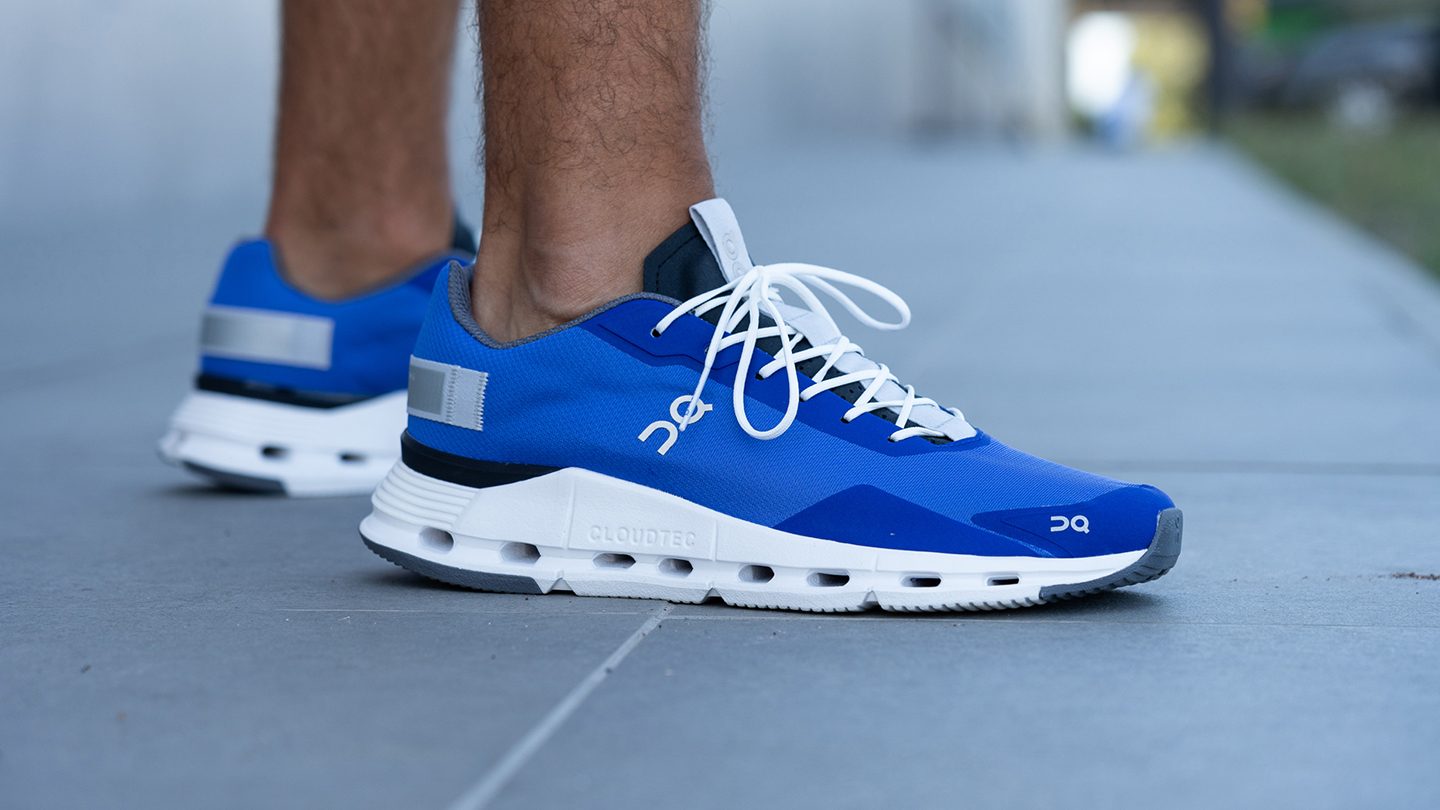
The notion that practical shoes must be aesthetically bland is a relic of the past. Today’s leading designs prove that style and substance are inextricably linked. Consider the cultural impact of the “dad shoe” trend or the enduring, minimalist appeal of brands like Cole Haan or Allbirds. These styles have been embraced by fashion icons and featured in publications from GQ to Vogue, not for their ostentation, but for their intelligent design language. The philosophy mirrors that of legendary architect Louis Sullivan: “form follows function.” The clean lines of a modern walking sneaker, the thoughtful use of color blocking, and the choice of premium, textured materials like suede or recycled knits create a visual sophistication that complements both jeans and chinos. This is style earned through purpose. As Tim Gunn, the renowned fashion consultant, often emphasizes, confidence is the ultimate accessory. And what fosters more confidence than knowing you look polished while feeling utterly supported? The modern walking shoe is a stealthy style weapon, offering versatility that transitions seamlessly from a busy workday to a casual evening out, eliminating the need for a cumbersome shoe change and elevating your entire presentation through understated competence.
:max_bytes(150000):strip_icc()/vwt-asics-womens-gel-pulse-16-jinfeng-chen-21-712f0f140e834b84b3a8dcf0bf154771.jpeg)
The Long-Term Investment: Health, Posture, and Vitality
Viewing a quality walking shoe as an expense is a short-sighted perspective; it is, in fact, a critical investment in your long-term well-being. The benefits extend far beyond avoiding blisters. Consistently wearing supportive footwear can positively influence your posture. As noted by the Cleveland Clinic, proper shoe support helps maintain the spine’s natural alignment, preventing the forward head posture and rounded shoulders exacerbated by unsupportive flats or worn-out sneakers. This has profound implications for energy levels and presence. When your foundation is stable, your entire body operates with greater efficiency. Think of the poised, effortless gait of a dancer or an athlete—it stems from a strong, well-supported base. In literature, characters known for their resilience and journey, like Tolkien’s hobbits, are invariably described as having sturdy, reliable footwear for their epic travels. Your daily urban trek is no less demanding. Furthermore, comfortable shoes encourage more walking, aligning with the World Health Organization’s recommendations for physical activity. This simple act boosts cardiovascular health, improves mood through endorphin release, and enhances cognitive function. Thus, the right shoe becomes an enabler of a more active, vibrant lifestyle, paying dividends in health that far outweigh its initial cost.
Making the Intelligent Choice: A Buyer’s Considerations
Armed with this knowledge, how does one select the perfect pair? First, prioritize fit over size. Your feet swell throughout the day, so shop in the afternoon. There should be a thumb’s width of space between your longest toe and the shoe’s end. Second, analyze your gait. Many specialty running stores offer free gait analysis, which is equally applicable to walking. Knowing if you overpronate, underpronate, or have a neutral stride is invaluable. Third, consider the primary terrain. Are you mostly on pavement, or do you incorporate park trails? A shoe with a more rugged outsole and protective plate may be necessary for mixed surfaces. Fourth, don’t be seduced by looks alone. Deconstruct the shoe’s features: check the flexibility at the ball of the foot, the rigidity of the heel counter, and the breathability of the upper. Finally, listen to the collective wisdom. Reviews on trusted sites like Runner’s World or Wirecutter, and discussions on forums like Reddit’s r/walkingshoes, provide real-world, long-term wear tests that can highlight durability issues or fit quirks not apparent in a store try-on.
Expert Voices and Tangible Value
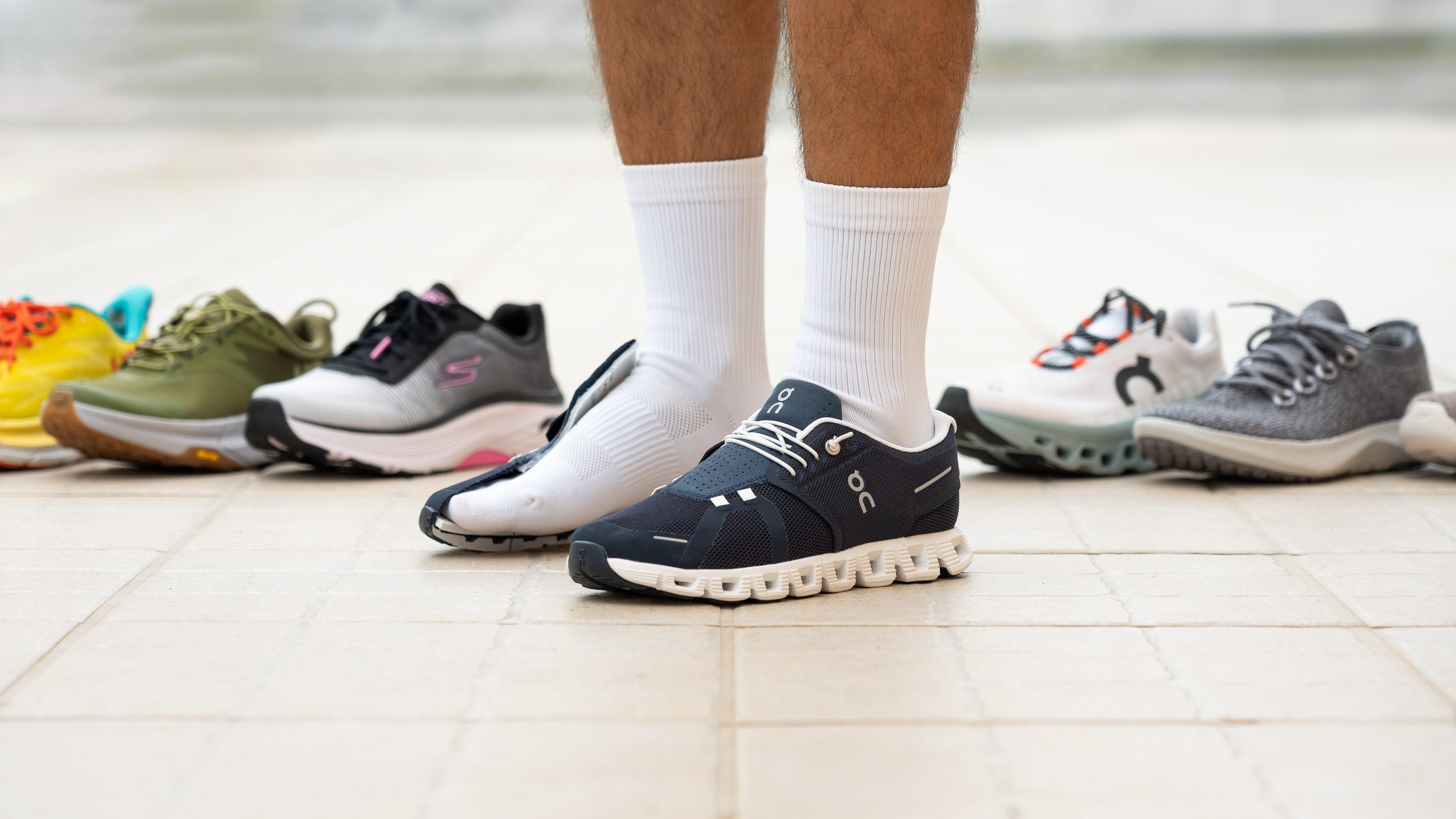
The importance of proper footwear is echoed by experts across fields. Celebrity trainer Harley Pasternak frequently tells his clients, including Hollywood A-listers, “You can’t out-train a bad shoe.” On social media platforms like Twitter, podiatrists like Dr. Brad Schaeffer regularly debunk footwear myths, advocating for shoes that “support, not squeeze.” The value proposition is clear. While premium walking shoes from brands like Brooks, New Balance, or On Running may carry a higher upfront cost, their advanced materials, durable construction, and injury-preventing design offer superior cost-per-wear value. They are engineered to last through hundreds of miles, whereas a cheaply made alternative will break down quickly, compromising support and necessitating frequent replacement. To bring this professional-grade knowledge and product directly to you, we’ve curated selections that marry cutting-edge technology with sophisticated design. And understanding that investing in yourself should be accessible, we are pleased to offer these essential tools for your journey at discounted prices, making unparalleled comfort and style an achievable reality for every step you take.
The journey toward effortless style and enduring comfort begins from the ground up. The perfect walking shoe is more than an accessory; it is the foundation upon which you build your day, a silent partner in your productivity and poise. It represents a conscious choice to honor your body’s mechanics without sacrificing your personal aesthetic. By choosing wisely, you are not just buying a shoe—you are investing in your mobility, your posture, and your overall sense of well-being. Let your next step be your most confident one.
