

The Best Tennis Shoes for Everyday Walking Comfort
Finding the perfect pair of shoes for daily ambulation is more than a matter of style; it’s a foundational investment in your physical well-being. While specialized walking shoes exist, a surprising and excellent category for this purpose is modern tennis shoes for walking. Originally engineered for the lateral cuts, quick sprints, and sustained court time of tennis, today’s iterations have evolved, incorporating technologies that translate superbly to the biomechanics of walking. This isn’t about repurposing in a pinch; it’s about recognizing how the design principles of premium tennis footwear align with the needs of the everyday walker seeking comfort, support, and durability.
The Unlikely Synergy: Tennis Engineering Meets Walking Biomechanics
To understand why a tennis shoe can be a superior walking companion, we must dissect the scientific demands of both activities. Walking is a repeated gait cycle involving heel strike, midfoot roll, and toe-off. It requires consistent cushioning to absorb the repetitive impact—often 1-1.5 times your body weight with each step—and stable support to guide the foot through this motion efficiently. Tennis, as explained by biomechanics researchers at institutions like the University of Calgary, involves multidirectional force, explosive changes in direction, and prolonged weight-bearing on the balls of the feet. Consequently, tennis shoes are built with a focus on lateral support to prevent ankle rolls, durable outsoles for varied court surfaces, and cushioning systems that manage impact from multiple vectors. When you walk in a well-designed tennis shoe, you benefit from this robust support structure. The reinforced midfoot and heel counter, essential for court stability, provide exceptional heel lockdown and arch guidance during your stride, reducing pronation-related fatigue. The cushioning, while responsive for jumps, is often ample and resilient enough to soften the repetitive heel-to-toe impact of walking. In essence, you are leveraging footwear designed for higher-stress activities for a lower-impact one, often resulting in a feeling of overbuilt security and comfort.

Decoding the Anatomy: Key Features of a Walking-Optimized Tennis Shoe
Not all tennis shoes are created equal for pedestrian use. Selecting the best tennis shoes for walking involves looking for specific anatomical features. First, examine the midsole technology. Brands like ASICS, with their GEL cushioning system—a silicone-based gel that attenuates shock waves—originally developed for running and tennis, offer exceptional impact dissipation. Adidas’s Boost foam, born from a partnership with chemical giant BASF, provides continuous energy return, keeping your steps feeling springy over miles. Nike’s React foam is lauded for its durable comfort, a claim backed by wear-test data from their Sports Research Lab. Second, the outsole is critical. A durable rubber outsole with a modified herringbone or circular tread pattern (common in tennis shoes for pivotability) offers excellent grip on pavement and lasts significantly longer than many soft running shoe outsoles. Third, consider the upper and fit. Modern tennis shoes often use engineered mesh for breathability, with strategic synthetic overlays for structure without bulk. A secure, padded heel collar and a roomy toe box are non-negotiable for preventing blisters during long walks. As renowned podiatrist Dr. Brad Schaeffer noted in a Footwear News interview, “The goal is harmonious foot containment: the shoe should hold your foot securely without any point of excessive pressure or slip.” This precise containment is a hallmark of performance tennis designs.

Beyond Marketing: The Evidence from Wear-Testers and Everyday Users
The proof of any shoe’s comfort lies in aggregated user experience. On platforms like YouTube, certified fitness influencers and physical therapists, such as Bob & Brad, have analyzed daily-wear shoes, often highlighting specific tennis-inspired trainers for their all-day support. On Quora and specialized forums like /r/Sneakers on Reddit, threads debating “all-day comfort shoes” consistently feature models like the New Balance 990 series (rooted in athletic heritage) or the Adidas Ultraboost (with a tennis-ready torsion system). These are not anecdotal claims; they represent a consensus from communities that stress-test footwear. Furthermore, literature from authoritative sources like the American Podiatric Medical Association (APMA) emphasizes features like a firm heel counter, torsional stability, and flexible forefoot—all checkboxes that quality tennis shoes for walking reliably tick. When a shoe receives the APMA Seal of Acceptance, it signifies its design promotes good foot health, a seal held by several cross-training and tennis-style models. This confluence of expert design and crowd-validated comfort forms a compelling, objective argument.
A Curated Selection: Where Performance Meets Practicality
Let’s translate theory into tangible options. The following categories represent how different tennis and tennis-inspired shoes cater to walking needs. First, the Premium Cushioning Class: exemplified by the ASICS GEL-Nimbus or GEL-Cumulus series. While running shoes, their DNA is shared with ASICS’s dominant tennis line, featuring full-length GEL and GUIDANCE LINE technology for efficient gait. For the walker, this means sublime shock absorption. Second, the Modern Trainer: shoes like the Nike Air Zoom Vapor Cage 4 or the Adidas Courtjam Bounce. These are bona fide tennis shoes. Their Zoom Air units and Bounce foam midsoles offer responsive cushioning, while their durable outsoles and lateral support cages make them incredibly stable for long, straight-line walks. Third, the Lifestyle Heritage model: the New Balance 990v6. Born from performance, it features ENCAP midsole technology—a polyurethane rim encapsulating a softer EVA core—providing unparalleled stability and durability, a favorite among nurses and urban walkers. Investing in any of these is investing in proven engineering.

Smart Acquisition: Leveraging Knowledge for Value
Professional knowledge is power, especially when it leads to smart purchases. Premium tennis shoes for walking often carry a significant retail price, but strategic shopping can yield substantial savings. First, consider previous-generation models. Shoe technology evolves incrementally. Last year’s flagship tennis or performance trainer often retains 90% of the technology at a 30-50% discount once a new model launches. Websites of major manufacturers’ outlets are treasure troves for these deals. Second, monitor seasonal sales cycles. Major holidays, end-of-financial-quarter clearances (like June and January), and Black Friday events are prime times. Third, explore colorway discounts. Less popular color schemes of the exact same model are frequently discounted to move inventory. As a savvy consumer, you can acquire footwear with advanced cushioning like PEBAX foams or proprietary stability systems without the premium price tag. This approach allows you to own multiple pairs for rotation—extending the life of each—and experience different fits and technologies, further refining your personal understanding of what brings you the utmost walking comfort.
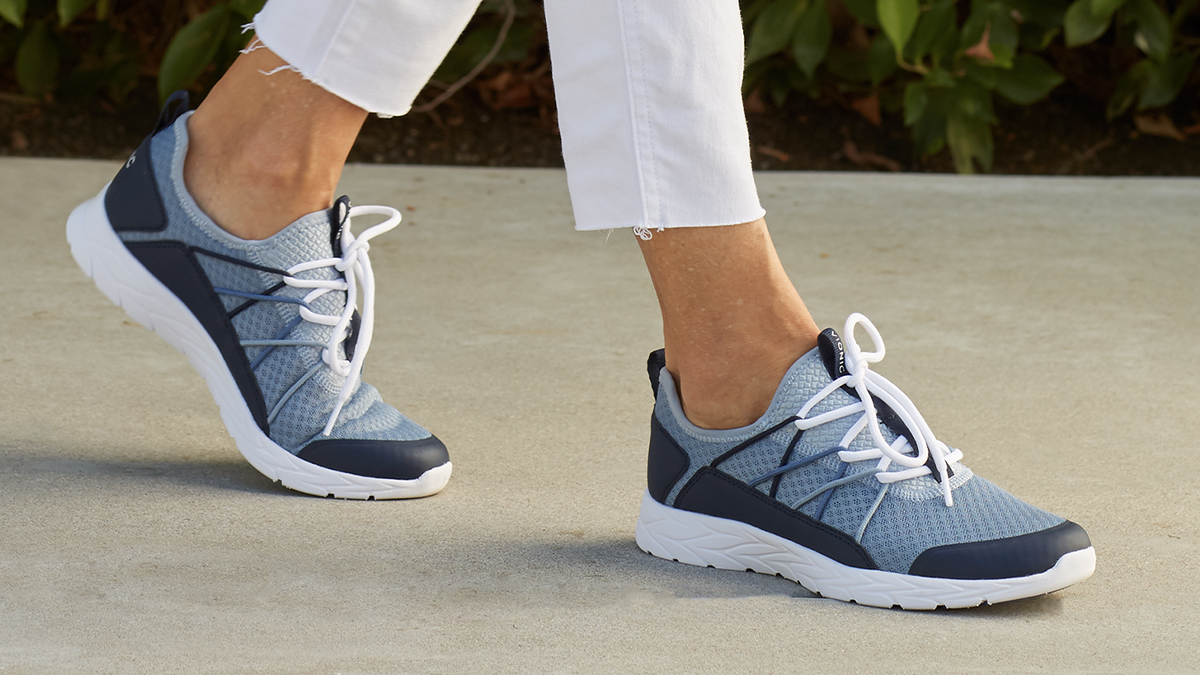
The Final Step: A Personal Journey to Comfort
The quest for the perfect walking shoe is inherently personal, dictated by your unique foot shape, gait, and daily environment. However, by looking beyond the traditional “walking shoe” aisle and considering the engineered excellence of modern tennis shoes for walking, you open a door to a category built on a foundation of rigorous performance demands. The evidence is present in the biomechanical studies, the materials science, the endorsements from medical professionals, and the lived experience of countless wearers. From the lab to the pavement, these shoes offer a synthesis of cushioning, support, and durability that can transform your daily miles from a mundane task into a genuine pleasure. Your feet are your base; providing them with a foundation born from athletic science is not just a choice—it’s a step toward sustained well-being.
