

Your Ultimate Guide to Stylish and Comfortable Everyday Footwear
Choosing the right shoe for daily life is more than a matter of fashion; it’s a foundational decision for your health and well-being. The perfect pair bridges the gap between aesthetic desire and physiological necessity, supporting your body with every step. This guide is dedicated to unraveling that complex equation, moving beyond fleeting trends to focus on the engineering, science, and design principles that create footwear capable of carrying you through your day with ease and confidence. We’ll dissect what makes a great walking shoe, provide actionable knowledge, and point you toward options that offer genuine value, blending professional insight with smart shopping.
The Anatomy of Support: More Than Just a Soft Sole
When we slip on a shoe, our immediate judgment often hinges on cushioning. However, true comfort is a symphony of components working in concert. A scientific perspective, often cited in podiatric literature from institutions like the American Podiatric Medical Association, breaks down the critical elements. The midsole, typically made from EVA (ethylene-vinyl acetate) or polyurethane, is the shock absorber, dissipating the force of impact with each heel strike. But cushioning without structure is like a mattress without a bed frame—initially soft but ultimately unsupportive. This is where arch support and the heel counter become paramount. The arch support maintains the foot’s natural alignment, preventing overpronation (excessive inward roll) or supination (outward roll), which can lead to a cascade of issues from plantar fasciitis to knee pain. A rigid heel counter cups the back of the foot, providing stability and ensuring the foot doesn’t slide, which is crucial for the longevity of the shoe and the safety of your stride. Therefore, a superior walking shoe isn’t defined by a single feature but by the integrated performance of its arch support, heel counter, and responsive midsole.

Material Matters: Breathability, Durability, and Sustainability
The upper of the shoe—the part that covers the foot—plays a critical role in comfort and foot health. Modern materials engineering offers a range of solutions. Traditional full-grain leather offers durability and moldability but can lack breathability. Modern synthetic meshes, like those used by brands such as Nike in their Flyknit or Adidas in their Primeknit, provide exceptional breathability and a lightweight, adaptive fit that reduces the risk of blisters. A 2018 study published in the Journal of Foot and Ankle Research highlighted the importance of footwear microclimate, noting that excessive moisture and heat can lead to fungal infections and skin breakdown. Furthermore, the outsole’s composition determines traction and wear. Carbon rubber is durable and long-lasting, ideal for pavement, while blown rubber is lighter and provides more cushion but may wear faster. As consumers become more environmentally conscious, the conversation also turns to sustainability. Brands are increasingly incorporating recycled materials—from plastic bottles into polyester uppers to recycled rubber in outsoles. Choosing a walking shoe now involves considering not just how it feels on your foot, but its lifecycle and environmental footprint, a viewpoint increasingly validated by resources like the Sustainable Apparel Coalition.
The Style-Utility Paradox: You Don’t Have to Choose
For decades, a chasm existed between “stylish” shoes and “comfortable” ones. This is the style-utility paradox. However, contemporary design has effectively dismantled this false dichotomy. The rise of athleisure and the normalization of performance-inspired aesthetics mean that technical features can now be seamlessly integrated into visually appealing packages. Take, for instance, the designs of brands like Allbirds or Cole Haan’s Zerogrand line. They leverage merino wool for temperature regulation and odor resistance while maintaining a minimalist, office-appropriate silhouette. The key is to identify your personal style lexicon—be it minimalist, retro, or bold—and seek out brands that engineer comfort into that aesthetic. As renowned designer Tinker Hatfield, the mind behind many iconic Air Jordans, once stated in an interview with Fast Company:
“Design must be functional, and functionality must be translated into visual aesthetics without any reliance on gimmicks that have to be explained.”
This philosophy is the north star for modern everyday footwear. A well-designed walking shoe should communicate its purpose and quality through its form, requiring no apology for its comfort or its look.
Knowing When to Let Go: The Lifespan of Your Shoes
Even the best-engineered shoe has a finite service life. Continuing to wear a degraded walking shoe is one of the most common, yet preventable, mistakes that can lead to injury. The cushioning materials in the midsole compress and lose their resiliency long before the upper shows significant wear. Podiatrists and running store experts often cite a general guideline of 300-500 miles of use. For the average person walking 3 miles a day, that translates to roughly 4 to 6 months. More objective signs include visible creasing in the midsole where it flexes, loss of the tread pattern on the outsole (especially in the heel area), or a shoe that no longer feels stable or supportive, causing new aches in your feet, knees, or hips. An article from Verywell Fit, referencing the American Academy of Podiatric Sports Medicine, emphasizes that worn-out shoes alter your gait mechanics, forcing muscles and tendons to work harder to stabilize, which can lead to overuse injuries. Viewing your shoes as a consumable item for health, rather than an item to be worn until disintegration, is a crucial mindset shift.
:max_bytes(150000):strip_icc()/when-should-i-replace-my-walking-shoes-3436325-0801-7a1840d83573471092e0380f9e230ecc.jpg)
Investing in Your Stride: A Smart Shopper’s Approach
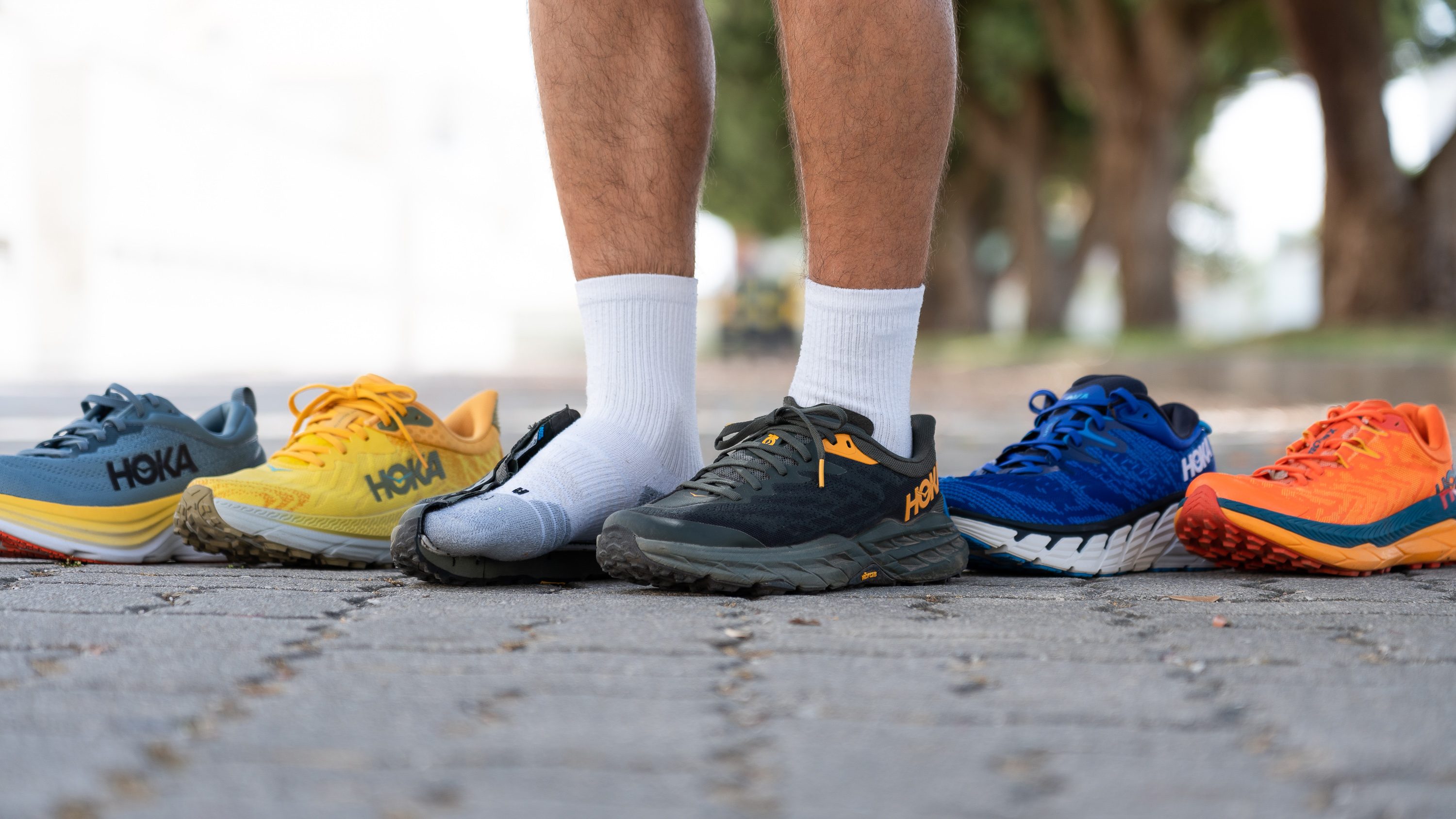
With knowledge of anatomy, materials, and lifespan, you are equipped to be an intelligent consumer. The goal is to maximize value, which is a function of quality, fit, and price. First, prioritize fit above all else. The best shoe in the world is the wrong shoe if it doesn’t fit your unique foot shape. Shop in the afternoon when your feet are naturally slightly swollen. Ensure about a thumbnail’s width of space between your longest toe and the end of the shoe, and that the widest part of your foot aligns with the widest part of the shoe. Second, seek out professional fitting, especially at specialty running stores where staff are trained in gait analysis. This service, often free, is an invaluable investment. Finally, be strategic about cost. Premium models from brands like Hoka, Brooks, or ASICS often incorporate the latest foam technologies and stability systems. While their retail price may be higher, their durability and performance can justify the cost. However, last season’s models or colorways frequently see discounts of 30-50% as retailers make room for new inventory. Websites that aggregate deals or the official outlets of major brands are excellent resources for finding top-tier technology at accessible prices. This approach allows you to acquire a high-quality walking shoe that supports your body without straining your budget.
The journey to finding your ideal everyday footwear is an exercise in applied self-knowledge. It requires listening to your body, understanding the basic science of support, and aligning that with your personal aesthetic and financial parameters. By moving beyond superficial impressions and focusing on the harmonious interplay of structure, material, and design, you empower yourself to make choices that enhance your daily life. Your feet are your foundation; choose the shoes that honor that role with every step you take.
