

The Best Tennis Shoes for Everyday Walking Comfort
When we talk about finding the perfect shoe for daily ambulation, the conversation often veers towards specialized walking shoes or running sneakers. However, a category that consistently delivers exceptional comfort, support, and durability—often overlooked for this purpose—is the humble tennis shoe. The very design principles that make a shoe excellent for the lateral cuts, quick stops, and sprints of a tennis match translate surprisingly well to the biomechanical demands of walking. This isn’t about repurposing a worn-out court shoe for errands; it’s about recognizing that modern tennis shoes for walking are engineered with technologies that provide a stable, cushioned, and responsive platform, ideal for the repetitive heel-to-toe motion. The right pair can transform your daily step count from a chore into a pleasure, offering protection for your joints and muscles over miles of pavement, mall corridors, or park paths.
The Unseen Engineering: Why Tennis Shoes Work So Well for Walking
To understand the suitability of tennis shoes for pedestrian use, we must dissect their core architectural elements. Unlike running shoes, which are primarily designed for forward motion, tennis shoes are built for multi-directional stability. This is paramount. According to biomechanics literature from institutions like the University of Calgary’s Human Performance Lab, walking involves not just a sagittal plane (forward-backward) motion but also subtle mediolateral (side-to-side) shifts in balance with each step. A shoe with a flared, stable heel counter and a reinforced midfoot shank—common in tennis models—prevents excessive rolling of the foot (overpronation or supination), which is a common source of walking discomfort and injury. Furthermore, the cushioning systems in premium tennis shoes, such as Adidas’ Boost or Nike’s React foam, are tuned for impact absorption from various angles, not just heel strike. This omnidirectional cushioning is perfectly suited for the consistent, repetitive impact of walking. As noted on Quora by a podiatrist contributor, “The support structure in a good tennis shoe often mirrors that of a premium walking shoe, focusing on arch support and heel cradle to maintain proper alignment from footfall to toe-off.” Therefore, choosing a tennis shoes for walking is less a compromise and more a strategic selection of a tool designed for comprehensive foot protection.
Cushioning and Responsiveness: The Foundation of All-Day Comfort
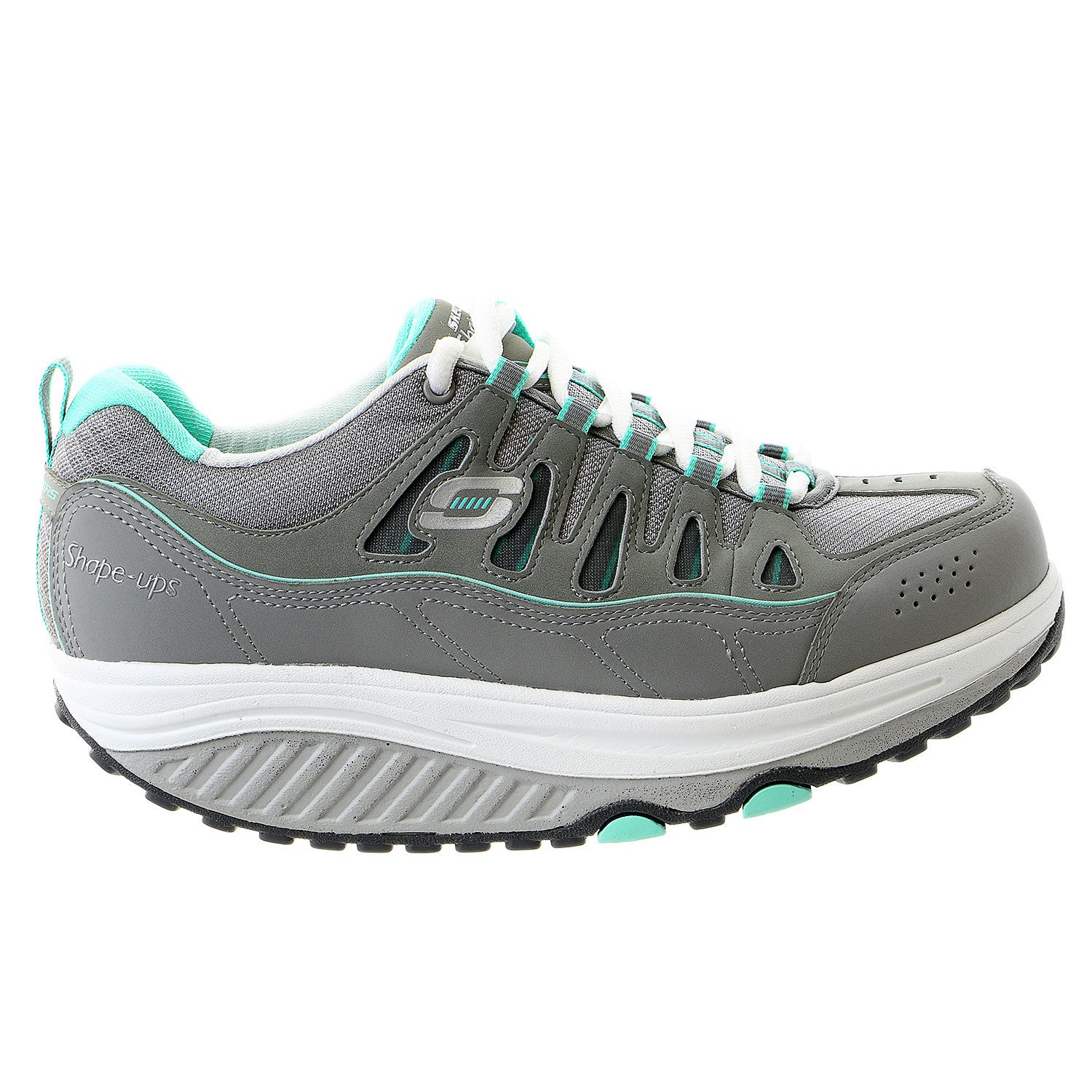
The single most critical factor for walking comfort is underfoot feel. You need a balance: enough cushioning to dampen the shock of each step, but enough responsiveness to avoid a mushy, energy-sapping sensation. This is where tennis shoe technology shines. Let’s take Asics, a brand revered in both running and tennis circles. Their GEL technology, prominently featured in lines like the GEL-Resolution, is a silicone-based cushioning system placed at key impact points. Research from Asics’ own Institute of Sport Science demonstrates its effectiveness in dissipating impact forces. For a walker, this means reduced stress on knees, hips, and the lower back over prolonged periods. Similarly, Nike’s Air Zoom units, used in models like the Court Lite, provide a springy, responsive cushion that can make a long walk feel less fatiguing. It’s not just about softness; it’s about intelligent energy return. As YouTube fitness expert and physical therapist Dr. Kyle Brown often states in his shoe reviews,
“A common mistake is equating maximum cushion with maximum comfort for walking. What you truly need is dynamic cushioning—a system that absorbs shock but also promotes a natural, efficient gait cycle. Many tennis shoes are engineered with this precise balance in mind for court performance, which directly benefits the walker.”
This principle underscores why a well-cushioned tennis shoe can be superior to a flat-soled casual sneaker for any walking routine exceeding a few thousand steps.
Durability and Outsole Design: Built to Last on Concrete
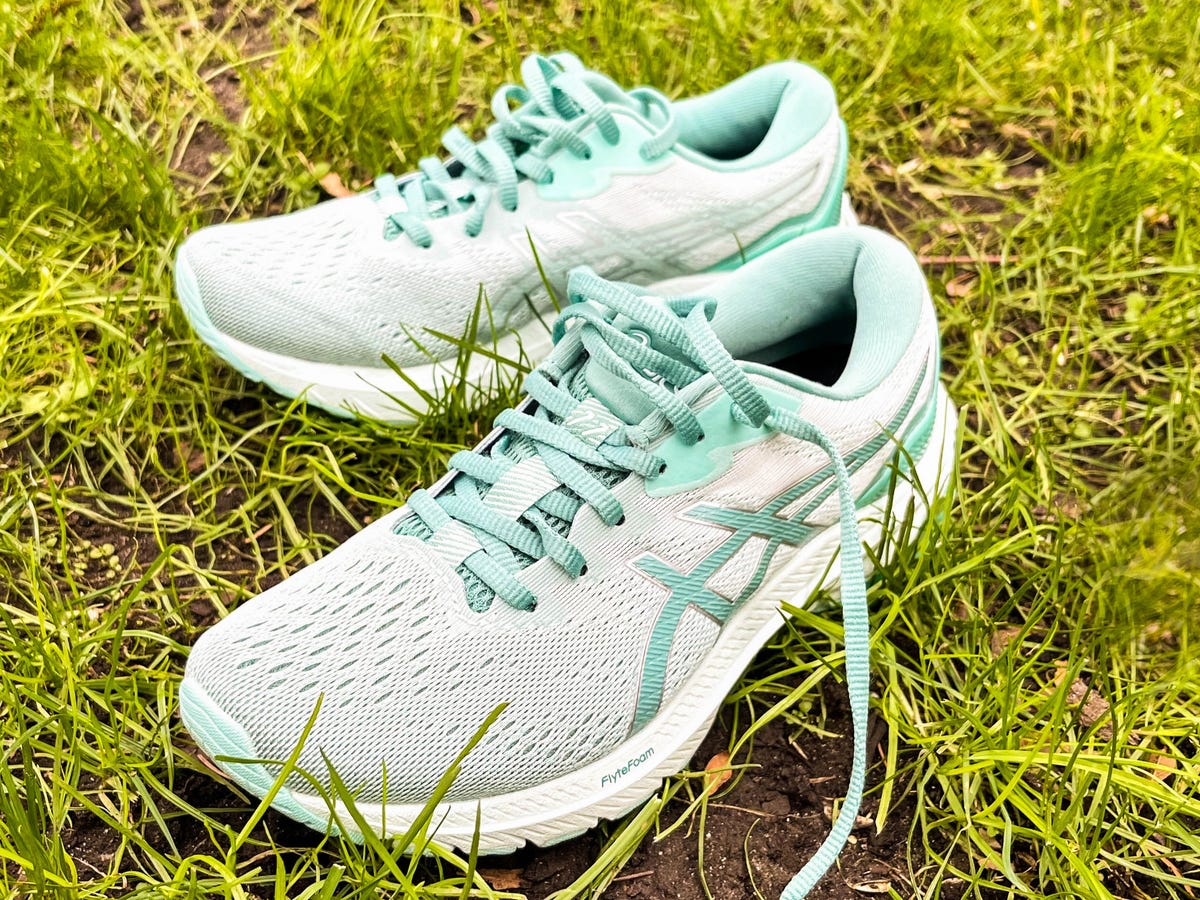
Walking primarily on hard surfaces like asphalt and concrete is brutally abrasive on shoe outsoles. This is a key point of divergence where tennis shoes for walking demonstrate a clear advantage. Tennis court surfaces—whether hard court, clay, or grass—are notoriously tough on footwear. Consequently, tennis shoe outsoles are made from high-density, abrasion-resistant rubbers like Nike’s XDR (Extra Durable Rubber) or Adidas’ Adiwear. These compounds are designed to withstand severe lateral dragging and friction without wearing down quickly. For a walker, this translates to exceptional longevity on pavement. The tread pattern is equally important. While deep lugs are for trail running, a flat or herringbone-style pattern, common on tennis shoes, provides optimal surface contact and grip on smooth, hard surfaces, reducing slip risk. A resource like Baidu Baike notes that the durability of tennis shoe materials is a direct response to the high-wear environment of competitive play, a feature that consumers can leverage for everyday use. Investing in a pair means you’re not just buying comfort for a season; you’re buying a product with a reinforced construction meant to endure far more punishment than typical walking will ever deliver.
Selecting Your Perfect Pair: A Buyer’s Considerations
Not all tennis shoes are created equal for walking purposes. Your selection should be guided by specific features that align with your physiology and walking environment. First, consider foot type and arch support. Brands like New Balance and Brooks, which have strong heritages in biomechanics, offer tennis models in varying widths and with different levels of arch support (neutral, stability). Second, prioritize weight. While tennis shoes are generally supportive, some modern models utilize lightweight meshes and synthetic materials to reduce bulk without sacrificing structure. A lighter shoe reduces leg fatigue over distance. Third, examine the toe box. A roomier, foot-shaped toe box allows your toes to splay naturally upon foot strike, promoting stability and comfort, a principle championed by minimalist footwear advocates and visible in brands like Altra, though also found in certain tennis designs. Finally, don’t neglect breathability. Walking generates heat, and a well-ventilated upper, often seen in summer or hard-court specific tennis shoes, will keep your feet cooler and drier. Remember, the goal is to find a tennis shoes for walking that feels like a natural extension of your foot, providing support without constraint, and cushioning without clumsiness.

Beyond the Hype: Integrating Professional Insight and Value
Navigating marketing claims can be daunting. This is where leaning on professional consensus and seeking value becomes crucial. Podiatrists and orthopedic specialists frequently recommend shoes with good torsional stability and a firm heel counter for patients with plantar fasciitis or general walking pain—features inherent to quality tennis shoes. Websites like Runner’s World or Wirecutter, while focused on running, often review cross-training shoes and provide tested insights on cushioning, fit, and durability that are transferable to walking. Furthermore, the world of tennis shoes for walking offers significant value. Last season’s top-tier models often see deep discounts online as new colorways are released. A shoe that retailed for $130 might be found for $80, offering premium technology at an accessible price point. Brands like K-Swiss or Skechers (with their performance line) frequently offer direct-to-consumer sales. The key is to identify the technology you need—be it specific cushioning, arch support, or durability—and then hunt for previous models that feature it. This approach brings professional-grade foot mechanics to your everyday life without necessitating a professional budget.
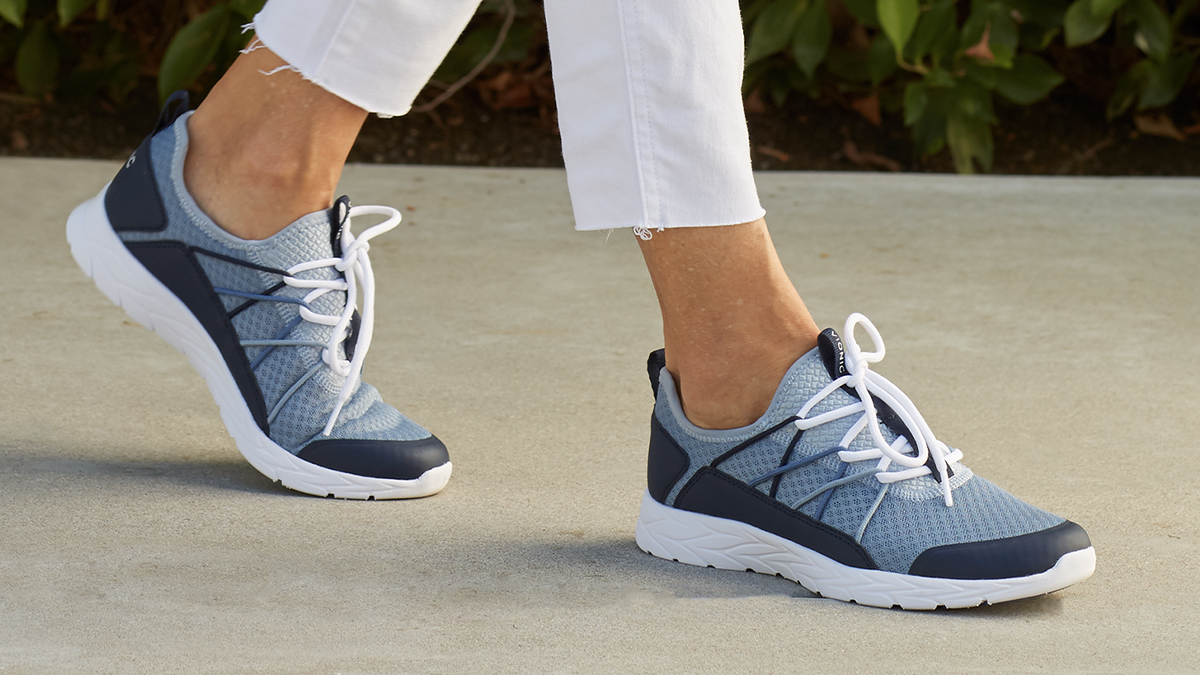
The pursuit of everyday walking comfort doesn’t require a niche, single-purpose shoe. It requires a thoughtful application of footwear engineering designed for stability, impact, and endurance. Tennis shoes, born from the demanding crucible of court sports, embody these very principles. They offer a robust combination of cushioning that cares for your joints, support that guides your stride, and durability that endures your journey. By selecting a pair designed with these technologies and fitting them to your unique foot, you elevate the simple act of walking. You choose a tool that not only carries you forward but actively contributes to the health and enjoyment of every step you take, proving that the best tennis shoes for walking are those that make you forget you’re wearing shoes at all, freeing you to move through your day with ease and resilience.
