

The Walking Shoe: Your Ultimate Guide to Comfort and Style
Forget the notion that practicality and aesthetics are mutually exclusive. The modern walking shoe stands as a testament to human ingenuity, merging biomechanical science with contemporary design to create footwear that doesn’t just take you from point A to B, but elevates the entire journey. This isn’t about a mere accessory; it’s about a fundamental tool for daily life, impacting everything from your physical health to your mental well-being. Whether you’re navigating urban landscapes, exploring nature trails, or simply seeking all-day comfort, the right pair is a silent partner in your daily narrative. We’re moving beyond basic functionality into an era where your choice in footwear is a deliberate statement about how you choose to move through the world—with support, with confidence, and with undeniable style.
The Anatomy of Comfort: Deconstructing the Modern Walking Shoe
To understand why a dedicated walking shoe is non-negotiable, we must dissect its core components. Unlike running shoes designed for forward propulsion and impact absorption from a heel-strike, or fashion sneasers prioritizing silhouette over substance, walking shoes are engineered for the unique gait cycle of walking. This involves a more pronounced heel-to-toe roll and constant contact with the ground. The foundation lies in the midsole, typically crafted from advanced materials like EVA (Ethylene-Vinyl Acetate) foam or proprietary compounds such as ASICS’ GEL or Brooks’ DNA LOFT. These materials provide a balance of cushioning and responsiveness, absorbing shock while offering a stable platform. The rocker sole design, a feature highlighted by podiatrists like Dr. Andrew Shapiro on platforms like Quora, is crucial. It facilitates the natural rolling motion of the foot, reducing strain on the Achilles tendon and calf muscles. Furthermore, the upper’s construction prioritizes breathability and a secure, non-constricting fit. Materials like engineered mesh allow for airflow, preventing moisture buildup, while strategic overlays offer structure without pressure points. As noted in biomechanics literature from institutions like the University of Calgary, proper fit is paramount; a shoe that is too tight can cause neuromas, while one too loose leads to friction and blisters. Thus, every stitch and layer in a true walking shoe serves the unified purpose of harmonizing with the foot’s complex mechanics.
:max_bytes(150000):strip_icc()/vwt-asics-womens-gel-pulse-16-jinfeng-chen-21-712f0f140e834b84b3a8dcf0bf154771.jpeg)
Style as a Function: When Your Shoes Speak Volumes
The historical dichotomy between “comfort shoes” and “stylish shoes” has been thoroughly dismantled. Today’s leading brands recognize that consumers refuse to compromise. The evolution is evident when examining trends from authoritative fashion and lifestyle websites like GQ or The Strategist. The classic white leather sneaker, for instance, has transcended its athletic origins to become a wardrobe staple, but its modern iterations often incorporate the very cushioning and support technologies found in dedicated performance walkers. The key is in the subtle integration. You might have a sleek, minimalist design hiding a full-length carbon fiber plate for propulsion, or a retro-inspired silhouette built on an ultra-modern, sustainably sourced foam compound. This fusion is powerfully articulated by designer Tinker Hatfield, the mind behind iconic Nike lines, who famously stated in an interview for Wired magazine:
“Design must reflect the practical and aesthetic elements of the object’s use, and the user’s journey is the most important narrative.”
This philosophy is now industry standard. Colors, materials, and profiles are curated to align with contemporary aesthetics—from earthy tones and recycled fabrics for the eco-conscious to bold, monochromatic statements for the urban explorer. The modern walking shoe is no longer an invisible piece of gear; it is a visible, intentional component of personal style that works as hard as you do, proving that what is good for your body can also be a feast for the eyes.
The Investment in Your Foundation: Long-Term Health and Economics
Viewing a quality walking shoe as an expense is a fundamental misjudgment; it is an investment with compounding returns in health and financial savings. From a physiological perspective, improper footwear is a primary contributor to a cascade of musculoskeletal issues. The American Podiatric Medical Association (APMA) consistently emphasizes that shoes lacking adequate arch support and cushioning can lead to or exacerbate plantar fasciitis, shin splints, knee pain, and even lower back problems. The cost of chronic pain management, physical therapy, and orthotic devices far outweighs the price of a properly engineered shoe from the outset. Furthermore, durability is a key economic factor. A well-constructed walking shoe from a reputable brand, using high-grade rubber compounds in the outsole and reinforced stitching, will maintain its structural integrity for 500 miles or more, as recommended by exercise physiologists. In contrast, a cheaply made alternative may deteriorate in half the distance, requiring more frequent replacement and offering diminishing protection. Consider the total cost of ownership: two pairs of $60 shoes that fail in six months each versus one pair of $120 shoes that perform flawlessly for two years. The latter is not only more economical but also provides consistent, reliable support throughout its lifespan, safeguarding your most valuable asset—your body’s ability to move freely and without pain.
Navigating the Market: A Curator’s Guide to Your Perfect Pair
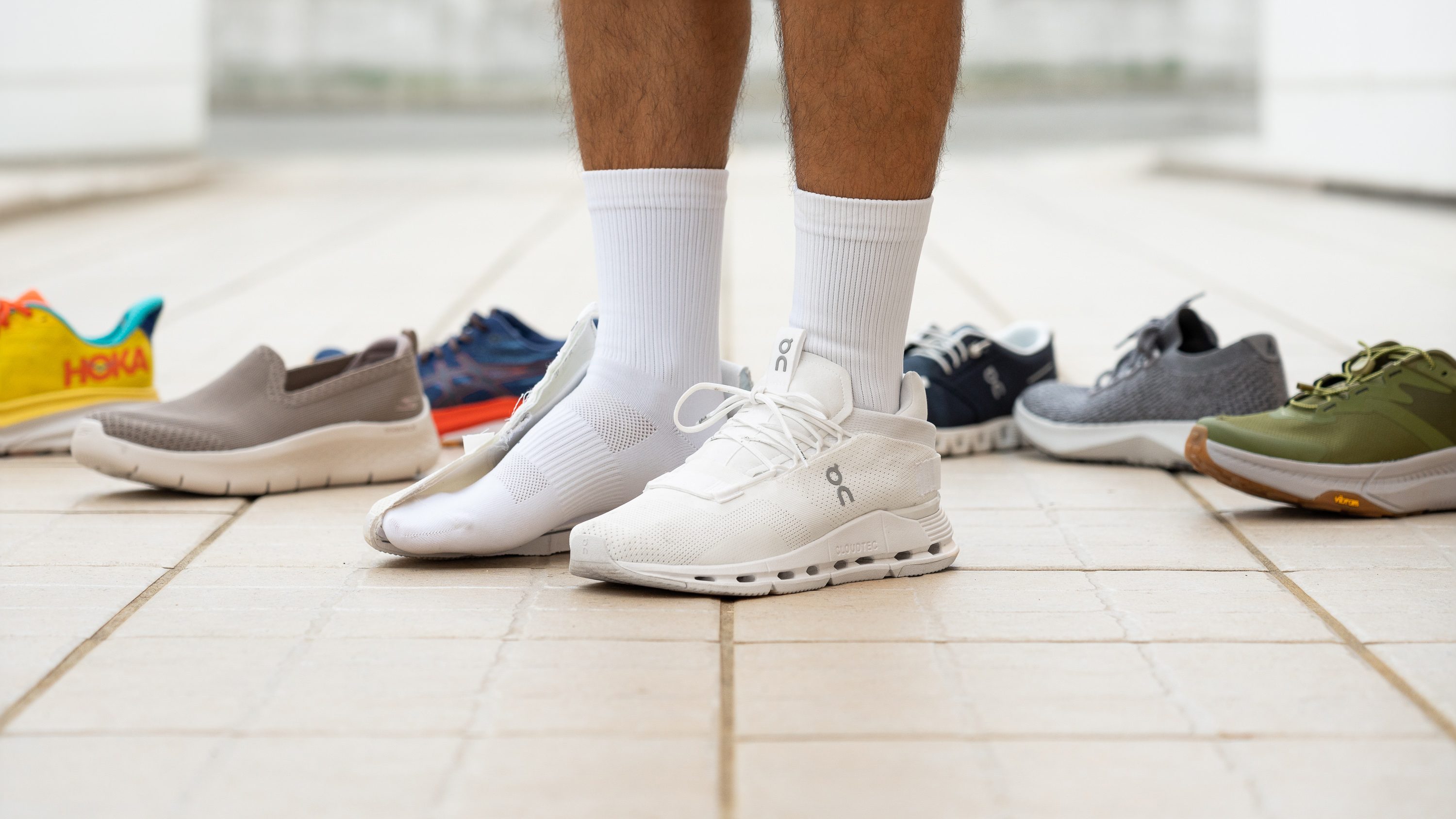
The marketplace can be overwhelming, but armed with knowledge, you can become your own best curator. Your selection process should be methodical, starting with an honest assessment of your needs. Are you primarily on paved surfaces, or do you venture onto gravel paths? This determines the required outsole tread. Do you have a neutral gait, or do you overpronate (foot rolls inward) or supinate (foot rolls outward)? Many specialty running stores offer free gait analysis, a service born from sports science that is equally vital for walkers. Brands have distinct “lasts” (the foot-shaped form around which a shoe is built), leading to different fits: some like New Balance are renowned for wider toe boxes, while others like Salomon offer a more precise, snug fit for technical terrain. Don’t be swayed by marketing jargon alone. Look for objective reviews on platforms like Runner’s World (which has excellent walking shoe roundups) or YouTube channels featuring certified pedorthists who perform tear-downs and pressure tests. Remember the “thumb’s width” rule for fit: there should be about a half-inch of space between your longest toe and the end of the shoe when standing. Finally, consider sustainability. Brands like Allbirds and Veja have pioneered the use of natural and recycled materials without sacrificing performance, a value increasingly important to the conscious consumer. Your perfect walking shoe is the one that disappears on your foot—not because it’s bland, but because it fits so seamlessly and performs so intuitively that you forget it’s there, allowing you to focus entirely on the world around you.
The Unspoken Ritual: Knowing When to Let Go
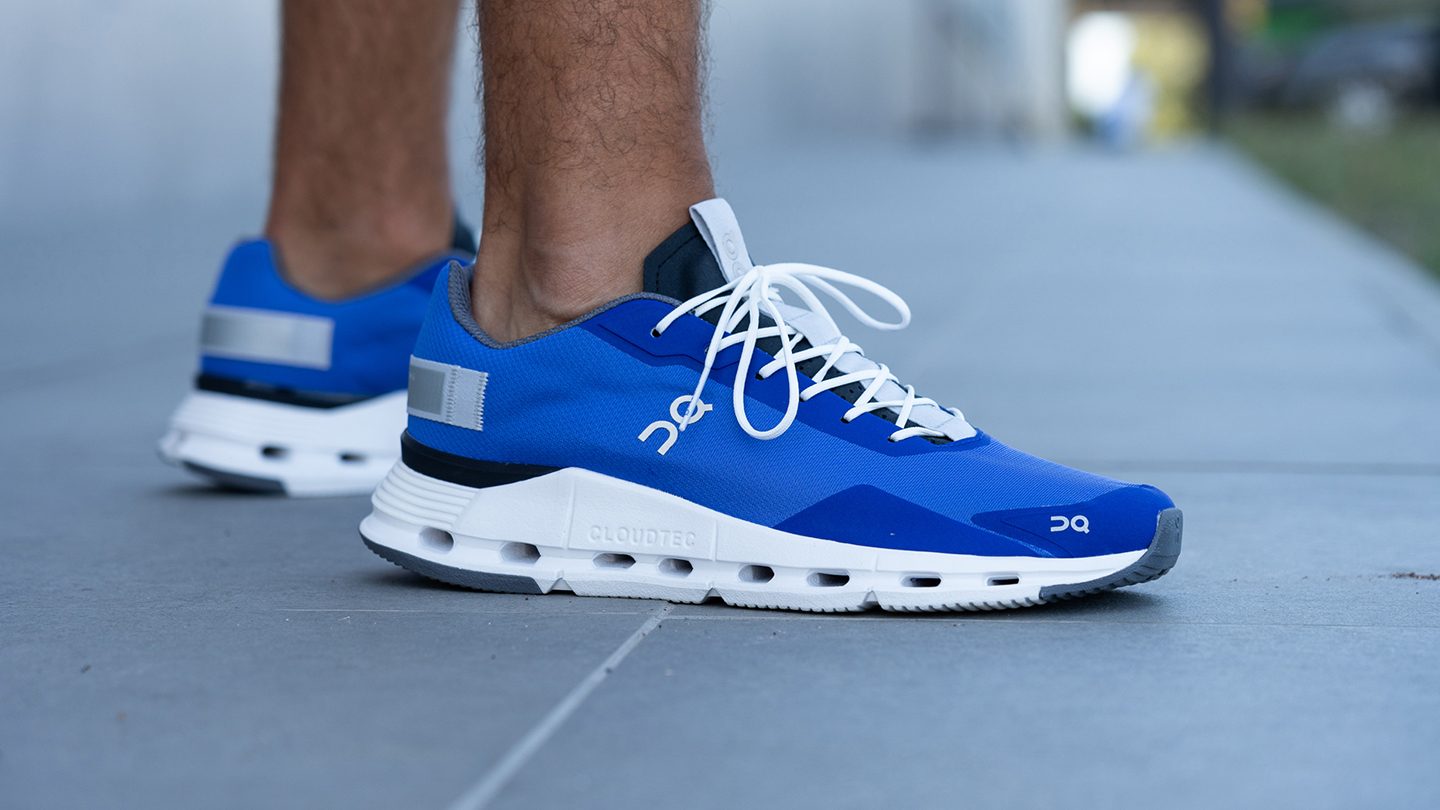
Even the finest shoe has a finite service life, and clinging to a worn-out pair negates all its initial benefits. The signs of retirement are often subtle. Visually, check for asymmetric wear on the outsole, particularly on the heel or ball of the foot. Smooth, bald spots indicate the loss of crucial traction. More telling is the loss of midsole resilience. Perform the “flex and twist” test: if you can easily twist the shoe like a wrung-out towel, its structural stability is compromised. Press your thumb into the midsole; if the foam doesn’t bounce back readily, its shock-absorption capacity is depleted. The common mileage guideline of 300-500 miles is just a starting point. A heavier individual or someone who walks primarily on abrasive concrete will wear shoes out faster than a lighter person on softer surfaces. Listen to your body. The onset of new, unexplained aches in your feet, legs, or back is frequently the most direct signal from your physiology that your foundational support has failed. Replacing your shoes proactively is an act of self-care. It’s the acknowledgment that the journey is ongoing, and to continue moving forward with grace and vitality, your tools must be in a state of renewal, just as you are.
:max_bytes(150000):strip_icc()/when-should-i-replace-my-walking-shoes-3436325-0801-7a1840d83573471092e0380f9e230ecc.jpg)
Your journey is defined by motion, and what stands between you and the ground is not merely footwear—it’s a carefully engineered interface designed for resilience and expression. The right walking shoe is a synthesis of art and science, a daily choice that supports your physical architecture while reflecting your personal aesthetic. It is an investment that pays dividends in silent confidence and miles of effortless exploration. So step forward with intention. Seek out that perfect synergy of form and function, and let every path you tread be a testament to the thoughtful fusion of comfort and style that you carry with you, one step at a time.
