

The Ultimate Walking Shoe Guide for Effortless Comfort and Chic
In the rhythm of daily life, where every step counts, the choice of footwear transcends mere fashion. It becomes a foundational decision impacting our physical well-being, our posture, and our enduring comfort. The quest for the perfect walking shoe is not about chasing fleeting trends; it is an investment in the architecture of our movement. This guide is crafted to navigate you through the intricate landscape of modern footwear, merging scientific insight with practical style, to find that singular pair that offers both sanctuary for your feet and a statement for your stride. We move beyond subjective preference, grounding our exploration in biomechanics, material science, and the collective wisdom of experts and everyday walkers alike.
The Anatomy of Comfort: Deconstructing the Modern Walking Shoe
To understand what makes a great walking shoe, one must first understand its components. The contemporary walking shoe is a marvel of engineering, each part serving a distinct physiological purpose. The upper, traditionally made of leather or synthetic materials, has evolved. Modern meshes, like those employing engineered knit or breathable microfiber, provide a dynamic, sock-like fit that accommodates the foot’s natural swelling during activity while ensuring critical ventilation. This isn’t just about staying cool; as noted in podiatric literature from institutions like the University of Pittsburgh Medical Center, a well-ventilated shoe environment reduces moisture buildup, thereby minimizing the risk of fungal infections and skin breakdown. The midsole is the heart of cushioning. Technologies such as ethylene-vinyl acetate (EVA) foam, polyurethane (PU), and proprietary gels (like ASICS’ GEL cushioning) are not marketing gimmicks. They are viscoelastic polymers designed to absorb and dissipate the ground reaction forces generated with each heel strike—forces that can equal 1.5 times your body weight. A study cited in the Journal of Orthopaedic & Sports Physical Therapy emphasizes that effective midsole cushioning can significantly reduce peak pressure on the metatarsals and heel, delaying the onset of fatigue and discomfort during prolonged ambulation. Finally, the outsole’s rubber composition and tread pattern are crucial for traction and durability. A multi-directional lug pattern, for instance, provides stability on varied surfaces, a feature often highlighted in reviews on authoritative sites like Runner’s World for its contribution to secure footing.
Biomechanics in Motion: The Gait Cycle and Shoe Design
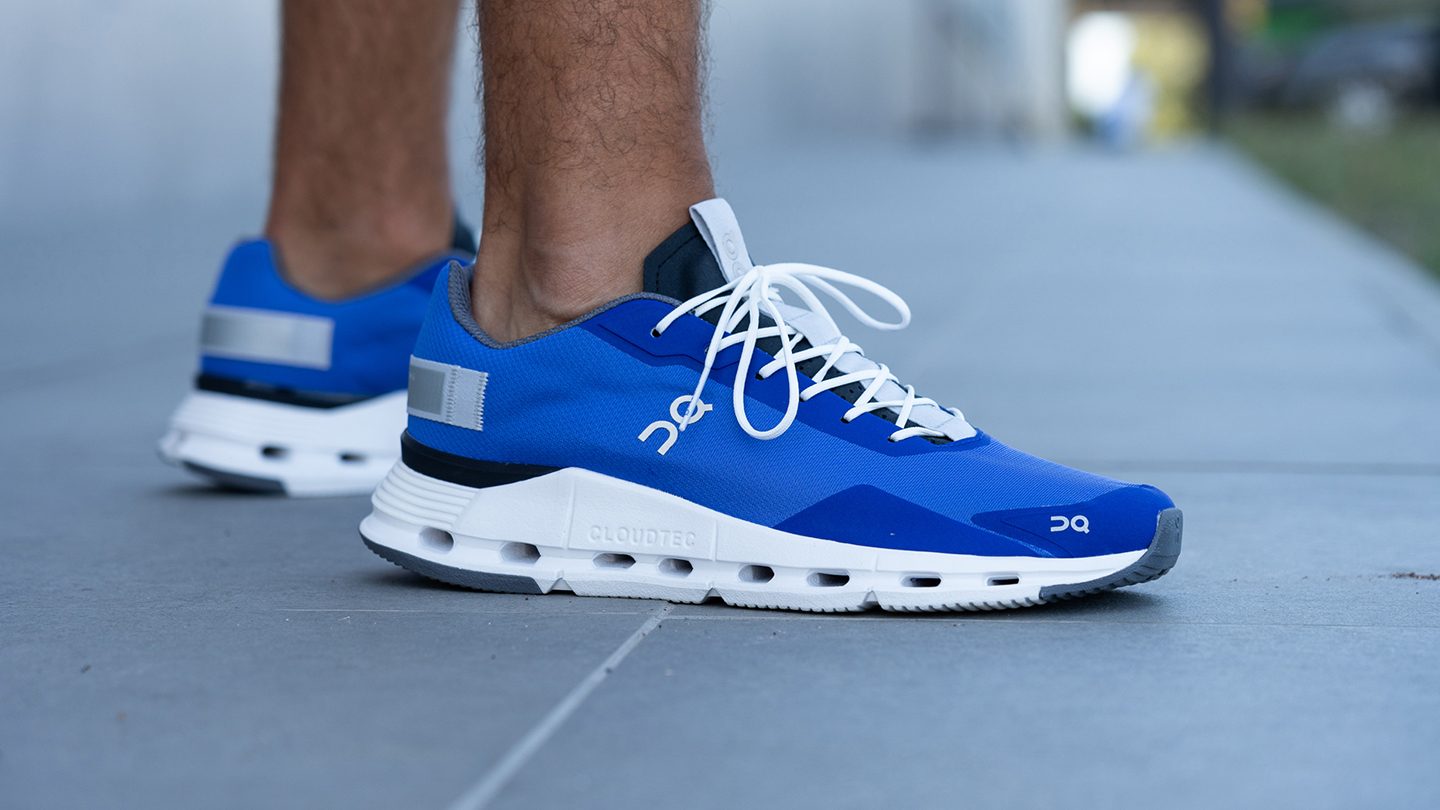
Your walk is as unique as your fingerprint, and the ideal walking shoe must complement your individual gait cycle. The gait cycle consists of two main phases: stance (when the foot is on the ground) and swing (when it is in the air). During the stance phase, particularly at heel strike and mid-stance, the foot pronates—it rolls inward to distribute impact. Some pronation is natural and necessary; excessive pronation (overpronation) or insufficient pronation (supination) can lead to a cascade of issues from shin splints to plantar fasciitis. This is where shoe design intervenes. Motion control shoes, often featuring a denser medial (inner) post in the midsole, are engineered to gently correct overpronation. Conversely, neutral-cushioned shoes offer uniform support for those with a efficient, neutral gait. The importance of this alignment is echoed by renowned sports podiatrist Dr. Ray McClanahan, who frequently discusses on platforms like YouTube how improper shoe support can alter natural foot mechanics, leading to long-term joint stress. It’s not about forcing the foot into a rigid position, but about allowing it to move within a healthy, supported range. When you try on shoes, observe the wear pattern on your old pair. Is the heel worn evenly, or is it eroded on the inner or outer edge? This simple observation, a tip often shared on community forums like Quora by seasoned walkers, provides a visual clue to your gait pattern and is an invaluable starting point for selection.
The Style Equation: Where Form Meets Function Without Compromise
For too long, “comfortable” was synonymous with “unfashionable.” That era is decisively over. Today’s leading footwear brands have successfully decoded the style equation, proving that a shoe can be both a biomechanical tool and a chic accessory. The evolution of minimalist and athleisure aesthetics has been a catalyst. Think of the sleek, monochromatic designs from brands like Allbirds or the sophisticated silhouettes from Cole Haan’s Zerogrand collection. These are walking shoes you can confidently wear from a morning commute to an evening dinner. The philosophy here aligns with the perspective of influential fashion critics like Vanessa Friedman of The New York Times, who has chronicled the “rise of the sensible shoe” as a power move in modern dressing—a rejection of painful, restrictive footwear in favor of intelligent, versatile design. This shift isn’t superficial. The use of premium materials—such as merino wool uppers for temperature regulation or recycled polyester blends for sustainability—adds layers of value and narrative to the product. The color palette has expanded from clinical white and grey to include rich earth tones, muted pastels, and bold accents, allowing for personal expression. The key is to look for design integrity: does the stylish exterior house genuine technological features, or is it merely a cosmetic shell? A true walking shoe will seamlessly integrate its aesthetic with its functional architecture.
:max_bytes(150000):strip_icc()/vwt-asics-womens-gel-pulse-16-jinfeng-chen-21-712f0f140e834b84b3a8dcf0bf154771.jpeg)
Material Innovation: The Fabrics of the Future
The revolution in walking shoes is being woven at the molecular level. Material innovation is the unsung hero driving both comfort and sustainability. Memory foam insoles, which contour to the unique topography of your foot, provide personalized cushioning that off-the-shelf flat inserts cannot match. This technology, widely adopted from medical applications, ensures pressure is evenly distributed, a principle supported by findings from the American Podiatric Medical Association. Meanwhile, the advent of lightweight, responsive foams like Adidas’ Boost or Nike’s React provides a sensation of “energy return”—a springy, propulsive feel that makes walking feel less laborious. Perhaps the most significant frontier is in sustainable materials. Brands are increasingly utilizing recycled plastics from oceans (e.g., Parley Ocean Plastic), plant-based alternatives like Bloom algae foam, and biodegradable components. This isn’t just greenwashing; as highlighted in reports from the Massachusetts Institute of Technology’s Materials Research Laboratory, these new materials are often engineered to match or exceed the performance of their traditional counterparts. Choosing a walking shoe built with these innovations means investing in your comfort while participating in a broader movement towards environmental responsibility. The narrative of your walk thus extends beyond your personal journey to a global footprint.
The Fitting Ritual: More Than Just a Number
Perhaps the most critical, yet most frequently overlooked, step is the fitting process. Your shoe size is not a static identity; it is a variable influenced by time of day, activity level, and even age. The old practice of pressing the toe of the shoe is insufficient. A proper fitting ritual should be conducted in the afternoon or evening when feet are at their largest due to natural swelling. You should wear the type of socks you intend to walk in. There must be a thumb’s width (about 1.3 cm) of space between your longest toe (which is not always the big toe) and the end of the shoe. The width should be snug but not constricting, allowing the foot to splay naturally upon weight-bearing—a function vital for balance and propulsion, as detailed in biomechanics textbooks. The heel should sit securely without slippage. As the famous running coach and author Jeff Galloway often states in his clinics, “Your shoes should feel good the moment you put them on.” There should be no “break-in period” for a properly designed modern walking shoe; that concept is a relic of poorly fitted, rigid footwear. If you feel any immediate pinch, pressure point, or rub, that shoe is not for you, regardless of its specs or reviews. This personalized attention is why specialty running and walking stores, with trained staff who observe your gait, remain invaluable despite the convenience of online shopping.
Knowing When to Let Go: The Lifecycle of a Walking Shoe
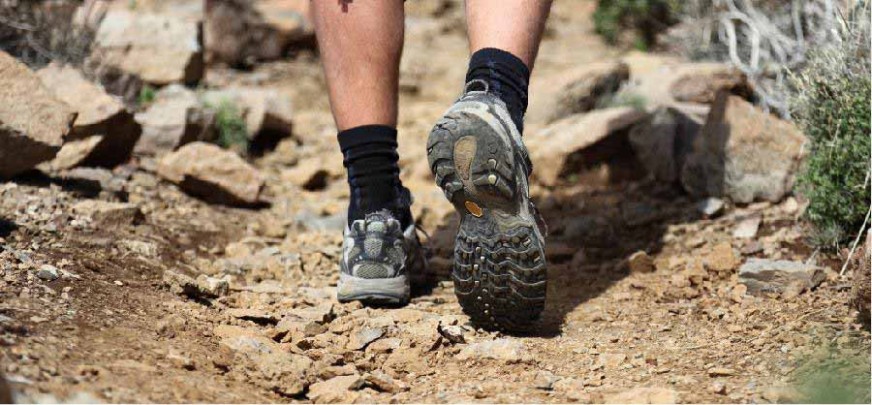
A loyal companion eventually wears out, and your walking shoes are no exception. Adhering to a mileage-based replacement schedule is a non-negotiable aspect of foot care. The cushioning and support materials in the midsole compress and lose their resiliency long before the outsole tread is completely bald. The general consensus among experts, including those from the American Council on Exercise, is to replace walking shoes every 300 to 500 miles. For a daily walker covering 3 miles a day, this translates to roughly every 4 to 6 months. Visual inspection is misleading; the structural breakdown happens internally. Keep a simple log of your walking distance. Notice if you begin to experience new, unexplained aches in your feet, knees, hips, or lower back—this is often the first sign that your shoes have retired. As a poignant metaphor from the book Born to Run by Christopher McDougall suggests, our feet are designed for endurance, but they require a capable interface with the ground. Using degraded shoes is like driving a high-performance car on bald tires; the underlying machinery is sound, but the critical point of contact has failed, compromising safety, efficiency, and the joy of the journey.
Curated Selections and Intelligent Investment
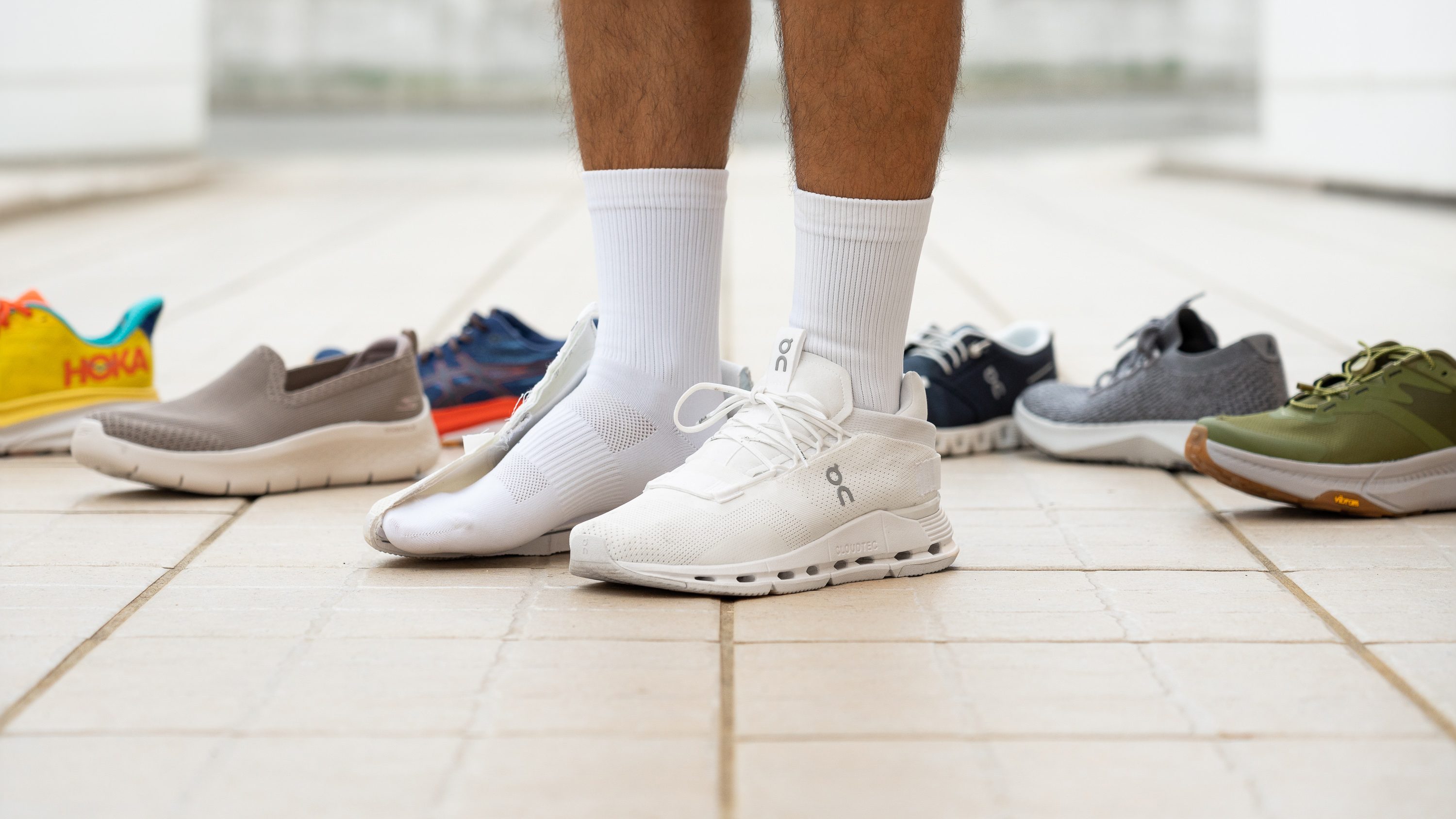
Navigating the market can be daunting. Here, we bridge professional knowledge with value, offering a curated lens on what to seek. For the urban walker prioritizing all-day comfort and sleek aesthetics, consider models like the Cole Haan Zerogrand Oxford or Allbirds Tree Runners. They masterfully blend premium materials with discreet cushioning. For those requiring structured support, the Brooks Addiction Walker or ASICS Gel-Tech Neo 4 offer exceptional motion control without a clinical look. The lightweight performance category, perfect for fitness walking, is led by options like the New Balance FuelCore Nergize or Skechers Go Walk Max. To make this an intelligent investment, be strategic. Subscribe to newsletters from reputable retailers for sale alerts. Consider previous seasons’ colorways, which often see significant discounts while retaining identical technical specs. End-of-season sales and holiday promotional periods are golden opportunities. Remember, the true cost of a walking shoe isn’t its price tag, but the value it provides in health, comfort, and longevity. A $150 pair that lasts 500 miles and prevents injury is a far wiser economic and physiological choice than a $60 pair that fails at 200 miles and leads to a $100 podiatrist visit.
The journey to finding your ultimate walking shoe is a confluence of self-knowledge and scientific principle. It demands that we listen to the subtle language of our bodies, understand the engineered response of modern footwear, and refuse to sacrifice elegance for well-being. The perfect pair exists at the intersection where each step feels supported, each mile feels lighter, and each outing is undertaken with confidence. It is not merely an accessory you wear, but a foundation upon which you build your daily movement, your explorations, and your enduring comfort. Choose wisely, for the road ahead is best traveled on feet that are cared for, clad in shoes that understand their mission.
