

The Best Tennis Shoes for All-Day Walking
When the sun rises and your day promises miles of pavement, cobblestone, or office floors, the foundation of your comfort isn’t a mindset—it’s your footwear. The quest for the perfect all-day walking companion often leads to a surprising category: the modern tennis shoe. Once confined to the clay and grass of courts, today’s tennis shoes have evolved into marvels of support and cushioning, making them a secret weapon for urban explorers, busy professionals, and anyone who values their step. This isn’t about a fleeting trend; it’s about biomechanical synergy. A superior tennis shoes for walking merges the lateral stability demanded by swift court movements with the forward-motion cushioning needed for prolonged ambulation, creating a hybrid that outperforms many dedicated walking shoes. We will dissect the anatomy of this ideal shoe, grounding our exploration in material science, podiatric principles, and the lived experiences of countless walkers, to guide you toward a pair that doesn’t just carry you through the day, but elevates every part of it.
The Engineering Behind Comfort: Why Tennis Shoes Work for Walking
The misconception that a shoe designed for a sport must be specialized solely for that sport ignores the core principles of ergonomics and injury prevention. Tennis is a multidirectional sport involving rapid sprints, sudden stops, and constant pressure on the balls of the feet. Consequently, tennis shoe design prioritizes several features that translate exceptionally well to walking. First, the midfoot support and torsional rigidity. Unlike running, which is primarily a straight-line motion, walking involves a subtle but crucial rotation from heel strike to toe-off. A tennis shoe’s reinforced midfoot, often with a thermoplastic shank or similar technology, prevents excessive twisting of the foot, promoting a stable gait cycle and reducing fatigue in the arches and ankles. This is supported by podiatric literature from institutions like the American Podiatric Medical Association, which emphasizes midfoot stability as a key factor in preventing overuse injuries like plantar fasciitis during repetitive weight-bearing activities.
Second, we must consider the outsole and tread pattern. Tennis shoes feature durable, non-marking rubber outsoles with herringbone or modified patterns designed for grip on varied court surfaces. For the walker, this translates to reliable traction on wet sidewalks, polished museum floors, or gravel paths. The durability of this rubber compound means the shoe withstands the abrasive nature of concrete far longer than a softer running shoe outsole. Finally, the forefoot protection and toe box. Tennis players constantly push off from their toes, leading to reinforced toe guards and ample room in the forefoot to splay naturally. For a walker, this means reduced pressure on the toes during the push-off phase of the gait and a decreased risk of blisters or black toenails on long descents. As noted by biomechanists on platforms like Quora and in university kinesiology departments, the gait cycle of a brisk walk shares more kinematic similarities with the athletic stance in tennis than with the airborne phase of a runner’s stride, making the support structure of a tennis shoe uniquely appropriate.
:max_bytes(150000):strip_icc()/Web_1500-vwt-primary-best-overall-shoe-tstaples-118-671f4e0048e64d14a1c42e4f8d9e6658.jpg)
Decoding the Cushioning: From EVA to PEBAX
At the heart of all-day comfort lies the midsole, the engine of cushioning. The evolution from basic ethylene-vinyl acetate (EVA) foam to advanced polymers like polyether block amide (PEBAX) represents a revolution in energy return and longevity. Traditional EVA compresses over time, losing its protective properties—a phenomenon known as “packing out.” Modern tennis shoes often utilize dual-density EVA or polyurethane (PU) inserts in the heel to slow pronation and add durability. However, the cutting edge belongs to materials like Nike’s Zoom Air units, Adidas’s Lightstrike Pro (a TPU-based foam), and Asics’s FlyteFoam technology, which incorporate nitrogen or other gases to create foams that are lighter, more responsive, and more resistant to degradation. The scientific principle here is energy return: the percentage of energy input from your footstrike that is returned to propel you forward. A high energy return reduces the metabolic cost of walking, meaning your muscles work less with each step.
This isn’t marketing hyperbole. Research from sports science labs, such as those at the University of Calgary’s Human Performance Laboratory, has quantified how different midsole materials affect oxygen consumption during sustained activity. A shoe with superior cushioning and return effectively acts as a shock-absorbing spring. For the all-day walker, this translates directly to less joint impact, delayed onset of muscle fatigue, and the ability to cover greater distances with a consistent feeling of “fresh” legs. When selecting a tennis shoes for walking, scrutinize the midsole technology. A shoe boasting a full-length advanced foam or strategically placed responsive units will serve you far better on a 10,000-step day than one reliant on basic, single-density cushioning. The investment in material science is an investment in your physical resilience.

The Upper and Fit: Where Breathability Meets Security
While the sole unit manages impact, the upper manages the environment. The ideal walking companion must be a climate controller and a secure hug for your foot. Traditional tennis shoes often used heavy leather for durability, but contemporary designs leverage engineered mesh, knit textiles, and synthetic overlays. Materials like Adidas’s Primeknit or Nike’s Engineered Mesh provide targeted breathability, venting heat and moisture from high-sweat areas while maintaining structural integrity. This is crucial for preventing the hot, swampy feeling that can lead to discomfort and skin irritation over hours of wear. Furthermore, the lockdown system—comprising the lacing structure, heel counter, and midfoot bands—is paramount. A study cited in the Journal of Foot and Ankle Research highlights that a secure heel counter, one that is rigid and cups the calcaneus firmly, is the single most important factor in preventing heel slippage and associated blisters.
Fit philosophy is equally critical. The “tennis shoe fit” is traditionally more snug in the midfoot and roomier in the toe box compared to a running shoe, a profile that benefits walkers immensely. Your feet swell throughout the day, a process called volumetric expansion, which can be significant during prolonged walking. A toe box that allows your toes to lie flat and splay naturally accommodates this swelling and promotes better balance and propulsion. As noted by renowned YouTube shoe reviewers and podiatrists like Dr. Ray McClanahan, natural toe splay is fundamental to healthy foot mechanics. Therefore, when trying on a potential tennis shoes for walking, do so in the afternoon when your feet are at their largest. Ensure there’s a thumb’s width of space from your longest toe to the end of the shoe, and that the lacing system allows you to achieve a secure, uniform pressure without creating pinch points across the top of your foot. The upper should feel like a second skin, not a cage.

Beyond the Hype: Endorsements and Real-World Validation
Objective design specs are one thing; human testimony is another. The suitability of tennis shoes for walking isn’t an untested theory. It’s validated by diverse voices across the spectrum of experience. On platforms like Twitter and Reddit’s r/walking communities, countless users report switching from traditional walking shoes or minimalist trainers to performance tennis models and experiencing a dramatic reduction in foot and knee pain. Celebrity trainers and wellness advocates have also taken note. For instance, on her popular YouTube channel, fitness expert Cassey Ho of Blogilates has often emphasized the importance of supportive footwear for all-day wear, specifically highlighting cross-trainers (which share DNA with tennis shoes) for their versatility and stability during long days on set or traveling.
Perhaps more compelling are the indirect endorsements from professions that are the ultimate test of all-day comfort. Nurses, waitstaff, and retail workers—individuals who log eight to twelve hours of continuous, often hard-surface walking—increasingly turn to brands like HOKA (which, while running-focused, uses principles akin to maximalist tennis cushioning) and Asics Gel-Resolution series for relief. The quote from a veteran nurse on a healthcare forum encapsulates this: “After twenty years of plantar fasciitis, I tried my son’s old tennis shoes on a whim during a double shift. The arch support and heel cup were a revelation. I’ve worn nothing but supportive tennis-style shoes for three years now, and the pain is gone.” This real-world data point underscores that the functional design of a good tennis shoes for walking addresses very real physiological needs.
Making the Smart Choice: A Guide to Selection and Value
Armed with this knowledge, your selection process should be strategic, not overwhelming. First, identify your personal biomechanics. Are you a neutral walker, or do you overpronate (your ankle rolls inward excessively)? Many tennis shoes offer stability features, such as medial posts or dual-density midsoles, to correct mild overpronation. Second, prioritize the primary surface: durable, flatter outsoles for pavement; more flexible, softer lug patterns for mixed terrain. Third, consider weight. A lighter shoe reduces leg lift fatigue over thousands of repetitions. Now, let’s talk value. The most expensive shoe is not always the best for you. Last season’s colorways of premium models often see discounts of 30-50% as retailers clear inventory. Brands like New Balance, K-Swiss, and Skechers Performance frequently offer direct-to-consumer sales on their websites.
For instance, a high-end model featuring full-length PEBAX foam might retail for $180 at launch but can often be found for under $120 a few months later. The performance difference between that discounted premium model and a current-season mid-tier shoe at the same price is significant. Subscribe to newsletters from major sporting goods retailers and set price alerts on shopping platforms. Remember, the true cost of a shoe isn’t its price tag, but its cost per mile. A well-constructed tennis shoes for walking with a durable outsole and resilient midsole will maintain its protective properties for 450-550 miles of walking, while a cheaper, less robust shoe may break down in half that distance, necessitating a sooner replacement and potentially leading to discomfort or injury. Investing in proven technology on sale is the pinnacle of smart consumerism for your foot health.
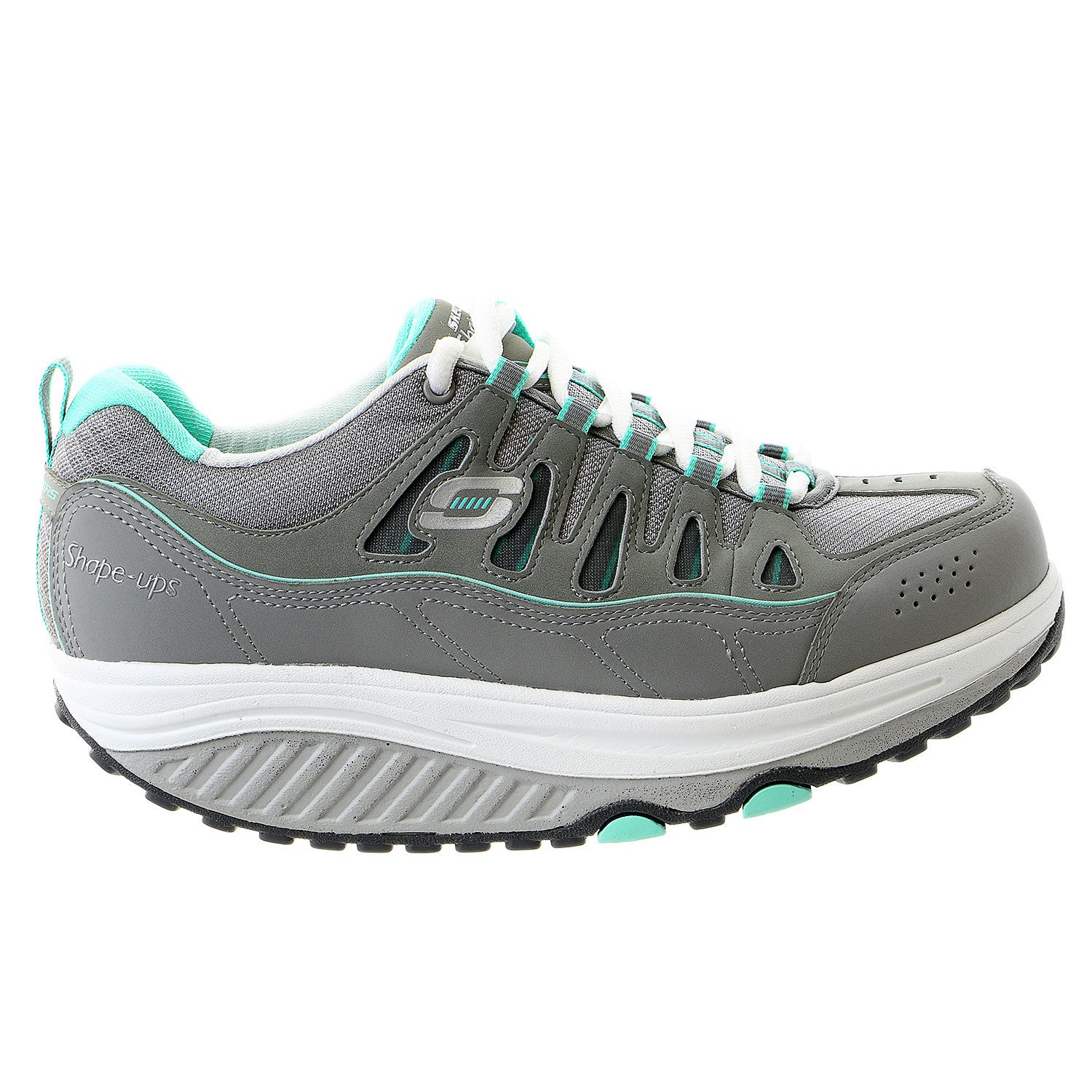
The Final Step: Integrating Your Shoes into a Walking Lifestyle
Your journey doesn’t end at purchase; it begins. The perfect shoe is a tool, and its effectiveness is maximized when used correctly. Break them in gradually; don’t embark on a full-day city tour straight out of the box. Wear them for a few hours at a time over the course of a week to allow the materials to mold to your foot and your body to adapt to their support profile. Pair them with quality walking socks—merino wool or synthetic blends that manage moisture—to enhance the climate control of the shoe’s upper. Listen to your body. If a particular area feels pressure, experiment with different lacing techniques, which can alleviate pressure on the instep or provide a more secure heel lock.
Ultimately, the right pair of shoes transforms walking from a mere mode of transport into a sustainable, joyful practice. They are the interface between your body and the world, modulating impact, providing security, and enabling exploration. The modern tennis shoe, with its legacy of court-ready performance re-engineered for the marathon of daily life, stands as a uniquely qualified candidate for this role. It offers a synthesis of support, cushioning, and durability that is often unmatched by more narrowly focused footwear. Choosing the best tennis shoes for walking is a deliberate act of self-care, an acknowledgment that every step counts, and that the foundation for a day of effortless movement is built, quite literally, from the ground up.
