

The Walking Shoe: Your Ultimate Guide to Comfort and Style for Every Outfit
Let’s discard the notion that comfort and style are mutually exclusive. The modern walking shoe stands as a testament to the fusion of biomechanical engineering and aesthetic design, offering a foundation that supports not just your steps, but your entire lifestyle. This isn’t about a single pair hidden in the closet for grocery runs; it’s about a versatile category of footwear designed to integrate seamlessly with your wardrobe, from casual weekends to smart-casual work environments, while prioritizing the long-term health of your feet and posture. The right pair becomes an extension of your personal style and a daily investment in your physical well-being.
The Anatomy of Comfort: More Than Just a Soft Sole
To understand the modern walking shoe, one must look beyond the surface. True comfort is a scientific achievement, built upon layers of specialized materials and design principles. The midsole, often crafted from EVA (ethylene-vinyl acetate) foam or polyurethane, is the heart of cushioning. As noted in biomechanics literature from institutions like the University of Calgary’s Human Performance Lab, the primary role of the midsole is to attenuate the ground reaction forces—the shock that travels up your skeleton with each step—by approximately 20-30%. This isn’t mere softness; it’s energy dispersion. The insole or sock liner provides a secondary layer of contouring, often with arch support to combat overpronation or supination. The outsole’s rubber compound and tread pattern, or lugs, are engineered for durability and traction, a principle well-documented in materials science for maximizing friction on varied surfaces. The upper, whether knit, mesh, or leather, must offer a secure, non-constrictive fit that allows the foot’s natural splay upon impact. A 2018 review in the Journal of Foot and Ankle Research emphasized that improper fit is a leading contributor to foot pathologies like bunions and neuromas. Therefore, a well-constructed walking shoe functions as a cohesive system, where each component addresses a specific physical demand of ambulation.
Style Synergy: Pairing Your Walking Shoe with Every Outfit Archetype
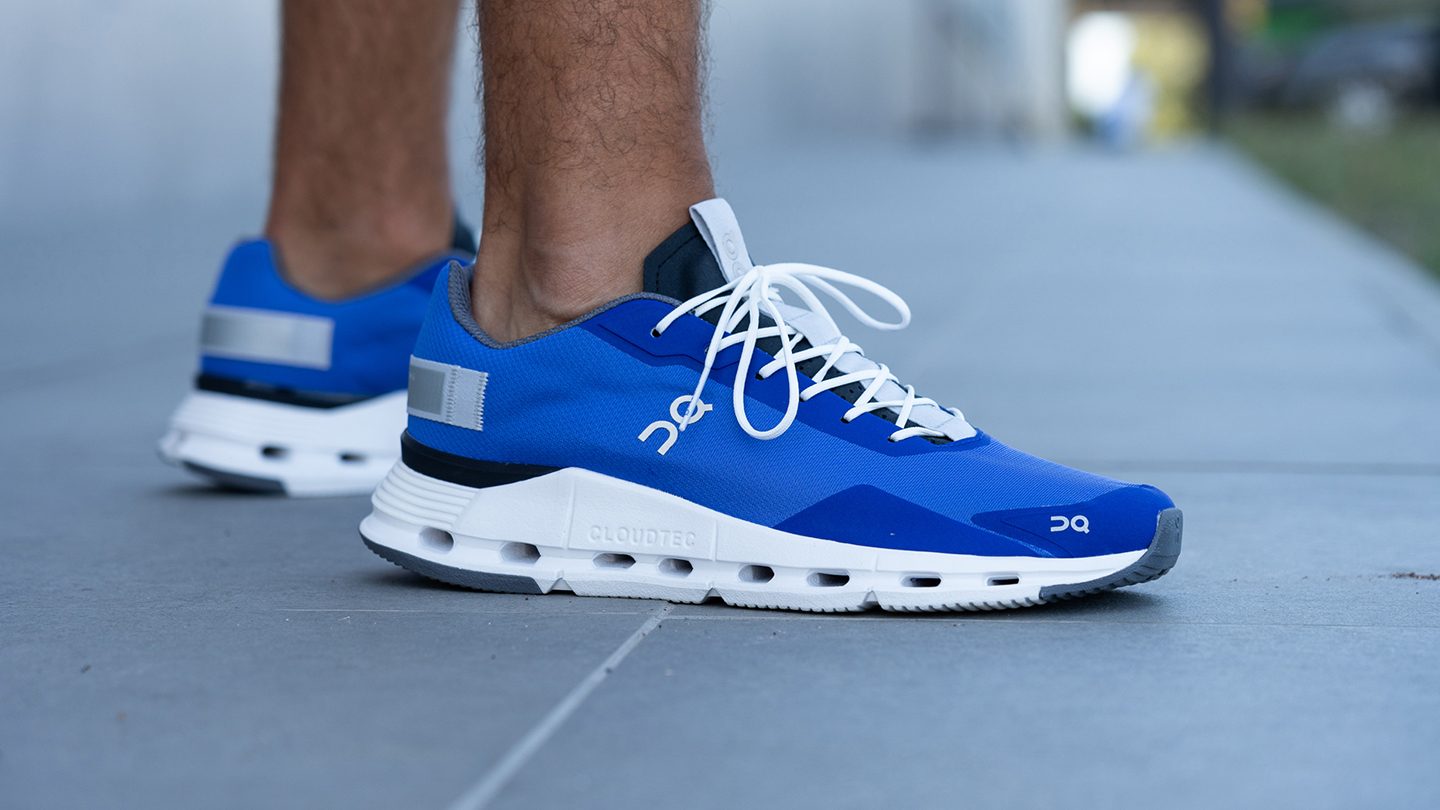
The stylistic evolution of performance footwear has been revolutionary. No longer confined to technical, brightly colored designs, today’s options draw from minimalist aesthetics, classic sneaker silhouettes, and even elements of formal wear. For a casual jeans-and-tee ensemble, a sleek, monochromatic knit sneaker from brands like Allbirds or Cole Haan’s Zerøgrand line provides a clean, modern finish. These models often utilize wool or tree fiber uppers, marrying sustainability with a tailored look. When navigating a smart-casual office environment, the key is to opt for a walking shoe in premium materials—think suede, nubuck, or polished leather—in neutral tones like charcoal, olive, or navy. The design should be streamlined, often with reduced branding. As fashion commentator Tim Gunn famously advocated for on Project Runway, “Make it work!”—a mantra that applies here by choosing footwear that balances professionalism with covert comfort. For athleisure, where the outfit itself signals an active intention, technical features can be more overt. A shoe with visible cushioning technology, like Nike’s Air Max or Adidas’s Boost, becomes a stylistic statement that complements joggers and technical fabrics. The overarching principle is intentionality: select a shoe whose form language—its color, texture, and silhouette—consciously dialogues with the rest of your outfit.
The Longevity Equation: When Science Says It’s Time to Replace
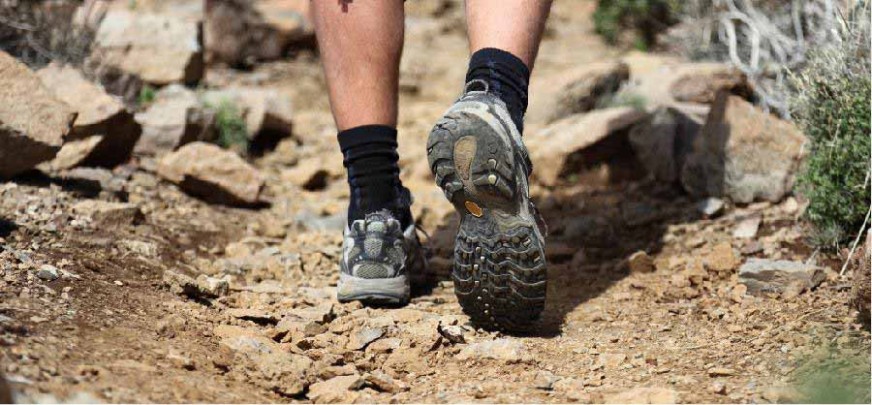
Your investment in a quality pair demands an understanding of its lifespan. The cushioning materials in the midsole do not break due to wear and tear you can always see; they fail through compression fatigue, a process where the foam cells permanently collapse and lose their ability to rebound. Podiatrists and sports medicine experts, including those cited by the American Podiatric Medical Association, consistently recommend replacement every 300 to 500 miles. For the average urban walker covering 3-5 miles daily, this translates to roughly every 6 to 9 months. However, this is not a rigid rule. A more reliable indicator is the “twist test.” Take your shoe and gently try to twist it along its longitudinal axis. A new, supportive shoe will resist this torsion. If it twists easily, the midsole’s structural integrity is likely compromised. Another sign is uneven wear patterns on the outsole, which can alter your gait mechanics and lead to knee, hip, or back pain. As renowned running coach and author Jack Daniels phrased it in his discussions on equipment, “Shoes are the cheapest form of injury insurance.” Ignoring replacement intervals negates the very benefits you sought, turning a protective device into a potential liability.
:max_bytes(150000):strip_icc()/when-should-i-replace-my-walking-shoes-3436325-0801-7a1840d83573471092e0380f9e230ecc.jpg)
Expert Voices and Cultural Footprints
The significance of proper footwear is echoed across diverse fields. In literature, the meticulous attention to a character’s shoes often reveals their practicality and station—consider the worn but sturdy boots of Tolkien’s hobbits, built for a long journey. In cinema, the shift in a character’s footwear can symbolize a transformation, a concept explored by costume designers in films like Forrest Gump, where the iconic running shoes represent a lifetime of movement. On platforms like YouTube, certified pedorthists and physical therapists, such as Dr. Ray McClanahan of Northwest Foot & Ankle or the channel “The Healthy Feet,” provide visual breakdowns of shoe mechanics, demystifying terms like “heel-to-toe drop” and “toe box volume.” Their consensus aligns: a shoe should protect the foot without dictating its natural function. Even historical figures understood this implicitly. The Roman military’s caligae, heavy-sandaled boots, were engineered for march endurance, a primitive but effective form of ergonomic design. These perspectives converge on a single truth: the interface between your body and the ground is not a trivial matter. It is a point of contact that has shaped human mobility, culture, and health for millennia.
Making the Informed Choice: A Buyer’s Considerations
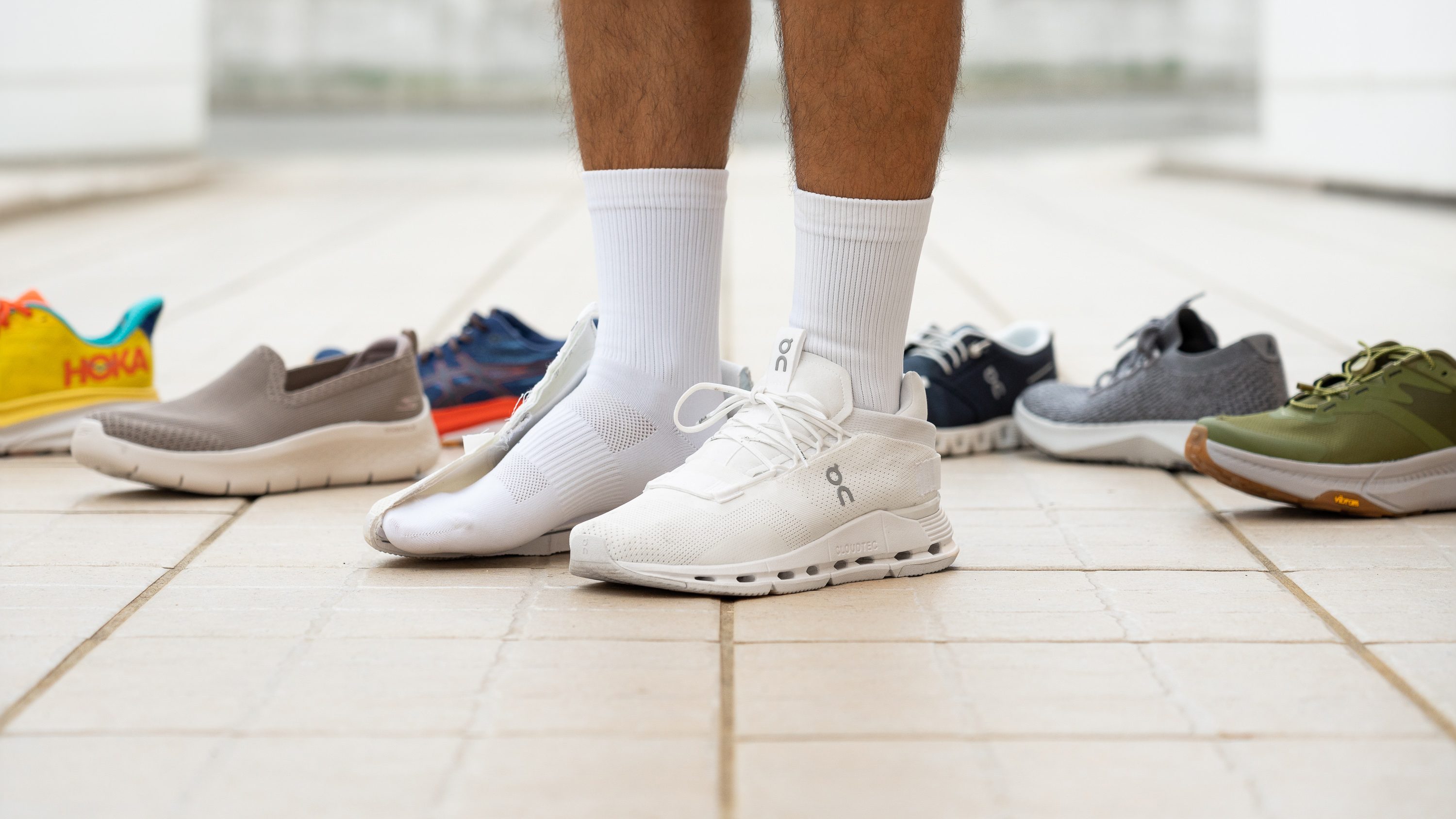
Navigating the market requires a strategic approach. First, identify your primary use-case: are you primarily on paved surfaces, trails, or a mix? A road-walking shoe will prioritize smoothness and cushion, while a trail variant will have a more aggressive lug pattern for mud and loose gravel. Second, understand your foot type. The “wet test”—examining the shape of your wet footprint on a paper bag—can reveal if you have a low, neutral, or high arch, guiding you toward the appropriate level of support. Third, shop in the afternoon, as feet naturally swell throughout the day. There should be about a thumb’s width of space between your longest toe and the end of the shoe. Finally, consider the technological offerings. Brands like HOKA with their maximalist cushioning, Brooks with their GuideRails support system, and On Running with their CloudTec cushioning each offer distinct philosophies. Don’t be swayed by marketing alone; look for peer-reviewed studies or white papers from the brands themselves that substantiate their claims. Your perfect walking shoe is the one that disappears on your foot—not because you forget it’s there, but because it creates such a harmonious, supported, and effortless experience that it becomes a natural part of your movement.
Your Next Step: Where Value Meets Performance
Armed with this knowledge, your acquisition strategy should balance quality with value. Premium models from ASICS, New Balance, or Saucony often retail between $120 and $160, representing the peak of current material and design technology. However, exceptional value can be found in previous seasons’ models, which frequently see discounts of 30-50% as new iterations are released. The core biomechanical improvements—the cushioning systems, stability features, and last shapes—often see only incremental updates year-to-year. Therefore, a model from one or two seasons prior typically offers 95% of the performance at a significantly reduced cost. Retailers like Zappos, REI, and direct brand outlet sites are excellent sources for such deals. Remember, the objective is not to find the cheapest shoe, but the shoe that offers the highest ratio of correct fit, appropriate technology, and durable construction for your investment. A $100 shoe that fits perfectly and lasts a year is a far better value than a $60 shoe that causes discomfort and needs replacing in six months. In the realm of footwear, true economy is measured in cost per comfortable mile.
The journey toward effortless mobility and cohesive style begins with a single, informed decision. By choosing a walking shoe that respects the science of your stride and the aesthetics of your life, you elevate the mundane act of walking into a sustained practice of well-being. Let your shoes be the unspoken foundation upon which confident, comfortable days are built.
