

The Versatile Staple for Every Season’s Wardrobe
In the ever-evolving landscape of fashion, where trends flicker and fade with the seasons, the pursuit of a truly versatile wardrobe anchor can feel elusive. We are often told to invest in classics, but the definition of a classic can be nebulous. Is it a little black dress? A crisp white shirt? While these are undoubtedly foundational, I propose a more dynamic, yet equally timeless, contender: the chocolate brown heels. This is not merely about a shoe; it’s about adopting a philosophy of dressing that prioritizes harmony, sophistication, and effortless adaptability. The right pair of chocolate brown heels transcends the basic, acting as a sartorial keystone that bridges the gap between casual ease and formal elegance, between summer’s lightness and winter’s depth. They are the silent orchestrator of a cohesive wardrobe, a single element that can redefine your approach to style across all 365 days of the year.
The Chromatic Psychology of Chocolate Brown: More Than Just a Color
To understand the power of this particular hue, we must first dissect its scientific and psychological foundations. Color theory, a discipline explored by institutions like the Pantone Color Institute and in art and design programs globally, positions brown as a composite color, often created by mixing complementary colors like orange and blue or red and green. This genesis makes it inherently balanced and complex. Unlike stark black or pure white, brown carries the warmth of the earth and the richness of natural materials. Psychologically, as noted in numerous design and marketing studies cited on platforms like Quora and in academic literature, brown evokes feelings of stability, reliability, warmth, and approachability. It is the color of rich soil, aged leather, and dark chocolate—all symbols of substance and organic luxury. When this depth is applied to a heel, it creates a footwear option that is both grounding and elevating. A chocolate brown heel doesn’t scream for attention; it commands respect through its understated confidence. It provides a visual anchor that is less severe than black, more sophisticated than beige, and more versatile than navy. This chromatic intelligence is what allows it to pair seamlessly with the entire spectrum—from the palest pastels to the boldest prints, from denim to silk.
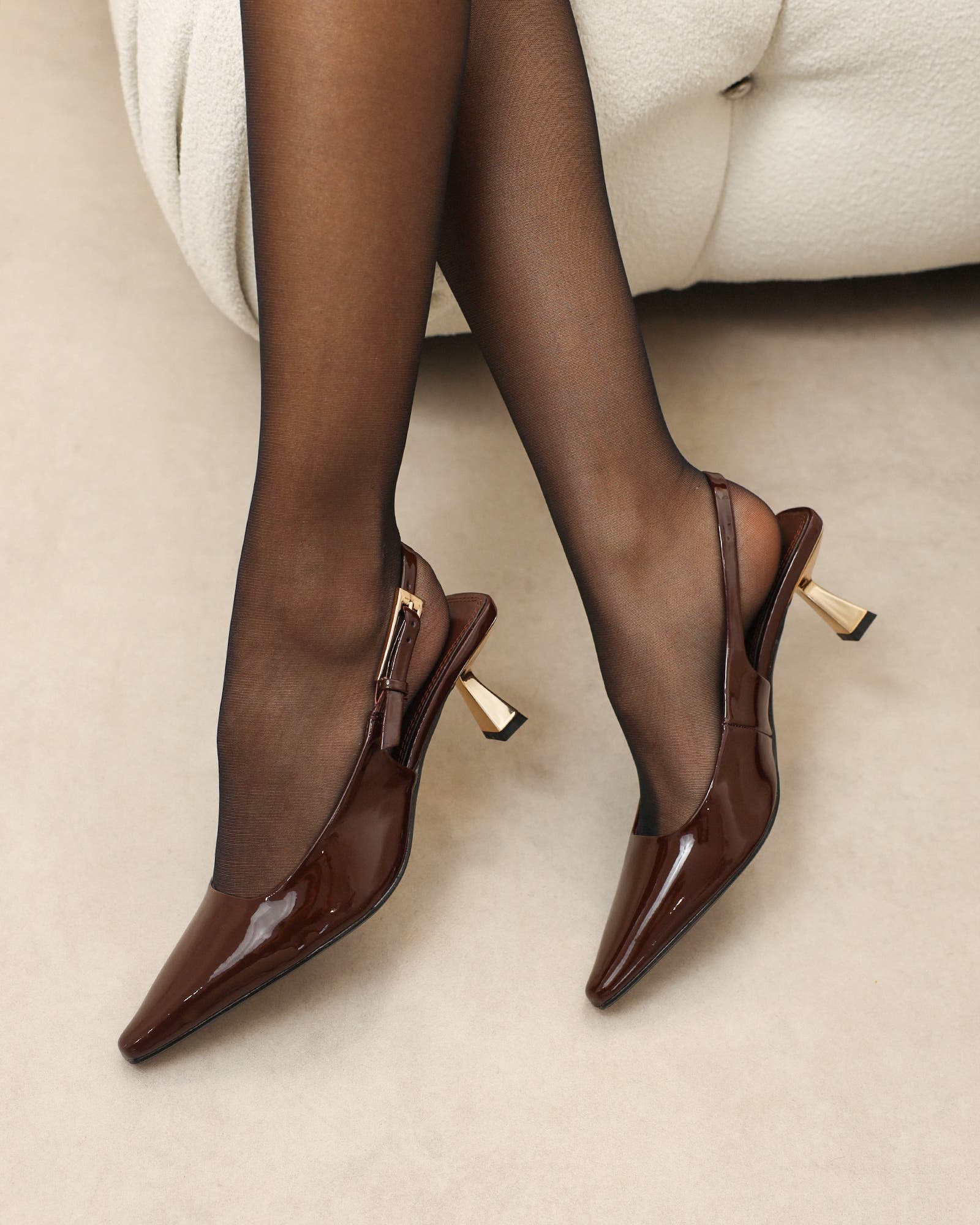
Architectural Versatility: From Daybreak to Midnight
The true test of a wardrobe staple is its ability to perform across varied scenarios. Let’s architect a day with this single item. In the morning, picture a pair of sleek, block-heeled chocolate brown ankle boots. Paired with raw-hemmed jeans, a chunky ivory knit sweater, and a tailored camel coat, this ensemble speaks of casual intelligence. The brown heel connects the earthy denim and the warm coat, creating a monochromatic flow that is deeply chic and perfectly suited for a weekend brunch or a creative work environment. This aligns with the “elevated basics” philosophy championed by style icons like Lauren Hutton and brands such as The Row, where luxury is derived from cut, fabric, and harmonious pairing rather than overt branding. Transition to the afternoon: swap the boots for a pair of chocolate brown leather loafers with a modest heel. With a midi skirt in olive green and a simple turtleneck, the look becomes academically inspired and effortlessly polished. The heel provides just enough structure to elevate the silhouette without sacrificing comfort. Finally, for evening, a classic pointed-toe pump in the same rich hue is transformative. As fashion historian and curator Valerie Steele has often discussed in her lectures at The Fashion Institute of Technology, the pump is a symbol of modern femininity and power. A chocolate brown version, paired with a sleek black jumpsuit or a fluid emerald green dress, avoids the potential harshness of a black-on-black look. It adds a layer of warmth and richness that is profoundly elegant. The shoe becomes a bridge, allowing one garment to traverse the entire day.
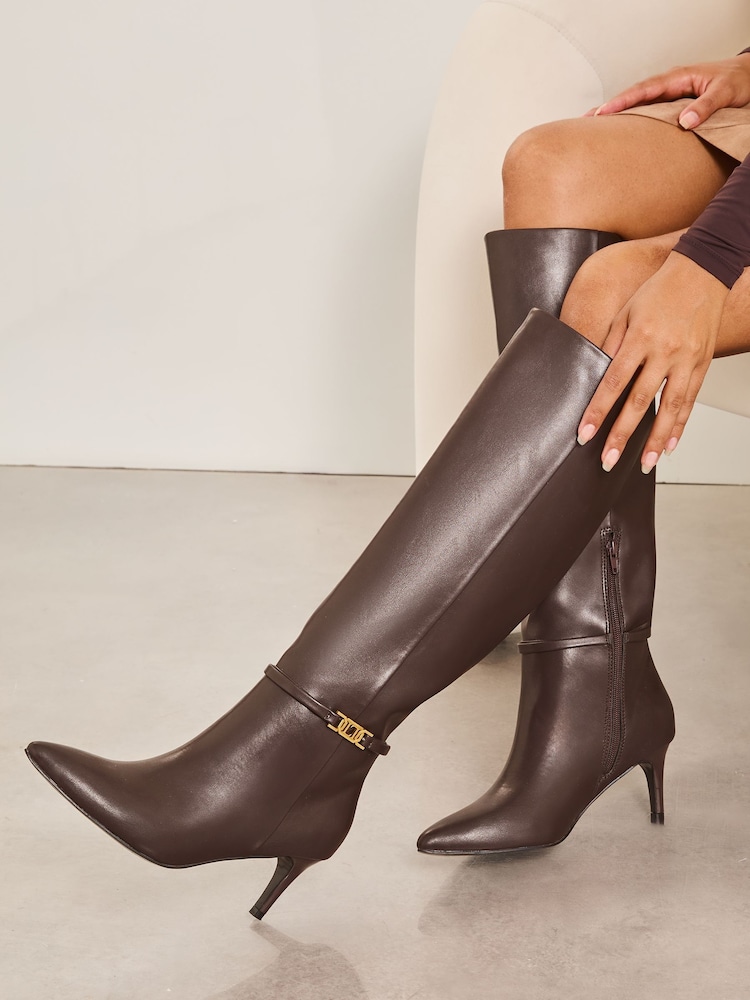
The Material Science of Enduring Style
An objective analysis of longevity must consider material science. A staple is only as good as its construction. High-quality chocolate brown heels are typically crafted from full-grain leather or suede. Full-grain leather, the top layer of the hide, retains the natural grain, making it the strongest and most durable. Over time, it develops a patina—a soft, sheened surface unique to the wearer—enhancing its character, much like a well-loved leather armchair. Suede, the inner layer of the hide, offers a tactile, soft finish that absorbs and reflects light differently, giving the brown a more muted, luxurious texture. The choice between the two is a matter of aesthetic preference, but both, when properly cared for, promise years of service. This isn’t mere opinion; it’s a principle upheld by master cobblers and institutions like the Cordwainers College at London College of Fashion, which emphasize material integrity as the cornerstone of footwear design. Investing in quality materials means your heels resist scuffs, maintain their shape, and, crucially, provide proper support. The discounted initial price of a poorly made shoe is a false economy when measured against the cost-per-wear and foot health implications of a well-constructed pair. True value lies in the craftsmanship that allows this versatile piece to endure season after season.
Cinematic and Literary Testaments to Timelessness
The cultural resonance of the brown heel is not a modern invention. We can find its echoes in the annals of film and literature, where it often symbolizes a specific, understated kind of allure. Consider the pragmatic yet sophisticated wardrobe of Katharine Hepburn’s characters, often built on tailored trousers and sensible, elegant shoes that prioritized character over frivolity. In more contemporary cinema, characters like Alicia Florrick in The Good Wife wielded power through a wardrobe of sharp, neutral-toned suiting, often anchored by heels in rich, non-black tones. In literature, the description of a character’s attire can reveal volumes. While not always explicitly “chocolate brown heels,” the idea of practical, handsome footwear is a recurring motif for competent, grounded characters. As author and style observer Tish Jett once noted in her book Forever Chic, French women master the art of the “just-so” accessory—the one perfect bag, belt, or pair of shoes that completes everything. A premium pair of chocolate brown heels fits this archetype perfectly. It is the “just-so” item that whispers taste rather than shouting trend, a viewpoint consistently validated by style authorities from Vogue to Who What Wear.
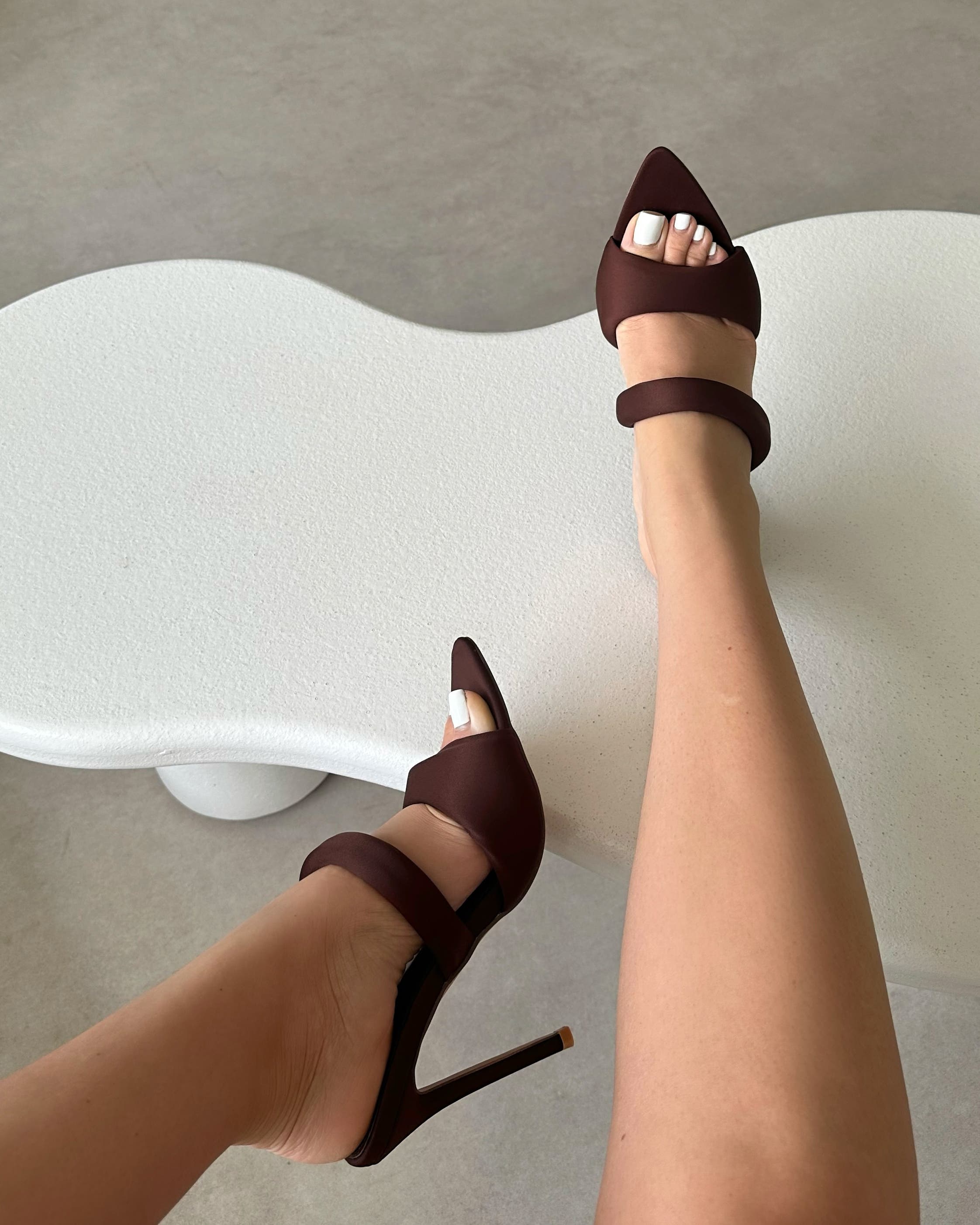
Curating Your Wardrobe Around a Central Pillar
Adopting this staple requires a shift in perspective: view your chocolate brown heels as the central pillar from which your outfits extend. Start by assessing your existing wardrobe. You will likely find that this hue creates a harmonious dialogue with virtually every color family. With neutrals (black, white, grey, beige), it adds warmth. With earth tones (olive, rust, cream), it creates a sophisticated, tonal look. With bold colors (red, royal blue, magenta), it provides a stabilizing, earthy counterpoint that makes the color pop without overwhelming. Even with challenging patterns like floral or geometric prints, a solid brown heel can often find a color within the pattern to resonate with, tying the look together. This is the practical application of color harmony principles. The goal is cohesion, not matchy-matchy uniformity. By starting your outfit with this versatile anchor, you simplify decision-making. The question shifts from “Which shoes go with this?” to “How will I style my brown heels today?” This framework not only saves time but also encourages more creative and intentional combinations, maximizing the utility of every garment you own.
A Sustainable Choice in a Disposable Culture
In an era increasingly conscious of fashion’s environmental footprint, versatility is the cornerstone of sustainable dressing. The Ellen MacArthur Foundation, a global thought leader on the circular economy, emphasizes that the most sustainable garment is the one already in your wardrobe, worn frequently and for a long time. A shoe that can be worn across seasons and for a multitude of occasions inherently has a lower cost-per-wear and a higher utilization rate. By choosing a timeless style in a enduring color and superior quality, you are actively participating in a “buy less, choose well, make it last” philosophy, famously advocated by the late designer Vivienne Westwood. This pair of heels is an antidote to fast fashion. It won’t be rendered obsolete by next season’s neon or glitter trend because its value lies outside the trend cycle. Its sustainability is baked into its very design purpose: to be the reliable, go-to piece that negates the need for multiple, single-purpose pairs of shoes. In this light, the investment is not just in your style, but in a more considered approach to consumption.
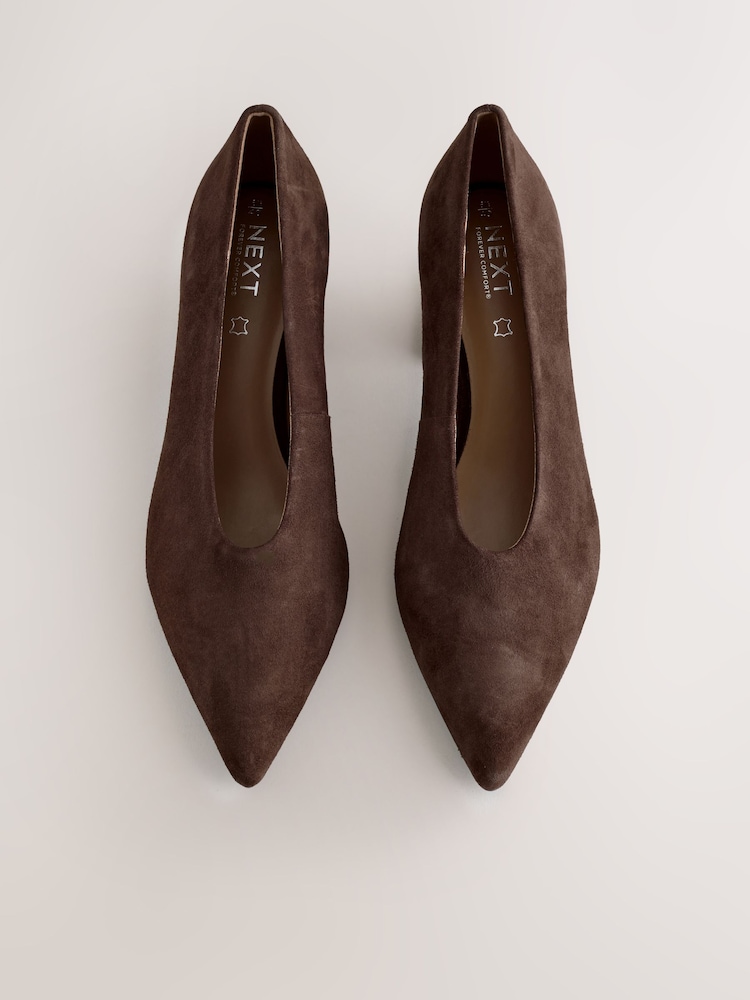
Ultimately, the pursuit of a versatile staple is a search for sartorial wisdom. It is about identifying the pieces that do not just occupy closet space, but actively expand the potential of everything else they accompany. The chocolate brown heels stand as a testament to this principle. They are a synthesis of scientific color theory, practical design, material durability, and cultural timelessness. They ask for no fanfare but provide unwavering support to your style identity, regardless of the weather, the occasion, or the passing whims of fashion. They are not a conclusion to your wardrobe, but a beginning—a foundational key that unlocks a more cohesive, confident, and intelligent way to dress, every single day of the year.
