

The Ultimate Guide to Toe Walker Shoes for Effortless Chic
In the ever-evolving landscape of fashion, where personal expression meets functional design, a new category of footwear is carving out a distinct niche. This isn’t about following a fleeting trend; it’s about embracing a design philosophy that aligns with a specific, often misunderstood, biomechanical pattern. The conversation around toe walker shoes transcends mere aesthetics, delving into the intersection of anatomy, personal style, and innovative footwear engineering. For those who navigate the world on the balls of their feet, whether by habit, necessity, or comfort, the quest for shoes that cater to this gait without sacrificing style has been a longstanding challenge. This guide posits that the right pair of toe walker shoes can be the cornerstone of an effortlessly chic wardrobe, offering not just comfort but a profound sense of confidence and physical ease. We will move beyond superficial style tips to explore the scientific rationale, design principles, and sartorial strategies that make these shoes a revolutionary tool for a specific community.
Decoding the Gait: The Science Behind Toe Walking
To truly appreciate the design of specialized footwear, one must first understand the biomechanics it supports. Toe walking, or equinus gait, is characterized by a pattern where the heel makes little or no contact with the ground during the stance phase of walking. From a clinical perspective, as noted in resources from institutions like the Johns Hopkins Medicine, persistent toe walking beyond early childhood can be idiopathic (without a known cause) or associated with neurological conditions such as cerebral palsy or muscular dystrophy. However, for a significant number of adults, it is simply a habituated gait pattern—a personal norm that feels most natural. This gait places unique demands on the body. The calf muscles (gastrocnemius and soleus) are in a perpetually shortened, contracted state, and the Achilles tendon experiences constant tension. Conventional shoes, with their rigid, elevated heels and structured soles, can force the foot into an unnatural position for a toe walker, leading to discomfort, instability, and even pain. The core need, therefore, is for footwear that accommodates a more acute ankle angle and provides stability and cushioning at the forefoot, which bears the brunt of the body’s weight. This isn’t a preference for high heels; it’s a fundamental requirement for anatomical alignment in a shoe that respects the individual’s default posture.
Architectural Principles: What Defines a True Toe Walker Shoe?
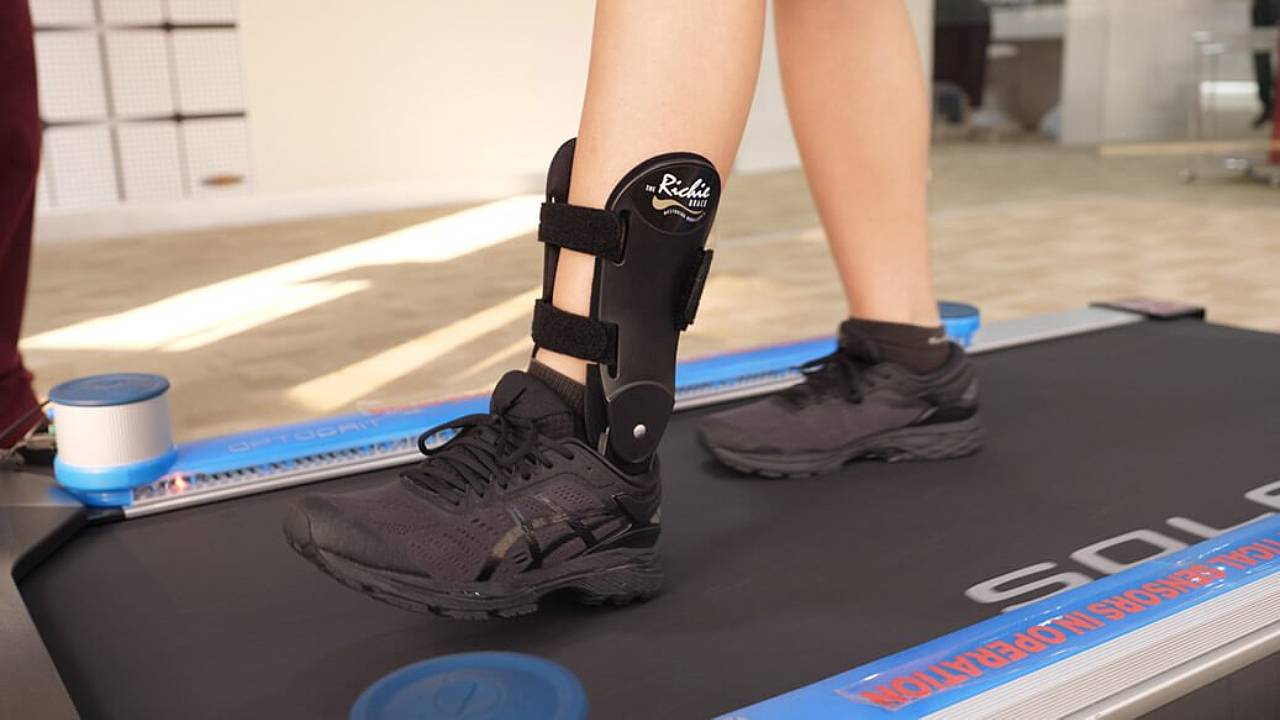
The market is flooded with various types of footwear, but a genuine toe walker shoe is built on specific architectural pillars. First and foremost is the minimal heel-to-toe drop. Traditional running shoes often have a “drop” of 10mm or more, meaning the heel is significantly higher than the forefoot. For a toe walker, this design is counterproductive. The ideal shoe features a zero-drop or minimal-drop platform, allowing the foot to sit in a neutral position that mirrors their natural stance. Secondly, forefoot flexibility and cushioning are paramount. The shoe must bend easily at the metatarsal heads (the ball of the foot) to facilitate the toe-off phase of the gait cycle. Simultaneously, ample, responsive cushioning in the forefoot absorbs impact, protecting the joints. Third is ankle and heel design. A wide, secure heel cup provides stability, while a collar that doesn’t dig into the Achilles tendon is crucial. Many designs feature a “heel relief” or cut-out in this area. Finally, a wide toe box is non-negotiable. Toe walking often engages the toes for balance and propulsion; cramping them into a narrow space can lead to deformities like bunions or hammertoes. As renowned biomechanist Katy Bowman often discusses in her work on “nutritious movement,” footwear should allow the foot to function as nature intended. A well-designed toe walker shoe does precisely that: it creates a protective environment that doesn’t fight the body’s mechanics but supports them.

From Clinic to Catwalk: The Style Evolution
The historical association of such footwear was purely clinical—orthopedic shoes often prioritized function at the explicit expense of form. This dichotomy is now obsolete. The rise of the wellness-centric fashion movement and brands championing “barefoot” or “natural” aesthetics has catalyzed a design revolution. Today’s leading toe walker shoes are conceived with a dual mandate: uncompromising biomechanical support and sophisticated style. We see this in sleek minimalist sneakers from brands like Vivobarefoot or Xero Shoes, which offer zero-drop soles in designs that wouldn’t look out of place in a modern art gallery. We see it in elegant loafers and ballet flats that incorporate hidden, flexible soles and wide toe boxes. The fashion industry, often a barometer of cultural shifts, has begun to reflect this. In her book “The Conscious Closet,” fashion journalist Elizabeth L. Cline advocates for a wardrobe built on personal comfort and ethics—principles that align perfectly with the intentional choice of functional, well-made shoes. The message is clear: looking polished and feeling physically aligned are not mutually exclusive. The modern toe walker can step out in footwear that garners compliments for its design while providing a foundation of profound comfort.
Curating Your Capsule: A Stylist’s Approach to Toe Walker Footwear
Building a versatile wardrobe with these specialized shoes requires a strategic, capsule-based approach. The goal is to acquire a few key pairs that cover all social and professional contingencies. Let’s break it down into essential categories. First, the Urban Utility Sneaker: This is your workhorse. Choose a design in a neutral color like black, white, or grey. Its zero-drop platform, flexible sole, and breathable upper make it ideal for daily errands, travel, or casual work environments. Pair it with cropped trousers, straight-leg jeans, or midi skirts for an instantly polished, off-duty model look. Second, the Professional Silhouette: This could be a refined loafer, a sleek oxford, or a sophisticated ballet flat. Look for brands that use buttery-soft leathers and have eschewed traditional stiffening in the sole. As style icon and actress Zoe Saldana once noted in an interview, “Comfort is the ultimate luxury. When you’re comfortable, you carry yourself with a different kind of confidence.” A comfortable, stylish flat is infinitely more powerful than a painful stiletto. Third, the Seasonal Essential: For colder months, seek out ankle boots or booties with a wide shaft to accommodate the calf, a low heel, and a flexible forefoot. The key is to avoid rigid construction. With these three pillars, you create a foundation that ensures you are appropriately and comfortably dressed for nearly any occasion, without ever compromising on the support your gait requires.
The Insider’s Edge: Pro Tips and Professional Integration
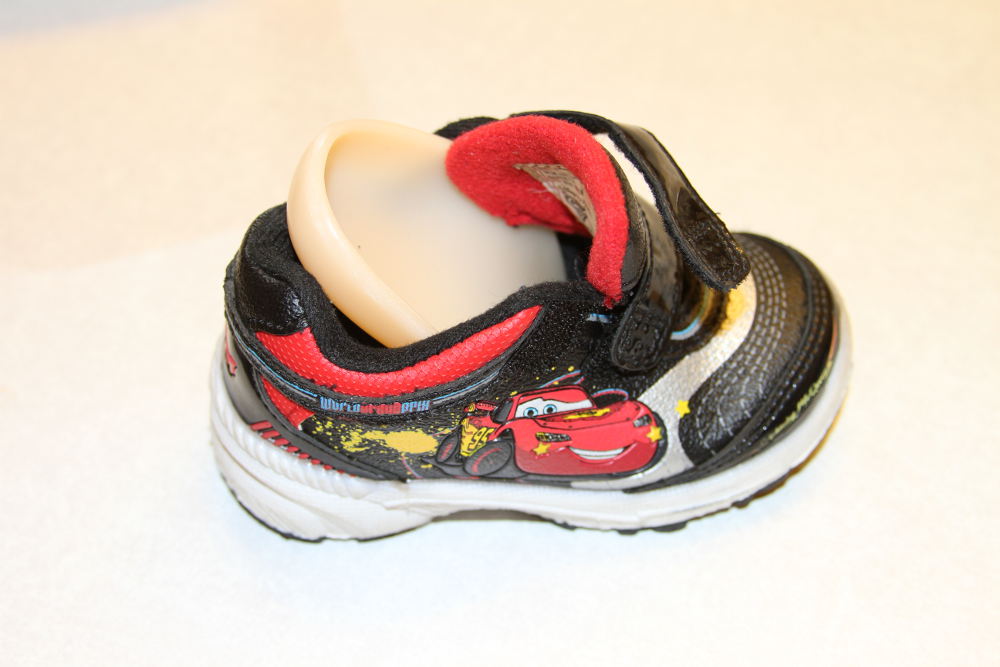
Mastering the use of toe walker shoes involves more than just purchasing them; it’s about integration and optimization. One critical pro tip is the strategic use of custom orthotics or insoles. Even the best shoe may benefit from a personalized touch. A podiatrist can create custom orthotics that provide targeted support to the metatarsal arch, further distributing pressure and enhancing stability. These can be seamlessly transferred between your different pairs of shoes. Another consideration is the transition period. If you are moving from conventional footwear, your feet and lower leg muscles will need time to adapt to the new mechanics. Start by wearing your new shoes for a few hours a day and gradually increase. Furthermore, complement your footwear with focused stretching. Gentle, consistent stretching of the calf muscles and Achilles tendon, as often recommended by physical therapists on platforms like YouTube’s Bob & Brad channel, can improve flexibility and comfort over time. Finally, remember that maintenance is key. The flexible materials used in these shoes often require specific care. Regular cleaning and occasional conditioning of leather uppers will prolong their life and appearance, protecting your investment.
Investing in Alignment: Value Beyond the Price Tag
It is an undeniable reality that footwear engineered to such specific biomechanical standards often carries a higher initial price point than mass-market alternatives. However, this is a classic case where cost must be evaluated through the lens of long-term value—both financial and physical. A well-constructed pair of shoes from a reputable brand uses higher-quality, more durable materials, meaning they will last for years rather than months, reducing the cost-per-wear significantly. More importantly, the investment is in your physical well-being. Ill-fitting, inappropriate shoes can contribute to a cascade of issues: knee pain, back pain, plantar fasciitis, and exacerbated postural problems. By providing proper alignment and support, the right shoes act as preventive healthcare. To make this investment more accessible, savvy shoppers should leverage end-of-season sales, subscribe to brand newsletters for exclusive discounts, and explore reputable online retailers that often have competitive pricing. Consider it not as an expense for a mere accessory, but as a foundational investment in your mobility and style infrastructure. The confidence of walking through your day without discomfort or pain is priceless, and that is the ultimate return on investment that these shoes provide.

The journey to effortless chic is deeply personal, and for the toe walker, it is intrinsically tied to the foundation upon which they stand. This exploration reveals that the pursuit of the perfect toe walker shoes is far more than a search for comfort—it is an act of self-knowledge and intentional design. It involves understanding the unique language of your own body, seeking out the architectural innovation that answers it, and curating a style that expresses who you are without apology. The modern market now offers solutions that bridge the old divide between clinic and catwalk, proving that sophistication need not be sacrificed at the altar of support. By choosing footwear that honors your natural gait, you are not just accessorizing an outfit; you are empowering your stride, investing in your long-term physical harmony, and ultimately, crafting a presence in the world that is both poised and profoundly at ease. The path to effortless chic begins from the ground up, with every step taken in confident, conscious alignment.
