

The Walking Shoe: Your Secret to Effortless Style and All-Day Comfort
Forget the notion that comfort and style exist in separate realms. The modern pursuit of well-being and aesthetic expression has converged in a single, powerful object: the walking shoe. This is not about the purely technical running sneaker relegated to the gym bag, nor the rigid dress shoe that punishes the foot by midday. This is about a category designed for the rhythm of real life—for the city wanderer, the busy professional, the weekend explorer. The right pair is a foundational tool, a silent partner in your daily narrative that empowers you to move through the world with confidence, ease, and undeniable flair. It is the secret weapon in the wardrobe of those who understand that true style is never at odds with how you feel.
The Anatomy of All-Day Comfort: More Than Just a Soft Sole
To dismiss comfort as mere softness is to misunderstand the engineering marvel that a proper walking shoe represents. Scientific and podiatric principles converge to create an experience that supports the entire kinetic chain. Let’s dissect the key components. First, the midsole cushioning, often made from advanced materials like EVA (ethylene-vinyl acetate) foam, polyurethane, or proprietary compounds like Brooks’ DNA LOFT or ASICS’ GEL. According to research from the Spaulding National Running Center, affiliated with Harvard Medical School, the primary role of cushioning isn’t just impact absorption at the heel; it’s about managing the rate of load and providing a smooth transition, or “roll,” through the gait cycle from heel strike to toe-off. This reduces peak forces on joints, a principle supported by biomechanics literature from institutions like the University of Calgary’s Human Performance Lab. Second, we have the often-overlooked insole or sockliner. This is your shoe’s first point of contact with your foot, managing moisture and providing initial arch support. A quality insole is contoured, not flat, acknowledging the medial longitudinal arch that is fundamental to foot structure. Finally, the upper construction. Here, breathable, flexible materials like engineered mesh allow for natural foot expansion and thermoregulation. As noted by the American Podiatric Medical Association (APMA), a shoe that constricts or overheats can lead to a host of issues, from blisters to exacerbated foot conditions. True comfort, therefore, is a holistic symphony of cushioning, support, structure, and climate control—all working in concert to make the foot forget it is even in a shoe.
Biomechanics in Motion: How Your Foot Actually Works
Understanding the foot’s function is key to appreciating a great walking shoe. The human foot is a complex structure of 26 bones, 33 joints, and over 100 muscles, tendons, and ligaments. During a standard walking gait, the foot undergoes a precise sequence: heel strike, foot flat, mid-stance, heel-off, and toe-off. A quality walking shoe is designed to facilitate this natural motion, not hinder it. This is where the concept of “heel-to-toe drop” or “offset” becomes relevant. A moderate drop (typically 8-12mm) helps guide the foot through the gait cycle efficiently. Furthermore, the flexibility of the forefoot is critical. Try bending a shoe in your hands; it should flex easily at the ball of the foot, mirroring where your own foot bends. A rigid sole forces the muscles in your feet and calves to work overtime, leading to fatigue. The rocker sole, a design feature championed by brands like HOKA and seen in many recovery shoes, is a scientific application of this principle. It creates a curved geometry that propels the foot forward, reducing the energy required for toe-off. As Dr. Casey Kerrigan, a former Harvard Medical School professor and founder of a biomechanics-focused footwear company, has stated in interviews, “The goal is to let the body move the way it’s designed to move.” A shoe that aligns with your biomechanics doesn’t just feel good; it enhances your natural efficiency.
The Silent Language of Style: When Form Meets Function
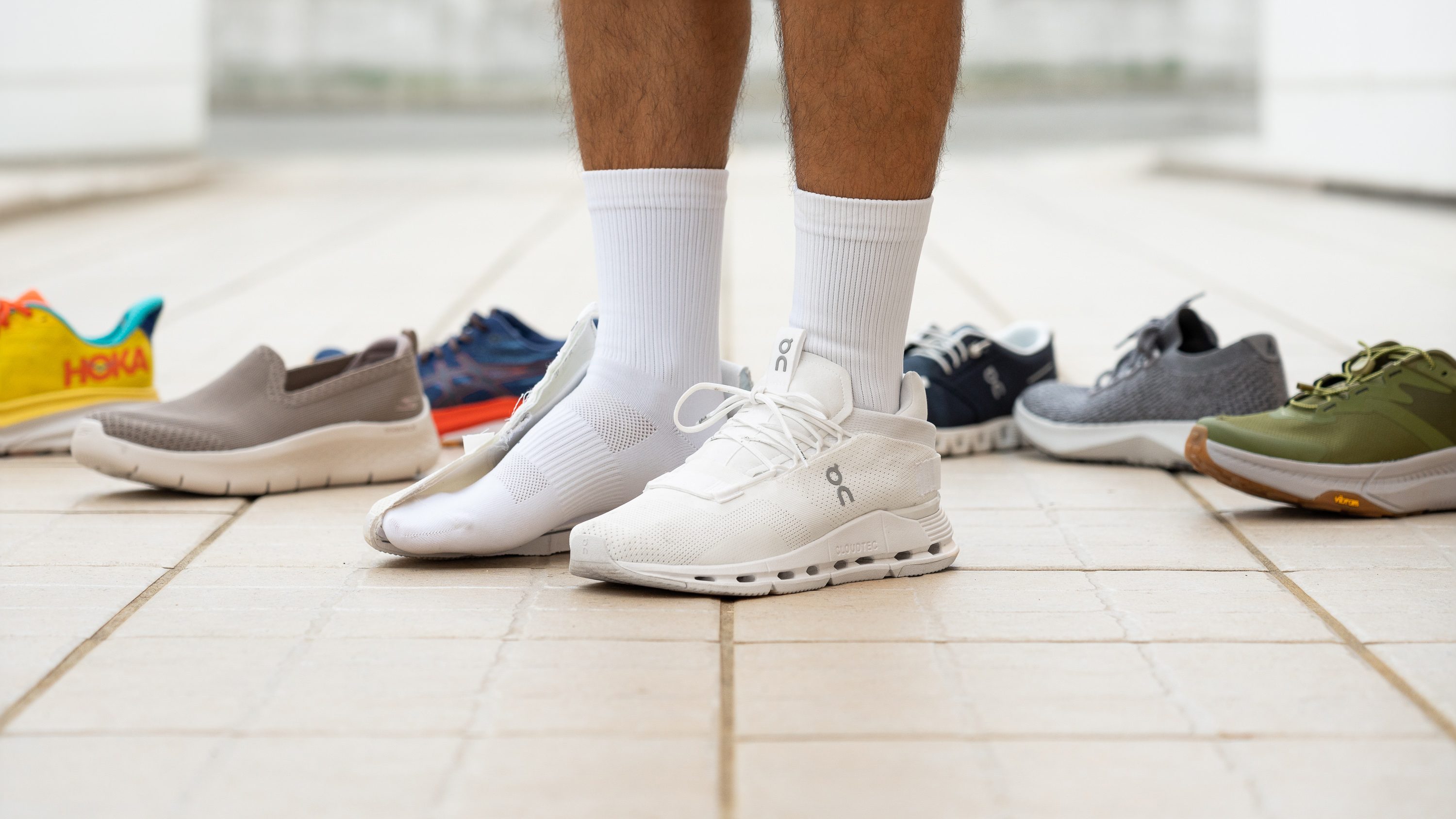
Style in footwear has undergone a seismic shift. The dictum “look good, feel good” has been inverted by a generation that prioritizes “feel good, look good.” The aesthetic of the contemporary walking shoe is one of intelligent design. Clean lines, monochromatic colorways, premium material textures (like suede overlays on technical mesh), and minimalist branding have elevated the sneaker from sportswear to a sartorial staple. This isn’t a passing trend but a reflection of a broader cultural movement towards integrated living. We see this in the “athleisure” phenomenon, analyzed by business publications like Forbes and The Business of Fashion, which notes the blurring of boundaries between performance wear and everyday fashion. The influence is also cinematic. Consider the ubiquitous presence of stylish, comfortable sneakers on characters in everything from tech thrillers to modern dramas—they signal a character who is active, prepared, and contemporary. The walking shoe has become a symbol of pragmatic elegance. It pairs effortlessly with tailored trousers, denim, or even midi dresses, offering a look that is both polished and approachable. It communicates that the wearer values both aesthetics and autonomy—the autonomy to walk a city for hours without a second thought to their feet.
Material World: Innovation at Your Feet
The revolution in comfort and style is driven by material science. Today’s uppers utilize knitted fabrics, like Adidas’s Primeknit or Nike’s Flyknit, which provide a dynamic, sock-like fit that moves with the foot. These materials offer targeted zones of stretch and support, breathability, and a significant reduction in weight and waste compared to traditional cut-and-sew methods. In the realm of sustainability, brands are increasingly turning to recycled polyester, ocean plastics, and plant-based materials for midsoles and uppers, a fact often highlighted in environmental reports and on platforms like the Sustainable Apparel Coalition’s Higg Index. Furthermore, advancements in outsole rubber compounds provide durable traction without adding stiffness. The result is a shoe that feels less like a piece of equipment and more like a natural extension of the body. This material innovation directly translates to the user experience. A lighter shoe reduces leg fatigue over distance. A more breathable upper prevents the clammy discomfort that can ruin a day. A flexible, grippy outsole provides confidence on varied surfaces. These aren’t mere specs on a box; they are tangible benefits that contribute to the effortless experience promised by a superior walking shoe.
The Investment in Your Foundation: Knowing When to Let Go
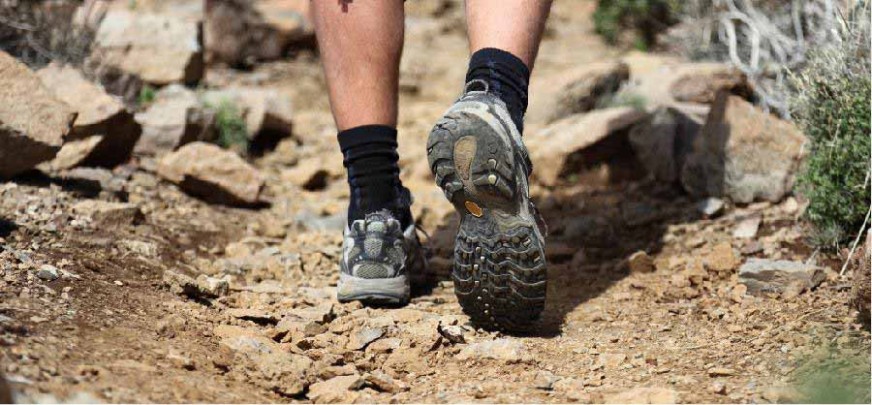
Even the perfect shoe has a finite lifespan. The cushioning materials in the midsole compress and lose their resiliency with every step, long before the outsole shows significant wear. Continuing to wear worn-out shoes is one of the most common causes of preventable foot, knee, and even back pain. The general guideline from exercise physiologists and podiatrists, frequently cited on health platforms like Verywell Fit, is to replace walking shoes every 300 to 500 miles. For the average person walking 3-5 miles per day, that translates to roughly every 3 to 6 months. Signs of retirement aren’t always visual. Listen to your body. Do you feel new aches in your shins or arches? Does the shoe feel less supportive or “dead” underfoot? Perform a simple flex and twist test. A shoe that twists too easily in the midfoot has lost its structural integrity. Investing in a new pair is not an expense; it is a proactive investment in your musculoskeletal health and continued comfort. It is the maintenance required for the tool that carries you through life.
:max_bytes(150000):strip_icc()/when-should-i-replace-my-walking-shoes-3436325-0801-7a1840d83573471092e0380f9e230ecc.jpg)
Finding Your Match: A Guide Beyond the Hype
With countless options, selection can be daunting. Move beyond marketing claims and focus on fit and feel. Always try shoes on in the afternoon, as feet naturally swell throughout the day. Wear the socks you intend to pair them with. There should be about a thumb’s width of space between your longest toe and the end of the shoe. The heel should be snug but not tight, with minimal slippage. Walk on a hard surface, not just carpet. Pay attention to the arch support—it should feel supportive, not intrusive or absent. Consider your specific needs. Do you have a neutral gait, or do you overpronate (your foot rolls inward excessively)? Many specialty running stores offer free gait analysis, a valuable service that can guide you toward the right category of support. Remember, the most expensive or most hyped model is not necessarily the best for you. The perfect walking shoe is the one that disappears on your foot, allowing you to move freely and forget about it entirely. It is a personal tool, and its selection is the most critical step.
The journey toward effortless style and unwavering comfort begins from the ground up. It is a conscious choice to reject the false dichotomy between looking polished and feeling vitalized. By embracing the engineered intelligence, biomechanical harmony, and refined aesthetics of the modern walking shoe, you equip yourself for the dynamic pace of contemporary life. This is not merely about footwear; it is about adopting a philosophy where well-being is the ultimate foundation of style, and every step you take is a confident, comfortable, and stylish stride forward.
