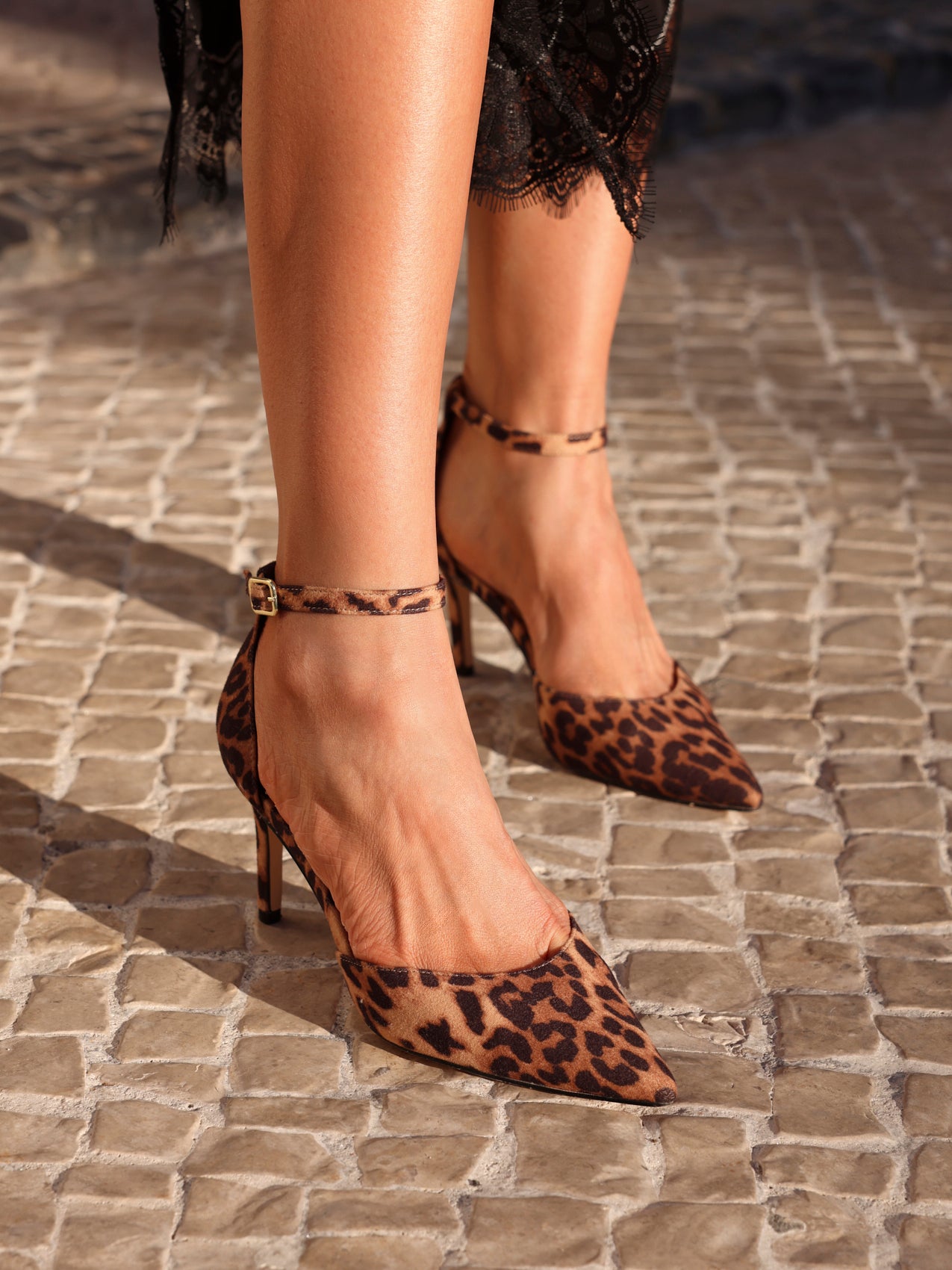
How to Style These Wild Statement Shoes
Statement shoes, particularly those adorned with audacious patterns like animal prints, are not merely footwear; they are a proclamation of personal identity and sartorial courage. Moving beyond the safe harbor of neutral tones, these pieces invite us into a dialogue with fashion that is vibrant, intentional, and deeply personal. This exploration is not about following transient trends, but about understanding the principles of visual balance, historical context, and psychological impact that allow a single, powerful item to transform an entire ensemble. We will dissect how to integrate these bold choices into your wardrobe seamlessly, ensuring they amplify your style rather than overwhelm it.
The Psychology and Heritage of the Animal Print
Before lacing up a pair of leopard-print boots or stepping into cheetah print heels, it is valuable to comprehend their cultural and psychological resonance. Historically, animal prints have symbolized power, royalty, and a connection to the untamed. As noted by fashion historian Dr. Valerie Steele in her work for The Museum at the Fashion Institute of Technology, the popularity of leopard print in Western fashion surged in the post-war era, embodying a new sense of daring and exoticism championed by designers like Christian Dior. From a psychological perspective, wearing such patterns can be an act of “enclothed cognition”—a term explored in research from Northwestern University, which suggests that the clothes we wear can systematically influence our psychological processes. Choosing a bold shoe can thus be a tool for projecting confidence and embracing a more assertive persona. This isn’t mere ornamentation; it’s a non-verbal communication strategy rooted in both anthropology and cognitive science. Understanding this foundation allows us to move past seeing these shoes as simply “loud” and instead appreciate them as artifacts of cultural expression and self-empowerment.
Principle One: The Foundation of Neutral Anchoring
The most fail-safe strategy for styling wild statement shoes is the concept of neutral anchoring. This principle dictates that the shoe itself should be the singular focal point of your outfit. Imagine your cheetah print heels as the exclamation point in a carefully crafted sentence; the rest of the sentence should be clear and declarative to give that exclamation its full impact. This means building your look around a palette of blacks, whites, navys, beiges, or grays. A sleek, black turtleneck paired with tailored, high-waisted trousers creates a sophisticated canvas that allows the intricate pattern and silhouette of the shoes to shine without competition. As fashion influencer and stylist Aimee Song often advises on her platform, “Let one piece do the talking.” This approach is not about playing it safe, but about exercising precise editorial control over your visual narrative. It demonstrates a mastery of balance, ensuring your statement piece is celebrated, not drowned out by competing patterns or colors. This method is universally flattering and projects an air of considered, intelligent style.
Principle Two: Strategic Color Echoing
For those ready to advance beyond neutrals, strategic color echoing offers a dynamic and cohesive method of integration. This involves selecting one dominant color from the pattern of the shoe and subtly reflecting it elsewhere in your outfit. For instance, if your leopard-print loafers have hints of caramel or rust within the spots, choose a sweater, scarf, or handbag in that same tonal family. This creates a deliberate color thread that ties the look together, demonstrating a keen eye for detail. The renowned costume designer for “The Great Gatsby” (2013), Catherine Martin, is a master of this technique, using color palettes to create harmonious and impactful visual stories. The key here is subtlety; the echo should be a whisper, not a shout. It could be as understated as a lipstick shade that matches the undertone of the print, or the lining of a jacket. This principle transforms an outfit from simply “wearing shoes” to crafting a fully realized, color-coordinated ensemble that feels intentional and polished from head to toe.
Principle Three: Silhouette and Proportion Play
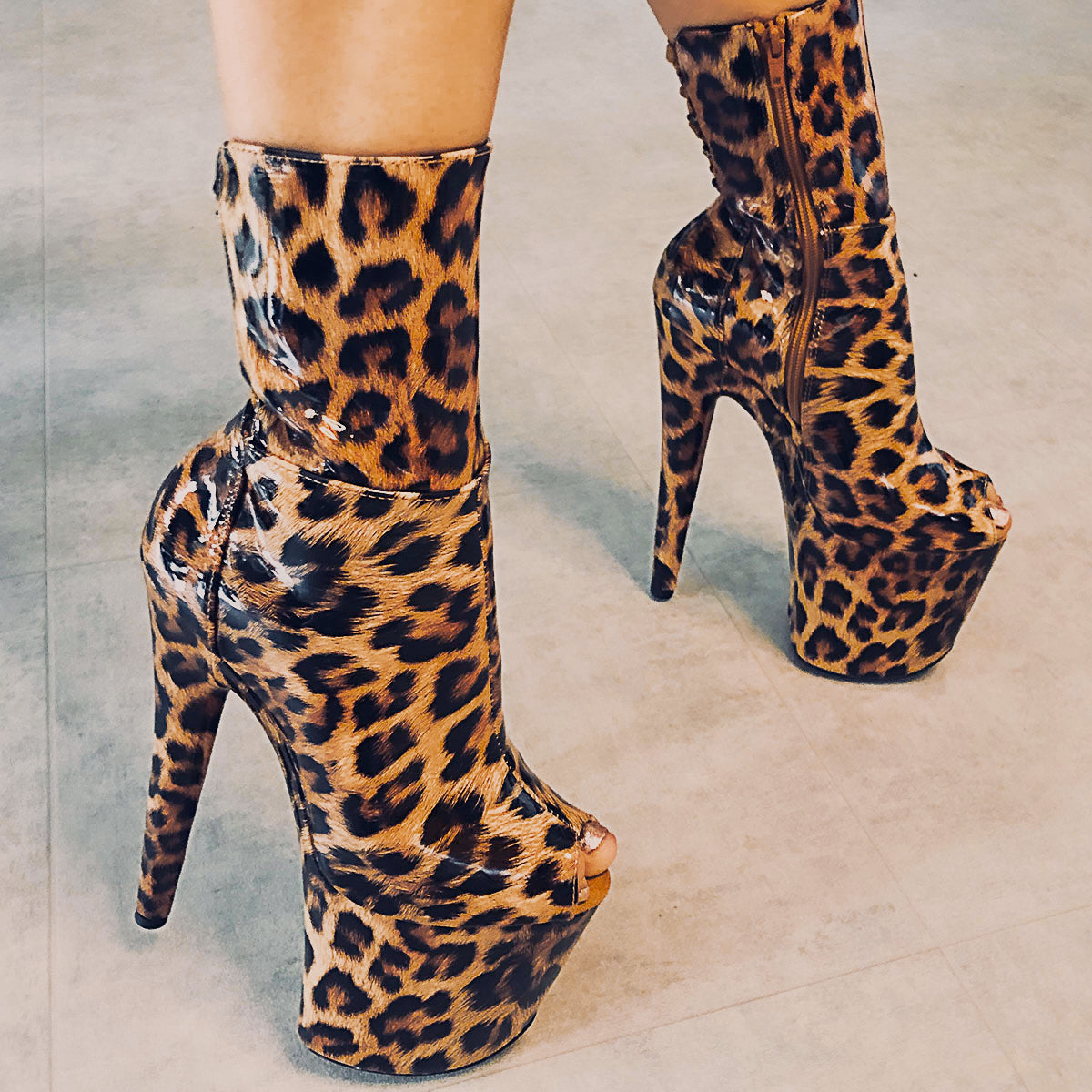
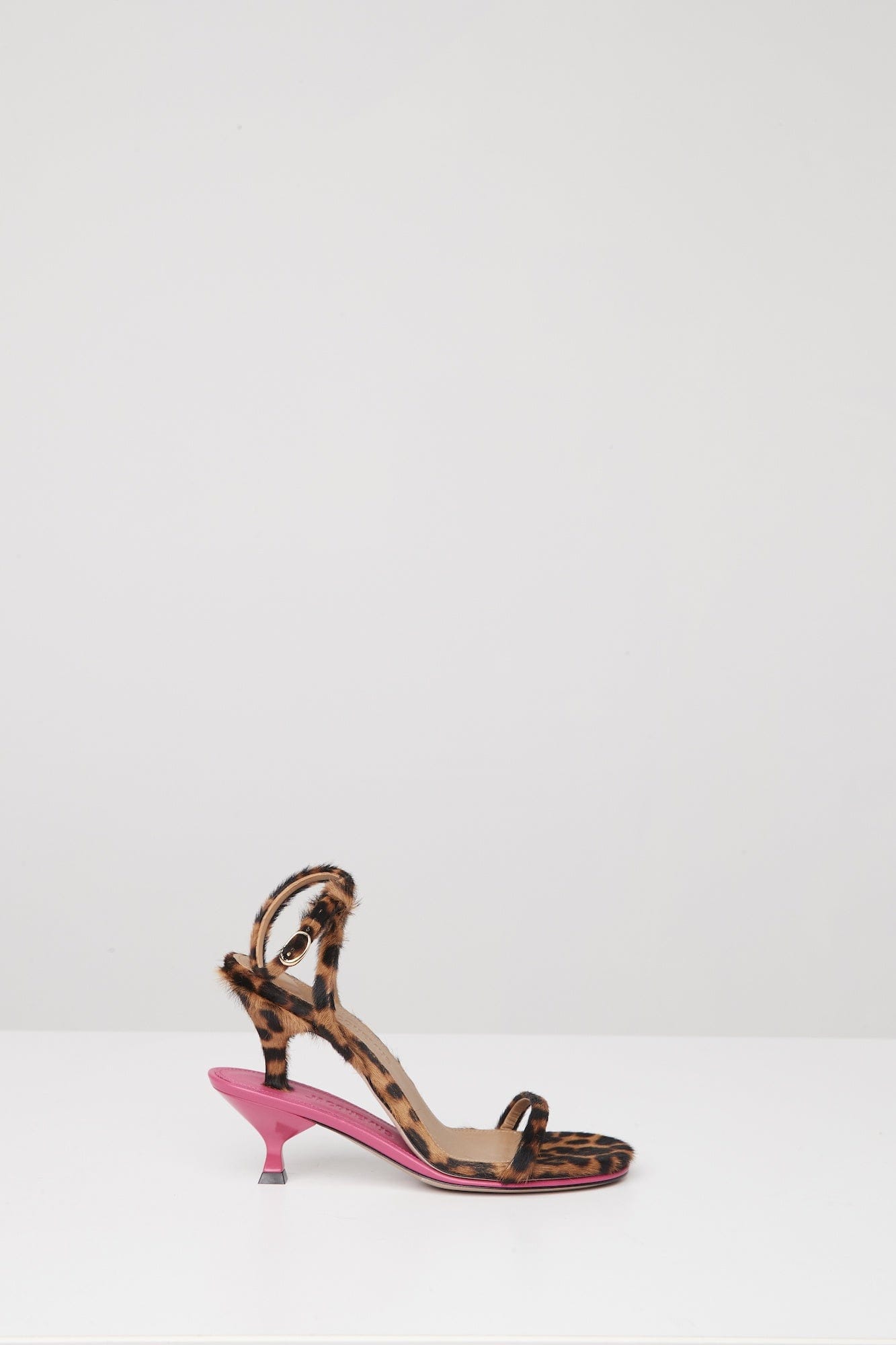
The power of a statement shoe is inextricably linked to the proportions of the outfit it accompanies. A common misconception is that bold shoes require a simple, minimalist outfit. While that is one effective path, an equally compelling approach is to engage in a thoughtful dialogue between silhouette and shoe. Pairing chunky, animal-print platform boots with a fluid, midi dress creates a captivating tension between heavy and light, grounded and airy. Conversely, delicate cheetah print heels can be brilliantly contrasted with the strong, architectural lines of a tailored blazer and wide-leg trousers. This philosophy is echoed in the designs of houses like Maison Margiela, where juxtaposition is a core tenet. As Tim Gunn, the iconic fashion consultant, famously implored, “Make it work!”—which often involves balancing proportions. The goal is to create visual interest through contrast, ensuring the shoe complements and completes the silhouette rather than appearing as an afterthought. Understanding your own body’s proportions and how different shoe shapes interact with hemlines and pant cuts is essential professional knowledge for building a versatile and flattering wardrobe.
Context is King: From Boardroom to Bar
The versatility of a great pair of statement shoes lies in their ability to transition across contexts with only minor adjustments to the rest of your look. For a professional environment, the neutral anchoring principle is paramount. A pair of sophisticated leopard-print slingbacks can elevate a standard charcoal suit or a cream-colored sheath dress, conveying creativity within a framework of professionalism. For an evening out, you can embrace more daring pairings. Think of a little black dress—a canvas as iconic as the advice given by Audrey Hepburn’s character in “Breakfast at Tiffany’s”—reinvigorated by strappy cheetah print heels and a bold red lip. The shift from day to night is managed not by changing the shoe, but by modulating accessories, outerwear, and makeup. A leather jacket thrown over daytime office wear instantly pivots the look for an evening event, with the shoes serving as the consistent, stylish through-line. This adaptability makes them a valuable investment, maximizing cost-per-wear and offering significant style value.

Cultivating Confidence: The Ultimate Accessory
Ultimately, the most critical element in styling any statement piece, especially shoes as commanding as cheetah print heels, is unshakeable confidence. This is not an abstract concept but a practiced posture. As style icon Iris Apfel has famously declared, “More is more and less is a bore.” Embracing this ethos means owning your choice without apology. Walk with purpose. Let your shoulders fall back. The shoes are an extension of your attitude. This confidence is cultivated through practice—start by wearing them at home, then for short outings, gradually building your comfort level. Remember the concept of enclothed cognition; by wearing these symbols of boldness, you are actively inviting those qualities into your demeanor. This transformative power is the real value of fashion, far exceeding any transient trend. It’s about crafting an external presentation that resonates with your internal sense of self, or even helps you discover a more daring version of it.
Integrating wild statement shoes into your wardrobe is an exercise in creative confidence and stylistic intelligence. It requires an understanding of balance, color, and context, transforming a potentially daunting item into the cornerstone of countless compelling outfits. By applying the principles of neutral anchoring, color echoing, and silhouette play, you harness the power of these pieces to define your aesthetic narrative. Remember, true style isn’t about the price tag but the thoughtful curation and confidence with which you wear your choices. So, step into those bold prints, own your space, and let every step be a declaration of your unique perspective.