

The Walking Shoe: Your Secret to Effortless Style and All-Day Comfort
Forget the notion that comfort and style exist in separate realms of your wardrobe. The modern walking shoe has evolved into a sophisticated hybrid, a piece of footwear engineered not just for movement but for living. It is the unsung hero of the urban landscape, the foundation upon which a day of confidence, energy, and poise is built. This isn’t about athletic performance in the traditional sense; it’s about the performance of daily life. From the morning commute to an evening stroll, the right shoe doesn’t just carry you—it elevates you. The secret lies in understanding that true style is never at odds with profound comfort; in fact, the former is impossible without the latter. When your feet are at ease, your posture improves, your stride becomes more assured, and your entire demeanor shifts. This article delves into the anatomy, science, and philosophy behind the perfect walking shoe, transforming it from a mere accessory into your most trusted tool for navigating the world with grace.
The Anatomy of All-Day Comfort: More Than Just Cushioning
To appreciate the engineering marvel of a great walking shoe, we must move beyond superficial aesthetics and examine its foundational principles. Comfort is a multi-sensory experience governed by biomechanics. The human foot is a complex structure of 26 bones, 33 joints, and over 100 muscles, tendons, and ligaments. A shoe that respects this architecture does more than pad the sole; it supports, guides, and stabilizes. The midsole, often featuring advanced materials like EVA (Ethylene-Vinyl Acetate) foam, Gel capsules (as pioneered by ASICS), or proprietary compounds like Brooks’ DNA LOFT, is the heart of cushioning. Its job is to absorb the shock of heel strike—a force that can be up to three times your body weight—and disperse it evenly. However, cushioning alone is a trap. Without proper structure, it can lead to instability. This is where the walking shoe distinguishes itself from a running shoe. As noted by researchers at the University of Virginia’s Department of Kinesiology, the gait cycle of walking involves a longer period of contact with the ground and a different distribution of pressure. A dedicated walking shoe typically features a firmer heel counter to control rearfoot motion, a flexible forefoot to facilitate the toe-off phase, and a rocker sole design that promotes a smooth, rolling transition from heel to toe, reducing strain on the calf and Achilles tendon.
:max_bytes(150000):strip_icc()/vwt-asics-womens-gel-pulse-16-jinfeng-chen-21-712f0f140e834b84b3a8dcf0bf154771.jpeg)
Style Reimagined: When Form Follows Function to a T
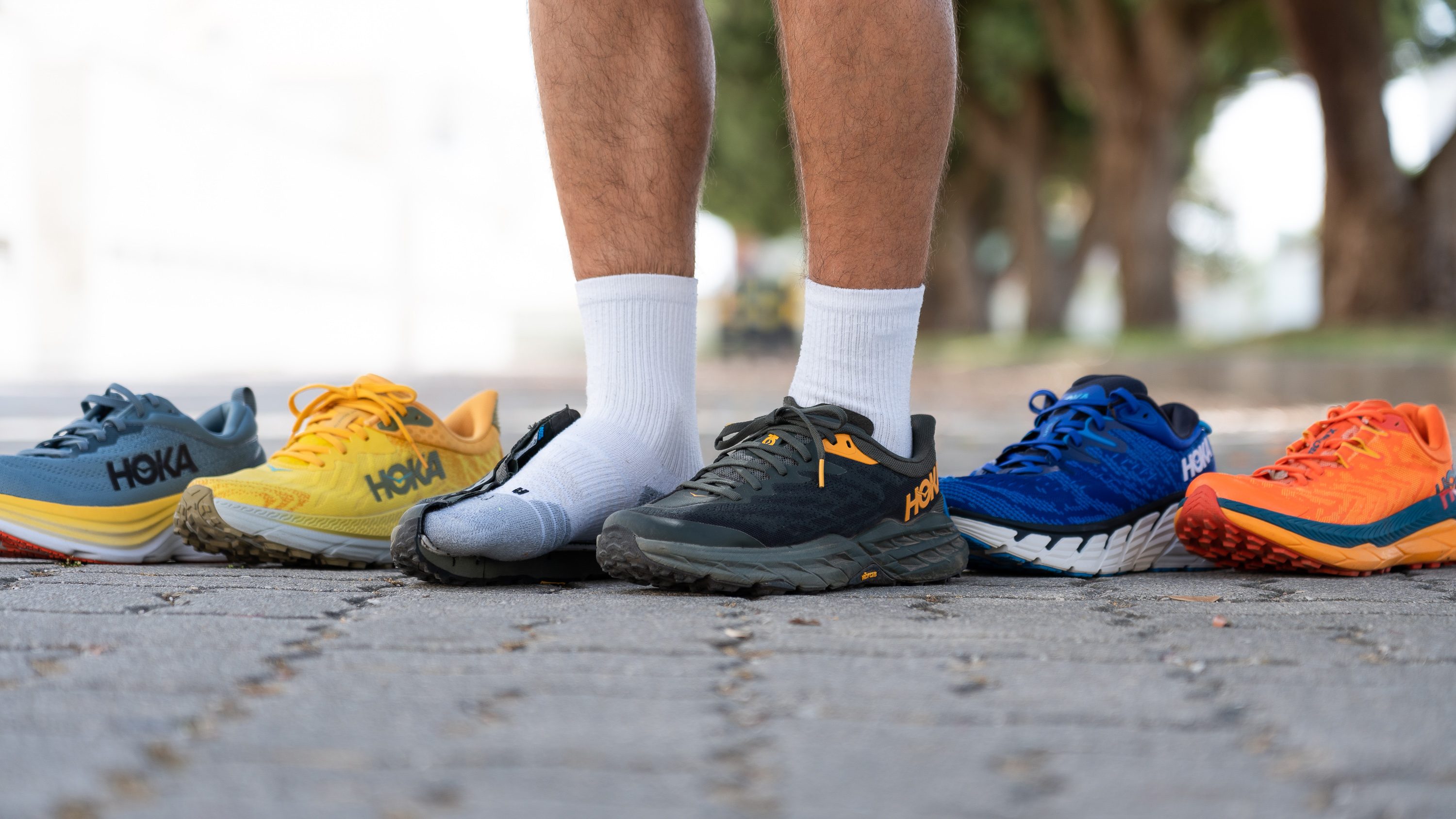
The historical dichotomy between “dress shoes” and “comfort shoes” is crumbling. Today’s leading designers and footwear brands are proving that technical innovation can be seamlessly woven into visually compelling designs. The aesthetic of the modern walking shoe draws from minimalist sneaker culture, sleek athleisure, and even tailored fashion. Brands like Cole Haan have built entire lines around the concept of “grand.øs,” merging the leather uppers of classic dress shoes with athletic-inspired soles. The palette has expanded from clinical white to include sophisticated neutrals, rich textures, and bold accents that can complement both jeans and chinos. This shift is a response to a cultural movement, famously echoed by the late Steve Jobs in his signature style: “Simplicity is the ultimate sophistication.” The priority is clean lines, harmonious color blocking, and a lack of superfluous detail. A shoe like the HOKA Transport, for instance, takes the brand’s maximalist cushioning technology and encases it in a streamlined, monochromatic upper that wouldn’t look out of place in a creative studio or a casual Friday meeting. The message is clear: caring for your well-being is not a stylistic compromise; it is the very essence of contemporary sophistication.
The Scientific and Cultural Endorsements: Why Experts Agree
The value of proper footwear is not merely anecdotal; it is supported by a chorus of voices from science, medicine, and popular culture. Podiatrists consistently stress the long-term benefits. Dr. Jacqueline Sutera, a New York City-based podiatrist and spokesperson for the American Podiatric Medical Association, has stated in numerous interviews that “shoes are the foundation of your body.” She emphasizes that ill-fitting or unsupportive shoes can lead to a cascade of issues beyond foot pain, including knee, hip, and back problems. On platforms like Quora and Reddit’s r/BuyItForLife and r/GoodValue, discussions about durable, comfortable shoes for city living frequently highlight brands like Brooks, New Balance, and ASICS for their consistent fit and longevity. In literature, the importance of a good walk is romanticized—from Wordsworth’s poetic wanderings to the philosophical strolls of Nietzsche, who claimed, “All truly great thoughts are conceived while walking.” The right shoe enables this creative and reflective movement. Even in film, the symbolic “walking away” scene, whether in a drama or a triumph, is always underpinned by footwear that allows the character to move with definitive purpose. These perspectives converge on a single point: what you put on your feet fundamentally influences your physical health and your experiential quality of life.
Selecting Your Perfect Pair: A Guide Beyond the Hype
With a market saturated by options, choosing your ideal walking shoe requires a strategy that blends self-knowledge with product understanding. First, analyze your gait and foot type. The simple “wet test”—observing the imprint your wet foot leaves on a dry surface—can tell you if you have high arches (underpronation), normal arches, or flat feet (overpronation). This will guide you toward shoes with adequate arch support or motion control. Second, consider the primary use case. Are you logging miles on paved city streets, or is your routine a mix of indoor errands and occasional park paths? The outsole rubber compound and tread pattern should match your terrain for optimal grip and durability. Third, and most critically, fit is paramount. Always shop in the afternoon when feet are naturally slightly swollen. There should be a thumb’s width of space between your longest toe and the end of the shoe, and the widest part of your foot should align comfortably with the shoe’s widest part without feeling pinched. Remember, brand loyalty is less important than how the specific model interacts with your unique anatomy. A shoe celebrated by millions may not be the one for you.
Investment in Well-being: The Professional and Economic Rationale
Viewing a premium walking shoe as an expense is a misperception; it is an investment with tangible returns. Professionally, comfort directly impacts performance. Discomfort is a cognitive drain. A study from the University of Gothenburg found that chronic foot pain significantly reduces overall quality of life and can impair concentration. In a work environment, whether you’re a teacher standing for hours, a nurse making rounds, or a professional navigating a conference, footwear that eliminates distraction allows you to focus your mental energy on the task at hand. Economically, the “discounted price” of a cheaper, poorly made shoe is a false economy. According to value analysis models often cited in consumer reports, a well-constructed shoe from a reputable brand with quality materials and sound construction will offer a much lower cost-per-wear over its lifespan. It will maintain its support and integrity long after a cheaper alternative has broken down, potentially causing injury. Brands often offer last-season’s colorways or models at significant discounts, providing access to the same core technology at a reduced price. This is where professional knowledge pays off: understanding the technology (e.g., knowing that Brooks’ Glycerin series focuses on plush cushioning, while the Adrenaline GTS provides structured support) allows you to identify which discounted model truly suits your needs, marrying value with performance.

The journey to effortless style and unwavering comfort begins from the ground up. The modern walking shoe is a testament to human-centered design, where biomechanical science and aesthetic sensibility are no longer at odds but are essential collaborators. It is a tool for empowerment, freeing you from the silent tax of discomfort and allowing your personal style to shine unimpeded. By making an informed choice, you are not just buying a product; you are curating an experience for yourself—one where every step feels considered, confident, and completely your own. Let your shoes carry you forward, not just in distance, but in how you move through the world.
