

Your Ultimate Guide to Chic and Feminine Outfits
Feminine style is not a monolith dictated by fleeting trends; it is a nuanced language of self-expression, weaving together silhouette, color, texture, and detail to create a narrative that is both personal and powerful. It transcends the simplistic notion of “girly” and embraces a spectrum from romantic elegance to modern minimalism, all anchored in an intentional celebration of form and feeling. This guide is designed to be your compass in navigating this world, moving beyond subjective opinion to ground our understanding in principles of design, color theory, and cultural anthropology. We will dissect the elements that construct a chic and feminine wardrobe, providing you with the knowledge to curate a collection that feels authentically and confidently you.
The Architecture of Femininity: Silhouette and Proportion
The foundation of any outfit lies in its silhouette—the shape it creates against the body. Historically, feminine fashion has often played with the contrast and definition of the natural form. The “hourglass” silhouette, emphasizing the waist and balancing the shoulders with the hips, has been a recurring theme in Western fashion, referenced in everything from Victorian corsetry to Christian Dior’s 1947 “New Look.” This is not about conforming to a specific body type, but about understanding how clothing creates lines and volumes. A fit-and-flare dress inherently constructs this hourglass shape, offering a timeless feminine statement. Similarly, high-waisted trousers paired with a tucked-in blouse redefine the waist, creating a modern, polished proportion. The science of aesthetics, often studied in fields like design psychology, suggests that balanced proportions are generally perceived as pleasing to the eye. By manipulating hemlines, waistlines, and volumes, you architect a visual impression. A midi skirt, for instance, hits at the narrowest part of the calf, a detail often cited by stylists for its universally flattering length that elongates the leg while maintaining coverage and grace. Understanding these principles allows you to select pieces that build a flattering framework, making style choices feel less like guesswork and more like informed design.

The Psychology of Color and Texture
Color is emotion made visible. Its impact is well-documented in color psychology, a field that examines how hues influence perception and behavior. While femininity is in no way limited to a specific palette, certain colors have accrued cultural and psychological associations. Soft pastels like blush pink, lavender, and mint are frequently linked to tranquility, romance, and gentleness—traits historically (and often reductively) associated with the feminine. However, to rely solely on this palette is to limit the vocabulary. A bold crimson or a deep emerald green conveys power, passion, and sophistication, expanding the definition of femininity to include strength and depth. Texture adds the crucial third dimension. The tactile quality of fabric communicates before a single word is spoken. Luxurious textures like silk, chiffon, lace, and velvet have long been staples in feminine dressing. As fashion historian Valerie Steele notes in her work for The Museum at the Fashion Institute of Technology, fabrics like lace carry a “complex symbolism” of both refinement and sensuality. The whisper of silk against the skin or the substantial drape of a wool crepe blazer adds a layer of sensory experience and perceived quality. Combining a delicate lace top with structured leather trousers, for example, creates a compelling dialogue between soft and hard, traditional and modern, showcasing the multifaceted nature of contemporary femininity.
Detail as Declaration: The Power of Accessories
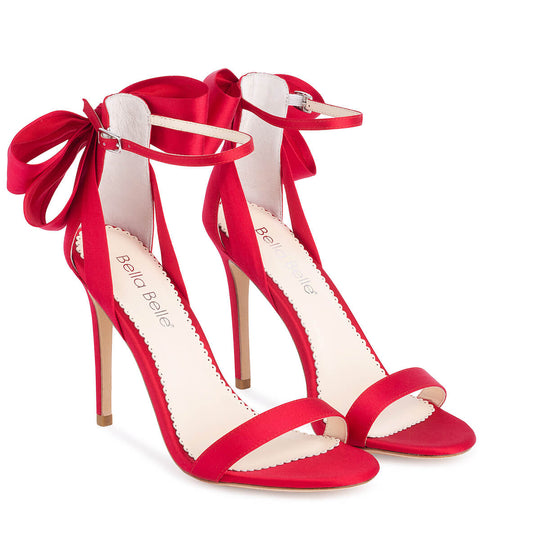
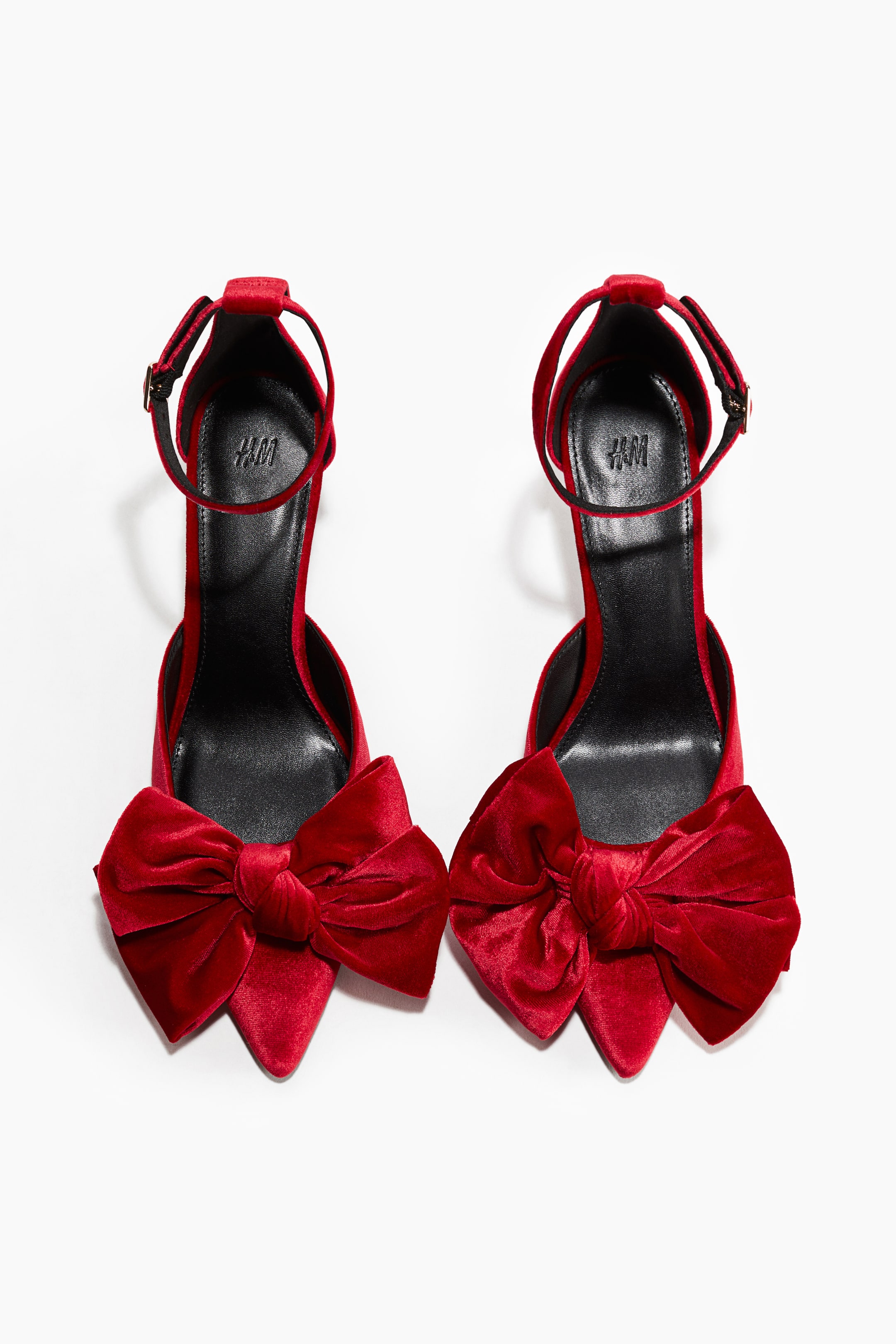
If silhouette and color form the sentence of an outfit, accessories are the punctuation—the exclamation points, question marks, and elegant periods that define its tone. This is where personality shines with unmistakable clarity. Delicate jewelry, such as a thin gold chain or pearl studs, offers a whisper of refinement, a concept echoed in Coco Chanel’s famous advice to “look in the mirror and take one thing off.” The implication is that elegance is often subtractive, relying on a few perfect details. Conversely, a statement piece, like a sculptural cuff or layered necklaces, makes a bold declarative sentence. Scarves, whether tied on a bag handle or knotted at the neck, introduce pattern and movement, a trick often seen in the effortlessly chic style of French women, as documented in countless style guides from Vogue Paris. And then, there are shoes. Footwear can ground or elevate an entire look. A classic pump elongates the leg and adds an instant air of professionalism and polish. But for a detail that truly encapsulates a playful, intentional femininity, consider the bow red heels. This specific choice is a masterclass in accessory language: the red commands attention and exudes confidence (a color often associated with energy and action in color psychology), while the bow detail introduces a note of whimsy and crafted charm. A pair of bow red heels doesn’t just complement an outfit; it transforms it, serving as a focal point that is both powerful and prettily detailed. They are a conversation starter, a piece that says you understand the power of a well-considered detail.
Curating Your Core Feminine Wardrobe
Building a versatile foundation is key to sustainable style. This is not about endless consumption, but about strategic acquisition of high-quality, interchangeable pieces. The goal is a capsule where every item earns its place through versatility and resonance with your personal expression of femininity. Start with the dress—the ultimate one-piece feminine statement. A little black dress is a cliché for a reason, but consider also a wrap dress in a floral print or a sleek slip dress in satin. These pieces work for a multitude of occasions. Next, invest in superior tops: a silk blouse in a neutral tone, a feminine blouse with ruffles or a pussy-bow neckline, and a fine-knit sweater. For bottoms, tailored trousers in a classic cut, a high-waisted A-line skirt, and a pair of well-fitting dark-wash jeans that can be dressed up or down form a solid base. Outerwear should not be an afterthought; a trench coat, a tailored blazer, and a elegant wool coat are pieces that pull every look together. The magic happens in the combinations: the silk blouse with the A-line skirt and a blazer for the office; the fine-knit sweater with tailored trousers and those standout bow red heels for dinner. This approach aligns with the “capsule wardrobe” philosophy popularized by stylists like Susie Faux, which emphasizes quality over quantity and intentional pairing over impulsive buying.
Knowledge as Your Best Style Asset
True style confidence comes from understanding, not just owning. Knowing how different fabrics behave—how linen wrinkles, how wool breathes, how polyester might retain odor—allows you to make choices that suit your lifestyle. Understanding your body’s proportions helps you select cuts that flatter, a principle taught in foundational fashion design courses. Furthermore, being an informed consumer is a modern necessity. The fashion industry’s pricing is often opaque, with significant markups from wholesale to retail. Brands like Everlane have built their entire model on “radical transparency,” breaking down the cost of materials, labor, and transportation for each item. This knowledge empowers you to discern true quality and value. Look for natural fiber content, sturdy construction (like reinforced seams and quality zippers), and ethical manufacturing certifications. When you invest in a piece, you’re not just buying an object; you’re supporting a chain of production. This informed approach ensures your wardrobe is not only chic but also conscientious and durable. For instance, investing in a well-made pair of leather bow red heels from a brand that discloses its sourcing may have a higher upfront cost than a fast-fashion alternative, but the cost-per-wear and ethical satisfaction will be infinitely greater.
From Day to Night: The Feminine Transformation
The hallmark of a great wardrobe is its adaptability. A truly chic feminine style should transition seamlessly from the boardroom to a soirée with a few strategic adjustments. The base outfit might remain constant—a sleek turtleneck and a pencil skirt, for example. The transformation occurs in the layers and details. For day, add a structured blazer and comfortable loafers or block heels. As evening approaches, shed the blazer to reveal the simple silhouette. Then, introduce the transformative elements: swap the daytime bag for a sparkling clutch, layer on delicate but statement-making jewelry, and most pivotally, change your shoes. This is where a signature piece like your bow red heels earns its keep. Slipping them on instantly elevates the look, adding a shot of color, height, and deliberate femininity. The red heel becomes a beacon of evening readiness, while the bow adds that final touch of curated charm. This method is efficient, effective, and deeply personal. It’s a practice seen in the routines of stylish women everywhere, from the pages of InStyle magazines to the “get ready with me” videos of fashion influencers on YouTube, who consistently demonstrate the power of accessory-led transformation.

Ultimately, crafting a chic and feminine style is an ongoing dialogue between the external world of fashion and your internal sense of self. It is an exercise in curation, not imitation. It requires you to observe the principles of design, understand the language of color and texture, and appreciate the declarative power of details like a pair of bow red heels. But beyond these tools, it demands that you listen to your own preferences, comfort, and the story you wish to tell each day. Arm yourself with knowledge about quality and value, build a versatile core wardrobe, and master the art of transformation. Your style is your personal signature—make it intentional, make it informed, and above all, make it unmistakably yours.
