

The Walking Shoe: Your Secret to Effortless Style and All-Day Comfort
In a world where fashion often demands sacrifice, the notion of comfort can seem like a distant dream. We squeeze our feet into narrow heels, endure stiff leather, and accept blisters as the price of looking polished. Yet, what if the key to true style isn’t about enduring discomfort, but about embracing a foundation of ease? The answer lies in a single, transformative item: the walking shoe. This is not merely about athletic sneakers or orthopedic clunkers; it is about a sophisticated category of footwear engineered to marry biomechanical support with aesthetic appeal. The right pair of walking shoes can redefine your day, turning a commute into a pleasure and a day of errands into an experience of sustained vitality. This article delves into the science, style, and substance behind this essential piece of footwear, arguing that prioritizing the engineered comfort of a proper walking shoe is the most intelligent style decision you can make.
The Biomechanics of Bliss: Why Your Feet Deserve Engineering, Not Just Fabric
To understand the value of a dedicated walking shoe, one must first appreciate the complex machinery of the human foot. Each foot contains 26 bones, 33 joints, and over 100 muscles, tendons, and ligaments. With every step, this structure absorbs forces equivalent to 1.5 times your body weight; during a simple walk, this accumulates to hundreds of tons of force per day. Ordinary fashion shoes often ignore this reality. They provide a flat, unyielding sole or an unstable heel, forcing the body’s kinetic chain—ankles, knees, hips, and spine—to compensate. This misalignment is a primary contributor to chronic issues like plantar fasciitis, shin splints, and lower back pain. A true walking shoe, however, is designed from the ground up with these biomechanics in mind. As noted by Dr. Casey Kerrigan, a former Harvard Medical School professor and founder of a biomechanics research company, “Footwear design has a profound impact on gait and joint loading.” Her research, often cited in podiatric literature, demonstrates how shoes with proper rocker soles and cushioning can reduce joint torques in the knees and hips by significant percentages. The objective is not to create a medical device, but to apply scientific principles—such as shock absorption, motion control, and energy return—to create a shoe that works in harmony with the body’s natural movement. This scientific foundation is what separates a casual sneaker from a purpose-built walking shoe, transforming each step from a potential stressor into a moment of efficient, supported propulsion.
:max_bytes(150000):strip_icc()/when-should-i-replace-my-walking-shoes-3436325-0801-7a1840d83573471092e0380f9e230ecc.jpg)
Decoding the Design: The Five Pillars of a Superior Walking Shoe
Not all shoes that look casual are built for the rigors of all-day wear. The excellence of a walking shoe is built upon several non-negotiable pillars. First is cushioning. This isn’t just soft foam; it’s about strategic placement of materials like EVA (ethylene-vinyl acetate) or advanced gels (like ASICS’ GEL technology) in the heel and forefoot to attenuate impact shock. A study published in the Journal of Foot and Ankle Research highlights how varied midsole densities can prevent overpronation. Second is arch support. Whether you have high, low, or neutral arches, the shoe must provide a contoured footbed that maintains the foot’s natural alignment, preventing the arch from collapsing inward—a common cause of fatigue. Third is flexibility. The shoe should bend easily at the ball of the foot, where your foot naturally flexes, but remain stable in the heel. Try the simple “twist test”: a good walking shoe will resist twisting torsionally, ensuring stability. Fourth is a secure heel counter. The firm cup at the back of the shoe locks your heel in place, preventing slippage and providing essential stability for the ankle joint. Finally, the outsole tread must offer durable rubber with a pattern that provides grip on varied surfaces, from polished office floors to rainy sidewalks. When these five elements converge, the shoe ceases to be a passive covering and becomes an active partner in movement. As renowned runner and author Christopher McDougall explored in his book Born to Run, while focused on minimalism, the dialogue around footwear is fundamentally about respecting natural gait—a principle that applies equally to the engineered support of a great walking shoe.
From Pavement to Party: The Evolution of Walking Shoe Aesthetics
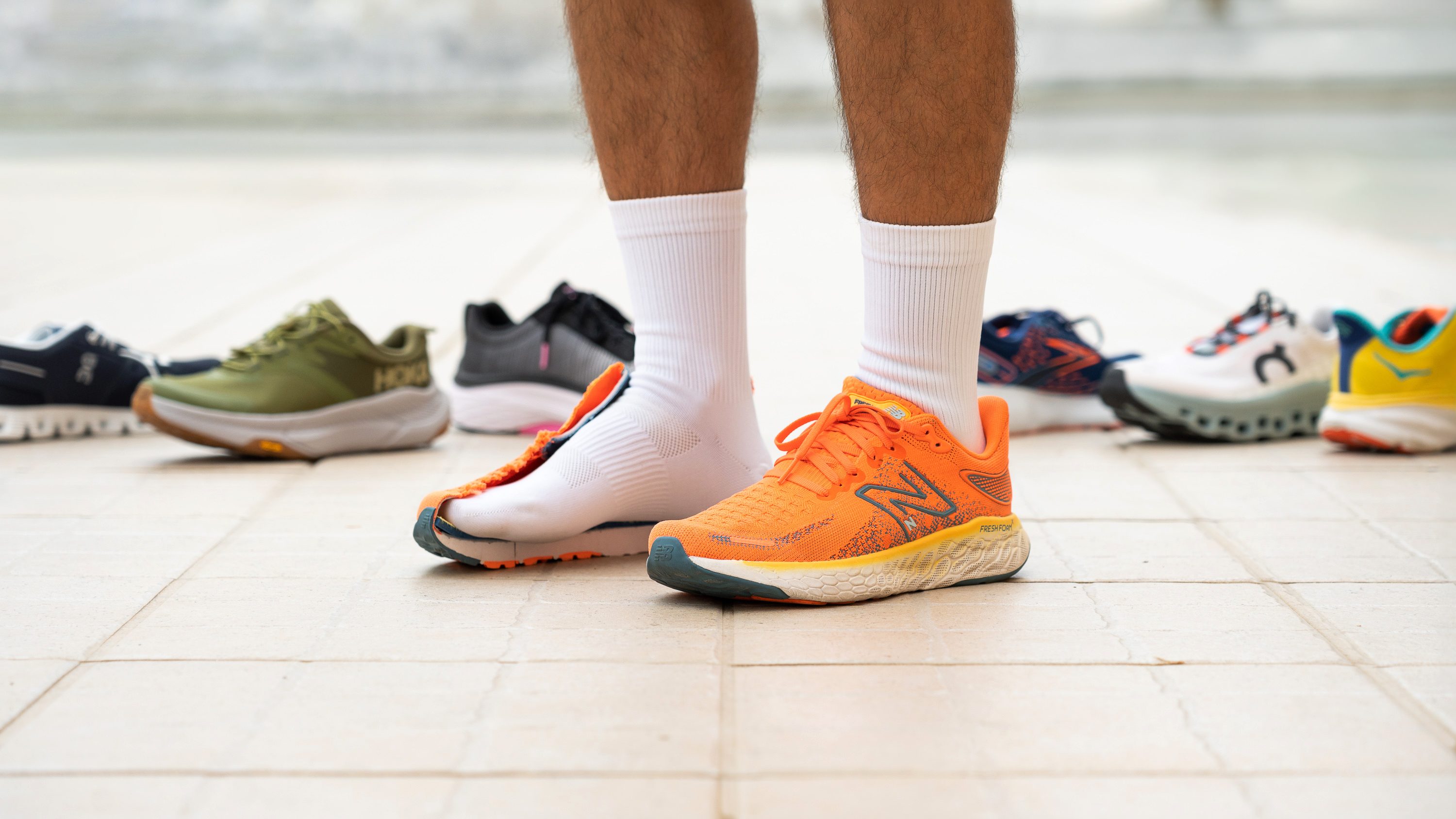
The historical stigma that comfortable shoes must be unattractive has been decisively shattered. Today’s leading footwear brands have invested heavily in design labs where podiatrists work alongside fashion designers. The result is a stunning array of walking shoes that look as good as they feel. We see sleek leather sneakers from brands like Cole Haan and ECCO that seamlessly transition from a business-casual office to a weekend brunch. We find vibrant, fashion-forward designs from Allbirds and Rothy’s, made from sustainable materials like merino wool and recycled plastic, offering a silhouette that rivals any trendy sneaker. The rise of the “athleisure” trend, as analyzed by fashion business websites like Business of Fashion, isn’t just about wearing gym clothes out; it’s about a cultural shift toward valuing performance and comfort as inherent components of style. A minimalist white leather walking shoe pairs effortlessly with tailored trousers or a summer dress, proving that sophistication doesn’t require suffering. This aesthetic evolution means you no longer have to choose. You can select a pair of walking shoes based on your personal style—whether it’s classic, modern, or bold—with the absolute confidence that the engineering inside will carry you through your day without a second thought. The shoe becomes a silent enabler of your lifestyle, not a limitation.
The Long-Term Investment: Health, Posture, and Enduring Energy
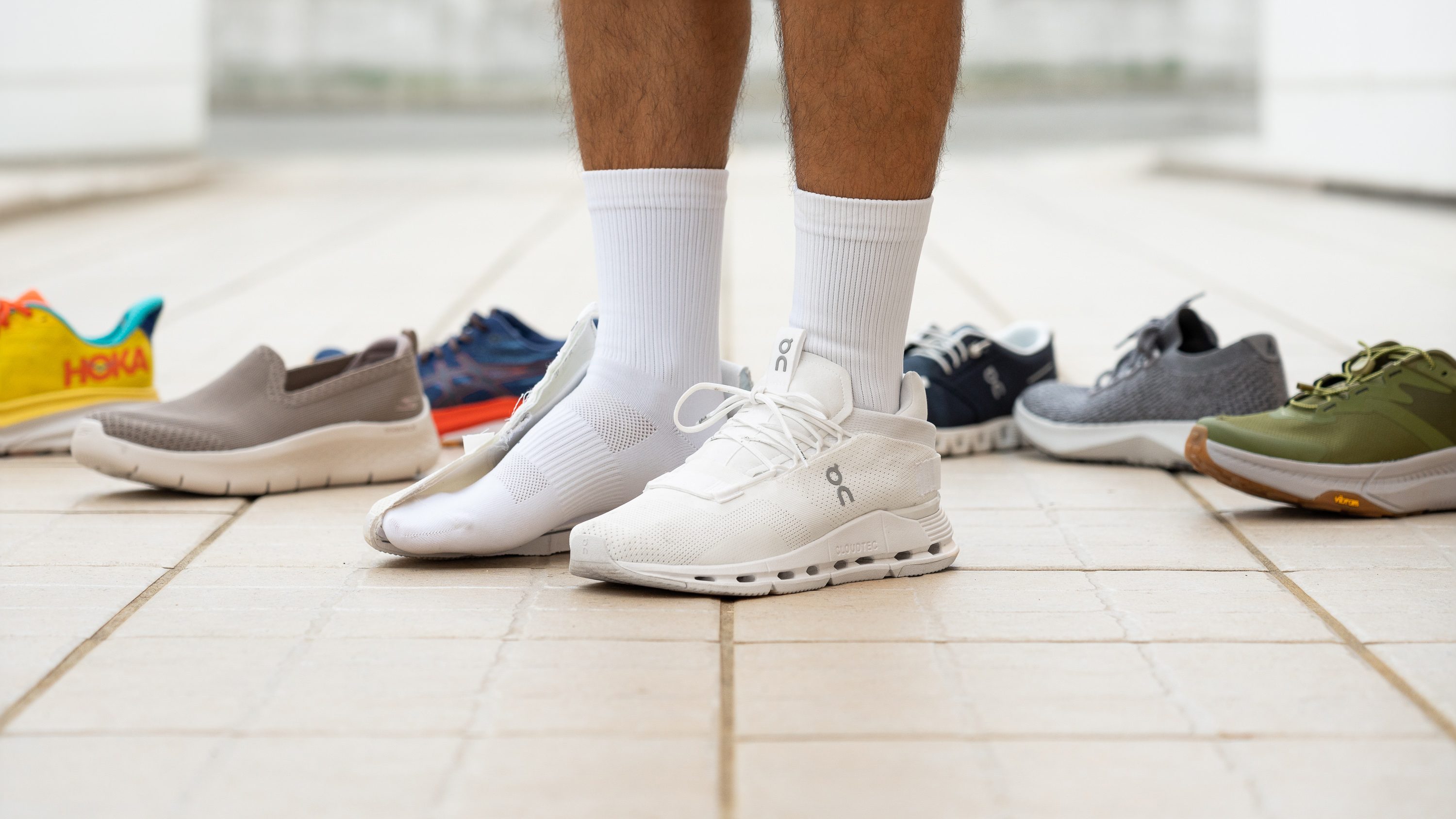
Viewing a walking shoe as a mere purchase is a mistake; it is an investment in your long-term physical capital. The benefits extend far beyond avoiding immediate soreness. Consistently wearing supportive footwear can improve your overall posture. When your feet are properly aligned, your knees track correctly, your pelvis sits neutrally, and your spine can stack naturally. This reduces muscular fatigue in your calves, quadriceps, and core, conserving energy throughout the day. Consider the words of celebrity trainer Harley Pasternak, who often emphasizes foot health on his social media platforms: “Your feet are your foundation. If your foundation is unstable or in pain, everything built on top of it will be compromised.” This isn’t just fitness hype; it’s a biomechanical truth. Furthermore, by reducing impact stress, you are actively protecting the cartilage in your joints, potentially staving off osteoarthritis later in life. The cost of a high-quality pair of walking shoes, often ranging from $120 to $160, pales in comparison to the cumulative cost of physiotherapy sessions, orthotics, or chronic pain management. It is a proactive measure, a daily defense against the wear and tear of modern life. When your feet are happy, your entire demeanor changes—your stride is more confident, your stance is taller, and your energy reserves are deeper. This intangible return on investment is where the true value of the walking shoe is realized.
Making the Smart Choice: A Guide to Your Perfect Pair
Knowing you need a great walking shoe is the first step; finding your perfect match is the next. This process is deeply personal and should be guided by logic, not just looks. First, get professionally fitted. Visit a specialty running or walking store where staff can analyze your gait, often using a pressure plate or through simple observation. They can identify if you overpronate (roll inward) or supinate (roll outward) and recommend shoes with the appropriate level of stability or neutrality. Second, shop in the afternoon. Feet naturally swell throughout the day, so a shoe fitted in the morning may become tight. Always wear the socks you intend to pair with the shoes. Third, prioritize feel over size. Sizing varies wildly between brands and models. There should be about a thumb’s width of space between your longest toe and the end of the shoe to allow for natural foot splay and swelling during walking. The shoe should feel secure and supportive immediately, with no “break-in” period required—a myth that often leads to blisters. Finally, consider your primary terrain. Will you mostly be on city concrete, treadmill, or park trails? This influences the needed cushioning and outsole grip. Remember, the most expensive shoe is not necessarily the best for you. The goal is to find the tool that perfectly fits the task of your daily life.
The journey toward effortless style and unwavering comfort begins from the ground up. By choosing a scientifically designed, aesthetically considered walking shoe, you are not making a concession to fashion; you are elevating it. You are choosing to move through your world with grace, vitality, and intelligence. You are investing in the foundation that carries you through every experience. Let your shoes be a secret source of strength, a hidden engine of ease that powers a more vibrant, comfortable, and stylish life. The path forward is clear, and it is best walked in the right pair of shoes.
