

The Best Tennis Shoes for All-Day Walking Comfort
When we talk about footwear designed for prolonged, all-day walking, the immediate thought often goes to specialized walking shoes or cushioned running sneakers. However, a compelling and often overlooked category is that of tennis shoes for walking. This article posits that modern tennis shoes, with their specific biomechanical engineering, offer a unique and superior blend of stability, cushioning, and durability that makes them exceptionally well-suited for the urban explorer, the retail worker, the travel enthusiast, or anyone whose day is measured in miles on hard surfaces. We will dissect the anatomical and technological virtues of tennis footwear, moving beyond conventional wisdom to establish why a good pair of tennis shoes can be your ultimate companion for comfort from dawn till dusk.
The Biomechanical Foundation: Why Tennis Shoes Work for Walking
The efficacy of tennis shoes for walking is not accidental; it is rooted in the sport’s demanding biomechanics. Tennis involves multi-directional sprints, sudden lateral cuts, rapid pivots, and constant pressure on the forefoot and heel during serves and volleys. According to research from the University of Calgary’s Human Performance Laboratory, athletic footwear must provide medial-lateral (side-to-side) stability to prevent ankle rollovers during aggressive lateral movements, a feature paramount in tennis shoe design. This inherent focus on lateral support translates directly to walking stability, especially on uneven urban terrain where curbs and slopes pose a risk. Furthermore, the repetitive impact forces in tennis, which can exceed several times body weight, necessitate advanced cushioning systems in the heel and forefoot. Brands like ASICS, with their GEL technology developed from material science principles, and Nike, with Air and Zoom units, initially engineered these solutions for high-impact sports. When you walk, the forces are lower but constant. The robust cushioning in a tennis shoe, therefore, doesn’t just absorb a single high-impact shock; it provides a plush, dampened response for thousands of repetitive steps, reducing cumulative stress on knees, hips, and the lower back. This makes a tennis shoes for walking not just a viable option, but a scientifically considerate one for joint health over long periods.
Deconstructing Durability: The Outsole Advantage
A critical, yet underappreciated, aspect where tennis shoes excel for walking is outsole durability. The playing surface of a tennis court—whether hard court (acrylic on asphalt), clay, or grass—is notoriously abrasive. Tennis shoe manufacturers respond by using high-density, non-marking rubber compounds, often with specific tread patterns like herringbone for optimal grip and durability. As noted in material science literature from MIT, these rubbers are engineered for high abrasion resistance to withstand the dragging and sliding motions intrinsic to the sport. For a walker, this material science translates to extraordinary longevity. While a standard running shoe outsole might wear thin after 300-500 miles of primarily heel-to-toe motion on pavement, a tennis shoe’s outsole is built to resist wear from multi-directional friction. This means the sole of your tennis shoes for walking will maintain its integrity and tread depth far longer, providing consistent traction and safety on wet sidewalks, polished floors, or gravel paths. The investment in a quality pair thus extends over more miles, offering better value. The outsole’s flat, wide profile also contributes to a stable base, preventing the foot from rolling inward (overpronation) or outward (supination)—a common issue addressed by podiatrists and highlighted in resources like the American Podiatric Medical Association’s guidelines.

Midfoot Lockdown and Upper Support: The Forgotten Comfort Factors
Walking comfort is holistic; it’s not solely about a soft heel. Discomfort often arises from slippage, chafing, or a lack of secure enclosure. This is where the tennis shoe’s upper construction shines. To handle rapid directional changes, tennis shoes are designed with a secure midfoot lockdown. This often involves a combination of structured overlays, internal straps, or lacing systems that cinch the midfoot firmly, preventing the foot from sliding forward or sideways within the shoe. As renowned footwear designer Tinker Hatfield once discussed in an interview on the philosophy behind performance shoes, “Lockdown is the foundation of performance and comfort. If your foot is moving independently of the shoe, you’re wasting energy and inviting blisters.” For the all-day walker, this secure fit means no hot spots or blisters on the arches or heels, even after 20,000 steps. The uppers are also typically constructed from durable, breathable mesh or synthetic materials that withstand flexing without breaking down. Unlike some minimalist walking shoes, a tennis shoe provides a structured heel counter—a firm cup around the heel—which stabilizes the rearfoot, a feature frequently recommended by physical therapists for those with a tendency toward Achilles tendonitis or plantar fasciitis, conditions often exacerbated by inadequate footwear during prolonged standing or walking.
Selecting Your Champion: Key Features to Prioritize
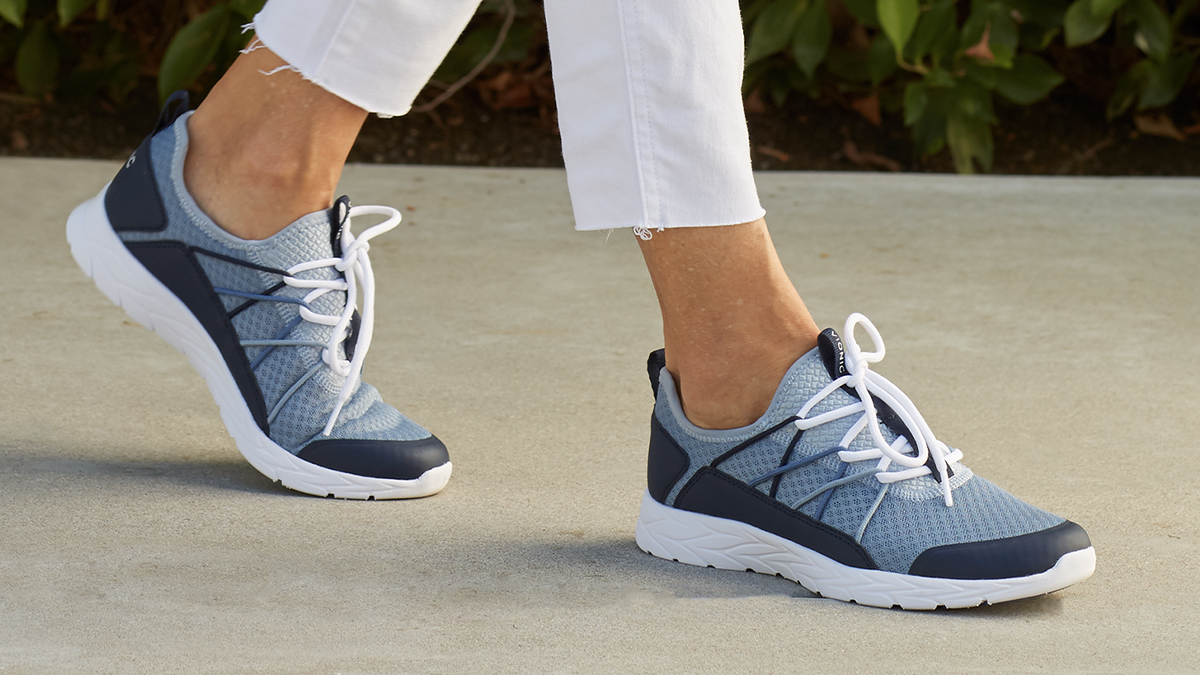
Not all tennis shoes are created equal for walking purposes. When selecting your ideal pair, focus on models designed for “court comfort” or “all-court” play, often marketed as training shoes within tennis lines. Avoid highly specialized “clay court” or “grass court” shoes with extreme tread patterns. Prioritize cushioning technology: look for mentions of proprietary systems like Adidas’ Boost, New Balance’s Fresh Foam, or PUMA’s Nitro foam. These materials, born from polymer research, offer superior energy return and long-lasting softness compared to standard EVA foam. Secondly, examine the outsole. A modified herringbone or a circular tread pattern in a durable rubber indicates good all-surface traction. Third, ensure a roomy toe box. While tennis shoes are snug in the midfoot, the toe area should allow your toes to splay naturally with about a thumbnail’s space between your longest toe and the shoe’s end. As celebrity trainer and author Harley Pasternak has advised his clients for city walking tours, “Your shoe should be a firm handshake for your foot—secure in the middle, roomy at the toes, and supportive at the heel.” Finally, consider weight. Modern tennis shoes have shed considerable weight; opt for lighter models to reduce leg fatigue over miles. A perfect pair of tennis shoes for walking seamlessly blends these elements.
:max_bytes(150000):strip_icc()/vwt-walking-shoes-test-ryka-devotion-x-sahara-borja-02-18807b688fbb49e4ba30a3ee438600cb.jpeg)
Beyond the Hype: A Pragmatic View on Cost and Value
Let’s address the practicalities. High-performance tennis shoes from leading brands often carry a premium price tag, typically ranging from $100 to $160 at full retail. However, the value proposition for a walker is significant. The enhanced durability of the outsole and upper means the shoes’ lifespan in miles-walked is often 25-40% longer than a comparably priced running shoe dedicated to walking. This translates to a lower cost per mile. Furthermore, the market is dynamic. End-of-season sales, online retailer discounts (on platforms like Amazon), and outlet stores frequently offer last year’s colorways or models at 30-50% off. For instance, a top-tier model originally priced at $140 might be found for $85, placing it firmly in the value category. Investing in a slightly older model rarely compromises the core technologies—the cushioning foam, stability features, and rubber compound remain excellent. This pragmatic approach allows you to access professional-grade footwear technology without straining your budget. Remember, the goal is sustained comfort and joint protection; a discounted, high-quality tennis shoes for walking achieves that objective brilliantly.
The Verdict: A Step in the Right Direction
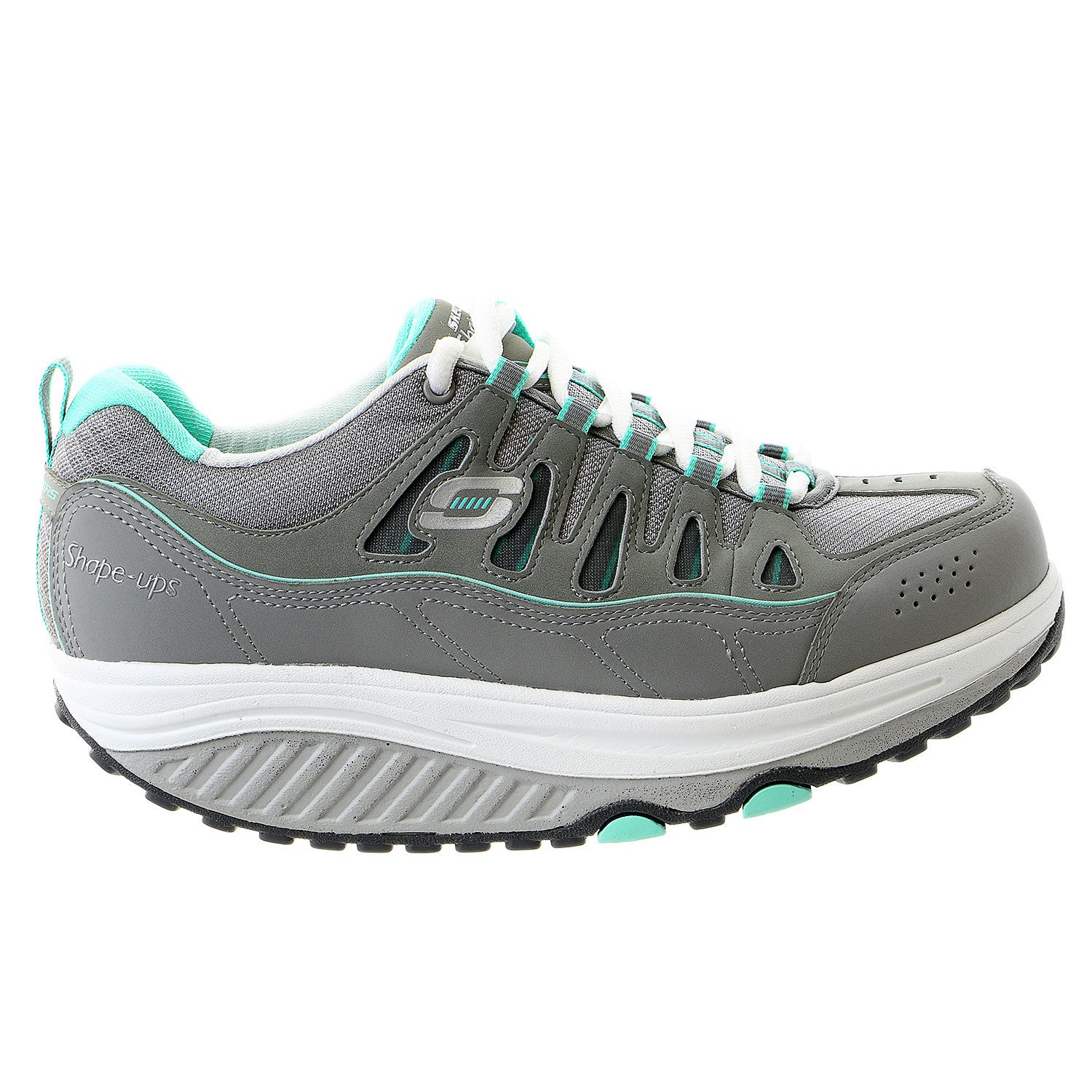
The search for the perfect all-day walking shoe need not be confined to traditional aisles. By embracing the engineered solution of tennis footwear, you equip yourself with a tool honed by the extreme demands of sport. The unparalleled lateral stability, the resilient cushioning built for repetitive impact, the durable outsole that laughs at pavement, and the secure, blister-free fit form a symphony of comfort features. Whether you’re navigating airport terminals, exploring a new city, or simply tackling a demanding work shift, a well-chosen pair of tennis shoes provides a foundation of support that allows you to focus on the experience, not your feet. It’s a conscious choice to apply the rigor of sports science to the everyday marathon of life. So, the next time your day promises miles of adventure, consider lacing up a pair of tennis shoes—you might just discover your stride has never felt more confident or comfortable.
