

The Walking Shoe: Your Secret to Effortless Style and All-Day Comfort
Forget the notion that comfort and style are mutually exclusive. The modern walking shoe has evolved from a purely functional piece of athletic gear into a cornerstone of a versatile, intelligent wardrobe. It is the unsung hero that carries you through a bustling city day, a weekend adventure, or simply the marathon of daily errands, all while providing a foundation of support that your body will thank you for. This isn’t about settling for less; it’s about choosing more—more resilience, more poise, and ultimately, more freedom in how you move through your world. The right pair is an investment in your physical well-being and a statement of practical elegance.
The Anatomy of All-Day Comfort: More Than Just Soft Soles
True comfort in a walking shoe is a symphony of engineering, not a single note of cushioning. It begins with the midsole, often crafted from advanced materials like EVA (ethylene-vinyl acetate) foam or proprietary compounds such as Brooks’ DNA LOFT or ASICS’ GEL technology. According to biomechanics literature from institutions like the University of Calgary’s Human Performance Laboratory, the primary role of the midsole is to attenuate shock—the repetitive impact force that travels up your legs with each step. However, cushioning alone is insufficient. The structure must also provide arch support and heel counter stability. A study cited in the Journal of Orthopaedic & Sports Physical Therapy emphasizes that proper medial (arch) support can reduce excessive pronation, a common cause of plantar fasciitis and shin splints. The heel counter, the firm cup at the back of the shoe, locks your heel in place, preventing slippage and providing essential ankle alignment. Imagine your foot as a complex mechanical system; the walking shoe is the optimized chassis that ensures all parts work in harmony, reducing fatigue and the risk of overuse injuries. This scientific approach to design transforms a simple shoe into a tool for sustained mobility.
From Pavement to Park: The Versatility of Modern Design
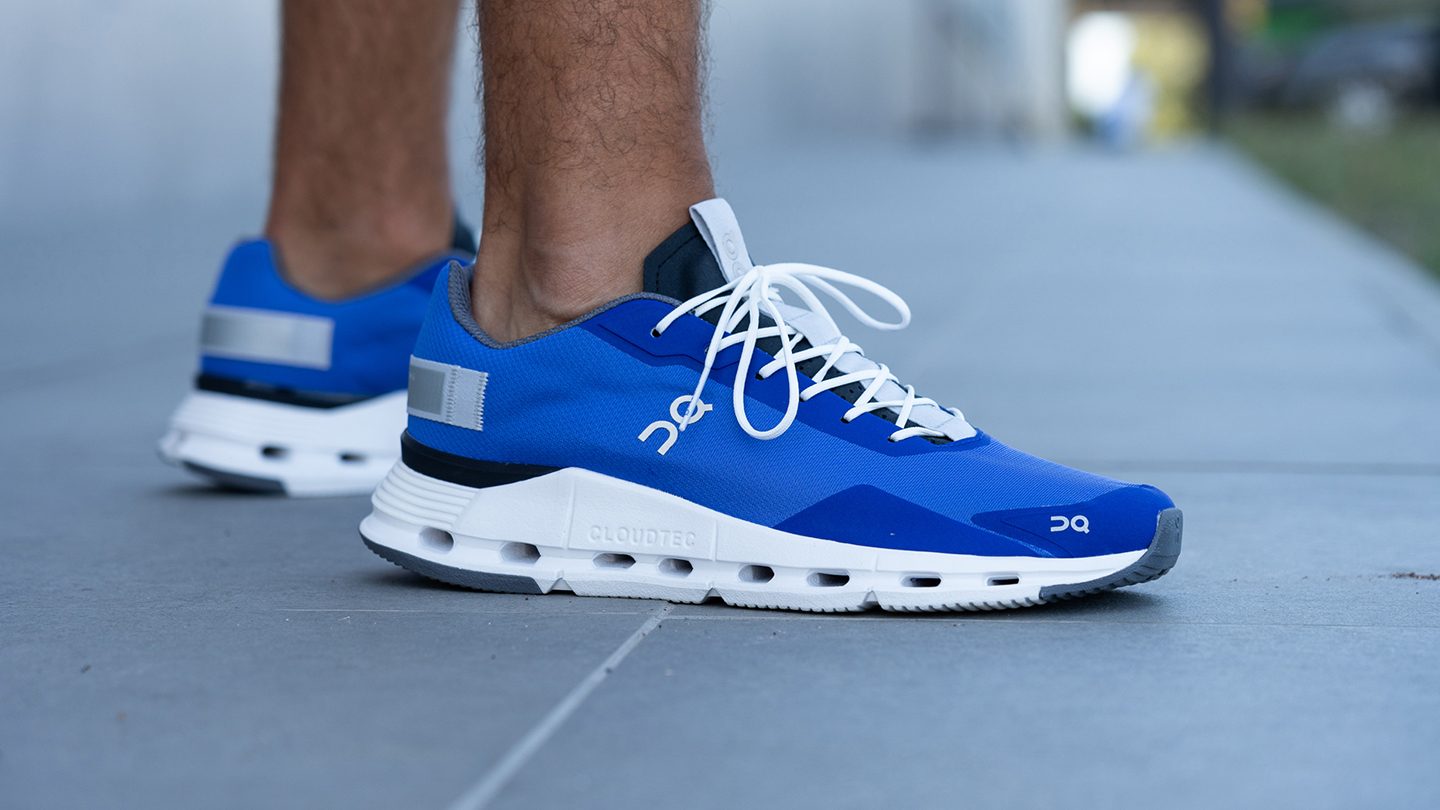
Gone are the days when a comfortable shoe screamed “sporty” in every context. Today’s leading brands have masterfully blurred the lines. You’ll find sleek, minimalist sneakers from brands like Cole Haan or Allbirds that pair effortlessly with chinos or casual dresses, alongside robust, trail-ready options from Merrell or Salomon that boast rugged outsoles and waterproof membranes. This versatility is a response to a cultural shift documented in lifestyle publications from GQ to The Wall Street Journal, where “athleisure” and functional fashion have become mainstream. The design philosophy is holistic: a breathable, often knitted or engineered mesh upper for temperature regulation; reflective details for low-light visibility; and outsoles with a strategic tread pattern that offers grip on wet city streets as reliably as on a gravel path. As noted designer Tinker Hatfield, the mind behind iconic Nike silhouettes, once stated in an interview, “The best design serves the function without sacrificing the form. It solves a problem you might not have even known you had, and in doing so, becomes indispensable.” The modern walking shoe embodies this principle, solving the problem of all-day wearability without asking you to compromise your aesthetic.
The Long-Term Investment: Physiology and Footwear Longevity
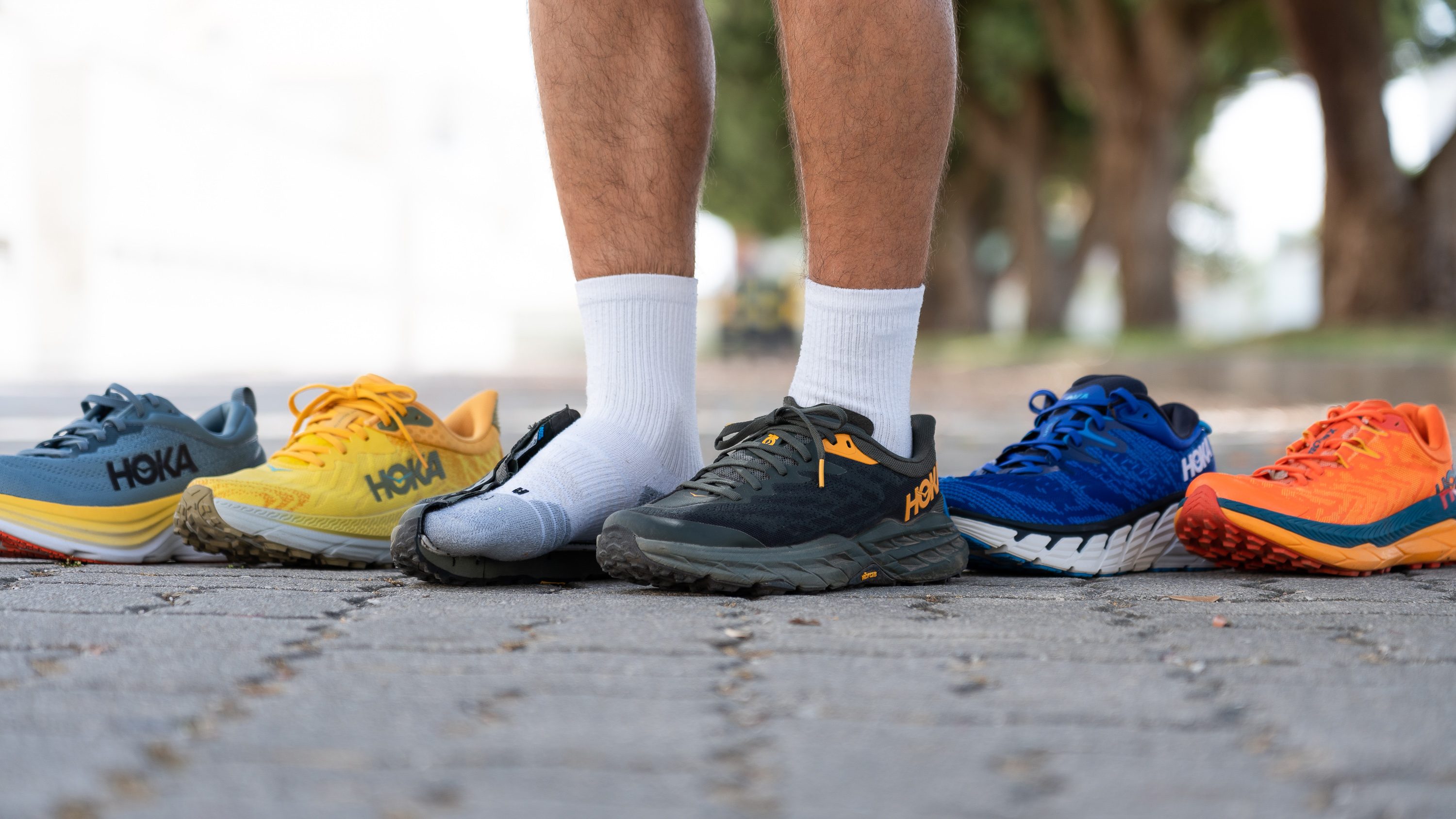
Viewing a quality walking shoe as a mere purchase is a short-sighted approach. It is, in fact, a critical investment in your musculoskeletal health. Podiatrists and physical therapists consistently warn that worn-out shoes are a leading contributor to foot, knee, and even back pain. The cushioning materials compress over time, losing their ability to absorb shock. The American Podiatric Medical Association (APMA) recommends replacing walking shoes every 300 to 500 miles. But the investment begins with the initial selection. Features like a rocker sole—a subtly curved profile that promotes a smooth heel-to-toe transition—can reduce strain on the Achilles tendon and calf muscles. This isn’t marketing hype; research from the Spaulding National Running Center at Harvard Medical School has explored how rocker-soled footwear can alter gait mechanics to reduce joint loading. Furthermore, brands like Hoka One One have popularized maximalist cushioning, which, as noted in reviews on expert sites like Runner’s World, provides exceptional shock absorption for those with joint sensitivities or who stand for long periods. By choosing a shoe designed with these physiological principles in mind, you are proactively supporting your body’s infrastructure, potentially staving off costly and painful issues down the line.
Making an Informed Choice: A Guide to Your Perfect Pair
Selecting your ideal walking shoe is a personal journey, but it should be an informed one. Start by understanding your foot type. The classic “wet test”—observing the footprint you leave on a dry surface after stepping out of water—can indicate if you have high, neutral, or low arches. This correlates with your pronation pattern. Many specialty running and walking stores offer gait analysis, providing invaluable data. Next, consider your primary use. Are you mostly on hard, flat surfaces, or do you need traction for varied terrain? The outsole rubber compound and lug pattern are key here. Don’t be swayed by size alone; always try shoes on in the afternoon when your feet are naturally slightly swollen, and wear the socks you intend to pair them with. There should be about a thumb’s width of space between your longest toe and the end of the shoe. Finally, listen to the collective wisdom. Platforms like Quora and dedicated footwear review channels on YouTube, such as “Doctor of Running” or “The Run Testers,” offer deep dives into performance, durability, and fit from both experts and seasoned users. Cross-referencing these insights with your personal needs cuts through the noise and leads you to a shoe that feels like it was made for you.
When to Let Go: Recognizing the Signs of Wear
Even the best shoes have a finite lifespan. Ignoring the signs of wear negates all the benefits of your careful selection. The most obvious indicator is visible compression or creasing in the midsole, particularly in the areas under the ball of the foot and the heel. Check the outsole for smooth, bald spots where the tread has worn away, compromising grip. Examine the upper for significant fraying or breakdown of structural elements. But some signs are felt, not seen. Do you start to feel new aches in your feet, shins, or knees after walks that were previously pain-free? Has the once-plush cushioning begun to feel flat and unresponsive? As noted physical therapist and author Kelly Starrett often emphasizes in his mobility work, “Your equipment should work for you, not against you. The moment it becomes a source of compromise, it’s time for a change.” Proactively retiring a worn-out pair is not wasteful; it is an essential part of maintaining the biomechanical benefits that a proper walking shoe provides. Keeping a rough log of your mileage can serve as a helpful, objective reminder.
:max_bytes(150000):strip_icc()/when-should-i-replace-my-walking-shoes-3436325-0801-7a1840d83573471092e0380f9e230ecc.jpg)
Expertise Meets Value: Finding Quality Without Compromise
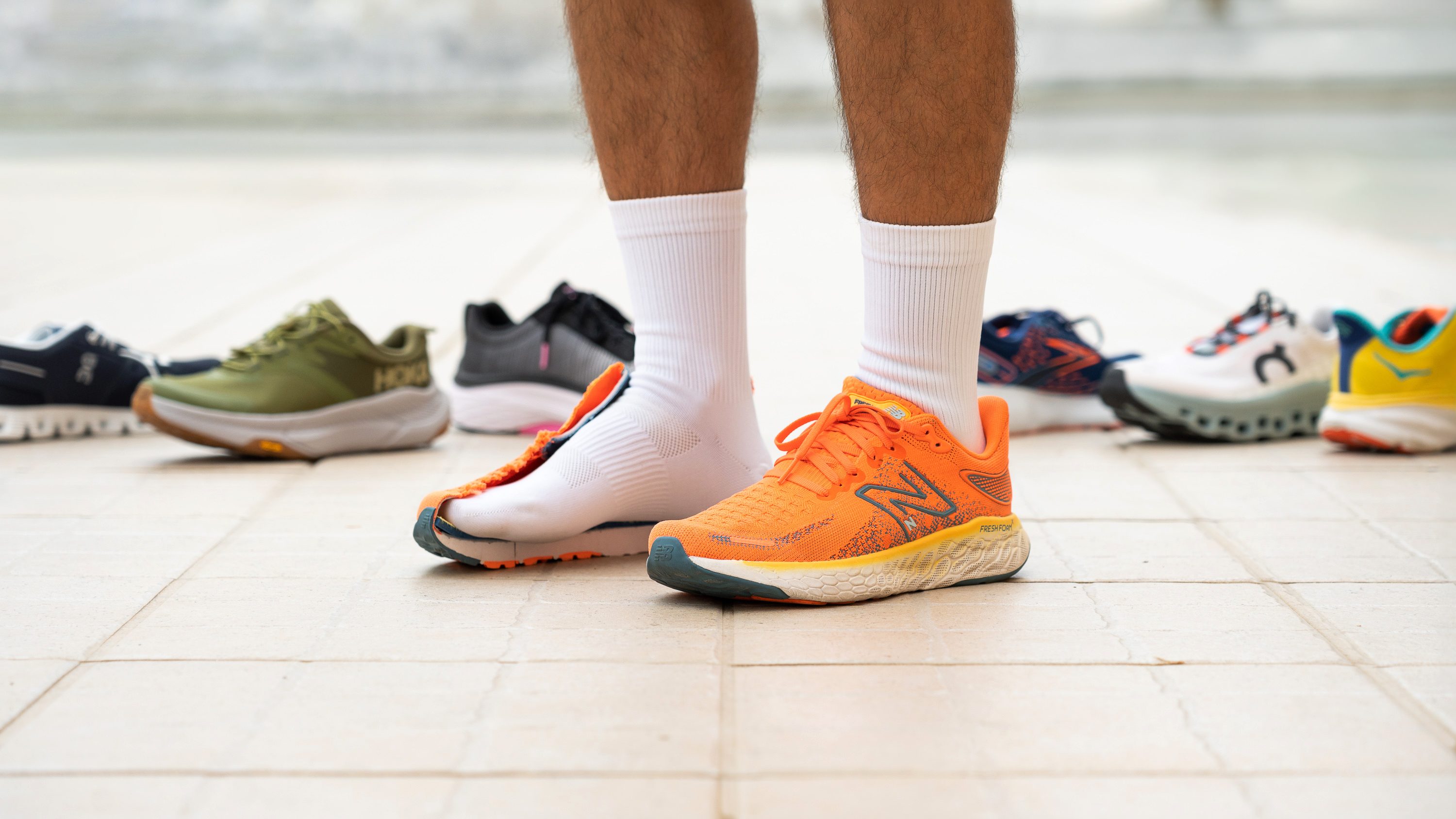
In the pursuit of the perfect walking shoe, expertise should lead to value, not exclusivity. The knowledge of biomechanics, material science, and design is now accessible, allowing you to make smart decisions. This empowerment is coupled with a market that offers exceptional value. While premium models from brands like Brooks, Saucony, or New Balance often incorporate the latest technologies, many brands offer “previous season” models at significant discounts—models that retain their core performance features. Furthermore, outlet stores and reputable online retailers frequently run sales, especially during seasonal transitions. The key is to use your newfound knowledge to identify the non-negotiable features you need (e.g., specific arch support, a certain level of cushioning, a waterproof membrane) and then seek out models that meet those criteria within your budget. Investing in your comfort and health doesn’t require a blank check; it requires informed discernment. By understanding what makes a great walking shoe great, you can confidently navigate sales and selections, securing a pair that delivers professional-grade support at an accessible price point, ensuring that all-day comfort is a luxury everyone can afford.
The journey to effortless style and unwavering comfort begins from the ground up. The right walking shoe is not an accessory; it is the fundamental platform upon which you build your day. It is the product of rigorous science, thoughtful design, and a deep understanding of human movement. By choosing wisely, you choose to move through life with greater ease, resilience, and confidence. Let your steps be supported, your style be uncompromised, and your comfort be continuous.
