

Step Into Comfort and Style with Vionic Walking Shoes
For years, the pursuit of the perfect walking shoe felt like a compromise. You could have cushioning that felt like walking on clouds, but the shoe looked like a medical device. You could find a stylish sneaker, but after a few city blocks, your feet would ache, and your back would protest. This false choice between wellness and aesthetics has dominated the footwear industry, leaving many to accept discomfort as the price of looking good or to sacrifice style for the sake of their soles. But what if this dichotomy is a myth? What if the engineering principles that podiatrists champion could be seamlessly woven into footwear that you’re genuinely excited to wear? This isn’t a hypothetical future; it’s the present reality crafted by brands that bridge this gap. The journey to all-day comfort without sacrificing an ounce of style begins with a single, informed step—a step into a shoe designed with biomechanical intelligence at its core.
The Foundation: Why Biomechanics Matter in Every Step
To understand why a specialized walking shoe is transformative, we must first delve into the science of human gait. Walking is a complex, repetitive series of movements involving hundreds of muscles, tendons, and bones. According to biomechanics literature from institutions like the University of Virginia’s Motion Analysis Laboratory, the foot undergoes a specific cycle: heel strike, foot flat, mid-stance, heel-off, and toe-off. When this cycle is supported correctly, movement is efficient and joints are protected. When it’s not, the body compensates, leading to a cascade of issues from plantar fasciitis and knee pain to lower back strain. The arch of the foot is not merely a curvature; it’s a dynamic, spring-like structure that absorbs shock and propels us forward. A flat or unsupported arch collapses inward (overpronation) or doesn’t roll enough (supination), disrupting the entire kinetic chain. This is where generic cushioning fails. It may soften impact momentarily but does nothing to guide the foot through its natural, healthy motion. True comfort, therefore, is not about softness alone; it’s about alignment, stability, and proactive support—principles that are the bedrock of orthotic science and now, of advanced footwear design.
Beyond Cushioning: The Orthotic Revolution in Everyday Footwear
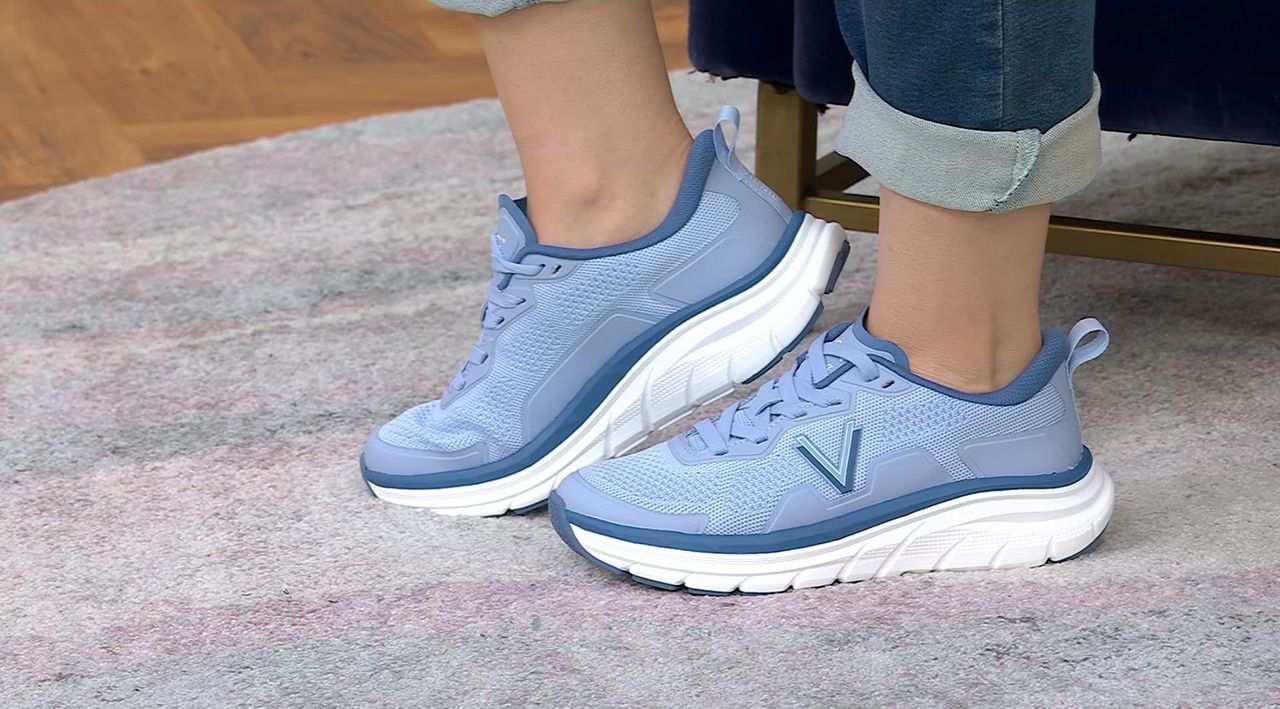
The concept of orthotics—custom-made insoles to correct foot alignment—has been a mainstay of podiatric medicine for decades. Historically, these were rigid, uncomfortable devices hidden inside clunky shoes. The revolution has been in translating that clinical efficacy into a wearable, attractive product. Brands like Vionic have pioneered this approach by integrating podiatrist-designed footbeds into their shoes from the ground up. This isn’t an afterthought insert; it’s the foundational architecture of the shoe. The key component is a deep heel cup that cradles the rearfoot, preventing excess movement. Coupled with that is targeted arch support that maintains the foot’s neutral position, and a forefoot zone that allows for a natural toe-off. As noted on health platforms like WebMD and in podiatric journals, proper arch support can significantly alleviate common ailments. When you slip into a shoe built on this principle, like a Vionic walking shoe, you’re not just putting on footwear; you’re engaging a support system that actively works with your body’s mechanics. The sensation is distinct: it’s a feeling of being “held” and “guided,” rather than just “padded.”
Dissecting the Anatomy of a Supportive Shoe
Let’s move from principle to parts. What specific features should you seek? First, examine the midsole. It should offer more than foam; it needs a firm medial post or a dual-density construction to control pronation. The heel counter—the back part of the shoe that cups your heel—must be rigid and snug to lock your foot in place, eliminating slippage that can cause blisters and instability. The toe box should be roomy enough to allow your toes to splay naturally upon impact, a feature often highlighted in barefoot running communities for promoting balance and strength. Finally, the outsole needs flexible grooves at the forefoot to facilitate that crucial toe-off phase. A Vionic walking shoe typically embodies these traits meticulously. For instance, their signature biomechanical footbed is a three-zone comfort system that addresses the heel, arch, and forefoot independently. This level of detail transforms a simple activity like walking into a therapeutic exercise, strengthening the intrinsic muscles of the foot and promoting better posture from the ground up.

Where Performance Meets Aesthetic: The End of the “Dad Shoe” Stereotype
For too long, “comfort shoe” was a euphemism for “unfashionable.” This stereotype is not just outdated; it’s been aggressively dismantled. Modern design philosophy recognizes that people want to feel good and look good simultaneously. The aesthetic evolution of performance footwear has been remarkable. We see clean lines, sophisticated color palettes (from minimalist neutrals to vibrant accents), and materials like knit uppers, suede, and leather that look at home in a café, at the office, or on a travel adventure. The Vionic walking shoe range exemplifies this fusion. You can find styles with the sleek profile of a contemporary sneaker, the elegance of a casual loafer, or the sporty vibe of an active trainer—all hiding their high-performance orthotic core within. This design intelligence means you no longer need a separate “walking shoe” and a “going-out shoe.” One pair can fulfill multiple roles, offering unparalleled versatility. As fashion influencers on platforms like YouTube often note, the integration of wellness tech into stylish apparel is the defining trend of modern lifestyle gear.
“The right shoe doesn’t just carry you; it corrects you, aligns you, and empowers you. It’s the most intimate piece of technology we interact with daily, and its design should honor both the body’s engineering and the individual’s spirit.” – A sentiment often echoed by biomechanics experts and wellness advocates in public talks, reflecting the holistic view of modern footwear.
Real-World Testimonials: From Pain to Freedom
Theoretical benefits are one thing; lived experience is another. Across consumer review platforms, Q&A sites like Quora, and social media, a consistent narrative emerges from those who have switched to biomechanically designed shoes. Individuals who suffered from chronic plantar fasciitis describe being able to take morning steps without excruciating pain. Retail workers and nurses, who spend 12+ hours on their feet, report a dramatic reduction in end-of-day fatigue and leg swelling. Travelers extol the ability to explore cobblestone cities for hours without their usual foot complaints. These aren’t isolated anecdotes; they form a pattern that validates the underlying science. One user might say, “My Vionic walking shoe felt strange for the first day—my feet were actually working differently—but by day three, the relief was profound.” This initial adjustment period is common, as muscles accustomed to poor support begin to engage correctly. The testimony of real people reclaiming their mobility and joy in simple movement is perhaps the most powerful argument of all.
An Investment in Long-Term Wellness, Not Just a Purchase
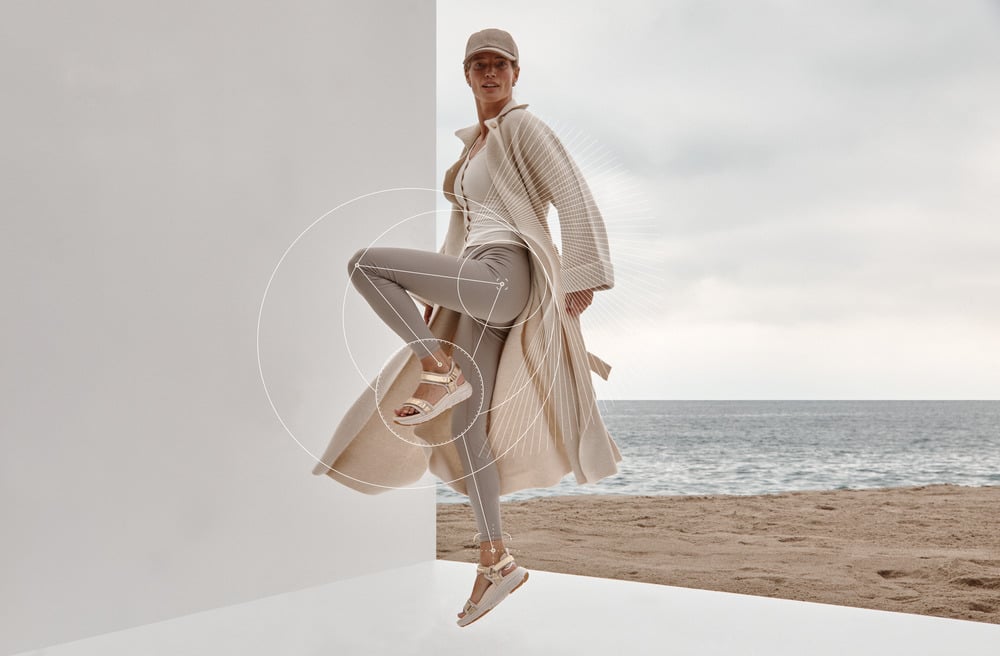
It’s tempting to view high-quality supportive footwear as an expensive upfront cost. This perspective is a critical error. A cheaper, poorly made shoe is a liability, not a savings. Consider the cost of doctor visits, physical therapy sessions, custom orthotics, pain relievers, and the diminished quality of life from chronic discomfort. A single pair of engineered shoes acts as preventive medicine for your musculoskeletal system. They protect your knees, hips, and spine from the cumulative impact of millions of misaligned steps. Furthermore, the construction quality of these shoes—premium materials, reinforced stitching, durable outsoles—means they outlast multiple pairs of fast-fashion sneakers. When you amortize the cost over the years of service and the value of pain-free living, the investment becomes clear. Brands often offer direct sales with seasonal promotions, making this essential health tool more accessible. Bringing professional knowledge and discounted prices to users is part of empowering them to make a choice that benefits their long-term well-being without financial strain.
Making the Right Choice: How to Select Your Pair
With the importance established, how do you choose? First, know your foot type. A simple “wet test” (looking at the imprint of your wet foot on paper) can tell you if you have high, normal, or low arches. While a podiatrist can give a definitive analysis, this is a good start. Second, consider your primary activity. Are you looking for a shoe for dedicated long-distance fitness walks, or for all-day wear in a casual setting? Third, don’t buy based on size alone. Always try on shoes in the afternoon when feet are naturally more swollen, and wear the socks you intend to use. There should be about a thumb’s width of space between your longest toe and the end of the shoe. The shoe should feel secure at the heel and midfoot without any pinching or pressure points. Walk around on a hard surface. Listen for the technology: does it guide your step? A proper Vionic walking shoe or its equivalent will feel supportive, not just soft. Remember, the goal is alignment, not immersion in foam.

The journey toward effortless comfort and confident style is not about finding a magic bullet. It’s about understanding the sophisticated machinery of your own body and choosing tools that respect its design. The era of compromise is over. Today, you can select footwear that embodies the rigor of podiatric science and the vision of contemporary design—a synergy that turns the simple act of walking into a source of pleasure and vitality. The path forward is literally underfoot. It’s paved with innovation that supports every arch, cushions every impact, and complements every outfit. When you prioritize the intelligent engineering inside your shoes, you unlock a new dimension of daily comfort, allowing you to move through your world with greater ease, stability, and undeniable style.
