

The Ultimate Guide to Tennis Shoes for Walking
Let’s dismantle a common misconception right at the start: not all athletic shoes are created equal for the specific, repetitive motion of walking. While running shoes dominate the conversation, a dedicated pair of tennis shoes for walking can be the unsung hero of daily comfort and long-term joint health. This guide isn’t about following a trend; it’s about understanding the biomechanical marriage between your foot’s needs and a shoe’s design. We will navigate through the engineering principles, the often-overlooked features, and the tangible benefits that make a tennis-style walking shoe a superior choice for the dedicated walker, ultimately bringing you professional insights that empower your next purchase, potentially at a more informed and discounted price point.
The Biomechanical Divergence: Why Walking Demands Its Own Design
The fundamental argument for specialized footwear lies in gait analysis. Running is characterized by a flight phase—where both feet are off the ground—leading to impactful heel strikes that can exert forces of 2-3 times one’s body weight. Consequently, running shoes prioritize immense heel cushioning and forward momentum propulsion. Walking, however, is a continuous contact motion with a rolling movement from heel to toe. The force is lower but consistent, and the foot remains in contact with the ground for a longer period. This requires a different support paradigm. As noted by researchers from the University of Virginia’s Motion Analysis and Motor Performance Laboratory, the subtalar joint in the foot undergoes a specific, controlled pronation during the walking cycle to absorb shock and adapt to terrain. A shoe built for walking must facilitate this natural roll without overcorrecting it. A stiff, highly cushioned running shoe can actually disrupt this efficient, rolling gait. Therefore, the search for the ideal tennis shoes for walking begins with acknowledging this biomechanical truth: we need stability for a prolonged ground contact phase, not just cushioning for aerial impact.

Anatomy of the Ideal Walking Shoe: A Feature-by-Feature Breakdown
When evaluating a shoe’s suitability for walking, we must move beyond marketing and inspect its anatomical components. First, consider the heel counter. This is the firm cup that encases your heel. In a quality walking shoe, it should be rigid and well-padded to lock the heel in place, preventing slippage and the resultant friction that causes blisters. This stability is paramount for the repetitive heel-strike of walking. Second, examine the midsole. This is the heart of the shoe’s cushioning and support. EVA (ethylene-vinyl acetate) foam is common, but advanced materials like polyurethane or proprietary gels (like ASICS’ GEL technology) offer durable compression resistance. The key is a midsole that provides a balance of cushioning and responsiveness—it should compress to absorb shock but also rebound slightly to aid your foot’s natural roll, a feature often perfected in court shoes adapted for walking. Third, the flex point. Bend the shoe. It should flex easily at the ball of the foot, precisely where your foot bends during toe-off. A flex point that is too far forward or too stiff will fight your physiology, leading to fatigue. Finally, the outsole requires attention. Durable rubber with a varied tread pattern is essential. A flatter, more patterned sole, akin to many tennis shoes, provides excellent traction and durability on paved surfaces, outlasting the soft, blown rubber outsoles of many running shoes designed for track or treadmill use.
The Tennis Shoe Advantage: A Synergy of Stability and Flexibility
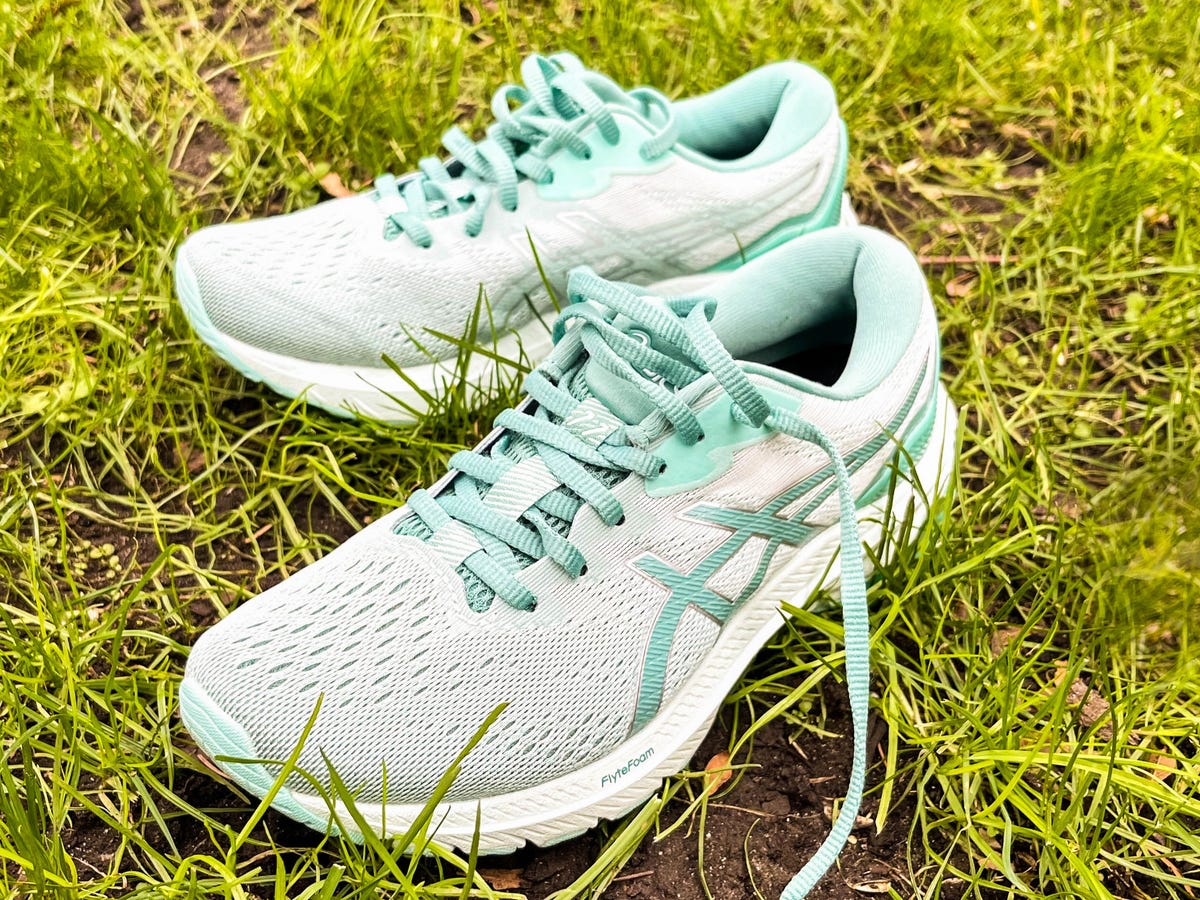
This is where the concept of tennis shoes for walking truly shines. Tennis is a multi-directional sport requiring lateral stability, quick stops, and forward propulsion. A well-designed tennis shoe, therefore, inherently possesses features that benefit walkers: a reinforced toe box for durability during the push-off phase, a secure midfoot saddle to prevent side-to-side movement, and an outsole built for abrasive, hard-court surfaces. As celebrity trainer Harley Pasternak has often emphasized on platforms like YouTube, “The foundation of any fitness regimen is injury prevention, and that starts from the ground up with footwear that offers holistic support, not just pillow-soft cushioning.” A tennis-inspired walking shoe provides that holistic support. It’s less about mimicking the feel of walking on clouds—a marketing gimmick that can mask poor form—and more about creating a stable, durable platform that respects the foot’s mechanics. The lateral support in these shoes prevents the ankle roll common on uneven sidewalks, while the flexible forefoot allows for a powerful, efficient stride. This synergy makes them a formidable option for the urban walker or anyone covering miles on hard surfaces.
Material Science and Long-Term Value: Beyond the First Step
Investing in a proper walking shoe is an investment in longevity, both for the product and your body. The materials matter immensely. Upper materials like engineered mesh provide breathability to manage moisture over long distances, while synthetic leather or thermoplastic polyurethane (TPU) overlays add structure without excessive weight. Recall the words of renowned industrial designer Yves Béhar, who collaborated on footwear projects: “Good design solves a problem without announcing itself.” The problem here is repetitive stress over hundreds of thousands of steps. The solution is in materials that endure. Furthermore, the value proposition of a dedicated tennis shoes for walking becomes clear when considering cost-per-mile. A cheap, generic “sneaker” may have a compressed midsole after a few months, losing its supportive properties and altering your gait, potentially leading to issues in the knees, hips, or back. A well-constructed shoe with a durable outsole and resilient midsole, even at a higher initial price, will maintain its integrity far longer. Savvy shoppers can find exceptional value by looking for previous-season models of reputable performance brands, which often see significant discounts as new colorways are released, bringing premium technology within a more accessible price range.
Making the Informed Choice: A Practical Selection Framework
Armed with this knowledge, how do you choose? First, prioritize fit over everything. Your foot swells during walking, so shop in the afternoon and ensure about a thumbnail’s space between your longest toe and the shoe’s end. Width is critical; cramped shoes can cause neuromas. Second, test the shoe’s function. Don’t just stand—walk on a hard surface in the store. Feel for the smooth heel-to-toe transition and the secure hold around your midfoot. Third, consider your terrain. For primarily paved or indoor walking, the durable, flat-tread outsole of a tennis-style shoe is ideal. For mixed or softer trails, you might seek a hybrid with slightly more aggressive lugs. Remember the core principle: you are selecting a tool for a specific job. The job is efficient, pain-free, and sustainable walking. The right pair of tennis shoes for walking acts as a precision instrument, enhancing your body’s natural ability rather than attempting to replace it with excessive technology. As the famous line from the book Born to Run by Christopher McDougall suggests, the secret to running (and by extension, walking) wasn’t buried in a lab; it was in understanding how the body is meant to move. The right shoe removes interference.

Ultimately, the journey to finding the perfect walking companion ends with a simple realization: it’s about partnership, not pampering. A shoe that provides a stable base, facilitates your natural gait, and stands up to the relentless friction of the pavement is worth its weight in gold. By focusing on the structural tenets derived from court shoes—lateral support, durable construction, and flexible forefoots—you equip yourself with more than just footwear; you gain a foundational piece of your health infrastructure. Let this guide steer you away from fleeting comfort and towards enduring support, where every step taken in a proper pair of tennis shoes for walking is a step taken with confidence, efficiency, and a deep understanding of the remarkable mechanics at play.
