

The Walking Shoe: Your Ultimate Guide to Stylish and Comfortable Footwear
Forget the notion that practicality must sacrifice style, or that comfort is the enemy of good design. The modern walking shoe stands as a triumphant rebuttal to these outdated ideas. It is no longer a niche product hidden in the back of a closet for “exercise only.” Today, it represents a fundamental shift in how we approach daily life—a fusion of biomechanical engineering, material science, and aesthetic consideration designed for the person who is constantly in motion, whether navigating city streets, exploring travel destinations, or simply seeking all-day ease without compromise. This guide isn’t about settling; it’s about empowering your stride with footwear that actively contributes to your well-being and confidence.
The Anatomy of Comfort: Deconstructing the Modern Walking Shoe
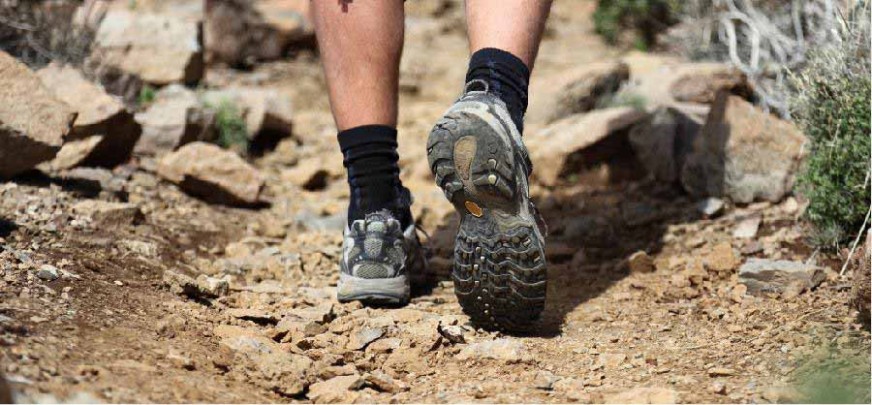
To understand why a proper walking shoe feels like a revelation, we must look beneath the surface. The comfort is not accidental; it is engineered through specific components working in harmony. The midsole is the heart of the operation. This is typically made from materials like EVA (ethylene-vinyl acetate) foam or polyurethane, which provide cushioning by absorbing and dispersing the impact force when your heel strikes the ground. Advanced versions incorporate proprietary technologies like Brooks’ DNA LOFT or ASICS’ GEL, which aim to offer a softer feel without sacrificing stability or durability. The rocker sole design, a subtle but critical feature, facilitates the natural rolling motion of the foot from heel-strike to toe-off, reducing strain on the Achilles tendon and calf muscles. This design principle is supported by podiatric literature, which emphasizes the importance of proper gait cycle facilitation in preventing overuse injuries. The upper, once merely a cover, is now a precision instrument for fit. Engineered meshes offer targeted breathability and stretch, while seamless constructions minimize the potential for friction and blisters. The insole or sockliner is often removable, allowing for customization with orthotics if needed. Every stitch and layer is a calculated decision aimed at one goal: making the complex biomechanics of walking—a process that involves forces up to 1.5 times your body weight with each step—feel effortless and supported.

Why Your Footwear Choice Matters More Than You Think
You might view shoes as simple accessories, but from a physiological perspective, they are foundational to your musculoskeletal health. Ill-fitting or unsupportive shoes don’t just cause sore feet at the end of the day; they can create a cascade of alignment issues. The human body is an interconnected kinetic chain. When your foot pronates (rolls inward) excessively or supinates (rolls outward) due to lack of support, it can affect the angle of your ankle, which in turn stresses your knees, tilts your hips, and can even lead to lower back pain. As Dr. James Ioli, Chief of Podiatry at Brigham and Women’s Hospital, has stated, “Footwear is the interface between the body and the ground. The right shoe can help manage forces and prevent injury.” Consider the long-term walker or urban commuter. A study published in the Journal of Foot and Ankle Research highlighted that consistent use of appropriate footwear can significantly reduce the incidence of plantar fasciitis, a common and painful inflammatory condition. The right walking shoe acts as a preventative tool, not just a reactive one. It provides a stable platform, ensuring that the 26 bones, 33 joints, and over 100 muscles, tendons, and ligaments in each of your feet can function as nature intended, protecting the entire structure above them from unnecessary wear and tear.
Bridging the Gap: Where Style Meets Substance
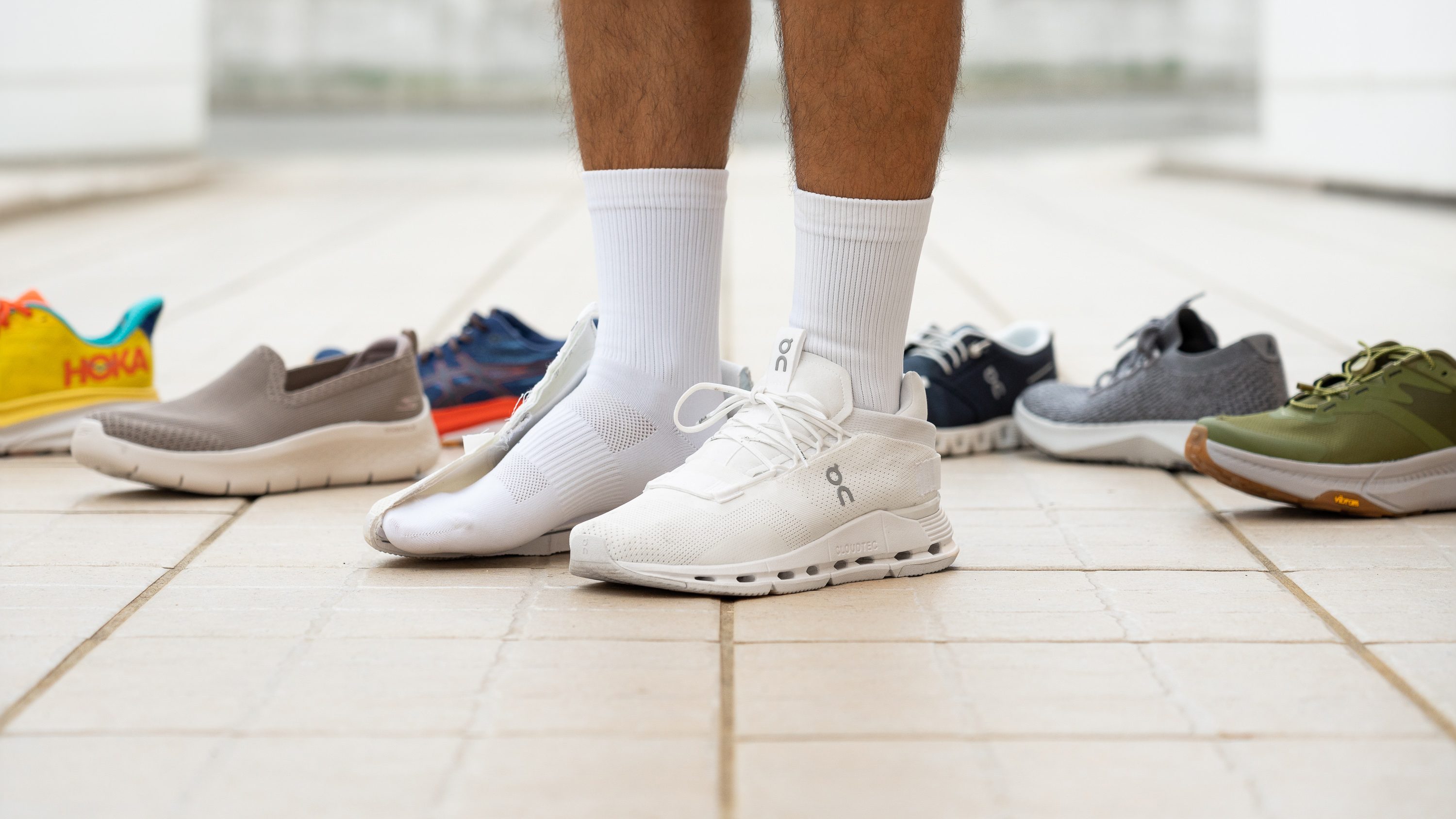
The historical divide between “sneakers” and “dress shoes” is rapidly closing. Brands have recognized that consumers refuse to choose. The result is a new category of footwear that possesses the technical pedigree of a performance trainer but the clean lines and versatile color palettes of contemporary fashion. Think of brands like Cole Haan, which infuses Grand.ØS technology into leather oxfords, or Allbirds, which built its reputation on minimalist, sustainable design paired with merino wool and sugarcane-based foam. The aesthetic shift is deliberate. As noted by designers interviewed in publications like GQ and Vogue, the demand is for shoes that transition seamlessly from a morning walk to a casual office meeting or a weekend brunch. This isn’t about a “sporty” look slapped onto a traditional shoe; it’s about integrating performance features invisibly. A memory foam footbed is hidden beneath a sleek leather inlay. A flexible, lightweight sole is bonded to a suede upper. The modern walking shoe proves that you do not need to announce its technical capabilities loudly; its comfort and effortless style speak for themselves, allowing you to move through diverse aspects of your life with a single, dependable pair.
Selecting Your Perfect Pair: A Buyer’s Framework
With countless options, choosing can feel overwhelming. Move beyond brand loyalty or looks alone and adopt a systematic approach. First, understand your foot type and gait. Are your arches high, low, or neutral? A simple wet foot test on a paper bag can give you a clue. Many specialty running stores offer gait analysis, which is equally valuable for walkers. This knowledge directs you to the right category: motion control shoes for overpronators, cushioned shoes for high arches and supinators, or stability shoes for neutral gaits. Second, prioritize fit over size number. Your feet swell throughout the day, so shop in the afternoon. There should be about a thumb’s width of space between your longest toe and the end of the shoe. The widest part of your foot should align with the widest part of the shoe without pinching. Heel slippage should be minimal. Third, consider your primary use. Are you logging miles on paved trails, or weaving through museum halls on a city break? A shoe with a more aggressive tread and robust cushioning suits the former, while a lighter, more flexible sole may be ideal for the latter. Remember, the best walking shoe is the one that disappears on your foot, becoming an unnoticed extension of your body that simply works.
The Investment in Your Stride: Longevity and Value
High-quality walking shoes represent an investment in your health and daily comfort. While the initial price tag for premium models from brands like HOKA, Saucony, or New Balance may range from $120 to $160, the cost-per-wear and preventative health benefits justify it. These shoes are built with durable rubber outsoles, high-abrasion meshes, and foams resistant to compression set, meaning they retain their bounce and shape over time. The general recommendation from organizations like the American Podiatric Medical Association is to replace walking shoes every 300 to 500 miles. For the average walker, this translates to roughly every six to nine months. Ignoring this can lead to diminished support and increased injury risk. To maximize value, look for previous-season models or sales from authorized retailers, where you can often find technology that was top-tier just months ago at a significant discount. The goal is to pair professional knowledge—understanding what features you truly need—with savvy shopping to secure footwear that offers peak performance without straining your budget. Your feet, and your future self, will thank you for the thoughtful allocation of resources toward such a critical tool.
:max_bytes(150000):strip_icc()/when-should-i-replace-my-walking-shoes-3436325-0801-7a1840d83573471092e0380f9e230ecc.jpg)
The journey toward finding the ideal footwear is a step toward a more engaged and pain-free life. It is a conscious choice to reject the false dichotomy between looking good and feeling good. The evolution of the walking shoe mirrors our own evolving priorities: a desire for authenticity, functionality, and holistic well-being. By choosing shoes engineered for the specific, beautiful complexity of human movement, you are not just accessorizing an outfit; you are equipping yourself for the vibrant, dynamic reality of everyday life. Let your shoes be a foundation of confidence, propelling you forward in comfort and style, one well-supported step at a time.
