

The Best Tennis Shoes for All-Day Walking
When we talk about footwear designed for extensive ambulation, the immediate thought often drifts toward specialized walking shoes or running sneakers. However, a compelling case exists for a different category: tennis shoes for walking. The very design philosophy behind a quality tennis shoe—lateral support, cushioning for impact from hard surfaces, and durable outsoles—translates remarkably well to the demands of all-day walking on varied urban terrains. This isn’t merely anecdotal; it’s rooted in biomechanics and material science. The right pair can transform a day of errands, travel, or city exploration from a foot-fatiguing chore into a comfortable journey. Let’s delve into why a well-chosen tennis shoe might be the unsung hero of your walking wardrobe and how to identify the pair that offers not just comfort, but scientific support and lasting value.
The Biomechanical Bridge: Why Tennis Shoes Work for Walking
The human gait cycle, whether walking or playing tennis, involves a complex sequence of heel-strike, midfoot stance, and toe-off. While running involves a flight phase, walking is a constant ground-contact activity, placing sustained pressure on joints and soft tissues. A 2013 study from the University of Virginia’s Motion Analysis and Motor Performance Laboratory highlighted the importance of midfoot stability and heel cushioning in preventing overuse injuries during repetitive stride activities. Tennis shoes are engineered precisely for these demands. The sport requires explosive lateral movements, quick stops, and pivots, demanding shoes that offer exceptional medial-lateral support to prevent ankle rolls—a feature that also stabilizes the foot during the prolonged, repetitive motion of walking. Furthermore, the cushioning systems in brands like ASICS, which often incorporate GEL technology, are designed to absorb impact from hard courts, directly analogous to the shock absorption needed when your heel strikes concrete pavement thousands of times a day. As noted by renowned podiatrist Dr. William Rossi in his seminal work, “The Professional Shoe Fitting Manual,” the principle of “function follows form” is critical; a shoe built for dynamic, multi-directional stress inherently provides a more secure platform for the foot than many shoes designed solely for straight-line motion.
Deconstructing the Ideal Walking Tennis Shoe: Key Features
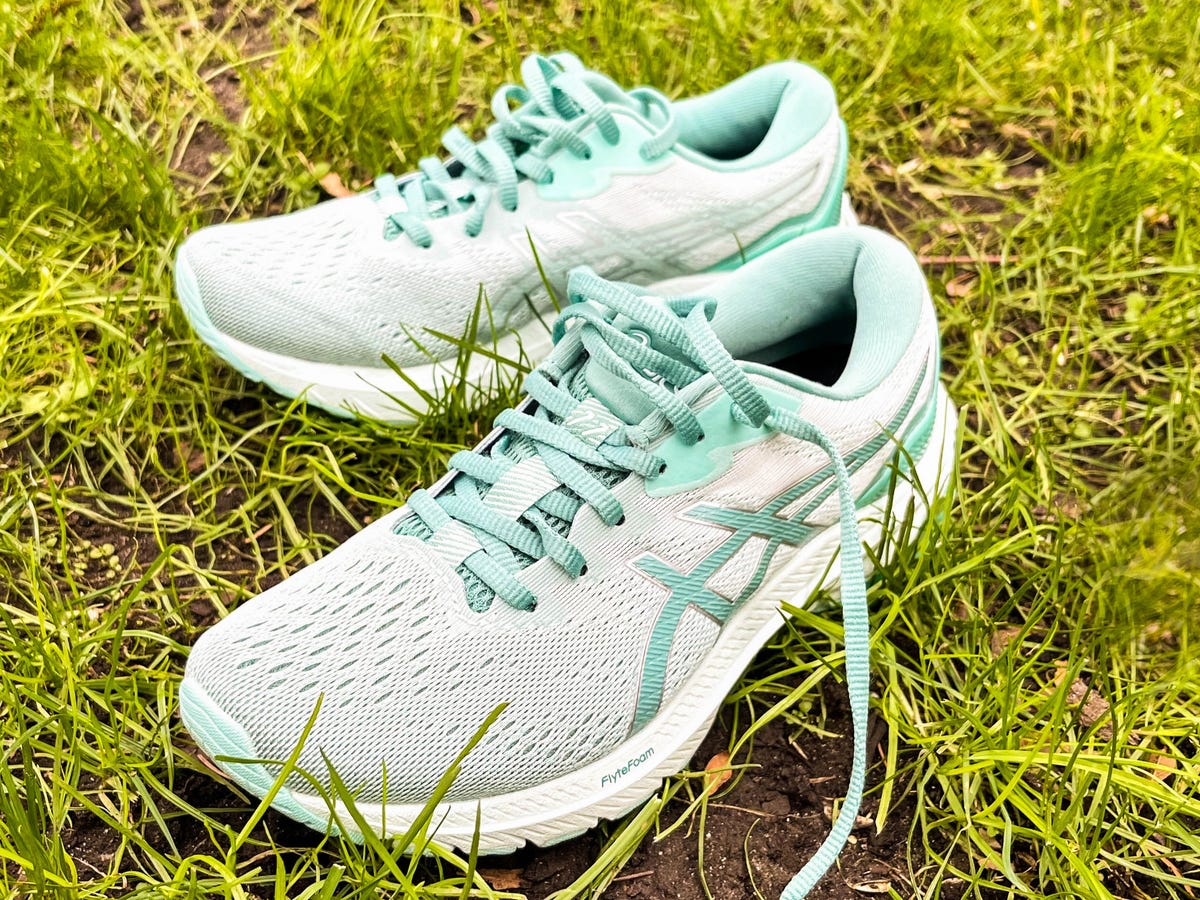
Not all tennis shoes are created equal for pedestrian purposes. Identifying the best tennis shoes for walking requires a focus on specific architectural elements. First, consider the outsole. A durable, non-marking rubber with a modified herringbone or multi-directional tread pattern provides excellent grip on both dry and slightly wet surfaces, a feature highlighted in wear-test analyses from authoritative sites like Verywell Fit. The flexibility is crucial; the shoe should bend easily at the ball of the foot, mirroring your natural toe-off, but resist torsion in the midfoot. Second, the midsole cushioning is paramount. Technologies like Nike’s Air Zoom, Adidas’s Boost, or New Balance’s Fresh Foam offer responsive yet soft cushioning that dissipates impact energy over a longer period, reducing fatigue. Third, the upper material and fit. Look for breathable mesh to manage moisture and a secure, padded heel collar to prevent blister-causing slippage. The legendary tennis player and footwear entrepreneur Stan Smith once emphasized in an interview that “comfort in a court shoe comes from a marriage of a snug heel and roomy toe box,” a principle that is equally vital for walkers to accommodate natural foot swelling during long periods of activity.
:max_bytes(150000):strip_icc()/vwt-walking-shoes-test-ryka-devotion-x-sahara-borja-02-18807b688fbb49e4ba30a3ee438600cb.jpeg)
Support vs. Flexibility: Finding Your Personal Equilibrium
The debate between maximum support and natural flexibility is central to choosing footwear. For walkers with neutral gaits or high arches, a tennis shoe for walking with moderate support and high flexibility may be ideal, allowing the foot’s intrinsic muscles to work. Conversely, individuals with overpronation (flat feet) may benefit from the structured support found in “motion control” or “stability” tennis models. These often feature dual-density midsoles and reinforced medial posts to guide the foot into a more neutral position. Resources like the American Podiatric Medical Association’s public advisories often recommend such features for those with specific biomechanical needs. It’s a personal equilibrium; the shoe should not feel like a rigid cast, nor should it feel unstable. As the famous line from the book and film Forrest Gump goes, “Mama always said you can tell a lot about a person by their shoes.” In our context, you can tell a lot about what your feet need by how a shoe balances this critical support-flexibility dynamic during a test walk.
Material Science and Longevity: An Investment in Your Feet
Beyond immediate comfort, the longevity of your tennis shoes for walking is a function of material quality. Modern synthetic overlays and thermoplastic polyurethane (TPU) supports are designed for durability without excessive weight. The evolution from traditional leather to engineered mesh represents a significant leap in breathability and weight reduction. According to material scientists at MIT’s Laboratory for Manufacturing and Productivity, the advanced polymers used in contemporary athletic footwear are optimized for thousands of stress cycles without significant degradation. This translates directly to cost-per-wear value. Investing in a pair from a reputable brand known for quality construction might have a higher initial price, but it pays dividends in durability, consistent support, and sustained cushioning over hundreds of miles. It’s a classic case of “buy nice or buy twice.” The discounted prices often found on previous-season models or during major sales events make these technologically advanced shoes an even smarter acquisition, bringing professional-grade biomechanical engineering to users at accessible price points.

A Note on Style and Versatility
One undeniable advantage of using tennis shoes for walking is their inherent style quotient. Born from the courts, they carry a classic athletic aesthetic that has seamlessly integrated into casual and streetwear fashion. A clean pair of white leather tennis shoes, for instance, can transition from a full day of museum-hopping to a casual dinner without missing a beat. This versatility is a practical boon for travelers or those who dislike packing multiple shoe types. Fashion influencers and style authorities from GQ to Vogue have long championed the tennis sneaker as a wardrobe staple, not just for its looks but for its foundational comfort. This fusion of form and function means you don’t have to sacrifice aesthetics for all-day comfort; the right pair delivers both, proving that looking good and feeling good are not mutually exclusive pursuits.
Making the Informed Choice: Try, Test, Trust
Ultimately, the best advice is experiential. The wealth of information from Wikipedia on foot anatomy, Quora threads comparing specific models, YouTube reviews from certified pedorthists, and data from university kinesiology departments all serve to inform, but the final test is personal. Visit a specialty store in the afternoon when your feet are naturally slightly swollen. Try on multiple brands and models, wearing the socks you typically walk in. Pay attention to the immediate feel—there should be no “break-in” pain or pressure points. Walk around the store, mimicking your natural stride. Trust the feedback from your feet. Remember, the goal is to find a tool that enhances your mobility and enjoyment. The perfect tennis shoes for walking will feel like an extension of your body, providing a stable, cushioned, and responsive platform that makes the miles feel shorter and the day feel lighter.

In the landscape of footwear designed for movement, tennis shoes present a uniquely qualified candidate for the pedestrian. They are built on a foundation of scientific principles addressing impact, stability, and durability—principles that align perfectly with the needs of the all-day walker. By understanding the key features and prioritizing fit and quality, you can select a pair that offers more than just comfort; it offers sustained support, lasting value, and the freedom to walk on, mile after comfortable mile.
