

The Best Tennis Shoes for All-Day Walking Comfort
Finding the perfect shoe for extended periods on your feet is more than a matter of style; it’s a critical investment in your physical well-being. While specialized walking shoes exist, a high-quality pair of tennis shoes for walking can offer unparalleled versatility, support, and comfort for the urban explorer, the busy professional, or anyone who values all-day ease. This article delves into the science of comfort, the anatomy of a great shoe, and how the right pair can transform your daily experience.
Why Tennis Shoes Excel as Walking Companions
The design philosophy behind tennis shoes is inherently suited to dynamic, multi-directional movement. Unlike running shoes, which are engineered primarily for forward motion, tennis shoes are built to handle lateral cuts, quick stops, and sudden pivots. This translates to a foundation of exceptional stability—a cornerstone for walking comfort. The midsole cushioning, often featuring advanced compounds like Adidas’s Boost or ASICS’s GEL technology, is tuned to absorb impact from various angles, not just heel strike. Furthermore, the outsoles typically offer a more substantial rubber coverage with herringbone or modified patterns that provide excellent grip on diverse surfaces, from pavement to indoor floors. When you choose a tennis shoes for walking, you are opting for a shoe with a robust support structure that cradles the foot through the more varied, albeit less intense, biomechanics of all-day ambulation. The University of Pittsburgh’s Human Performance Lab notes that footwear with adequate medial-lateral stability can significantly reduce the risk of overuse injuries common in walkers, such as plantar fasciitis.
Decoding Comfort: The Scientific Pillars
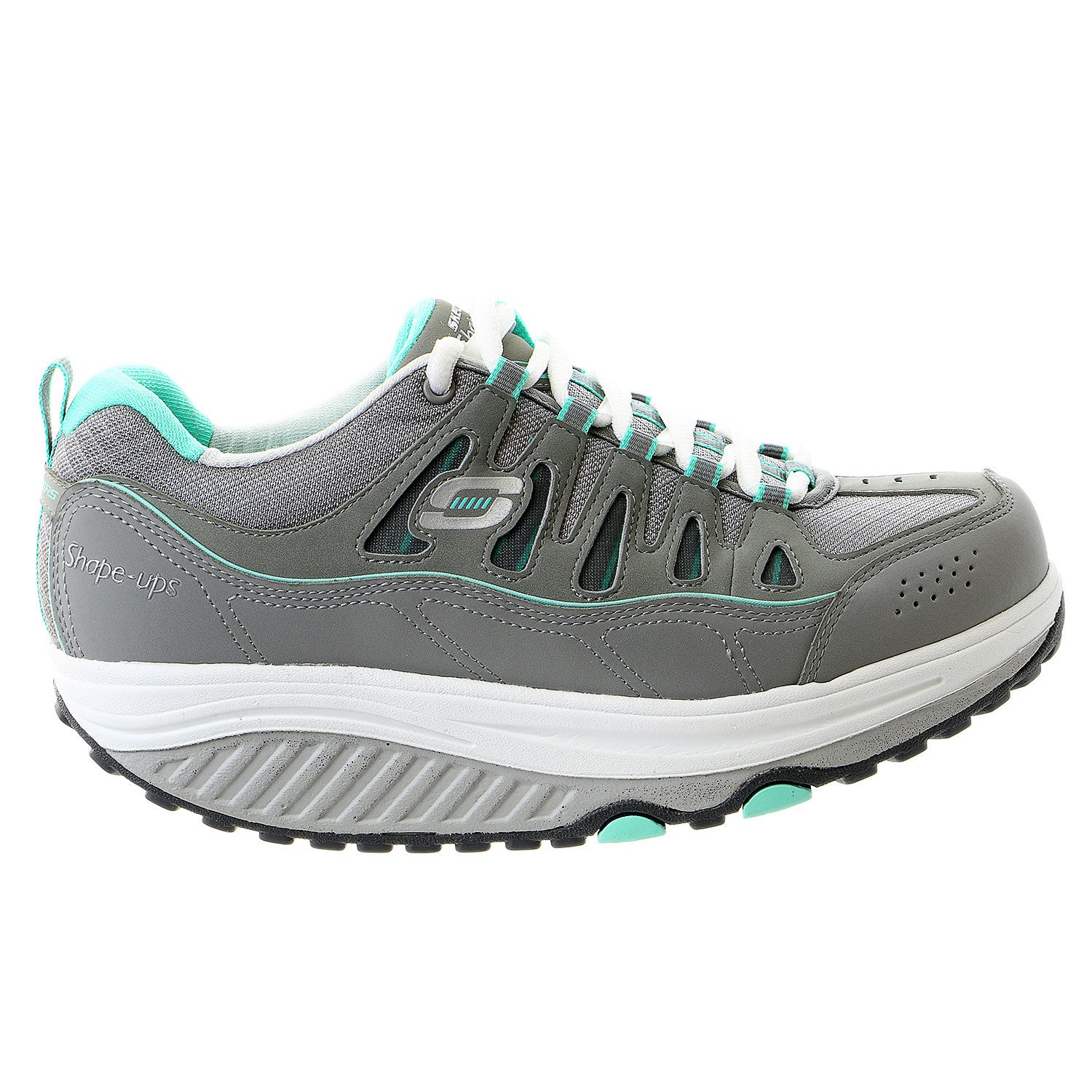
Comfort is a subjective sensation, but its physical determinants are measurable and rooted in biomechanics. For a walking shoe to be truly comfortable for hours, it must master three key areas: cushioning, arch support, and breathability. Cushioning is not merely about softness; it’s about energy return and impact dissipation. As Dr. Casey Kerrigan, a renowned biomechanist, has stated in interviews, “A shoe that is too soft can actually cause muscle fatigue, as the foot works harder to stabilize itself.” The ideal midsole finds a balance—responsive yet forgiving. Arch support is equally critical. Whether you have high, neutral, or flat arches, proper support maintains the foot’s natural alignment, preventing the collapse of the arch (overpronation) which can strain the knees, hips, and back. This is where the structured design of many tennis shoes for walking shines, often incorporating thermoplastic urethane (TPU) shanks or molded EVA footbeds. Finally, breathability, governed by the upper’s material (like engineered mesh), manages moisture and temperature, preventing blisters and creating a healthier foot environment.
The Arch Support Imperative
Ignoring arch support is perhaps the most common mistake when selecting casual footwear. The arch of the foot acts as a natural shock absorber. When it is unsupported, especially during the prolonged weight-bearing of all-day walking, the plantar fascia ligament can become inflamed, leading to pain. A well-designed tennis shoe often features a contoured insole or a built-in arch bridge that mirrors the foot’s topography. Brands like New Balance, with their extensive width sizing, and Brooks, with their GuideRails support system, exemplify this principle. The American Podiatric Medical Association (APMA) grants its Seal of Acceptance to products proven beneficial to foot health, and many supportive tennis models carry this endorsement. It’s not an exaggeration to say that the right support can mean the difference between ending your day energized or in discomfort.

Top Contenders: Features Over Brands
While brand loyalty is common, focusing on specific features will lead you to your ideal pair. Let’s break down the essential components. First, the upper: look for seamless or minimally sewn engineered mesh. This reduces friction points and enhances airflow. Second, the midsole: technologies like Nike Air Zoom, ASICS GEL, and Saucony PWRRUN+ offer targeted cushioning. For walking, a slightly firmer heel with softer forefoot cushioning often works best. Third, the outsole: durable carbon rubber in high-wear areas (like the heel) ensures longevity. A flexible forefoot groove allows for a natural toe-off. Finally, the fit: there should be a thumb’s width of space between your longest toe and the shoe’s end, and the heel should lock in place without slippage. A model like the ASICS GEL-Resolution or the Adidas Courtjam Control, while designed for the court, incorporates these features masterfully, making them superb tennis shoes for walking.
A Note on Style and Versatility
The modern consumer rightfully demands that performance does not come at the expense of aesthetics. The great news is that the current market for tennis-inspired shoes is a goldmine of style. From the classic, clean lines of the Stan Smith to the bold designs of modern performance models, these shoes transition effortlessly from a long day of sightseeing to a casual dinner. This versatility is a key economic and practical advantage. Instead of needing separate shoes for activity and leisure, one well-chosen pair can fulfill multiple roles, simplifying your wardrobe and providing consistent comfort throughout all your daily phases. As fashion influencer and avid walker Jamie Beck noted in a blog post, “My go-to shoes for navigating Parisian cobblestones are a pair of premium leather tennis shoes; they offer the support my feet need and the polish my outfit requires.”

Investing in Your Stride: Value Beyond Price
It’s tempting to seek the lowest price, but with footwear, true value is measured in cost-per-wear and health outcomes. A $150 pair of shoes that lasts 500 miles of comfortable walking is a far better investment than a $60 pair that causes pain after 50 miles and needs replacement. Look for construction quality: reinforced stitching, quality material grain, and reputable brand warranties. Furthermore, the professional knowledge you gain about your own foot type—perhaps through a gait analysis at a specialty running store—is invaluable. This knowledge allows you to make informed choices for life. Many premium brands offer previous-season models or colorways at significant discounts (often 30-50% off), providing access to top-tier technology without the flagship price. Remember, investing in a proper pair of tennis shoes for walking is an investment in your mobility, posture, and long-term joint health.
“The shoe is the primary interface between our body and the ground. Its design doesn’t just affect your feet; it influences the kinetic chain all the way up to your spine. Choosing a shoe with purposeful design for your activity is one of the simplest yet most powerful acts of preventive health care.” – Paraphrased from the works of Dr. Mark Cucuzzella, Professor at West Virginia University School of Medicine and author of “Run for Your Life.”
Making Your Informed Choice
Your journey to all-day comfort begins with self-assessment. Consider your typical walking environment, your foot shape, and any existing discomfort. Visit stores in the afternoon when your feet are naturally slightly swollen. Try shoes on with the socks you intend to wear. Walk around the store, on hard surfaces if possible. Pay attention to any pinching, slipping, or pressure points. Don’t be swayed by hype alone; let your feet be the judge. The perfect shoe should feel secure and supportive yet forgotten on your foot as you move. It is this feeling of effortless support that defines the ultimate goal: a shoe that empowers your day, rather than curtailing it. Whether you choose a model from Nike, ASICS, New Balance, or another performance brand, prioritizing the core principles of stability, cushioning, and fit will guide you to your ideal tennis shoes for walking.
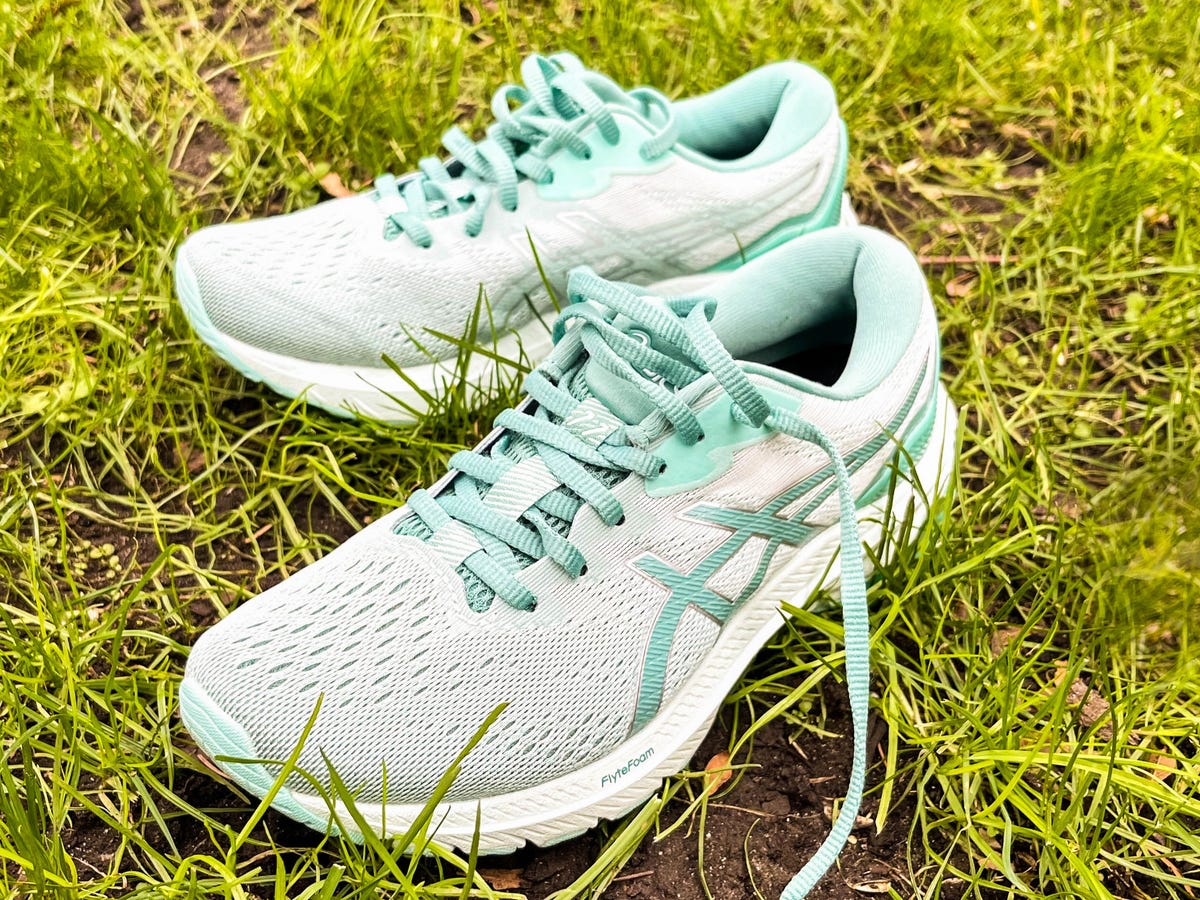
The search for the perfect all-day walking shoe ends not with a universal answer, but with a personal discovery. By understanding the biomechanical synergy between a well-designed tennis shoe and the walking gait, you equip yourself to make a choice that supports every step of your journey. Embrace the process, value the engineering, and step forward into greater comfort.
