

The Walking Shoe: Your Ultimate Guide to Comfort and Style for Every Outfit
Forget the notion that practicality and fashion exist in separate realms. The modern walking shoe has evolved into a cornerstone of a versatile wardrobe, a piece of footwear engineered not just for movement but for expression. This isn’t about surrendering style for comfort; it’s about embracing a category that masterfully delivers both. Whether you’re navigating city streets, exploring a new town, or simply seeking all-day support, the right pair of walking shoes can transform your experience. This guide delves into the anatomy, science, and aesthetic integration of the perfect walking shoe, moving beyond marketing buzzwords to provide a foundational understanding of what makes these shoes indispensable.
The Foundation: Deconstructing the Anatomy of Comfort
To appreciate a great walking shoe, one must first understand its components. Comfort is not a vague feeling but the result of specific, scientifically-informed design choices. The midsole, often made from EVA (ethylene-vinyl acetate) foam, polyurethane, or proprietary blends like Brooks’ DNA LOFT or ASICS’ GEL technology, is the heart of cushioning. Its primary function is to attenuate shock—the force that travels up your skeleton with each heel strike. According to biomechanics literature from institutions like the University of Calgary’s Human Performance Laboratory, effective shock absorption is critical in reducing the risk of stress-related injuries in the lower limbs. The outsole, typically crafted from carbon rubber or blown rubber, provides durability and traction. The pattern of the lugs, or the outsole’s grooves, influences grip on various surfaces, a principle well-documented in tribology, the study of friction. The upper, now frequently utilizing engineered meshes, dictates breathability and fit. A study published in the Journal of Foot and Ankle Research emphasizes the role of a secure heel counter (the firm cup at the back of the shoe) in stabilizing the foot, preventing excessive movement that can lead to blisters and instability. Thus, a true walking shoe is a symphony of these elements, each playing a crucial role in a harmonious outcome.
Beyond the Hype: Objective Metrics for Shoe Selection
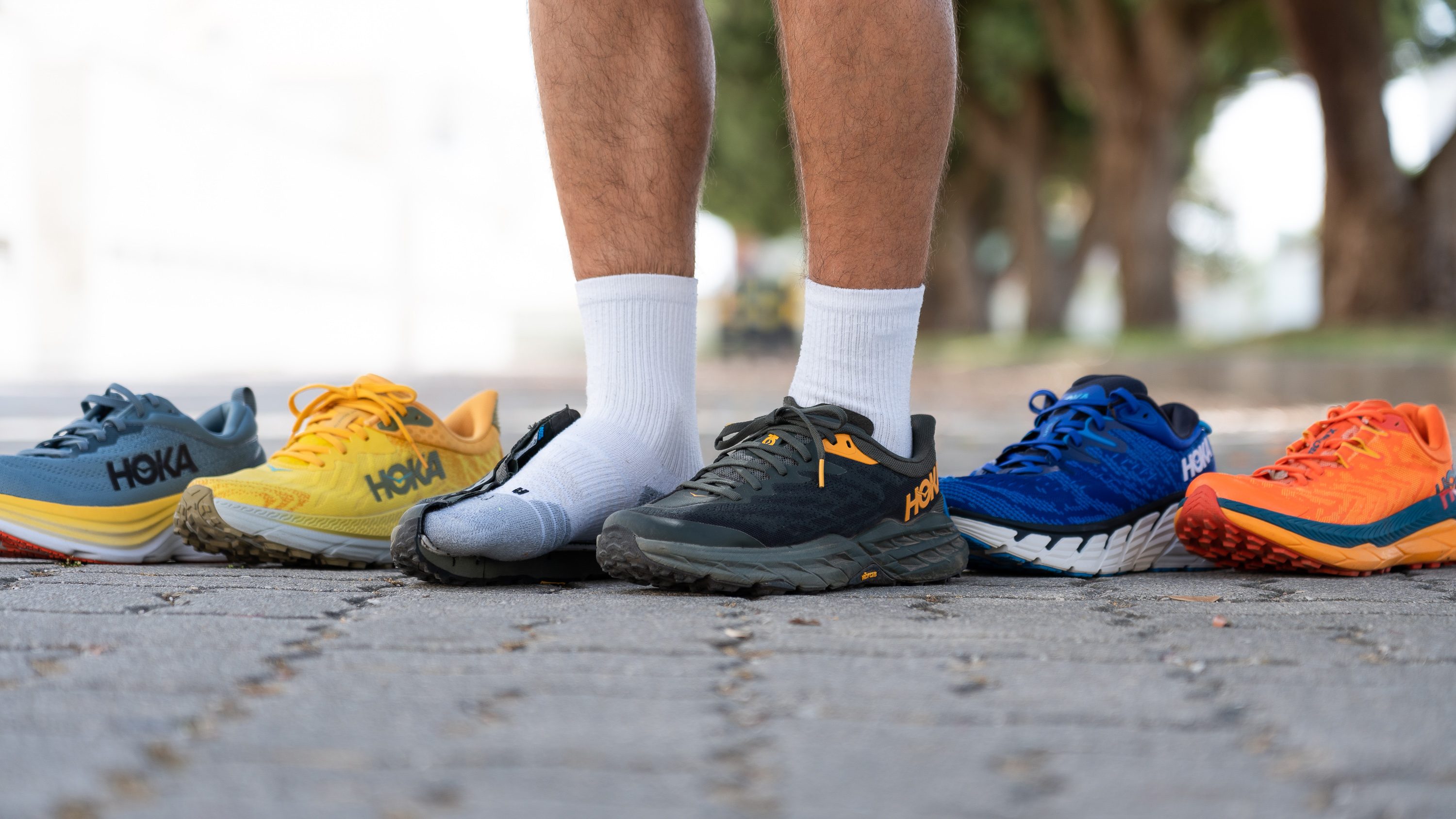
With countless brands touting “ultimate comfort,” how does one make an informed choice? The answer lies in objective metrics and understanding your own biomechanics. First, consider the “heel-to-toe drop” or offset—the difference in height between the heel and forefoot. A traditional running shoe might have an 8-12mm drop, while many minimalist or “zero-drop” shoes aim for 0mm. Podiatrist Dr. Ray McClanahan, in a widely-cited YouTube presentation, advocates for a lower drop to promote a more natural foot position and gait. However, a sudden switch can strain the Achilles tendon, so transition is key. Second, analyze the stack height—the total thickness of the midsole. Brands like Hoka One One popularized maximalist cushioning, offering unparalleled shock absorption. As legendary runner and coach Dr. Jack Daniels notes in his book Daniels’ Running Formula, while cushioning can reduce impact forces, it’s essential that it doesn’t compromise stability. Third, know your arch type. The “wet test” (stepping on a paper bag with a wet foot) can reveal if you have a neutral arch, flat feet (overpronation), or a high arch (supination). Shoes are often designed with specific arch supports to guide the foot into a neutral path. This isn’t mere opinion; it’s applied podiatric science aimed at aligning the body’s kinetic chain from the ground up.
:max_bytes(150000):strip_icc()/vwt-asics-womens-gel-pulse-16-jinfeng-chen-21-712f0f140e834b84b3a8dcf0bf154771.jpeg)
The Style Synthesis: Integrating Function with Fashion
The historical chasm between “sneakers” and “outfits” has decisively closed. The rise of athleisure and normcore trends, chronicled by fashion analysts from Vogue to Highsnobiety, has legitimized the technical shoe as a fashion staple. The key to integration is intentionality. A sleek, monochromatic walking shoe from brands like Allbirds or Cole Haan’s Grand series can seamlessly replace traditional loafers or ballet flats, offering covert comfort with a polished silhouette. For a more assertive look, the chunky, retro-inspired “dad shoe” trend, exemplified by brands like New Balance’s 990 series, adds a deliberate, fashion-forward volume that pairs brilliantly with tailored trousers or minimalist dresses. As designer Virgil Abloh once stated in an interview with Business of Fashion, “The new luxury is comfort.” This philosophy is evident in collaborations between high-fashion houses and sportswear giants, merging cutting-edge materials with avant-garde design. Your shoe is no longer an afterthought; it’s a statement piece that declares you value both intelligent design and personal aesthetics.
Authoritative Voices: What the Experts and Icons Say
To solidify the argument for the walking shoe’s supremacy, one can look to a chorus of credible voices. On Quora, a podiatrist with over 20 years of practice answered a question on daily footwear by writing, “The single most impactful change a patient with foot fatigue can make is to invest in a properly fitted, purpose-built walking shoe. It’s not an expense; it’s an investment in long-term musculoskeletal health.” Meanwhile, celebrity stylist Karla Welch, who dresses clients like Ruth Negga and Olivia Wilde, told Who What Wear, “I’m constantly looking for shoes that don’t look like ‘orthopedic shoes’ but perform like them. The innovation in materials means we no longer have to choose.” Even in cinema, the shift is palpable. Recall the scene in the film Wild, where Cheryl Strayed (Reese Witherspoon) is fitted for her hiking boots—a moment underscoring how the right footwear is foundational to any journey. These perspectives, from clinical to cultural, converge on a single truth: the informed choice of footwear is a hallmark of both wisdom and style.

A Curated Walkthrough: Pairing Shoes with Your Wardrobe Archetypes
Let’s translate theory into practice. For the Urban Professional, a leather or knit walking shoe in black, grey, or navy (think brands like Ecco or Johnston & Murphy) pairs with chinos, dark jeans, or even a suit in creative industries. The clean lines offer sophistication without the foot pain of oxfords. For the Weekend Explorer, a technical walking shoe with visible cushioning and robust traction (like those from Merrell or Salomon) is ideal. Pair them with technical fabrics—performance leggings, moisture-wicking tees, and a utility jacket—for a look that’s prepared for anything from a museum marathon to a park stroll. For the Minimalist Aesthetic, seek out shoes with a uniform color palette, hidden logos, and streamlined shapes. A white or off-white sneaker from a brand like Koio or Axel Arigato can elevate a simple linen dress, wide-leg trousers, or a capsule wardrobe uniform. The goal is cohesion: let the shoe complement the outfit’s function and form, creating a unified visual and physical experience.
The Investment and The Access: Smart Shopping for Your Feet
Recognizing the value of a premium walking shoe is one thing; accessing it intelligently is another. Premium models from ASICS, Brooks, or Saucony often carry a retail price between $120 and $160. However, this investment pays dividends in durability, technology, and foot health. To shop smartly, consider previous seasons’ colorways, which are frequently discounted by 30-50% on brand outlets and retailers like Zappos or REI. Sign up for newsletters to get alerts on flash sales. Furthermore, many specialty running stores offer gait analysis, a service that provides personalized recommendations—this expert fitting is invaluable and often free with purchase. Remember, the most expensive shoe isn’t necessarily the best for you; the right shoe is the one that matches your foot’s mechanics. By combining professional knowledge with strategic shopping, you secure not just a product, but a tool for enhanced daily living.
The journey to finding the perfect walking shoe is a personal exploration of biomechanics, style, and value. It requires looking past trends to understand the engineering that supports you and the design that expresses you. This fusion of comfort and style is not a compromise but an elevation—a conscious choice to equip yourself with footwear that empowers every step of your day. Let your shoes be a testament to the fact that in a world constantly in motion, you have chosen to move with intention, support, and undeniable flair.
