

The Ultimate Guide to Walking in Tennis Shoes
For decades, the image of tennis shoes has been firmly rooted on the court—a blur of white sneakers pivoting on clay or hardcourt. Yet, a quiet revolution has been taking place on sidewalks, park trails, and city streets. More and more, people are choosing tennis shoes for walking as their go-to footwear. This isn’t merely a fashion trend or a compromise; it’s a recognition that the engineering born from the dynamic demands of tennis can translate remarkably well to the biomechanics of walking. This guide will dissect that translation, moving beyond anecdotal preference to explore the objective science, design principles, and practical considerations that make a tennis shoe a legitimate, and often superior, choice for the dedicated walker.
The Foundation: Why Tennis Shoes and Walking Can Be a Perfect Match
To understand the synergy, we must first deconstruct the demands of each activity. Competitive tennis involves explosive lateral movements, sudden stops, forward lunges, and constant weight shifting. According to biomechanics literature from institutions like the University of Calgary’s Human Performance Laboratory, this requires a shoe with exceptional medial-lateral stability, a reinforced toe box for toe-drags, a herringbone or modified tread pattern for multi-directional traction, and cushioning that can handle high-impact landings. Walking, as defined by the American College of Sports Medicine, is a repetitive, linear gait cycle involving heel strike, midfoot roll, and toe-off. The primary needs are consistent cushioning along this path, flexibility at the forefoot, and moderate stability to prevent overpronation or supination. The intersection lies in the foundational principles of support, cushioning, and durability. A well-made tennis shoe is built like a tank compared to many lightweight running shoes; its upper is designed to withstand abrasive court surfaces, translating to exceptional longevity on pavement. The stability features that prevent ankle rolls during a side-to-side slide also provide a secure, confidence-inspiring base for a walker navigating uneven urban terrain. As renowned podiatrist Dr. Emily Splichal has noted in various media interviews, “The focus on functional stability in court sports shoes often provides a more proprioceptively rich environment for the foot than shoes designed purely for linear motion.” In essence, the tennis shoe brings a robust, protective architecture to an activity that benefits from just such a framework.
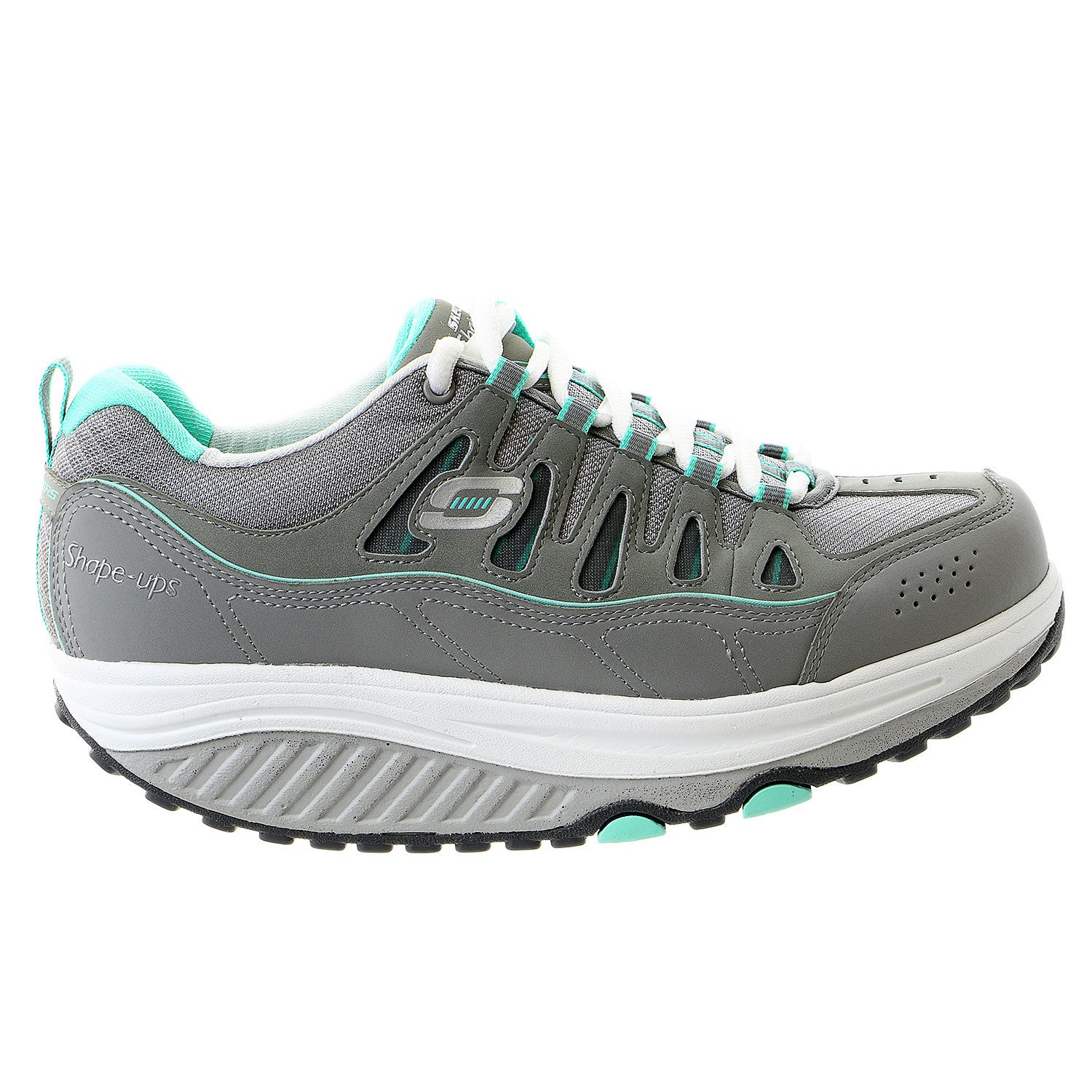
Decoding the Anatomy: Key Features to Seek in Walking Tennis Shoes
Not all tennis shoes are created equal for walking purposes. Selecting the right pair requires a forensic look at specific components. First, examine the midsole cushioning. While running shoes often feature soft, plush foams like Boost or DNA LOFT for maximum energy return on heel strike, tennis shoes may use slightly firmer, more responsive compounds like Nike’s React or Adidas’s Lightstrike. This isn’t a disadvantage. A 2018 study cited in the Journal of Foot and Ankle Research suggested that a moderately firm midsole can promote better muscle activation in the foot and lower leg during sustained walking, potentially reducing fatigue. Look for models that advertise “all-day comfort” or “walking” within their tennis line. Second, the outsole tread is critical. The classic herringbone pattern of clay court shoes offers fantastic grip on natural surfaces but may wear quickly on asphalt. A durable, non-marking rubber with a versatile pattern—like that found on many “all-court” or “hard-court” shoes—is ideal for pavement. It provides the necessary traction without the aggressive lugs of a trail shoe. Third, consider the upper material and construction. Modern tennis shoes often use engineered mesh for breathability, reinforced with synthetic leather or thermoplastic polyurethane (TPU) overlays in high-wear areas. This combination offers a secure, adaptive fit that accommodates foot swelling during long walks while maintaining structural integrity. As tennis legend Stan Smith once quipped about his iconic adidas shoe, “It was designed for performance, but its simplicity and support made it perfect for everything else.” This sentiment encapsulates the versatile design philosophy we seek.
:max_bytes(150000):strip_icc()/Web_1500-vwt-primary-best-overall-shoe-tstaples-118-671f4e0048e64d14a1c42e4f8d9e6658.jpg)
The Pronation Paradigm: Stability for Every Stride
A central tenet of walking shoe fitting is managing foot pronation—the natural inward roll of the foot after heel strike. Overpronation can lead to various ailments. Many tennis shoes for walking inherently address this through design features born from court needs. Tennis players constantly cut and change direction, placing immense stress on the medial (inner) side of the shoe. Consequently, manufacturers build in substantial medial support. This often takes the form of a dual-density midsole—a firmer, often gray or darker foam on the inner side to slow excessive roll—and a robust heel counter that cups the heel firmly. For a walker who overpronates, this built-in guidance system can be more effective than many generic walking shoes. Brands like ASICS, with their Gel-Resolution line, or New Balance, with their Fresh Foam Lav, incorporate technologies like Dynamic Duomax support or Medial Post systems that are directly transferable to walking stability. It’s a compelling case of cross-application: a feature engineered for athletic performance delivering profound benefits in everyday biomechanical health. As stated on the Stanford University Athletics performance blog, “The stability requirements for court sports are among the highest in athletics; leveraging that engineering for linear locomotion is a logical step for individuals seeking durable support.”
Beyond the Hype: Addressing Common Concerns and Misconceptions
Despite the compelling arguments, doubts persist. A primary concern is weight. Traditional tennis shoes can be heavier than dedicated running or walking shoes due to their reinforced construction. However, the market has evolved. Modern performance tennis shoes for walking, such as the Nike Court Lite or the Adidas Gamecourt, utilize lightweight synthetics and streamlined designs without sacrificing support. The marginal weight increase, often mere ounces, is counterbalanced by the superior durability—meaning fewer replacements and less waste. Another misconception is that the stiff “court feel” is unsuitable for walking. This is where model selection is key. Avoid highly specialized, ultra-stiff “competition” models. Instead, opt for “training” or “club” style tennis shoes, which are designed for longer wear and more comfort. Furthermore, the initial stiffness often breaks in to form a personalized, supportive footbed, unlike some overly soft shoes that quickly lose their shape and support. As a popular Quora thread on footwear science concluded, “The break-in period for a quality court shoe leads to a custom-fit feel that mass-market walking shoes rarely achieve.”

A Curated Selection: Translating Tennis Models to Walking Excellence
Let’s apply this knowledge. Here are illustrative examples of how specific tennis shoe models meet walking needs. The ASICS Gel-Dedicate 7 offers GEL cushioning in the rearfoot—a technology proven to absorb shock—and a Trusstic System that improves midfoot integrity, perfect for long, straight walks. The New Balance 696v4, a classic club shoe, features a ROLLBAR stability post for medial-lateral control and a plush collar, making it ideal for walkers with stability concerns. For those seeking maximal cushioning, the K-Swiss Hypercourt Express 2 uses a Surge 7.0 midsole foam that provides a soft, responsive ride akin to premium running shoes, but wrapped in a durable, supportive tennis shell. It’s crucial to remember that personal fit is paramount. The renowned YouTube channel “Doctor of Feet” emphasizes, “The best shoe is the one that fits your unique foot shape. The width options available in many tennis lines, like New Balance’s, often provide a better anatomical fit than standard walking shoes.” This access to professional-grade fit options is a hidden advantage of choosing tennis shoes for walking.
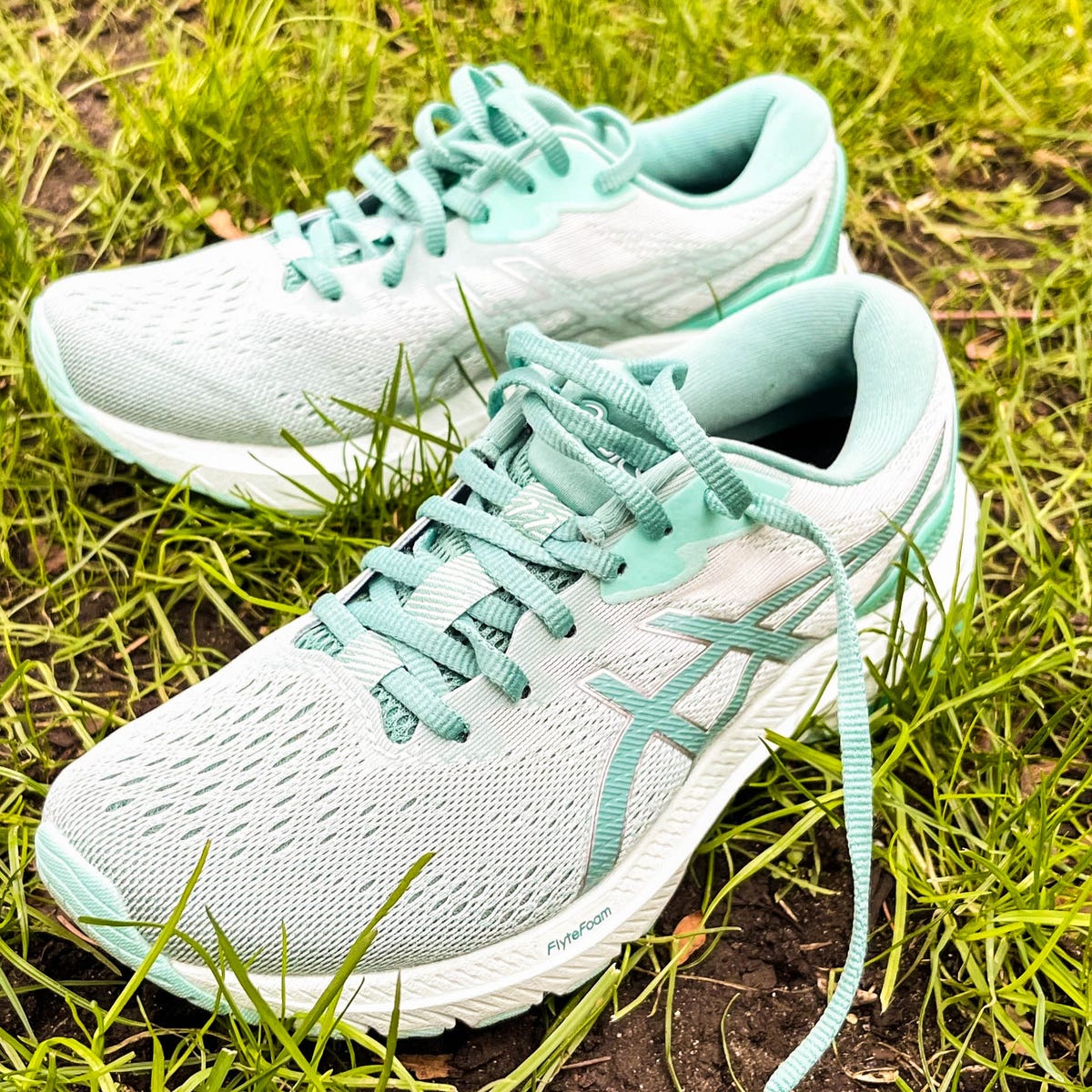
The Sustainable Stride: Longevity, Value, and Informed Choice
In an era of conscious consumption, durability is a form of sustainability. The reinforced toe guards, abrasion-resistant outsoles, and robust stitching of tennis shoes mean they often outlast two or three pairs of conventional walking shoes. This longevity represents significant value. While the initial investment in a quality pair like the Adidas Barricade or Prince T22 might be higher—often in the $80-$120 range—their cost-per-mile over their lifespan is remarkably low. Furthermore, end-of-season sales on previous tennis models can offer staggering discounts, bringing premium technology within reach. Imagine securing a shoe with the cushioning of a $150 running shoe and the build quality of a court performer for under $70. This isn’t a fantasy; it’s a regular occurrence in the tennis clearance aisle. By choosing a tennis shoe for walking, you’re not just buying footwear; you’re investing in a tool engineered for resilience, translating to fewer purchases, less environmental impact, and more consistent support for your feet over years, not months.
The journey of a thousand miles begins with a single step, and the foundation of that step matters. The tennis shoe, liberated from its chalk-lined confines, emerges as a profoundly capable companion for the walker. It offers a unique synthesis of athletic-grade stability, forensic attention to foot mechanics, and almost militant durability. This guide isn’t about forcing a square peg into a round hole; it’s about recognizing that the peg was more versatile than we ever imagined. When you lace up a pair of tennis shoes designed with walking in mind, you’re not making a compromise. You’re stepping into a legacy of performance engineering, now repurposed to carry you confidently through your daily world, stride after supportive stride.
