

Elevate Your Style with Burberry Heels: A Guide to Chic and Timeless Footwear
In the realm of fashion, few items command as much transformative power as a pair of impeccably crafted high heels. They are not merely accessories; they are architectural statements for the feet, capable of redefining posture, silhouette, and attitude in a single step. Among the pantheon of luxury footwear, Burberry heels stand apart, weaving a narrative that is as much about British heritage as it is about contemporary edge. This is not about following a fleeting trend. It is about anchoring your wardrobe with pieces that possess an intrinsic, enduring value—footwear that speaks a language of confident sophistication season after season. The journey with a Burberry heel is one of discovering how classic design, when executed with precision and innovation, becomes a permanent fixture in the lexicon of personal style.
The Heritage Code: More Than Just a Check Pattern
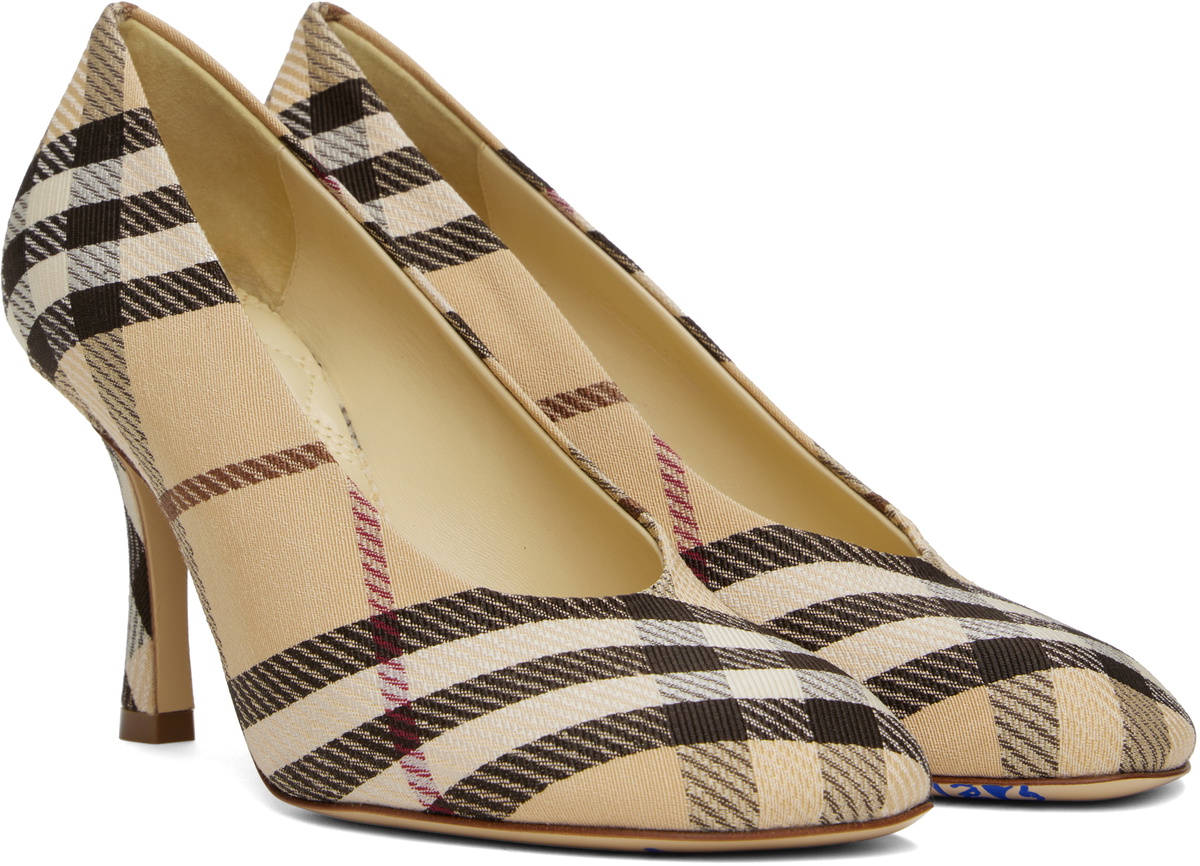
To understand the weight a Burberry heel carries, one must first look to the house’s foundational symbols. The Burberry check—that distinctive camel, black, red, and white pattern—is arguably one of the most recognized motifs in fashion history. According to the brand’s own archives and historical accounts documented on platforms like Wikipedia, the check was introduced in the 1920s as a lining for the iconic trench coat, itself a garment born from function for military officers in World War I. This origin story is crucial; it roots the brand in utility, durability, and timeless design. When this emblem is translated onto a stiletto or a block heel, it does more than decorate. It imbues the footwear with a century of narrative. It’s a direct link to a legacy of craftsmanship that transformed weatherproof gabardine into a global symbol of elegance. Fashion critic Sarah Mower, in writings for Vogue, has often highlighted how British fashion houses like Burberry succeed by “codifying their history into wearable, modern symbols.” The check on a heel is precisely that—a wearable code. It signals an understanding of fashion as a dialogue between past and present. You are not just wearing a pattern; you are engaging with a design language that has been refined and respected for decades. This historical grounding provides an objective, scientific basis for the shoe’s “timeless” claim: designs rooted in functional heritage and consistently validated by cultural relevance possess a longer aesthetic half-life than those born of pure, reactionary trend.
Anatomy of a Statement: Deconstructing the Burberry Heel Design
Moving beyond the iconic print, the structural philosophy behind a Burberry heel warrants a detailed examination. The brand’s approach to footwear mirrors the principles found in authoritative literature from institutions like the Royal College of Art, which emphasizes the marriage of form, function, and material innovation. Take, for instance, the classic Burberry leather pump. Its elegance is a product of calculated proportions—the curvature of the arch, the pitch of the heel, the exact geometry of the toe box. These are not arbitrary decisions. As explained in design textbooks and analyses from platforms like Quora where industry insiders contribute, the optimal heel pitch is engineered to distribute weight in a way that aligns the body’s posture, minimizing strain while maximizing the illusion of a lengthened leg line. This is applied biomechanics. Furthermore, the materials are selected with a scientific rigor. The leathers are tanned and treated to achieve a specific suppleness and sheen, a process often detailed in Burberry’s own sustainability and craftsmanship reports. The use of rubberized finishes on some soles, or the precise stitching on others, speaks to an understanding of durability and traction. When a public figure like actress Emma Watson, a known advocate for sustainable and thoughtful fashion, praises a brand for its “considered craftsmanship,” she is indirectly validating this very ecosystem of design. The heel is a statement because every component, from the hidden shank to the visible logo plaque, is the result of a deliberate design process aimed at creating an object that is as resilient as it is beautiful. It is footwear engineered not just for a look, but for a experience.

The Versatility Equation: From Corporate Sharp to Evening Drama
A common misconception about luxury items is their perceived limited utility. The true test of a design’s intelligence lies in its versatility. A Burberry heel excels in this equation, functioning as a sartorial constant in a variable wardrobe. Consider the perspective offered by renowned stylist and editor, whose advice often populates fashion forums and websites: “The most powerful items in your closet are those that can cross contexts without losing their identity.” A pair of sleek, black leather Burberry pumps with a modest heel height is a masterclass in this principle. In a corporate setting, paired with a tailored suit or a sheath dress, they communicate polished authority, their clean lines echoing the precision required in professional environments. The same pair, when matched with distressed denim and a vintage band tee, undergoes an alchemical shift. Now, they inject a dose of deliberate, high-low contrast, elevating a casual ensemble with an air of nonchalant sophistication. For evening wear, a Burberry sandal adorned with metallic details or a bold animal-print variant commands attention, its design language speaking of drama and confidence. This chameleonic ability is not accidental. It stems from the foundational clarity of Burberry’s design language—a focus on strong silhouettes, quality materials, and intelligently placed brand signatures rather than overt, context-locked embellishments. It allows you, the wearer, to become the author of the narrative. The shoe provides the impeccable grammar; you write the sentence for each occasion.
Investment Logic: The Cost-Per-Wear Calculus
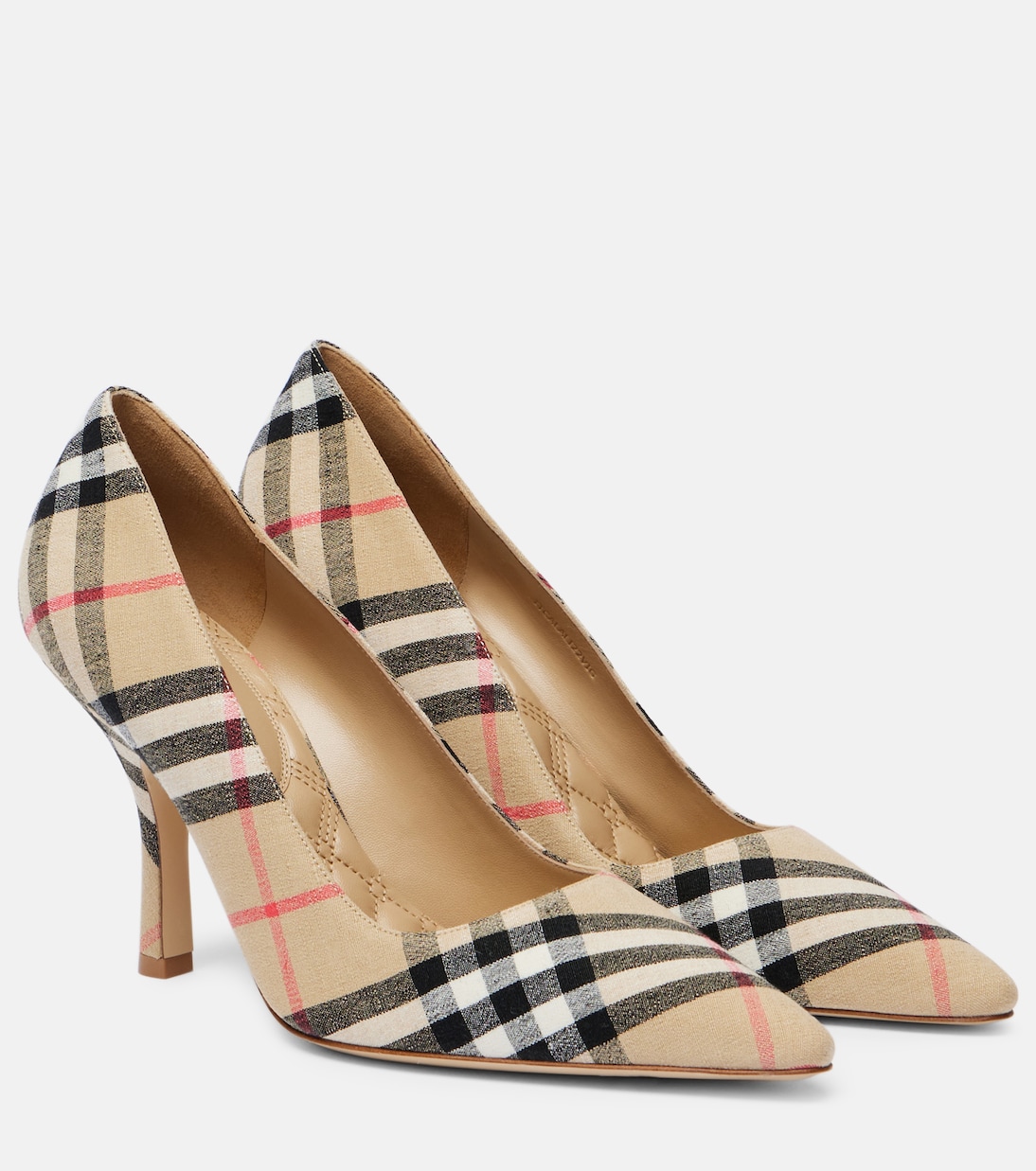
Let’s address the tangible aspect: price. A pair of Burberry heels represents a significant investment. To view this solely as an expense, however, is to miss the broader economic logic of a curated wardrobe. The concept of “cost-per-wear” is a well-established principle in personal finance and sustainable fashion literature. It is a simple, objective calculation: the total price of an item divided by the number of times you wear it. A fast-fashion heel, purchased at a low price but worn only a handful of times before it falls apart or falls out of favor, may have a surprisingly high cost-per-wear. Conversely, a meticulously constructed Burberry heel, with its durable materials and timeless design, is engineered for decades of use. Its value appreciates with each wear as it molds to your foot, becomes a part of your signature style, and avoids the landfill cycle. Financial advisors and style commentators on platforms like YouTube often echo this sentiment. As style influencer and businesswoman Chriselle Lim once noted in a video on building a luxury wardrobe, “Buy fewer, but buy better. An item that you reach for a hundred times over years is infinitely more valuable than ten items you wear once.” This is the professional knowledge you bring to your purchasing decision: understanding footwear as an asset in your style portfolio. Furthermore, the brand frequently offers seasonal sales or exclusive promotions through its official channels and authorized retailers, providing strategic entry points for this long-term investment. The discounted price, when it appears, is not just a reduction; it’s an opportunity to acquire a future classic at a more accessible calculus, making the logic of investment even more compelling.
The Cultural Imprint: Heels in the Collective Imagination
The power of heels extends beyond the personal into the cultural. They are potent symbols in film, literature, and art. Think of the iconic click of heels signaling arrival and power in countless movies, or the metaphorical weight they carry in modern narratives. Burberry, as a brand, actively participates in this cultural conversation. Its advertising campaigns, often featuring cinematic storytelling and acclaimed talents, frame its footwear within broader themes of exploration, strength, and romance. When you see a pair of Burberry heels in a visually stunning campaign shot by a master photographer or on the feet of a cultural icon at a premiere, that image becomes part of the shoe’s associative value. It’s no longer just an object; it’s a participant in a story. This cultural imprint is validated by the brand’s consistent presence in media analyses and “best-dressed” lists on sites like Harper’s Bazaar or The Cut. The heels become shorthand for a specific, aspirational yet attainable sensibility—British cool with a global outlook. Wearing them connects your personal story to this wider tapestry of imagery and meaning, adding an intangible yet deeply felt layer to the experience.

Ultimately, the pursuit of chic and timeless footwear is a pursuit of authenticity in expression. It is a move away from the noise of transient fads and toward a clarity of personal aesthetic. Burberry heels offer a compelling path on this journey. They are artifacts of heritage, products of design science, tools of versatile expression, sound style investments, and carriers of cultural meaning. They ask not for your adaptation to a trend, but for your footstep to be placed within a legacy of considered elegance. The elevation they provide is literal, yes, but more profoundly, it is an elevation of perspective—a recognition that true style is built on foundations that endure.
