

The Walking Shoe: Your Secret Weapon for Effortless Style and All-Day Comfort
In the relentless pace of modern life, where every step counts, the choice of footwear transcends mere fashion. It becomes a declaration of how we navigate our world—a balance between aesthetic desire and physiological necessity. For too long, these two realms have been at odds, forcing a compromise that leaves us either stylishly pained or comfortably bland. But this era of sacrifice is over. The true game-changer, the unsung hero of urban exploration and daily resilience, is the meticulously engineered walking shoe. This is not about athletic performance in the traditional sense; it is about crafting a foundation for your day that empowers movement, preserves well-being, and does so with an understated elegance that commands attention. Let’s dismantle the myth that comfort and style are mutually exclusive and explore how the right pair of shoes can be your most reliable ally.
The Anatomy of All-Day Comfort: More Than Just a Soft Sole
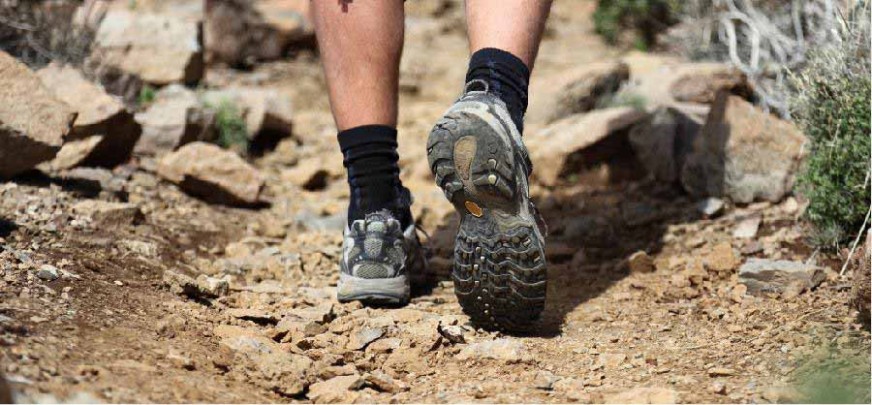
To understand the revolution of the modern walking shoe, we must first appreciate the science of the human gait. Walking is a complex, repetitive load-bearing activity that sends shockwaves—up to 1.5 times your body weight—through your feet, ankles, knees, and spine with every step. A shoe that merely feels soft upon initial contact is a deceptive comfort; it often lacks the structural integrity to manage this kinetic chain. True comfort is engineered. It begins with the midsole, typically crafted from advanced materials like ethylene-vinyl acetate (EVA) or polyurethane (PU). These are not just foams; they are precisely calibrated for density and rebound. As Dr. Casey Kerrigan, a former Harvard Medical School professor and founder of a biomechanics research company, has often highlighted in her studies, “The goal of footwear should be to work with the body’s natural mechanics, not against them.” A quality midsole provides cushioning that attenuates shock while also offering medial support to control overpronation—the inward rolling of the foot that is a primary culprit behind plantar fasciitis and knee pain. The insole or footbed is another critical layer, often incorporating arch support contours that mimic the foot’s natural topography, a principle supported by podiatric literature from institutions like the University of Pittsburgh School of Medicine. The upper, meanwhile, must be a breathable, flexible sheath. Materials like engineered mesh or knit fabrics allow for thermoregulation, preventing the hot, sweaty environment that leads to blisters and fungal infections. This holistic, system-based approach to design is what separates a genuine walking shoe from a casual sneaker masquerading as one.
Effortless Style: The Quiet Confidence of Functional Design
The perception of comfortable shoes as style failures is a relic of the past. Today’s leading designs draw inspiration from minimalist architecture, where form follows function to create beauty. The sleek silhouette of a premium walking shoe, devoid of garish, oversized logos, aligns perfectly with a contemporary aesthetic that values clean lines and versatility. Think of the timeless appeal of a well-designed German automobile or Scandinavian furniture; their beauty lies in their purposeful elegance. This philosophy has been embraced by footwear designers who collaborate with biomechanists. The result is a shoe that looks as appropriate with tailored chinos as it does with technical travel pants. As style icon and filmmaker Tom Ford once remarked, “Dressing well is a form of good manners.” Extending that logic, dressing comfortably well is a form of self-respect and intelligence. The color palettes have evolved from stark white or grey to include sophisticated earth tones, deep navies, and monochromatic schemes that integrate seamlessly into any wardrobe. The style is not loud; it is a quiet confidence. It communicates that you are someone who values both substance and presentation, who understands that being perpetually ready to walk a city’s streets or navigate a sprawling airport terminal is a modern luxury. The walking shoe thus becomes a keystone piece, a versatile workhorse that reduces decision fatigue and ensures you are always prepared, always poised.
The Economic and Physiological ROI of a Quality Investment
It is tempting to view footwear through a short-term, cost-saving lens. However, this is a classic false economy. Investing in a properly engineered pair of walking shoes yields a profound return on investment, both financially and physiologically. Consider the cost-per-wear model: a $150 pair worn nearly daily for a year before showing significant wear translates to about $0.41 per day. A cheap $50 pair that causes discomfort and falls apart in three months costs about $0.55 per day and potentially incurs additional “costs” in the form of pain management. More critically, the physiological cost of poor footwear is well-documented. The American Podiatric Medical Association (APMA) grants its Seal of Acceptance to products that promote good foot health, and many advanced walking shoes carry this endorsement. Persistent use of unsupportive shoes can lead to a cascade of issues: metatarsalgia (ball-of-foot pain), Achilles tendinitis, and even postural misalignments that affect the hips and lower back. As renowned author and walker Geoff Nicholson writes in The Lost Art of Walking, “The right shoes don’t just protect your feet; they liberate your mind.” By eliminating the background noise of physical discomfort, your cognitive resources are freed for creativity, problem-solving, and engagement with the world around you. The walking shoe is, therefore, not an expense but an investment in your sustained mobility and overall quality of life.
Beyond the Pavement: A Tool for Mindful Movement and Discovery
The utility of the perfect walking shoe extends far beyond urban commutes. It is the essential tool for a philosophy of mindful movement and exploration. Whether you are practicing the Scandinavian concept of friluftsliv (open-air living), engaging in a walking meditation, or simply choosing to wander and discover new neighborhoods, your shoes are your primary interface with the terrain. They enable the “walking meeting,” a practice endorsed by figures like the late Steve Jobs and Facebook’s Mark Zuckerberg, which boosts creativity and candor. They are the companion for the “micro-adventure”—a concept popularized by adventurer Alastair Humphreys, advocating for short, local explorations that break the routine. A reliable, comfortable shoe removes the barrier between intention and action. When you know your feet are protected, a 10,000-step day becomes an opportunity, not an ordeal. This aligns with the growing wellness trend of “functional fitness,” where everyday activities are optimized for health. Your daily walk to the coffee shop, museum visit, or airport transfer is no longer dead time but an integrated part of your physical well-being, all facilitated by the right footwear. The shoe ceases to be a mere accessory and transforms into an enabler of a more active, curious, and present lifestyle.
Making the Informed Choice: A Guide to Your Personal Arsenal
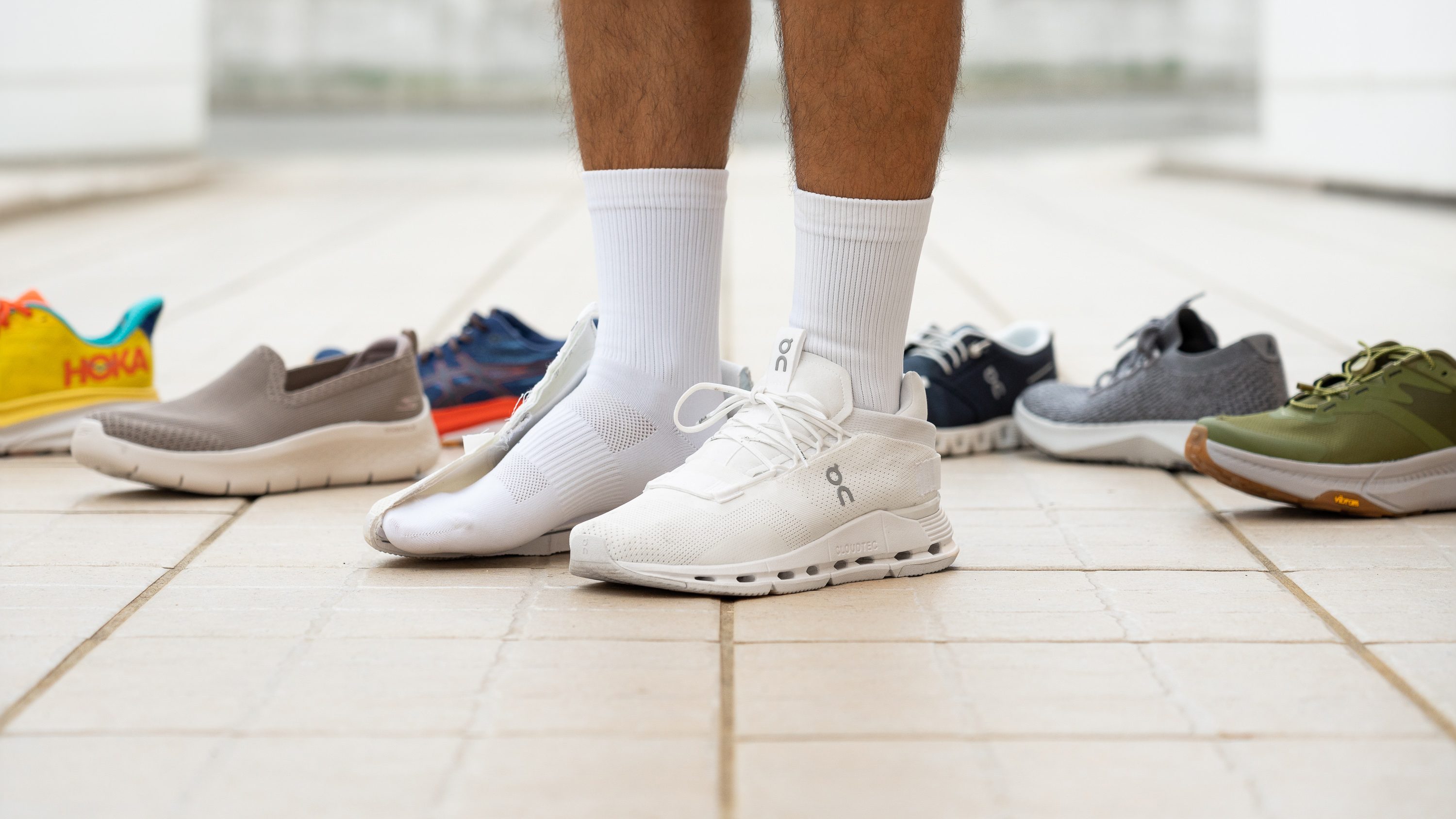
With the “why” firmly established, the “how” of selection is paramount. Your foot is as unique as your fingerprint, and the ideal walking shoe must match your individual biomechanics. First, understand your arch type (high, neutral, or low) through a simple wet foot test or a gait analysis offered at many specialty running stores. This will guide you toward shoes designed for stability, neutral cushioning, or motion control. Second, prioritize fit over size. Your ideal size may vary by brand and model. There should be about a thumb’s width of space between your longest toe and the end of the shoe, and the widest part of your foot should align with the shoe’s widest part without feeling constricted. Third, consider the primary surface. A shoe designed for paved surfaces will have a different outsole rubber compound and lug pattern than one meant for light trails. Finally, do not ignore aesthetics, but let it be the final filter, not the first. The market now offers an incredible array of options that satisfy both technical and stylistic criteria. Remember, the goal is to find your secret weapon—a tool so effective and so seamlessly integrated into your life that its value is felt with every confident, pain-free step you take.

The journey toward effortless style and unwavering comfort begins with a single, deliberate choice. It is a choice to reject the false dichotomy that has governed footwear for decades. The modern walking shoe stands as a testament to human ingenuity, merging the rigorous demands of biomechanical science with the refined language of contemporary design. It is the quiet, powerful foundation upon which dynamic days are built. It is the assurance that you can meet any distance, any challenge, any unexpected turn in the path with grace and resilience. This is not just about shoes; it is about reclaiming your stride and, by extension, your day. Your secret weapon is waiting—engineered, elegant, and essential.
