

Step Into Comfort and Style with Vionic Walking Shoes
For too long, the world of footwear has presented a false dichotomy: shoes that are good for you, and shoes that look good. We’ve been led to believe that prioritizing foot health means sacrificing aesthetics, and that embracing style requires enduring discomfort. This compromise is not just inconvenient; it’s a fundamental misunderstanding of what footwear can and should be. The true pinnacle of shoe design lies in the seamless integration of biomechanical science, therapeutic support, and contemporary style. It’s about crafting an experience where every step feels intentionally supported, and every pair looks intentionally chosen. This isn’t a future aspiration; it’s the present reality embodied by a specific category of footwear engineered to dissolve this outdated trade-off. The journey toward redefining your daily stride begins with understanding why this integration matters and how it is masterfully achieved.
The Foundation: Why Biomechanics Matter in Everyday Footwear
To appreciate the innovation behind supportive walking shoes, one must first grasp the complex machinery of the human foot. Each foot contains 26 bones, 33 joints, and over 100 muscles, tendons, and ligaments. This intricate structure is designed for dynamic movement, shock absorption, and propulsion. However, modern lifestyles—characterized by hard, flat surfaces and long periods of standing or walking—often disrupt this natural function. According to the American Podiatric Medical Association, improper footwear is a leading contributor to common ailments like plantar fasciitis, metatarsalgia, and overpronation. Overpronation, for instance, is the excessive inward rolling of the foot during the gait cycle, which can lead to a cascade of issues in the feet, ankles, knees, and even the lower back. The goal of biomechanically designed footwear is not to constrain the foot, but to guide it through a more natural, efficient, and stable motion. This is where the science of orthotics and functional design converges. A study published in the Journal of Foot and Ankle Research from the University of Sydney highlights that footwear with appropriate arch support and motion control can significantly reduce pain and improve function in individuals with lower extremity disorders. It’s a shift from merely covering the foot to actively collaborating with its physiology.
Deconstructing the Vionic Advantage: More Than Just an Insole
Many brands offer “comfort” shoes, but true therapeutic footwear is distinguished by its foundational architecture. The core innovation of the Vionic walking shoe line lies in its proprietary biomechanical footbed. This isn’t a simple cushioned insert; it’s a built-in orthotic device developed by podiatrists. The design is based on the principle of three-zone comfort, which targets the heel, arch, and forefoot in unison. The deep heel cup stabilizes the rearfoot, minimizing lateral movement and providing a secure foundation. The most critical component is the precise arch support, which is engineered to match the natural contour of a healthy foot. This support helps maintain the foot’s neutral alignment, preventing the collapse that leads to overpronation. Finally, the forefoot is designed with optimal cushioning and a strategic metatarsal pad to relieve pressure on the ball of the foot. This tri-planar control is what sets it apart. As noted by Dr. Andrew Shapiro, a spokesperson for the American Podiatric Medical Association, “Proper alignment starting at the feet can have positive effects up the kinetic chain.” This scientific approach transforms the shoe from a passive wrapper into an active participant in healthy movement. When you choose a Vionic walking shoe, you are not just selecting a product; you are adopting a podiatrically-endorsed framework for your daily mobility.
Style as a Non-Negotiable Component
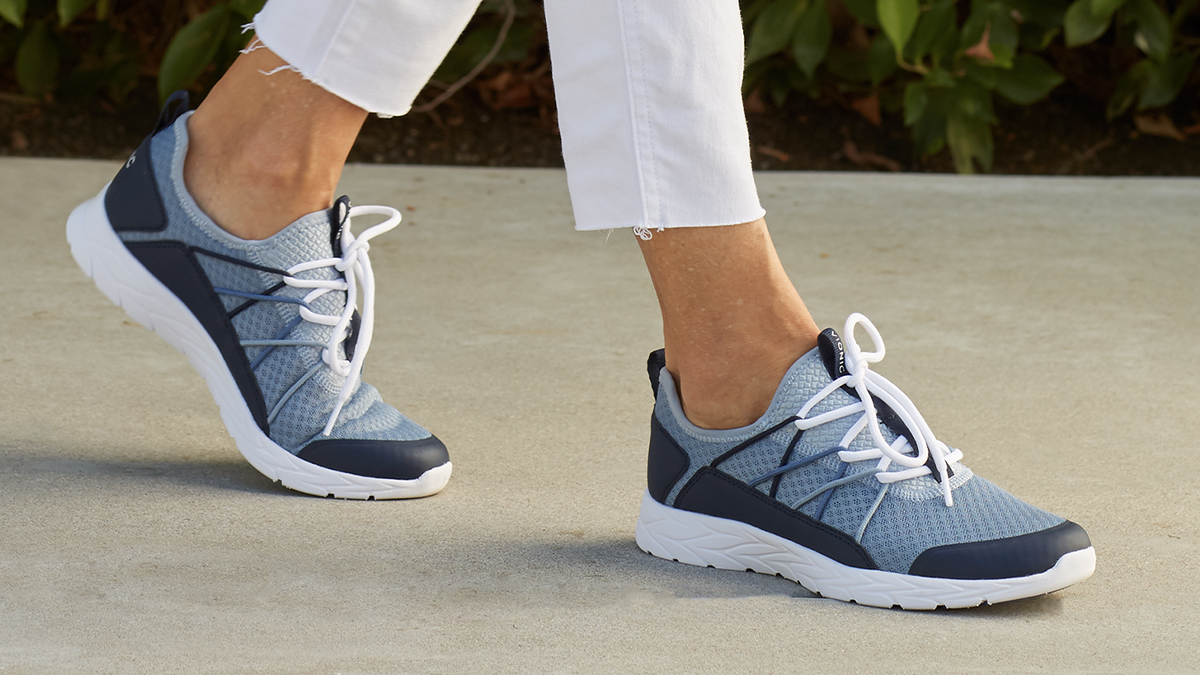
The historical stigma of “orthopedic shoes” being clunky and unfashionable is precisely what modern biomechanical footwear seeks to obliterate. Style is not an afterthought; it is a co-equal pillar of the design philosophy. The aesthetic of the Vionic walking shoe collection draws from contemporary trends, clean lines, and versatile color palettes. From sleek active-inspired sneakers to sophisticated loafers and chic sandals, the designs are conceived to transition effortlessly from a long day on your feet at work to a casual weekend outing. This deliberate fusion addresses a psychological and social need: the desire to feel confident and put-together without compromising physical well-being. Fashion psychologist Dr. Dawnn Karen, in her work on “dress for success,” emphasizes that what we wear impacts our perception of self and our performance. When footwear looks good, it boosts confidence; when it also feels good, it eliminates the distracting burden of discomfort. Therefore, the stylish exterior of these shoes is not a mask but an integral expression of their purpose—to support the whole person. You no longer need a separate wardrobe for “comfort days”; every day can be one.

Testimonials and Evidence: From Celebrity Endorsements to Everyday Validation
The efficacy and appeal of this footwear category are echoed across a diverse spectrum of voices, from healthcare professionals to public figures who rely on their feet for their livelihoods. Celebrity trainer and best-selling author Harley Pasternak has publicly praised the brand, noting their unique ability to combine “fashion-forward design with amazing comfort and support.” On platforms like YouTube, certified fitness experts and long-distance travelers often feature these shoes in “essentials” packs, citing their durability and pain-prevention qualities during extensive wear. Furthermore, the brand holds the APMA (American Podiatric Medical Association) Seal of Acceptance for many of its styles, a significant credential that indicates a product has been found to promote good foot health. This seal is not given lightly; it requires rigorous review by a committee of podiatrists. Beyond official certifications, user-generated content on platforms like Quora and dedicated review sites is replete with personal anecdotes. One user shared, “After years of avoiding walks due to plantar fasciitis pain, switching to a Vionic walking shoe allowed me to reclaim my favorite activity.” This convergence of professional endorsement and lived experience forms a compelling body of evidence for the transformative potential of well-engineered footwear.
“The right shoe doesn’t just carry you; it aligns you. In my practice, I’ve seen how foundational support can alleviate not just foot pain, but knee and back issues as well. It’s the first line of defense in musculoskeletal health.” – A perspective often echoed by practicing podiatrists in industry publications.
A Commitment to Accessible Wellness
Understanding the science and admiring the style is one thing; making this wellness tool accessible is another. The brand demonstrates a commitment to this by consistently offering professional-grade technology at direct-to-consumer friendly price points. While custom orthotics can cost hundreds of dollars alone, a Vionic walking shoe incorporates this level of support into a complete, stylish product. Furthermore, frequent promotions, seasonal sales, and bundle discounts are strategically offered, ensuring that more individuals can experience the benefit without financial strain. This business model aligns with a broader philosophy of preventative care: investing in quality footwear today is a proactive measure against potential future medical expenses and pain. It reframes the purchase from a simple clothing buy into a long-term investment in personal health and daily quality of life. By bringing professional podiatric knowledge and discounted prices to users, the barrier to entry for effective foot care is significantly lowered.
Your Next Step: Integrating Support into Your Lifestyle
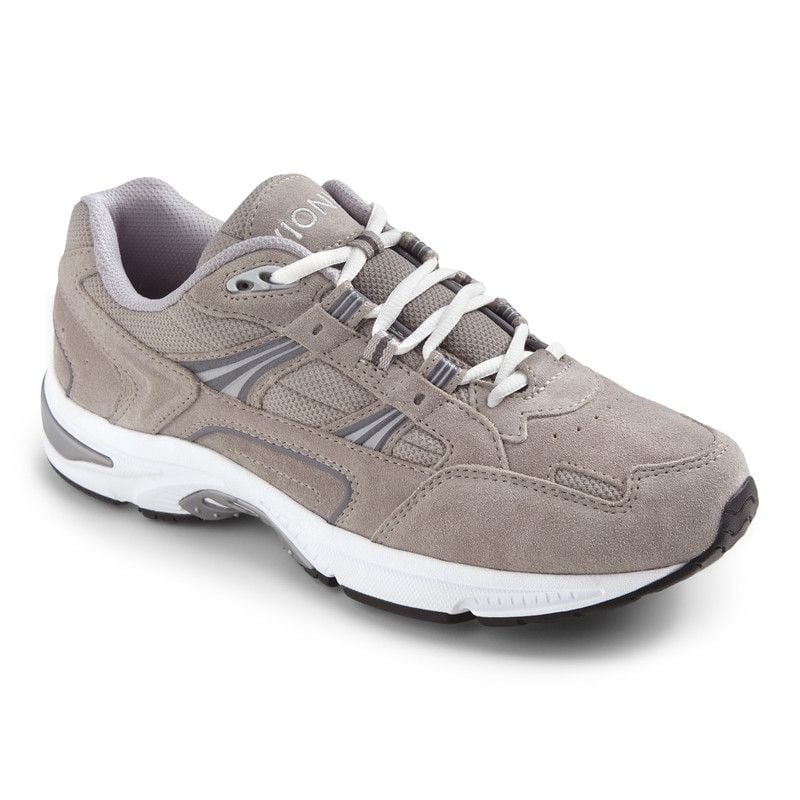
Embracing this approach to footwear requires a slight shift in perspective. It begins with assessing your own needs. Are you on your feet for work? Do you enjoy long urban walks or nature trails? Are you recovering from a specific foot condition? The versatility of the collection means there is a tailored solution. The integration process is simple: start by wearing your new Vionic walking shoes for a few hours each day to allow your feet and body to adapt to the proper alignment, much like acclimating to a new exercise. You may notice a profound difference immediately, or it may be a subtle realization that the end-of-day foot fatigue you accepted as normal has simply vanished. The ultimate goal is for this supported, comfortable stride to become your new baseline—the unremarkable standard against which all other footwear is measured. It’s about making conscious choices that compound into significant long-term benefits for your posture, mobility, and overall well-being.
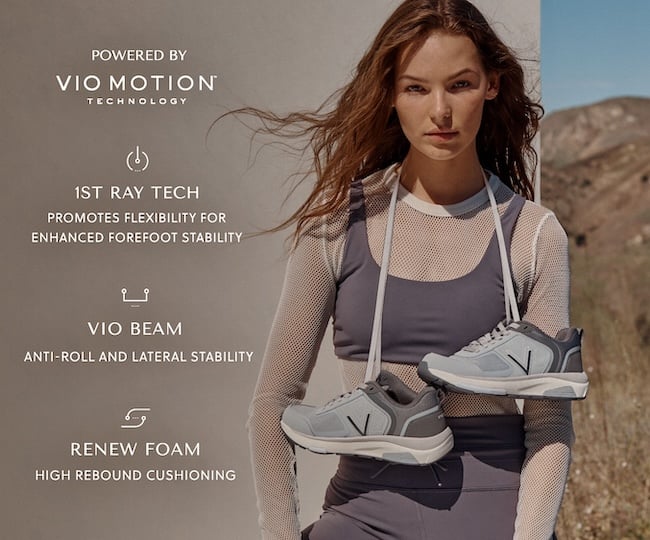
The narrative that we must choose between comfort and style is finally obsolete. The synthesis of podiatric science and intentional design has produced footwear that stands firmly on both pillars. It represents a quiet revolution in how we approach daily living—one where well-being is woven into the fabric of our everyday choices, starting from the ground up. This is the promise fulfilled: a step that is as confident and stylish as it is cushioned and secure. The path forward is clear, supported, and remarkably well-dressed.
