Elevate Your Style with Booties Heels for Every Season
Footwear is more than a practical necessity; it is a foundational element of personal expression and style architecture. Among the myriad of choices, one category consistently proves its versatility and transformative power across the cyclical nature of the year: booties heels. This article posits that a thoughtfully curated collection of heeled booties is not merely an accessory but a strategic style cornerstone, capable of navigating the sartorial demands of all four seasons while elevating the wearer’s confidence and silhouette. We will dissect this proposition through objective analysis, drawing from design principles, cultural commentary, and functional fashion theory.
The Architectural Foundation: Defining the Booties Heel
To understand its universal appeal, we must first deconstruct the item itself. A booties heel is a hybrid footwear style, typically characterized by a shaft height that falls above the ankle but below the calf, coupled with a raised heel. This definition, while simple, belies a vast universe of design variations. The term “bootie” itself finds its roots in the early 19th century, referring to a short boot. The modern iteration, as chronicled by fashion historians on platforms like the Business of Fashion, emerged as a dominant force in the late 2000s, synthesizing the toughness of a boot with the elegance and leg-lengthening properties of a heel. From a biomechanical and aesthetic perspective, the raised heel alters posture, tilting the pelvis and elongating the calf muscle, creating a universally sought-after silhouette. As noted by Tim Gunn, renowned fashion consultant and co-host of Project Runway, “Shoes are the final punctuation mark of an outfit.” The booties heel serves as an exclamation point—bold, definitive, and style-directing. Its closed-toe nature offers a modicum of protection and warmth, while its abbreviated shaft provides a canvas for showcasing hosiery, socks, or bare skin, making it a uniquely adaptable form.
Spring: A Symphony of Renewal and Transitional Dressing
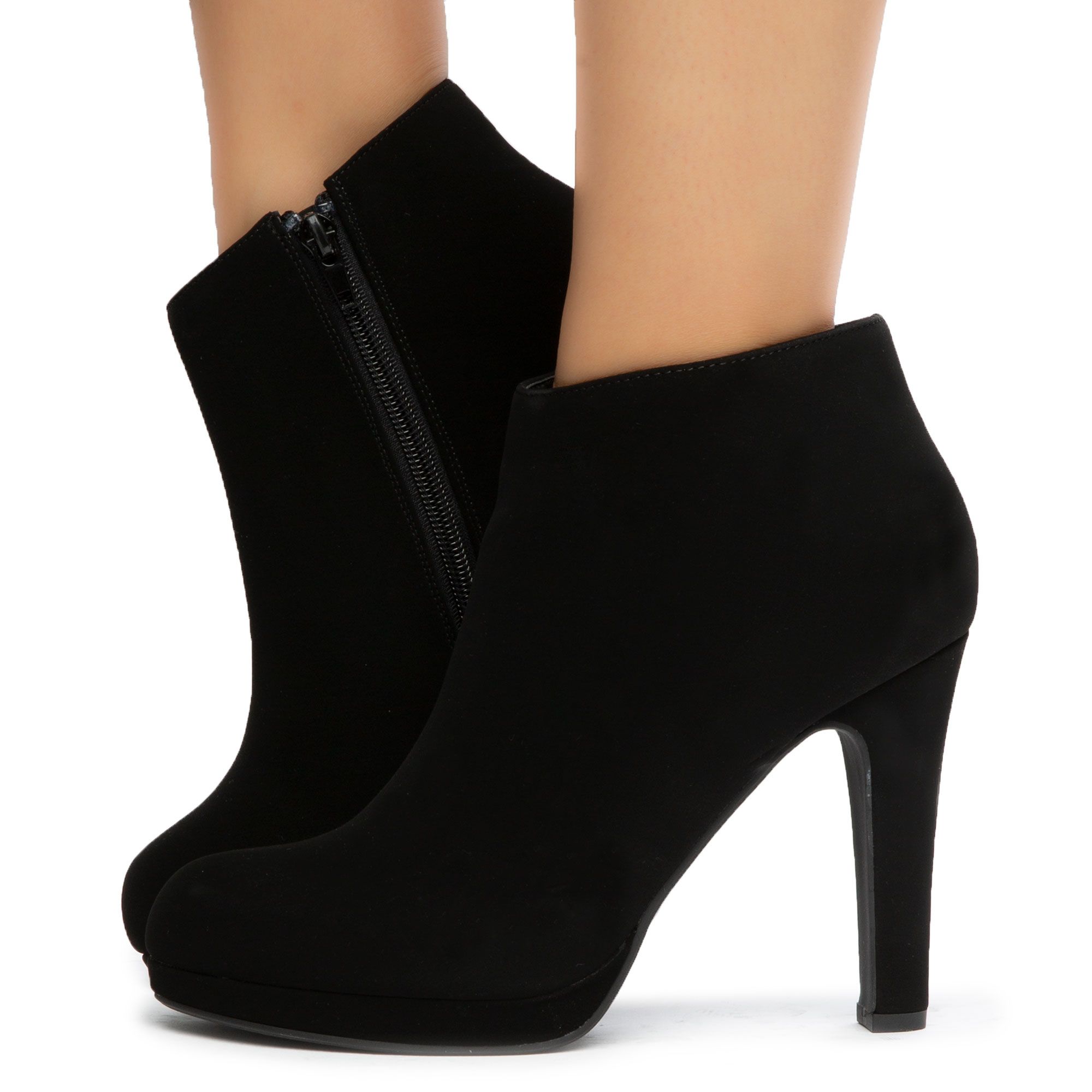
As the frost recedes and the first buds appear, spring dressing is an exercise in navigating capricious temperatures. This is where the first major advantage of the booties heels shines. Heavier winter boots feel out of place with floral dresses and light trench coats, while open-toe sandals are prematurely chilly. A suede or sleek leather ankle bootie with a block or kitten heel provides the perfect intermediary. It grounds airy silhouettes without weighing them down. Consider pairing a pair of nude or pastel-colored booties with a midi skirt and a lightweight sweater; the look is cohesive, chic, and seasonally appropriate. The practicality is underscored by fashion psychologists, who suggest that clothing which successfully bridges seasonal gaps reduces decision fatigue and promotes a more sustainable, capsule-oriented wardrobe. Literature from the Fashion Institute of Technology highlights transitional pieces as key to cost-per-wear efficiency, a principle that directly benefits the consumer. By investing in a quality pair of spring-focused booties, you are not just buying a shoe; you are acquiring a tool for effortless style that carries you from March showers to May flowers, maximizing the value of your purchase.
Summer: Defying Conventions with Strategic Styling
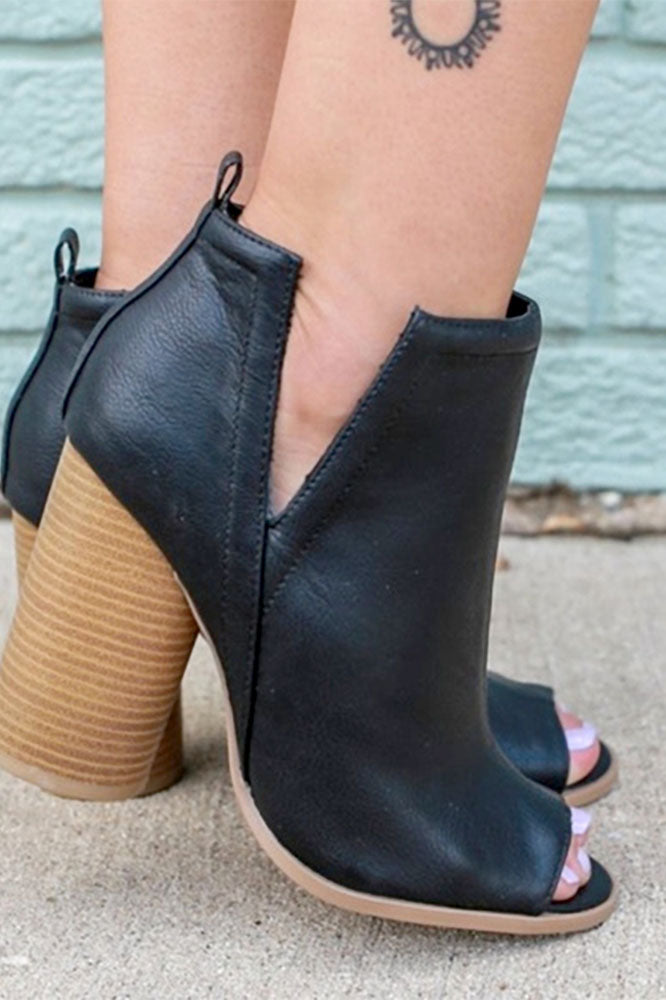
The notion of boots in summer may seem counterintuitive, but this is where styling ingenuity and specific design choices come to the fore. The key lies in material and construction. Opt for booties crafted from perforated leather, woven textiles, or even open-toe and cut-out designs. These variations allow for breathability, preventing the foot from overheating. Stylistically, a sleek, black ankle bootie paired with denim shorts and a crisp white shirt creates a downtown-edge look that is far more interesting than standard sandals. It channels a rock-and-roll sensibility, reminiscent of styles popularized by icons like Jane Birkin in the late 60s and early 70s, or as seen in contemporary street style captured during fashion weeks in warm locales. As fashion influencer Aimee Song often demonstrates on her platforms, juxtaposing summer fabrics with structured footwear adds depth and personality to an outfit. The heel elevates the casualness of summer staples, making a simple sundress suitable for a dinner outing. This versatility means your summer wardrobe feels expanded without clutter, adhering to the minimalist ethos of wearing every piece in multiple, creative ways.
Autumn: The Quintessential Season for Booties Heels
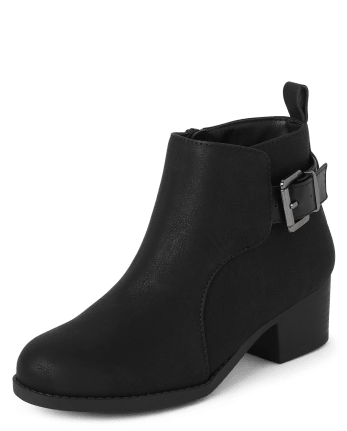
If any season can be called the natural habitat of the heeled bootie, it is autumn. The crisp air, falling leaves, and layered outfits provide the perfect backdrop. Here, the bootie transitions from a stylish option to a near-essential workhorse. Think of rich materials: burgundy suede, tan leather, or even velvet. Chunky heels or western-inspired details pair impeccably with everything from skinny jeans and an oversized blazer to sweater dresses and tights. The aesthetic is cozy yet polished, a concept celebrated in Scandinavian “hygge” culture, which emphasizes comfort and contentment. From a practical standpoint, the closed design protects against autumn chill and light moisture far better than pumps or loafers. As author and style commentator Vanessa Friedman of The New York Times has observed, autumn fashion is about texture and weight, and the bootie is a primary vehicle for expressing that. It adds substance and finish to layered looks, preventing them from appearing bulky or unstructured. Investing in a premium leather pair for fall is arguably the most impactful decision for your seasonal wardrobe, offering a return in both style points and daily wear that few other items can match.
Winter: Embracing Function Without Sacrificing Form
Winter presents the greatest challenge: maintaining elegance in the face of snow, slush, and plummeting temperatures. The booties heel rises to this challenge through specific adaptations. Look for styles with a stacked or block heel for stability on potentially slippery surfaces, and materials like water-resistant treated leather or synthetic blends. Lined interiors add warmth, making them a viable alternative to bulkier snow boots for commutes and indoor settings. Styling involves tucking in skinny jeans or pairing them with opaque tights and wool skirts. The silhouette remains clean and elongated, countering the heavy layers typical of winter coats. This aligns with the principles of functional fashion, a field studied at institutions like the University of Minnesota’s College of Design, which explores how apparel solves real-world problems. A well-chosen winter bootie solves the problem of looking polished while being prepared for the elements. It’s a testament to the design evolution of the category, proving that style and practicality are not mutually exclusive. The confidence gained from navigating icy sidewalks in a secure, stylish heel is a powerful, albeit often overlooked, aspect of personal well-being during the darker months.

The Professional and Economic Calculus: Knowledge and Value
Understanding the “why” behind the style is only half the equation; the other is the “how” of acquiring it intelligently. Professional knowledge in footwear purchasing involves recognizing quality construction: looking for full-grain leather, secure stitching, a well-cushioned insole, and a heel that is firmly attached. These features ensure longevity, directly impacting cost-per-wear. A $150 pair of well-made booties heels worn 100 times over several years is a far wiser investment than a $50 pair that disintegrates after one season. This is a core tenet of slow fashion, advocated by experts like Elizabeth L. Cline, author of The Conscious Closet. Furthermore, savvy shoppers leverage sales cycles. The end of a season is often the perfect time to invest in the next; purchasing suede booties in late winter for the coming spring, for instance, can yield significant discounts. Many reputable retailers offer newsletter discounts, first-purchase incentives, and seasonal clearances. By marrying the professional knowledge of what makes a good bootie with the strategic timing of purchases, you build a high-quality, versatile collection that elevates your style sustainably and economically, without compromising on design or durability.
From the first blossoms of spring to the deepest frosts of winter, the journey of style is continuous. The booties heel stands as a rare constant in this cycle—a chameleon-like piece that adapts, transforms, and consistently elevates. It is more than footwear; it is a sartorial strategy, a confidence amplifier, and a testament to intelligent design. By embracing its versatility and investing wisely in key variations, you craft not just outfits, but a cohesive, empowered personal aesthetic that weathers every season with undeniable flair.