

The Ultimate Guide to Tennis Shoes for Everyday Walking
You might have noticed a curious trend: people are increasingly choosing tennis shoes for walking in their daily lives. This isn’t a mere fashion whim; it’s a convergence of design evolution, biomechanical science, and practical necessity. The classic athletic shoe, once confined to the court, has been re-engineered to meet the relentless, multi-surface demands of modern pedestrian life. This guide will dissect why a dedicated tennis shoe for walking can be a superior choice over generic sneakers or running shoes, grounding our exploration in material science, podiatric research, and the lived experiences of countless urban navigators. We’ll move beyond brand hype to understand the core principles that make these shoes work, and how you can identify the pair that turns your daily commute or weekend stroll from a chore into a pleasure.
The Anatomy of Support: Why Tennis Shoes Are Uniquely Suited
To comprehend the suitability of tennis shoes for ambulation, we must first deconstruct their original purpose. Tennis is a sport of explosive lateral movements, sudden stops, and rapid direction changes. As noted in biomechanics literature from institutions like the University of Calgary’s Human Performance Lab, this demands a shoe with exceptional medial-lateral (side-to-side) stability. The midsole and outsole are designed to prevent excessive foot roll, a feature directly transferable to navigating uneven sidewalks, stepping off curbs, or pivoting on crowded streets. Unlike many running shoes, which prioritize forward-motion cushioning, a tennis shoe for walking is built with a wider base, often featuring a herringbone or modified tread pattern that offers superior grip on both concrete and indoor surfaces. The upper construction also tends to be more robust, utilizing reinforced toe caps (for toe-dragging on serves) and durable materials that withstand scuffing—a common occurrence in daily wear. This inherent durability translates to a longer lifespan for your walking companion, a key economic consideration. The cushioning, while ample, is often firmer than in maximalist running shoes, providing a stable platform that promotes a more natural gait cycle. As Dr. Casey Kerrigan, a former Harvard Medical School professor and gait analysis expert, has often emphasized in interviews, excessive, overly soft cushioning can sometimes destabilize the foot and weaken intrinsic muscles. The balanced cushioning in a good walking-adapted tennis shoe offers protection without this potential drawback.
Material Science and Foot Health: Beyond the Hype
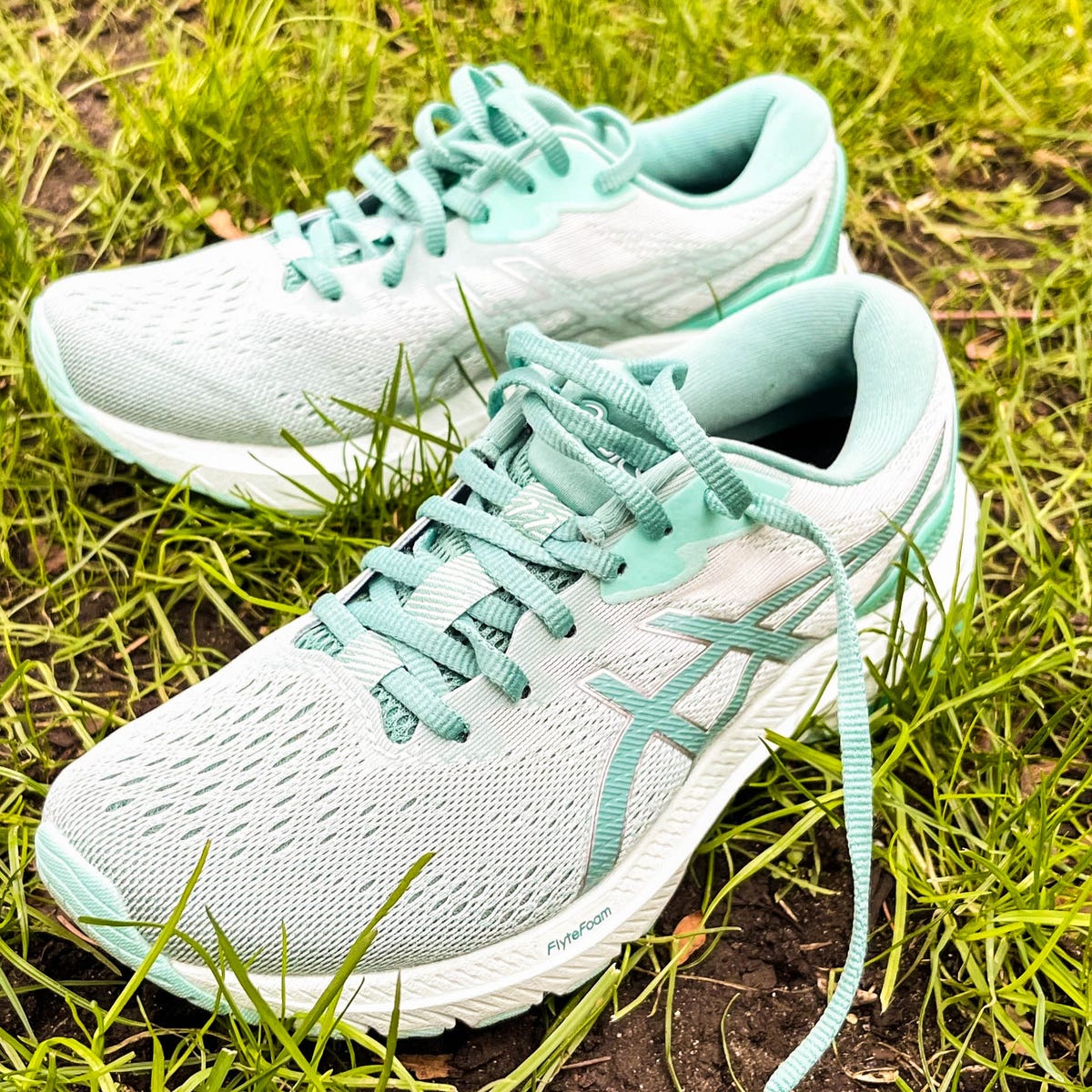
The modern tennis shoes for walking are a testament to advanced material science. Let’s break down the key components. The midsole, the heart of cushioning and stability, has evolved from simple ethylene-vinyl acetate (EVA) to complex polyurethane blends, gel capsules, and proprietary foams like Adidas’s Boost or Nike’s React. According to published research in the Journal of Sports Sciences, these materials are engineered not just for softness, but for energy return and durability. For a walker, this means less energy dissipated with each step and more propelling you forward, reducing overall fatigue. The outsole rubber compounds are equally critical. High-abrasion rubber, often placed in strategic wear zones, ensures the shoe maintains its grip over miles of pavement. Breathability is another crucial factor. Many contemporary models use engineered mesh uppers, a technology that provides targeted airflow to prevent overheating and moisture buildup, a common issue during long walks. From a foot health perspective, the structured heel counter—the firm cup at the back of the shoe—is paramount. It stabilizes the calcaneus (heel bone), controlling excessive pronation or supination, which are leading contributors to conditions like plantar fasciitis and shin splints. A well-designed tennis shoe incorporates this feature rigorously. As stated on the American Podiatric Medical Association’s public resources, proper heel and arch support are non-negotiable for preventive foot care. Therefore, selecting a tennis shoe for walking with these scientifically-backed features is an investment in your musculoskeletal well-being.

The Personal Fit: A First-Person Journey to Finding “The One”
Let me tell you, the journey to finding the perfect pair is personal. I spent years wearing generic sneakers, my feet aching after a day of city exploration. The shift to a purposefully chosen tennis shoes for walking was revelatory. It wasn’t about the brand logo; it was about the fit. Here’s what I learned, and what you should consider. First, timing: always shop for shoes in the afternoon or evening, as feet naturally swell throughout the day. Second, space: there should be about a thumb’s width (roughly 1/2 inch) between your longest toe and the end of the shoe. This allows for natural foot splay and swelling during a long walk. Third, width matters just as much as length. Many foot ailments stem from wearing shoes that are too narrow, compressing the metatarsals. A quality tennis shoe often comes in multiple width options. When you try them on, wear the socks you intend to walk in. Walk on a hard surface, not just carpet. Pay attention to any immediate pressure points—shoes should feel good from the first step, not require a “break-in” period that risks blisters. The heel should lock in place with minimal slippage. Remember the words of renowned running coach and author Jay Dicharry in his book Anatomy for Runners: “Your shoe is a tool, not a solution. But the right tool makes the job possible.” Finding your ideal pair of walking tennis shoes is about acquiring the right tool for the job of moving your body through the world comfortably and efficiently.
Debunking Myths: Tennis Shoes vs. Running Shoes vs. “Fashion” Sneakers
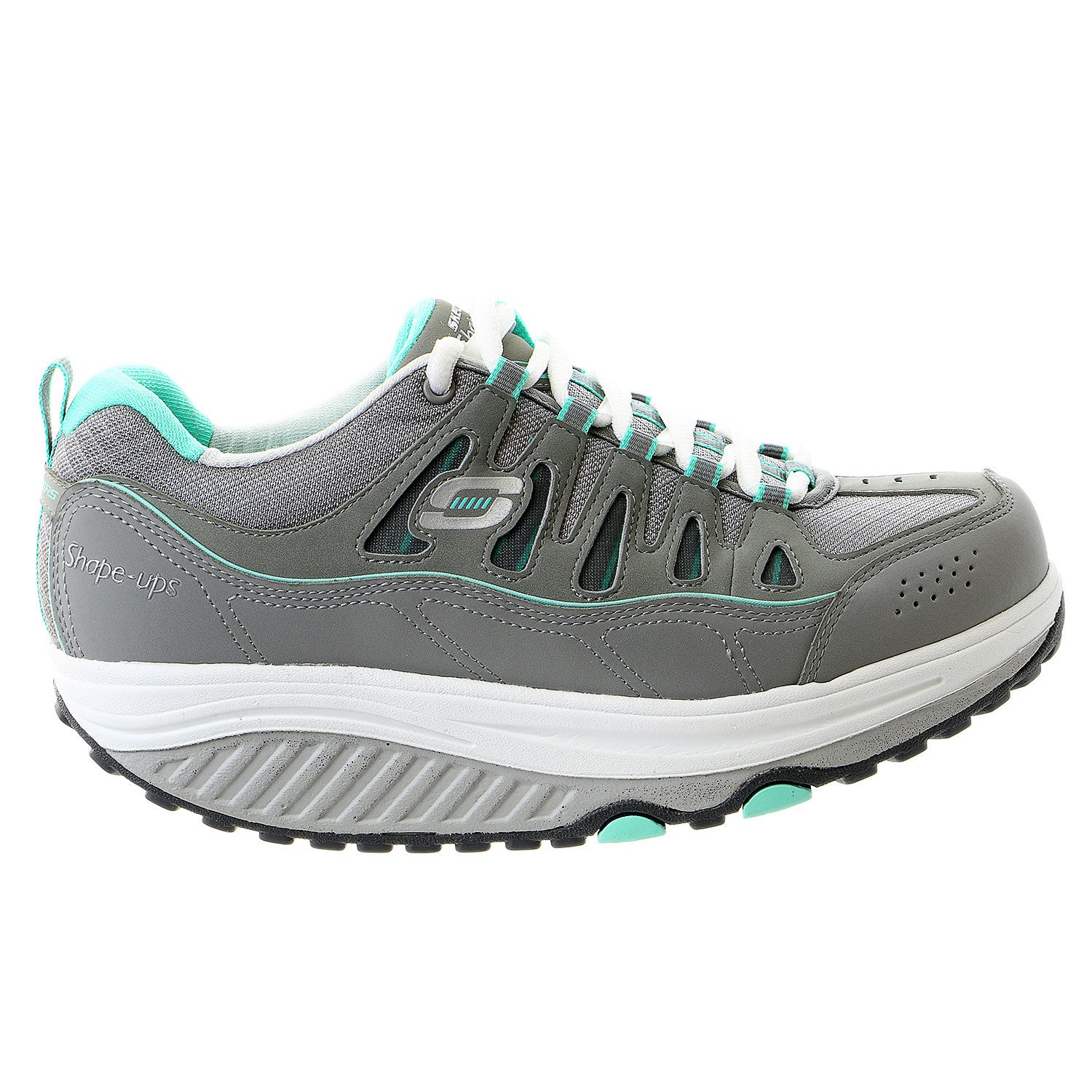
A common point of confusion lies in distinguishing tennis shoes from their athletic cousins. A running shoe is optimized for heel-to-toe motion in a straight line. Its cushioning is often softer and more pronounced in the heel to absorb the high-impact forces of running. However, this can create an unstable platform for the more varied, lower-impact movements of walking. The elevated heel of many running shoes can also shorten the Achilles tendon over time if used exclusively for walking. On the other end of the spectrum are “fashion” sneakers. While aesthetically pleasing, they frequently prioritize form over function, using flat, non-supportive insoles, minimal cushioning, and flimsy materials that degrade quickly. They lack the structural integrity needed for sustained walking. The tennis shoe for walking occupies a pragmatic middle ground. It borrows the lateral support and durability from its court heritage, incorporates modern cushioning technologies, and is often designed with a lower heel-to-toe drop (the difference in height between heel and forefoot) than a traditional running shoe. This promotes a more natural foot strike. As highlighted in discussions on platforms like Quora and Runner’s World forums by seasoned walkers and podiatrists, this combination makes it a versatile, all-day performer. It’s a shoe designed for activity, not just appearance, making it a fundamentally different product from a lifestyle sneaker.
Expert Voices and Cultural Testaments
The endorsement of specialized footwear for walking isn’t confined to medical journals. It echoes through various cultural and expert channels. Celebrity fitness trainers on YouTube, such as Chloe Ting or Pamela Reif, consistently emphasize the importance of proper footwear in their home workout guides, noting that foundational support is critical even for low-impact exercises. On Twitter, orthopedic surgeons frequently tweet reminders about the link between poor footwear and joint pain. Furthermore, the portrayal in media is telling. In movies and literature, characters embarking on significant journeys—whether it’s Forrest Gump in his iconic running shoes (which, notably, were classic Cortez models, a design rooted in athletic heritage) or literary characters setting out on pilgrimages—are rarely depicted in flimsy footwear. The shoe is a symbol of preparedness. Even historical figures known for their walks, like the philosophers Søren Kierkegaard or Henry David Thoreau, though they wore the leather boots of their time, understood that the interface between the body and the earth required deliberate choice. Today, that choice is a scientifically refined piece of equipment. As the popular health website WebMD cites, “Wearing shoes with good arch support and cushioning can help absorb shock and protect your joints.” This isn’t anecdotal; it’s mainstream, evidence-based advice.
Making an Informed Choice: A Pathway to Value
Armed with this knowledge, your purchasing decision becomes one of informed value, not just cost. While premium models from brands like Asics (Gel-Resolution), New Balance (Fresh Foam Lav), or Nike (Court Lite) may carry a higher initial price tag, their construction quality, durable materials, and advanced technology often make them more cost-effective per mile walked. Look for features like removable insoles (allowing for custom orthotics if needed), seamless interior linings to prevent chafing, and water-resistant treatments if you walk in variable climates. Crucially, the market offers tremendous value. Last season’s colorways or models often see discounts of 30-50% as retailers make room for new inventory. Online outlets and flash sales are excellent places to find high-quality tennis shoes for walking at a fraction of the original price. Investing in two pairs and rotating them can also extend the life of each, as it allows the midsole foam to fully decompress between wears. This practice, recommended by shoe durability studies, ensures consistent cushioning and support for longer. Ultimately, the right pair is an investment that pays dividends in comfort, health, and the simple joy of moving through your day unencumbered by foot fatigue or pain. It transforms walking from a basic mode of transport into a sustainable, enjoyable pillar of an active lifestyle.

The quest for the perfect everyday walking shoe ends not with a fleeting trend, but with a principled understanding of design, anatomy, and personal need. The humble tennis shoe, recontextualized for the pavement, stands as a formidable tool. It offers a synthesis of lateral stability, durable construction, and adaptive cushioning that generic footwear simply cannot match. By choosing a tennis shoes for walking based on the objective criteria of fit, support, and material science, you are not just buying a product; you are enabling a more resilient, comfortable, and engaged way of navigating the world on foot. Your daily journey deserves nothing less than this foundation of informed support.
