

Elevate Your Style with Booties Heels: A Chic Guide to Effortless Outfits
In the ever-evolving lexicon of fashion, few items command the transformative power of booties heels. They are not merely footwear; they are a sartorial statement, a foundational element that bridges the gap between casual ease and polished sophistication. This guide isn’t about following fleeting trends, but about understanding the architectural and stylistic principles that make these shoes a cornerstone of a versatile wardrobe. We’ll dissect their appeal, provide objective knowledge on their design and history, and offer a blueprint for integrating them into your daily life with an air of effortlessness.
The Architectural Brilliance of the Bootie Heel
To appreciate the booties heels, one must first understand their design DNA. Objectively, a bootie is defined as a shoe that covers the foot and ankle but stops below the calf. When combined with a heel—whether stiletto, block, or wedge—it creates a unique silhouette that offers both support and elevation. From an ergonomic perspective, the enclosed nature of a bootie can provide more ankle stability than a classic pump, a point often discussed in podiatry forums and by footwear designers. The heel itself alters the body’s posture, tilting the pelvis and elongating the leg line, a biomechanical fact noted in studies from institutions like the Royal College of Podiatry. This isn’t just style; it’s applied human kinetics. The variety is staggering: from sleek, pointed-toe versions that recall the minimalist ethos of designers like Phoebe Philo for Céline, to chunky-soled styles that echo the utilitarian chic championed by brands like Prada in their recent collections. Each variant serves a different aesthetic and functional purpose, making the category incredibly democratic.

A Historical Footprint: From Function to Fashion
The journey of the ankle boot is a fascinating study in the migration of clothing from practical wear to fashion symbol. Its earliest ancestors were purely functional, worn by both men and women for protection. The introduction of the heel in 16th-century Persia was initially for equestrian stability, as documented on Wikipedia‘s entry on high heels. It wasn’t until centuries later that the ankle boot with a heel became a feminine fashion staple. In the 1960s, designers like André Courrèges and Roger Vivier reimagined it as a mod, futuristic statement. This evolution is a testament to the item’s adaptability. As fashion historian Dr. Valerie Steele, Director of The Museum at the Fashion Institute of Technology, has noted in her lectures, “Footwear often encapsulates social change.” The modern booties heels embodies this, representing a blend of historical utility, postmodern deconstruction, and contemporary demand for versatile, powerful dressing. It carries the legacy of rebellion (think of the iconic imagery of rock stars) and the polish of the boardroom, all within its compact form.
Crafting Effortless Outfits: A Five-Point Framework
The true magic of the booties heels lies in its chameleonic ability to integrate into diverse outfits. The goal is “effortless,” which in fashion parlance, often means a carefully curated appearance of ease. Here is a framework built not on rigid rules, but on principles of balance, proportion, and context.
1. The Principle of Contrast and Silhouette
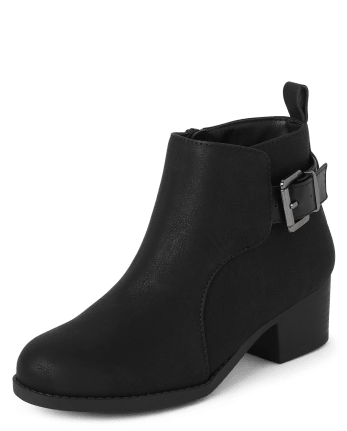
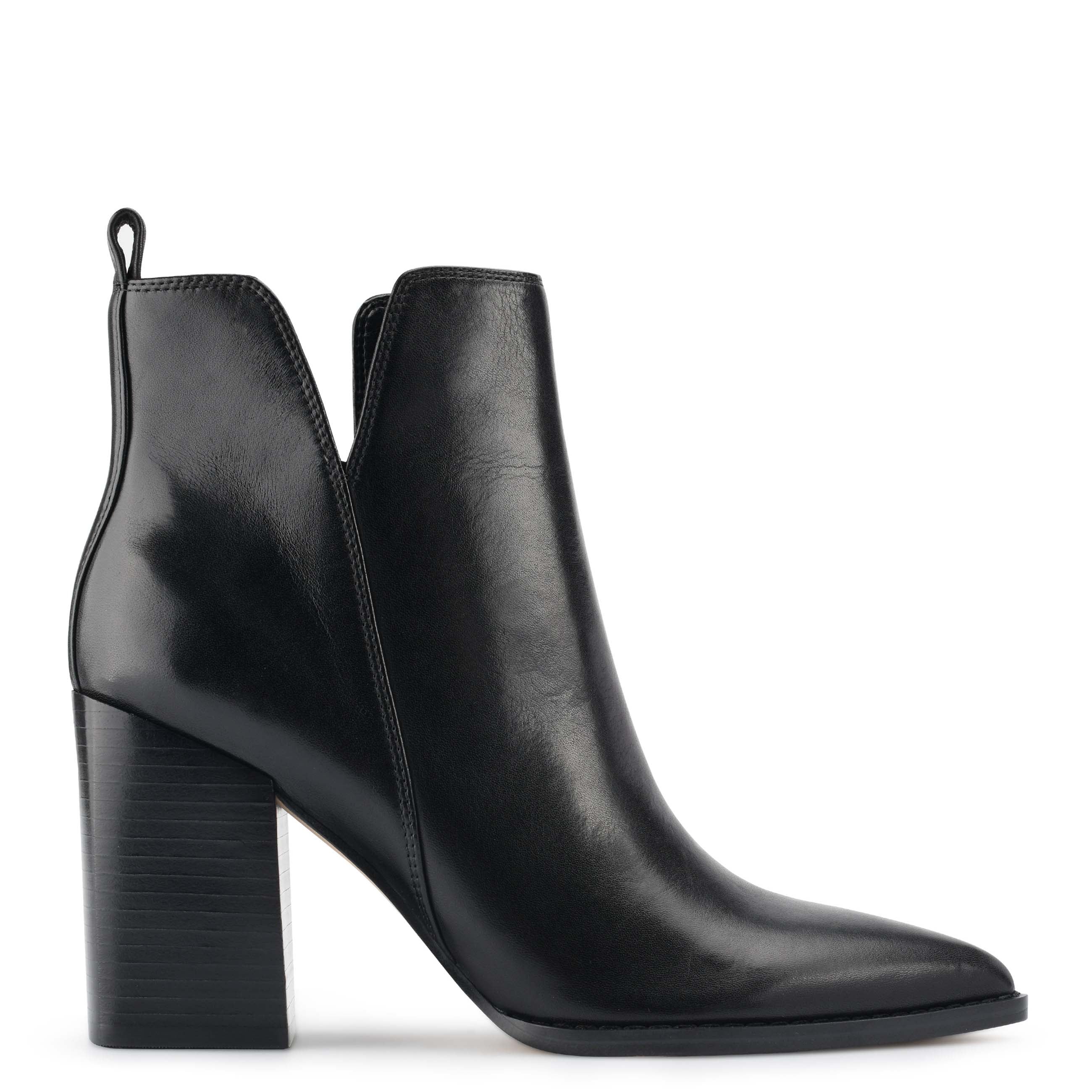
One of the most fail-safe approaches is playing with contrasts. A pair of sharply tailored, pointed-toe booties heels can instantly ground and sophisticate an otherwise soft outfit. Imagine a flowing, midi dress in a floral print—a look that could skew overly romantic. Introducing a sleek black leather bootie creates a compelling tension between feminine and edgy, a style dichotomy frequently celebrated on platforms like Who What Wear and Vogue‘s digital editions. Conversely, a chunky-heel, square-toe bootie can add a substantial, modern weight to delicate pieces like silk slip skirts or fine-knit dresses, preventing them from looking fragile. This principle is rooted in classic design theory, where contrasting elements create visual interest and dynamism. The key is to let the shoe either complement or deliberately contradict the overall silhouette, but never get lost within it.
2. The Denim Synergy
Perhaps no partnership is more iconic or effortless than booties heels with denim. This is where personal style shines. A skinny jean tucked into a suede bootie with a moderate heel offers a streamlined, continuous leg line—a look perfected over decades. However, the contemporary approach often involves balance. With the resurgence of wide-leg or bootcut jeans, the guidance shifts. Here, the hem of the jean should ideally kiss the top of the bootie, creating a seamless flow. This styling trick, often highlighted by celebrity stylists on social media platforms like Instagram, ensures the heel remains visible and functional, elongating the leg rather than cutting it off. The wash of the denim matters too: black booties with black denim for a monochromatic rocker vibe, or tan suede booties with light-wash jeans for a California-cool feel. The combination is endlessly versatile, bridging weekend casual with evening-ready polish in one step.
3. Tailoring’s Perfect Partner
To inject a dose of contemporary cool into professional or smart-casual attire, look no further than the bootie heel. It redefines the traditional suit or tailored trouser. A classic wool trouser with a straight leg, cropped just above the ankle, paired with a sleek leather bootie, is a powerful and modern alternative to pumps or loafers. This look speaks of authority with a fashion-forward sensibility, a style frequently adopted by figures like Creative Director Olivia Palermo and espoused in the pages of Harper’s Bazaar. The bootie provides a solid foundation that feels both authoritative and relatable. It’s a reminder that power dressing in the 21st century is about confident individuality, not rigid conformity. The right pair can make a tailored blazer and trousers look intentional and sharp, rather than simply corporate.
4. The Art of Seasonal Transition
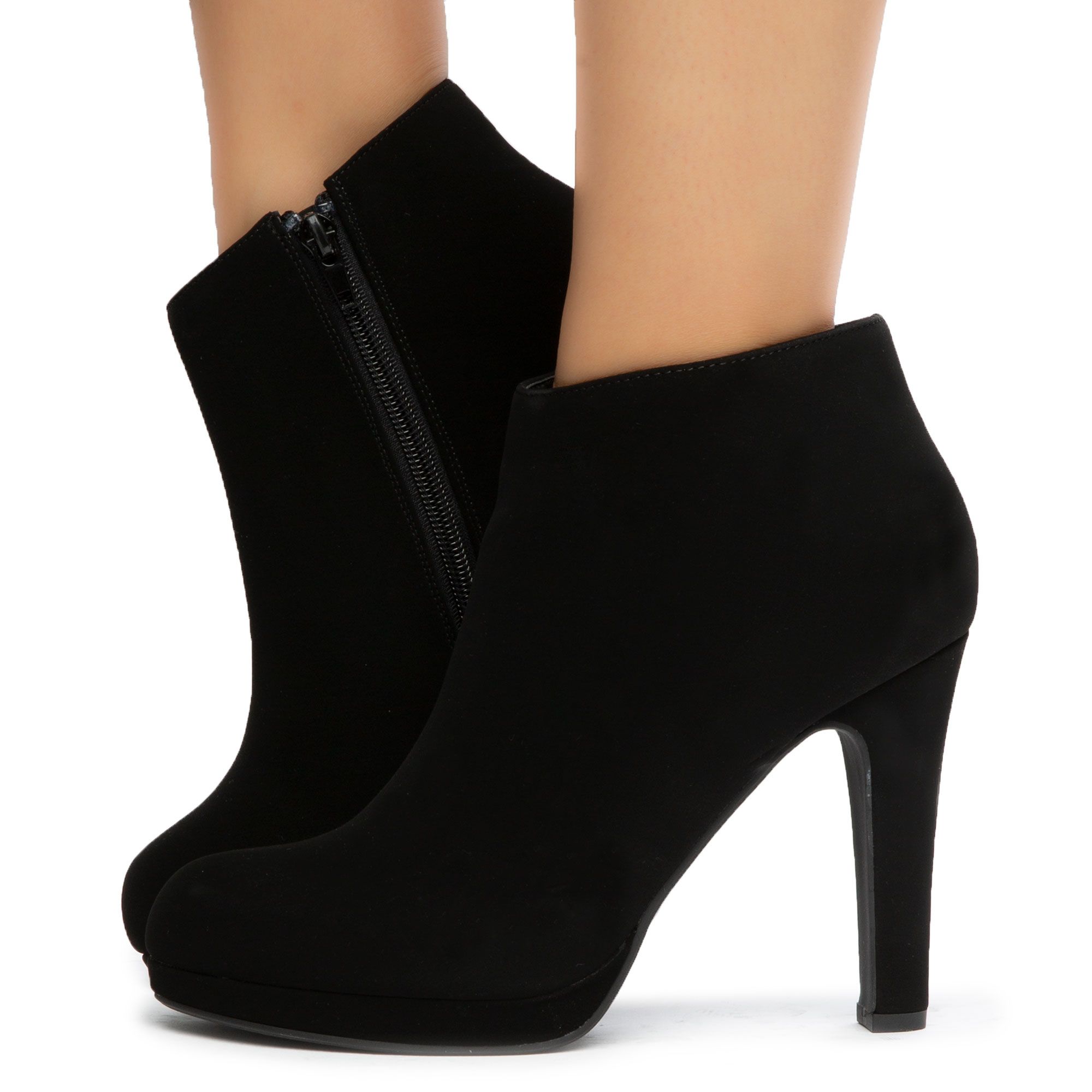
Booties heels are the quintessential transitional footwear. Their closed toe makes them viable in cooler weather, while various cuts (like cut-outs or open toes) allow for breathability as temperatures rise. In autumn, pair them with tights and a midi skirt; in spring, let them anchor a sleeveless dress. This versatility provides immense value per wear, a key consideration for building a sustainable and cost-effective wardrobe. Fashion economists and personal shopping experts often cite “cost per wear” as a critical metric for investment pieces. A well-chosen bootie, due to its multi-seasonality and outfit versatility, typically offers an excellent return on investment, amortizing its initial cost over countless wears across different contexts and seasons.
5. The Foundation of Confidence
Ultimately, the most important element any shoe contributes is confidence. There is a psychological aspect to footwear well-documented in both popular culture and academic thought. As Professor Karen J. Pine, a psychologist and author of Mind What You Wear, has stated, “When we put on a piece of clothing we cannot help but adopt some of the characteristics associated with it.” The booties heels, with its blend of stability and elevation, practicality and style, can foster a unique sense of assuredness. It’s a shoe that says you are grounded yet aiming high, practical but not without flair. This isn’t mere anecdote; it’s about the embodied cognition of dress—how what we wear influences how we think, feel, and act.
Investing in Your Style: Knowledge as the Ultimate Discount
True style savvy comes not from chasing every sale, but from making informed choices that yield long-term satisfaction. When seeking your perfect pair, consider the architecture: the height of the heel you can truly walk in, the quality of the leather or suede, the sturdiness of the sole. Brands like Sam Edelman or Franco Sarto often offer excellent quality-to-price ratios, while investment in a brand like Stuart Weitzman or Aquazzura can be justified by their craftsmanship and timeless lasts. Remember, a slightly higher upfront cost for a superior material and construction often outweighs the recurring cost of replacing cheaper, poorly made shoes. This is the professional knowledge that brings you the real “discounted price”—the price of not making a mistaken purchase. Look for features like padded insoles, secure zippers or lacing, and a heel that feels balanced when you walk. Your feet and your future self will thank you.
The journey to effortless style is not about accumulation, but about curation. The booties heels stands as a compelling candidate for a central role in that curated collection. It is a piece rich with history, grounded in functional design, and limitless in its stylistic applications. By understanding its principles and trusting your personal alignment with them, you move beyond getting dressed and into the realm of crafting an image—one confident, grounded, and effortlessly elevated step at a time.
