

The Walking Shoe: Your Secret to Effortless Style and All-Day Comfort
Forget the notion that comfort and style are mutually exclusive. The modern walking shoe has evolved from a purely functional item into a cornerstone of intelligent, conscious dressing. It is no longer just footwear for a specific activity; it is a statement of understanding that how we feel in our bodies directly influences how we present ourselves to the world. This article isn’t about promoting a fleeting trend. It’s about dissecting the anatomy of a revolution in footwear, one that merges biomechanical science with aesthetic design to deliver an unparalleled experience. The right pair of walking shoes can transform your daily commute, your travel adventures, and your overall sense of well-being, proving that true style is, fundamentally, the confidence that comes from effortless comfort.
The Ergonomic Foundation: Where Science Meets the Stride
The core of a superior walking shoe lies in its ergonomic design, a principle rooted in applying scientific data about human anatomy and physiology to product creation. Unlike running, which involves a dynamic gait cycle with a flight phase, walking is a continuous, ground-contacting motion. This demands specific engineering. According to research from institutions like the University of Virginia’s Motion Analysis and Motor Performance Laboratory, an efficient walking cycle requires optimal heel-to-toe transition, medial-lateral stability, and energy return. A well-designed walking shoe addresses these needs through a synergistic trio: the midsole, the insole, and the outsole. The midsole, often crafted from advanced materials like EVA (ethylene-vinyl acetate) foam or proprietary compounds like Brooks’ DNA LOFT or HOKA’s Profly+, is responsible for cushioning and shock absorption. It mitigates the ground reaction forces—which can exceed 1.5 times body weight with each step—traveling up through the skeletal system. The insole, or footbed, provides arch support and contouring, combating overpronation (excessive inward roll) or supination (outward roll), conditions that can lead to plantar fasciitis, shin splints, and knee pain. Finally, the outsole’s rubber compound and tread pattern determine durability and traction, ensuring safety on varied surfaces. This isn’t mere speculation; it’s applied podiatric science, transforming every step from a potential stressor into a moment of supported propulsion.
Material Innovation: Beyond Leather and Laces
Gone are the days when footwear materials were chosen for durability alone. Today’s walking shoe is a testament to textile and polymer innovation. The upper, the part that encases the foot, has seen a radical shift. Traditional full-grain leather, while durable, is often heavy and lacks breathability. Modern uppers utilize engineered meshes, like Adidas’ Primeknit or Nike’s Flyknit, which offer targeted zones of stretch, support, and ventilation. These materials are developed through computational design, creating a second-skin feel that minimizes friction points (the primary cause of blisters) and allows heat and moisture to escape. As noted in material science publications, this focus on thermoregulation is crucial for maintaining foot health during extended wear. Furthermore, sustainability has become a key driver. Brands are increasingly incorporating recycled polyester from plastic bottles, bio-based foams derived from algae or castor beans, and even pineapple leaf fibers (Piñatex) into their designs. This material evolution isn’t just an ethical bonus; it directly impacts performance. Lighter, more adaptive materials reduce the metabolic cost of walking—the energy your body expends—allowing you to go further with less fatigue. The integration of seamless construction techniques also eliminates internal stitching that can irritate, creating a smooth interior environment. This confluence of comfort technology and ecological consciousness defines the new luxury in footwear.
The Aesthetic Alchemy: When Function Informs Form
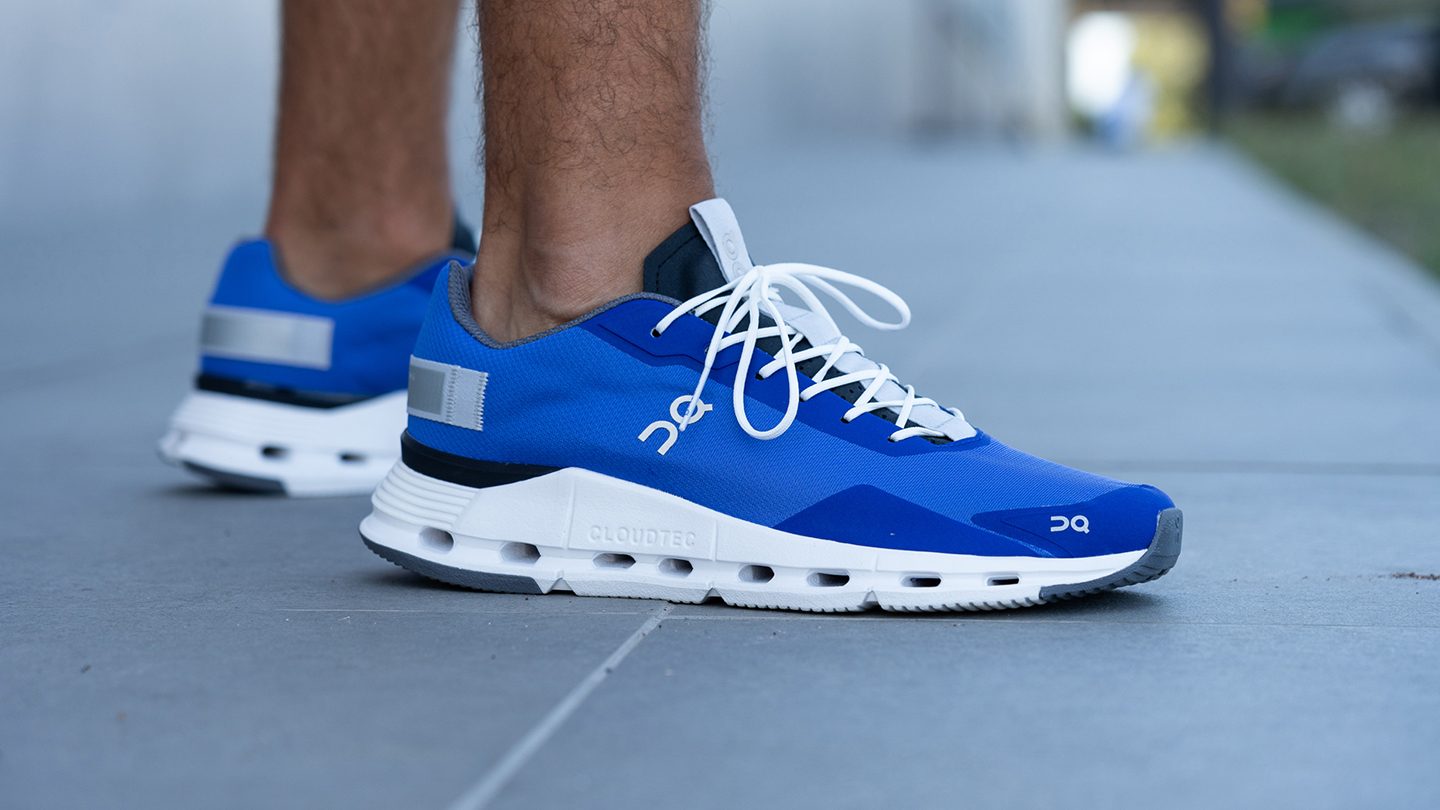
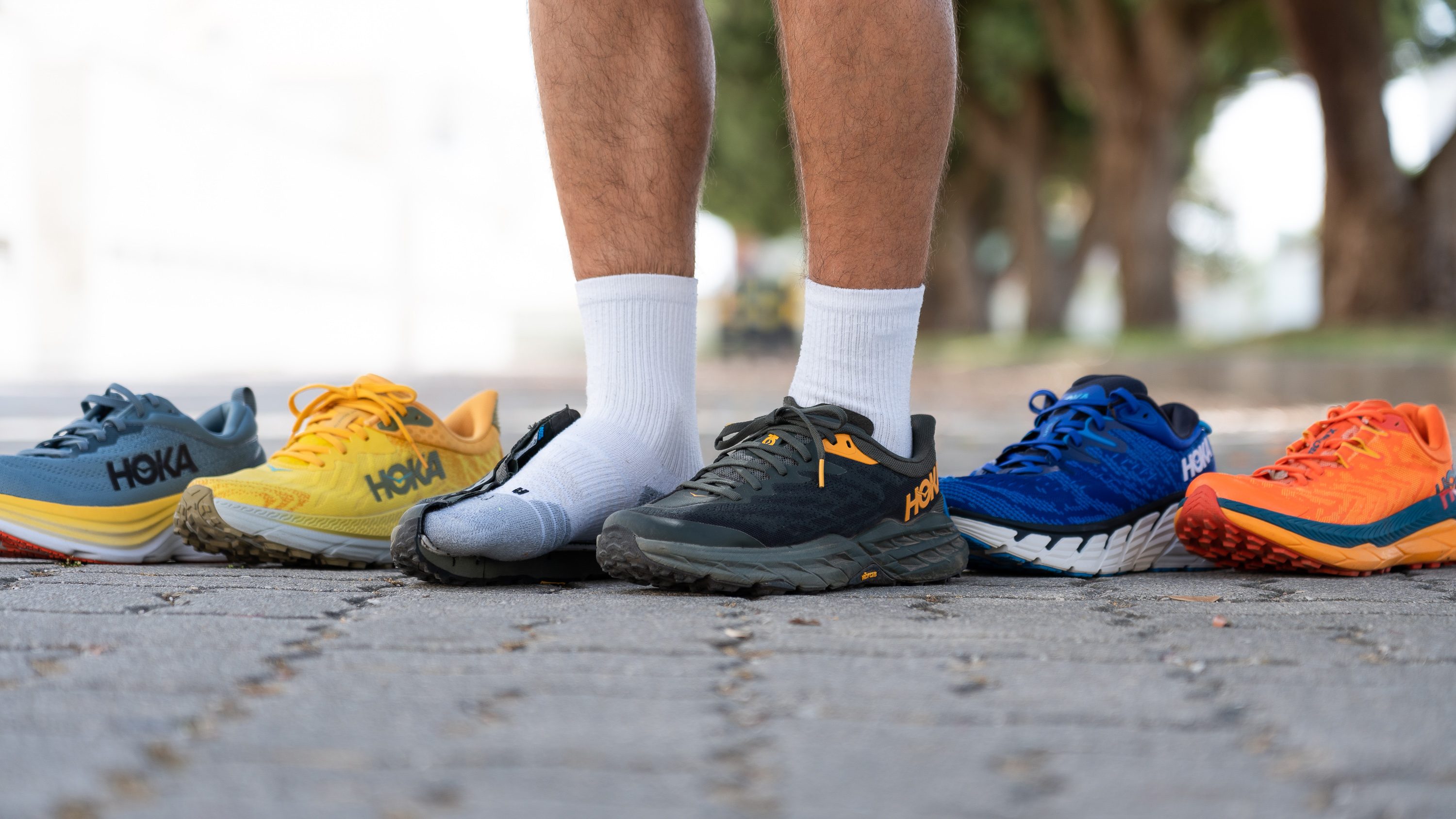
There exists a pervasive myth that technically proficient shoes must be aesthetically clunky or bland. The contemporary market shatters this fallacy. The design language of today’s leading walking shoes is one of “technical elegance.” Brands like Cole Haan, originally a dress shoe maker, have pioneered hybrids that feature Grand.ØS technology—a lightweight, flexible sole unit—under sleek leather uppers, blurring the line between a loafer and a trainer. Similarly, the “ugly shoe” trend, popularized by brands like HOKA ONE ONE and its maximalist cushioning, has been embraced by high fashion, appearing on runways and street style blogs. This acceptance signals a cultural shift: comfort is now a visible, celebrated component of style. The aesthetic appeal lies in the honest expression of function. The bold curves of an arch support system, the geometric patterning of a grippy outsole, the layered texture of a breathable mesh—these are worn as badges of intelligent design. As renowned designer Tinker Hatfield, the mind behind many iconic Nike silhouettes, once stated in an interview,
“The best design is one that solves a problem without you having to know there was a problem to begin with. It feels intuitive, it looks inevitable.”
This philosophy is perfectly embodied in the modern walking shoe. It doesn’t shout about its technical features; it integrates them into a cohesive, visually compelling form that complements both athleisure wear and smart-casual outfits, proving that you need not sacrifice your personal style for the sake of your feet.

The Long-Term Investment: Foot Health as Self-Care
Viewing a quality walking shoe as merely a purchase is a profound underestimation. It is an investment in your long-term musculoskeletal health, a form of preventative self-care. The human foot is a complex structure of 26 bones, 33 joints, and over 100 muscles, tendons, and ligaments. It is the foundation of your entire posture. Compromising its support has a domino effect. The American Podiatric Medical Association (APMA) consistently emphasizes that improper footwear is a leading contributor to chronic pain not only in the feet but also in the ankles, knees, hips, and lower back. By providing proper alignment and cushioning, a well-fitted walking shoe helps distribute pressure evenly, reduces joint stress, and can alleviate or prevent common ailments. Consider the testimonies of professionals who are on their feet all day—nurses, teachers, chefs. On platforms like Reddit’s r/BuyItForLife or dedicated footwear forums, the consensus is clear: investing in brands known for orthopedic integrity, such as Brooks, New Balance, or SAS, results in fewer sick days, higher energy levels, and a better quality of life. This isn’t anecdotal; it’s a logical outcome of biomechanical support. When your base is stable and pain-free, your entire body moves with greater efficiency and grace, which is the ultimate expression of personal well-being.
Making the Intelligent Choice: A Guide to Your Perfect Pair
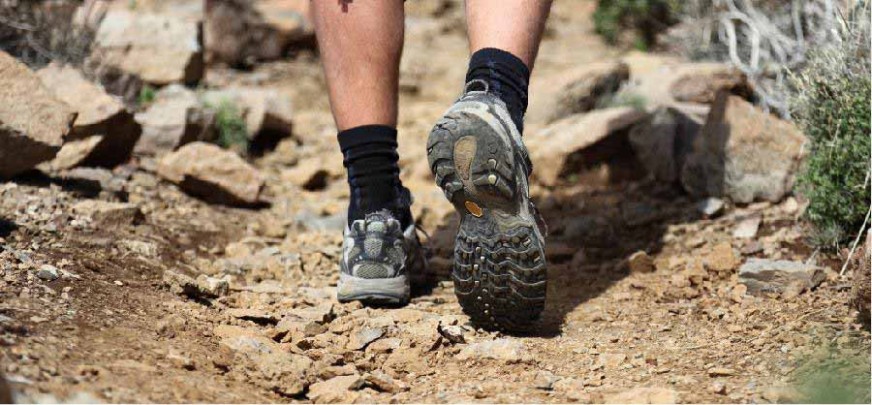
Understanding the “why” behind walking shoes is futile without knowing the “how” of selection. The perfect pair is a personal equation based on your foot morphology, gait, and lifestyle. First, always get fitted in the afternoon or evening, as feet naturally swell throughout the day. There should be about a thumb’s width of space between your longest toe and the end of the shoe. Don’t be wedded to a size; focus on the fit. Second, identify your arch type (high, neutral, or low) through a simple wet foot test or at a specialty running store. This will guide you toward shoes with the appropriate level of arch support and motion control. Third, consider your primary use. Are you logging miles on pavement, exploring rocky trails, or navigating airport terminals? Each scenario demands different outsole traction and upper durability. Finally, trust the feeling. The shoe should feel supportive and secure from the first step, with no “break-in” period required—a concept that podiatrists argue is a myth for well-designed footwear. Modern retailers and brand websites have made this process more accessible than ever, offering detailed fitting guides, video consultations, and generous return policies that allow you to test shoes in real-world conditions. This democratization of expert knowledge empowers you to make a choice that serves both your body and your aesthetic.
Where Value Meets Opportunity: Smart Shopping in a Digital Age
Acquiring this cornerstone of comfort and style need not be a financial burden. The digital marketplace has created unprecedented access to both information and value. While premium walking shoes from top-tier brands often carry a significant retail price—reflecting their research, development, and material costs—strategic shopping can unlock substantial savings. Consider subscribing to newsletters from reputable online retailers like Zappos, REI, or directly from brand websites, as they frequently offer seasonal sales, clearance events on previous models, and exclusive discount codes for subscribers. The key is to know your exact size and model preference from prior fittings, allowing you to confidently purchase older colorways or versions at a fraction of the cost, as the core technology often remains consistent across model years. Furthermore, outlet stores and certified resellers on platforms like Amazon often have legitimate stock at reduced prices. It’s about being an informed consumer: investing in the technology that benefits your body, but leveraging the competitive market to do so wisely. This approach brings professional-grade foot health and contemporary style within practical reach, ensuring that the secret to effortless living is accessible, not elusive.
The journey through the world of the modern walking shoe reveals a simple, powerful truth: the barrier between feeling good and looking good is an illusion, patiently dismantled by innovation. From its ergonomic blueprint and advanced materials to its conscious design and health-preserving benefits, the right shoe is a tool for sustainable vitality. It empowers you to move through your world with assurance, turning every step into an expression of informed choice. This is the new standard—where your stride is supported, your style is uncompromised, and your comfort is the quiet, confident foundation of it all.
