

Step Into Style: The Ultimate Guide to Toe Walker Shoes
Forget everything you thought you knew about footwear. The landscape of shoes is shifting, and at the forefront of this evolution is a category designed not just for fashion, but for a fundamental aspect of human biomechanics: the toe walker shoes. This isn’t about a fleeting trend; it’s a response to a natural gait pattern, a solution for specific conditions, and a testament to how specialized design can empower movement. Whether you’re a parent navigating your child’s unique walking style, an athlete seeking performance enhancement, or simply someone intrigued by the intersection of anatomy and apparel, understanding this niche is to understand a deeper dialogue between our feet and the ground.
The Anatomy of a Toe Walker: Beyond Habit
Toe walking, or equinus gait, is precisely what it sounds like: walking on the balls of the feet with little to no contact between the heels and the ground. In early childhood, it’s a common phase as toddlers explore balance. However, persistent toe walking beyond the age of three can be idiopathic (of unknown cause) or symptomatic of an underlying condition such as cerebral palsy, muscular dystrophy, or autism spectrum disorder, as noted in literature from institutions like Johns Hopkins Medicine. The biomechanical implications are significant. Chronic toe walking can shorten the Achilles tendon, alter calf muscle development, and affect overall posture and stability. This is where generic footwear fails. Standard shoes are built for a heel-to-toe rocker motion, offering little to no support or correction for someone whose primary contact point is the forefoot. They can even exacerbate the issue by providing an unstable platform. The very design of conventional shoes contradicts the toe walker’s mechanics, creating a mismatch that demands a specialized solution.
Engineering Stability: The Core Design Principles of Toe Walker Shoes
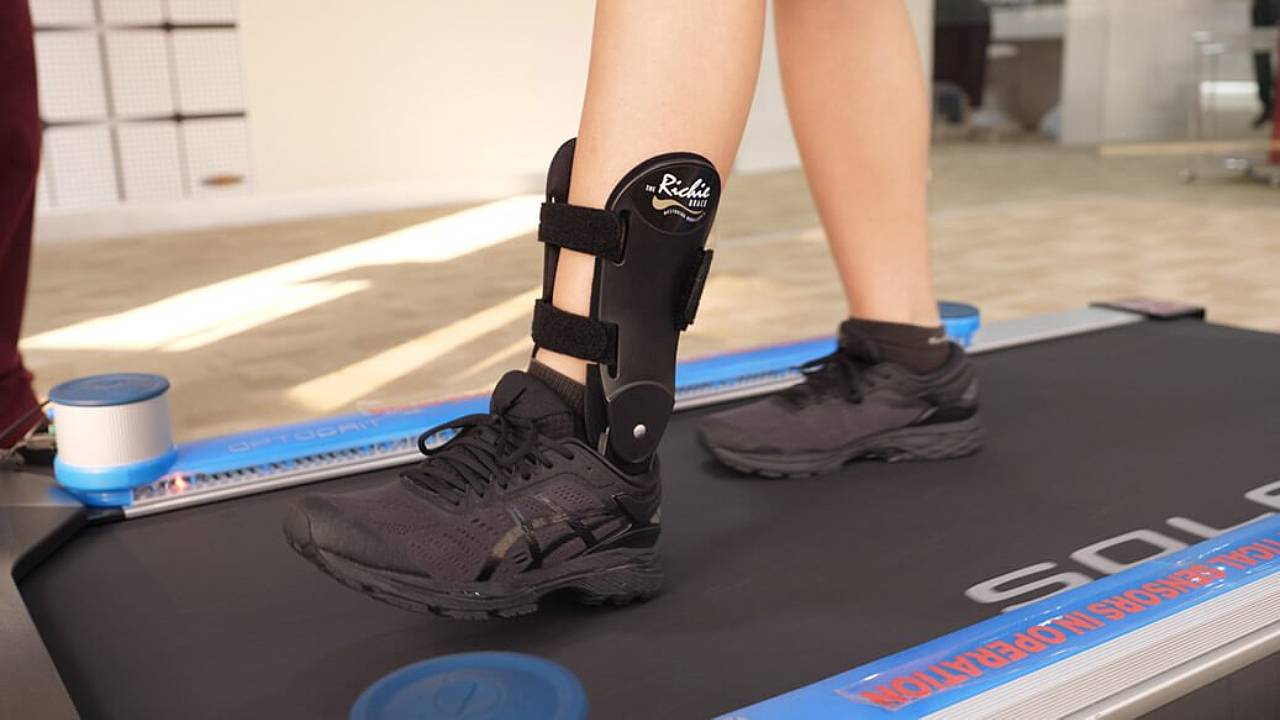
So, what defines a true toe walker shoe? It is a meticulously engineered tool built on several non-negotiable pillars. First and foremost is rigid heel counter and extended support. Unlike flimsy sneaker backs, these shoes feature a firm, deep heel cup that wraps around the calcaneus (heel bone), providing a stable “anchor” to discourage the heel from lifting prematurely. This is often combined with a high-top design or integrated ankle supports to enhance proprioceptive feedback—the body’s sense of its position in space. Second is forefoot reinforcement and rocker soles. The ball of the foot endures immense pressure in a toe-walking gait. These shoes incorporate robust, often slightly raised and rounded soles under the metatarsal heads. This “rocker” design, supported by research in pediatric orthotics, facilitates a smoother roll-through motion, reducing impact stress and encouraging a more natural transition, even if full heel contact isn’t immediately achieved. Third is arch and medial-lateral support. Toe walking can lead to compensatory imbalances. Premium toe walker shoes include structured arch support and firm sidewalls to prevent excessive pronation or supination, ensuring the foot is held in a neutral, aligned position. Materials matter too—breathable, durable uppers that accommodate potential orthotics (like SMOs or AFOs) are essential.
Bridging Function and Aesthetics: The Style Revolution
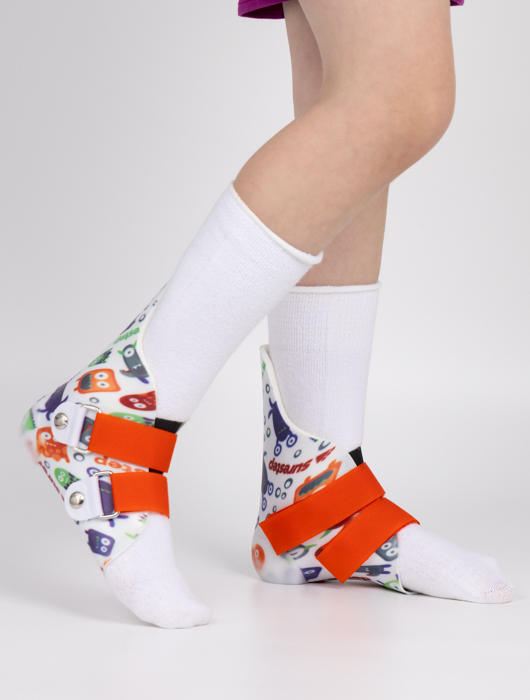
The historical stigma around therapeutic footwear—often clunky, visibly medical, and available in limited, uninspiring colors—is being dismantled. Brands today recognize that dignity and self-expression are part of therapeutic success. The modern toe walker shoes market has exploded with options that look like trendy high-tops, sleek sneakers, or rugged boots. Companies like Billy Footwear, Plae, and See Kai Run have led the charge, designing lines with zip-and-flip technology for easy orthotic insertion, using premium leathers and fashionable colorways, and collaborating with designers to ensure the shoes are something a child is excited to wear or an adult chooses with pride. This fusion is crucial. As celebrity fitness trainer Jillian Michaels has often emphasized on her platforms, “When you feel good in what you’re wearing, you’re more likely to engage in the activity.” The same principle applies here. Stylish design increases compliance, turning a necessary device into a chosen accessory, thereby enhancing the therapeutic outcome through consistent wear.
Navigating the Market: A Curated Selection for Every Need
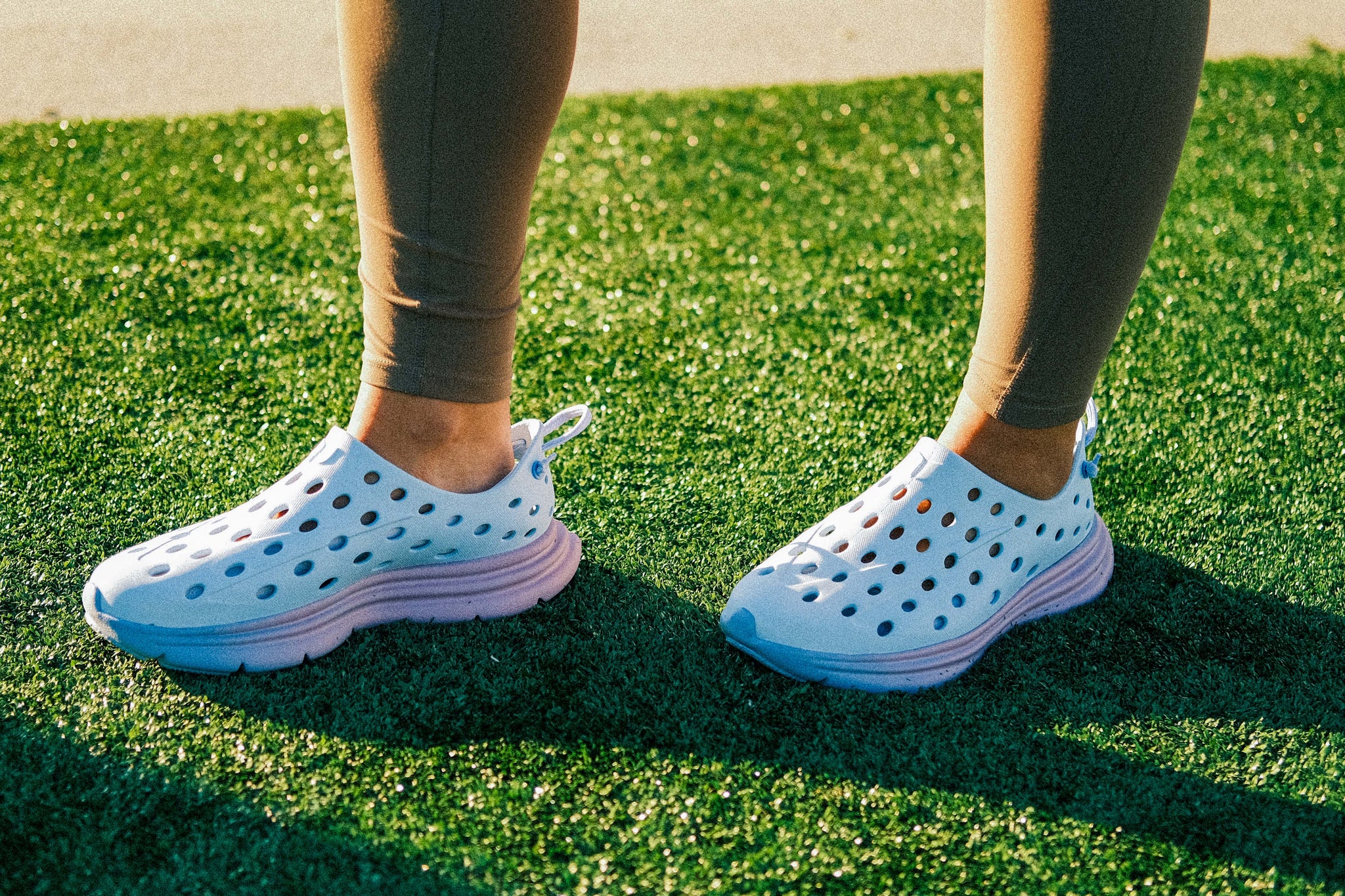
The journey to find the right pair is personal. For young children with idiopathic toe walking, look for brands that offer exceptional stability without the bulk. Shoes with a firm heel, a flexible forefoot rocker, and wide openings for easy fitting are ideal. Think of them as “training shoes” that gently guide the foot toward a typical gait pattern. For those requiring orthotic integration, the criteria shift. Depth is paramount—the shoe must have a removable insole to create space for a custom ankle-foot orthosis (AFO) or supramalleolar orthosis (SMO). Brands like New Balance and Nike have specific “Adaptive” or “FlyEase” lines with this in mind, featuring wide openings and adjustable closures. For adults and athletes, the application evolves. Minimalist or “barefoot” style shoes, which encourage forefoot striking, are popular among runners. While not therapeutic in the medical sense, they cater to a toe-walking style of running. However, true stability-focused toe walker shoes for adults with neurological conditions prioritize safety, non-slip soles, and lightweight construction to reduce fatigue.
The Verdict from Experts and End-Users
The efficacy of specialized footwear is not anecdotal. A study published in the Journal of Pediatric Orthopaedics found that a combination of correct footwear and physical therapy was significantly more effective in managing idiopathic toe walking than observation alone. On community platforms like Quora and parenting blogs, the testimonials are powerful. One parent shared, “Finding the right shoes was the turning point. They gave my son the confidence to try to put his heel down because he finally felt stable.” From the world of celebrity advocacy, figures like actress and autism advocate Holly Robinson Peete have discussed the importance of addressing sensory and motor differences, of which gait is a key part, through appropriate supports. The consensus is clear: the right shoe is not a cure, but it is a critical component of a multidisciplinary approach, providing the foundation upon which therapy can build.
Your Step Forward: Investment and Insight
Embracing toe walker shoes is an investment in biomechanical health and quality of life. While prices vary, expect to invest in the range of $80 to $150 for a quality pair from therapeutic brands, given the specialized materials and construction. The good news? Many of these companies offer direct discounts through their websites, seasonal sales, or partnerships with therapy clinics. Some insurance plans may also provide partial coverage with a doctor’s prescription, classifying them as durable medical equipment. The true value, however, transcends price. It lies in the prevention of secondary complications like joint pain, in the promotion of balanced muscle development, and in the sheer joy of seeing someone move with greater ease and confidence. It’s about choosing a tool that aligns with your body’s narrative, not against it.

The world of footwear is no longer one-size-fits-all. The rise of the toe walker shoes category is a profound acknowledgment of human diversity in movement. It represents a perfect synergy of medical science, materials engineering, and empathetic design. This isn’t just about walking differently; it’s about walking better, safer, and with undeniable style. The path forward is clear—step into the shoes designed for your unique journey.
