

Step Into Comfort and Style with Vionic Walking Shoes
For too long, the world of footwear has presented a false dichotomy: shoes that are good for you, and shoes that look good. We’ve been led to believe that to achieve all-day comfort and proper support, we must sacrifice aesthetics, resigning ourselves to clunky, medical-looking designs. Conversely, the pursuit of style often means enduring discomfort, with foot pain seen as an inevitable tax for fashion. This compromise is not just unnecessary; it’s detrimental to our overall well-being. Today, we dismantle this outdated notion. The paradigm has shifted, and at the forefront of this revolution is the vionic walking shoe. This isn’t merely about finding a comfortable shoe; it’s about embracing a holistic approach to foot health that seamlessly integrates biomechanically sound engineering with contemporary, versatile style. The journey to happy feet and confident steps begins with understanding why this integration matters and how the right footwear acts as the foundation for everything we do.
The Foundation of Well-Being: Why Your Shoes Matter More Than You Think
Consider the human foot: a marvel of engineering comprising 26 bones, 33 joints, and over 100 muscles, tendons, and ligaments. It is our primary interface with the ground, absorbing impact forces that can be multiples of our body weight with every step. According to biomechanics literature from institutions like the University of Calgary’s Human Performance Lab, the foot’s complex structure is designed to pronate (roll inward) and supinate (roll outward) in a controlled manner to distribute force. When footwear disrupts this natural kinematics—by being too flat, too rigid, or improperly aligned—it doesn’t just cause localized foot pain. The dysfunction cascades upward, influencing the ankles, knees, hips, and even the lower back. This concept, known as the kinetic chain, is a cornerstone of sports medicine and orthopedics. A study published in the Journal of Orthopaedic & Sports Physical Therapy has linked excessive pronation, often unchecked by unsupportive shoes, to conditions like plantar fasciitis, shin splints, and patellofemoral pain syndrome. Therefore, the shoe is not a passive covering; it is an essential tool that either supports or hinders your body’s innate mechanics. Choosing a shoe is a health decision with full-body implications.
Deconstructing Comfort: The Science Behind Vionic’s Technology
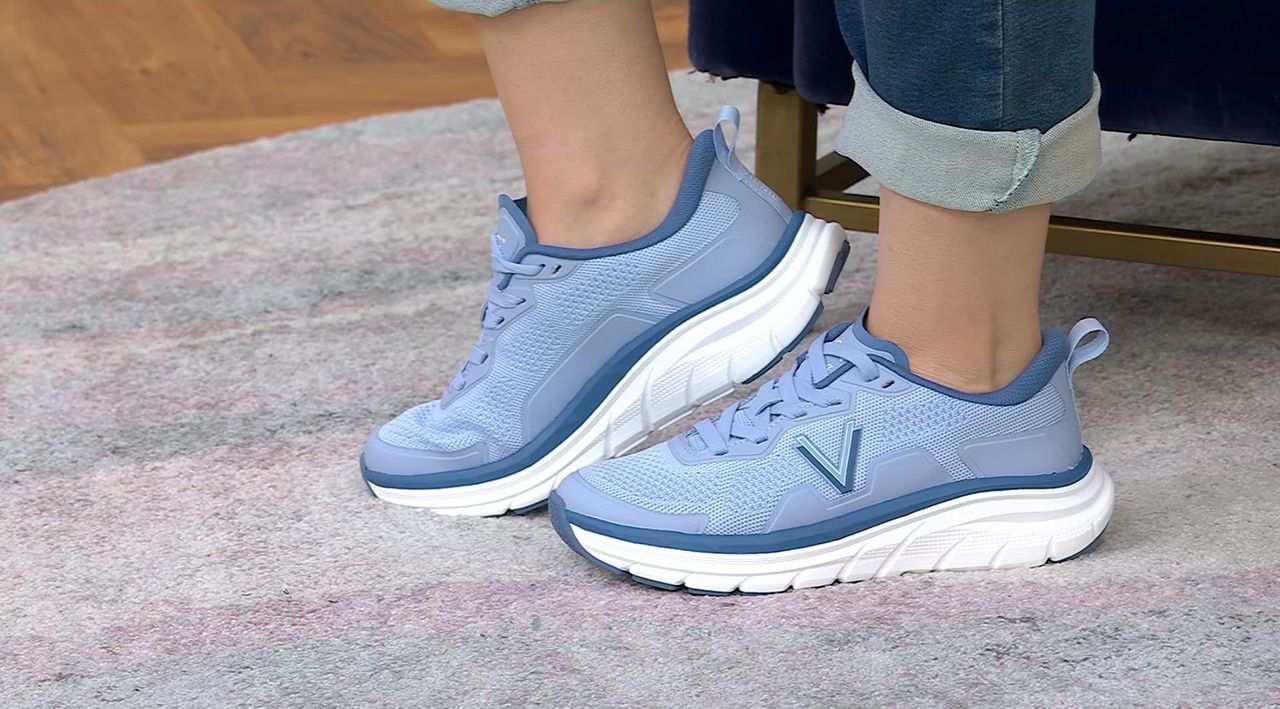
So, what transforms a simple shoe into a biomechanical ally? The answer lies in purposeful design, and this is where the vionic walking shoe distinguishes itself. The core of its innovation is the proprietary Vio-Motion Support™ system, a three-zone comfort platform developed by podiatrists. Let’s dissect its objective, scientific rationale. First, there is the deep heel cup. This isn’t a minor contour; it’s a structured encapsulation of the heel bone (calcaneus). Its function is to stabilize the rearfoot, minimizing excessive lateral movement upon heel strike. This directly addresses the root of instability that can lead to ankle sprains and Achilles tendonitis. Second, we have the arch support. Unlike generic foam bumps, Vionic’s orthotic-grade support is designed to cradle the medial longitudinal arch—the foot’s primary shock absorber. By maintaining the arch in its optimal, slightly raised position, it prevents the plantar fascia ligament from over-stretching with each step, a key preventative measure against plantar fasciitis, a condition so prevalent it’s estimated to affect 1 in 10 people according to the American Academy of Orthopaedic Surgeons. Finally, the forefoot rocker. This refers to the specific geometry of the sole that promotes a natural rolling motion from heel strike to toe-off. It reduces the work required by the calf muscles and Achilles tendon, making the gait cycle more efficient and less fatiguing. This triad of features works synergistically to realign the foot, promoting a neutral position that the body’s kinetic chain is designed to handle. As noted by Dr. Andrew Shapiro, a board-certified podiatrist, “Proper alignment starting at the foot is critical for preventing a domino effect of pain elsewhere in the body.” This is the scientific bedrock upon which Vionic builds its comfort.

Style Reimagined: No More Sacrifices
Historically, therapeutic footwear carried a stigma—bulky, beige, and blatantly orthopedic. Vionic challenged this notion head-on by embedding its podiatrist-designed technology into silhouettes that resonate with contemporary fashion sensibilities. The aesthetic appeal of a vionic walking shoe is not an afterthought; it is a co-primary design goal. Take, for instance, their range of walking sneakers. You’ll find clean lines, modern mesh uppers, and color palettes from classic white and grey to vibrant accents—designs that would look perfectly at home in a casual streetwear setting or at a weekend brunch. This deliberate fusion is crucial because compliance is a major factor in therapeutic benefit. A shoe that sits in the closet because it’s unattractive provides zero support. By creating styles that people want to wear every day, Vionic ensures that the biomechanical benefits are consistently delivered. This philosophy echoes the sentiment of fashion icon Iris Apfel, who famously stated, “I think comfort is a state of mind. If you feel good in what you’re wearing, it translates.” Vionic enables that state of mind by ensuring you feel good both physically in the support and mentally in the style. The days of choosing between a comfortable shoe and a stylish one are conclusively over.
Beyond the Shoe: A Holistic Approach to Foot Health
Embracing a vionic walking shoe is a significant first step, but it is part of a broader philosophy of proactive foot care. Think of these shoes as the daily foundation, much like a quality mattress is for sleep. To maximize their benefit, consider complementary practices. First, foot strength is often overlooked. Simple exercises, like toe curls, marble pickups, and calf raises, can fortify the intrinsic muscles of the foot, creating a more resilient structure that works in harmony with supportive footwear. Second, mindful transition is key. If you are moving from completely unsupportive flats or worn-out sneakers, introduce your new shoes gradually. Wear them for a few hours indoors initially, allowing your muscles and connective tissues to adapt to the proper alignment. This period allows your body to “relearn” a more natural gait. Third, understand that no shoe lasts forever. The cushioning and support materials, though durable, will compress over time. Monitoring the wear patterns on the outsole and paying attention to a return of discomfort can signal when it’s time for a replacement, typically every 300-500 miles of walking. This holistic view—combining intelligent footwear with strength, mindful adaptation, and timely replacement—creates a sustainable ecosystem for lifelong mobility and comfort.

Investing in Your Stride: Value Beyond the Price Tag
When evaluating the cost of a premium vionic walking shoe, it is essential to frame it not as an expense, but as an investment in your long-term health and daily quality of life. The immediate sensation is one of pronounced comfort, but the true value accrues over time through prevention. Consider the potential costs—both financial and personal—of chronic foot conditions: specialist co-pays, physical therapy sessions, orthotic inserts, pain medications, and the immeasurable cost of missed activities and reduced joy. A well-designed shoe acts as a primary preventative measure. Furthermore, Vionic frequently offers professional insights through podiatrist blogs and fit guides, empowering you with knowledge. They also provide access to discounted prices through seasonal sales, bundle offers, and newsletter promotions, making this investment in wellness more accessible. As the ancient proverb, often misattributed to Aristotle but rooted in pragmatic wisdom, advises: “The whole is greater than the sum of its parts.” The value of these shoes is the sum of the podiatric science, the durable construction, the stylish design, and the avoided future discomfort. It is an investment that pays dividends with every pain-free step you take.

The narrative that forces us to choose between looking good and feeling good is finally obsolete. The evidence from biomechanics, the demands of modern lifestyles, and the availability of intelligently designed footwear like the Vionic line have converged to make that compromise a relic of the past. Your feet are your foundation, and they deserve a partnership that honors both their biological complexity and your personal style. Stepping into a pair of Vionic walking shoes is more than a purchase; it’s a declaration that you value your well-being without reservation and that you refuse to accept discomfort as the price of participation in your own life. The path forward is clear, supported, and stylish—it’s time to walk it.
