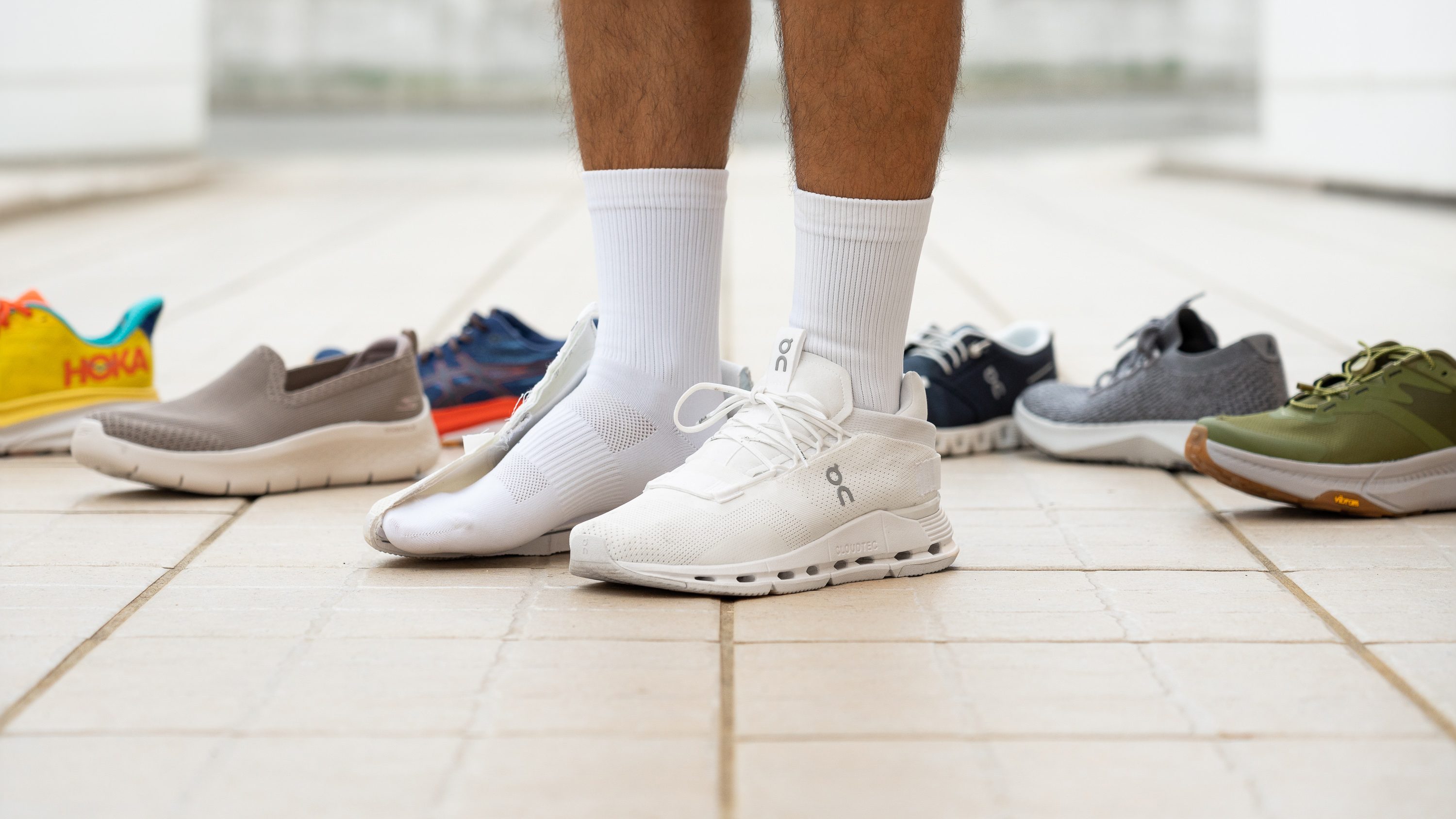
The Walking Shoe: Your Ultimate Guide to Comfort and Style
In a world where every step counts, the choice of footwear transcends mere fashion. It becomes a declaration of how we move through life, a commitment to our well-being, and a silent partner in our daily journeys. The modern walking shoe is no longer a simple piece of athletic gear; it is a marvel of biomechanical engineering designed to harmonize with the human body. This guide is crafted not just to inform but to transform your understanding, merging objective science with practical insight to help you discover a shoe that doesn’t just fit your feet, but fits your life. We’ll navigate the intricate balance between plush comfort and enduring style, proving that you need not sacrifice one for the other. From the physics of the heel strike to the sociology of streetwear, we embark on a detailed exploration of what makes the ideal companion for your stride.
The Anatomy of Comfort: Beyond Soft Soles
Comfort in a walking shoe is a complex symphony, not a single note. It begins with an understanding of foot biomechanics. As you walk, your foot undergoes a precise cycle: heel strike, foot flat, mid-stance, heel-off, and toe-off. A shoe that supports this natural gait pattern is paramount. The midsole, often composed of advanced materials like ethylene-vinyl acetate (EVA) or polyurethane, is the heart of cushioning. However, as Dr. Casey Kerrigan, a former Harvard Medical School professor and founder of a biomechanics research company, has often highlighted in her studies, “Cushioning is not just about softness; it’s about energy return and stability.” A shoe that is too soft can destabilize the foot, leading to fatigue. The insole or sock liner provides the immediate interface, with moisture-wicking and antimicrobial properties being crucial for long-term wear. The heel counter—the firm cup at the back—must be rigid enough to prevent excessive heel movement, a primary cause of blisters. Arch support is not a one-size-fits-all proposition; it must correspond to your foot’s unique plantar contour. Overpronation (rolling inward) or supination (rolling outward) can be mitigated by strategic support systems within the midsole, often visible as different density foams or guide rails. When these elements coalesce, the shoe ceases to be an object and becomes an extension of your physiology.
Material Science: Where Technology Meets the Toe Box
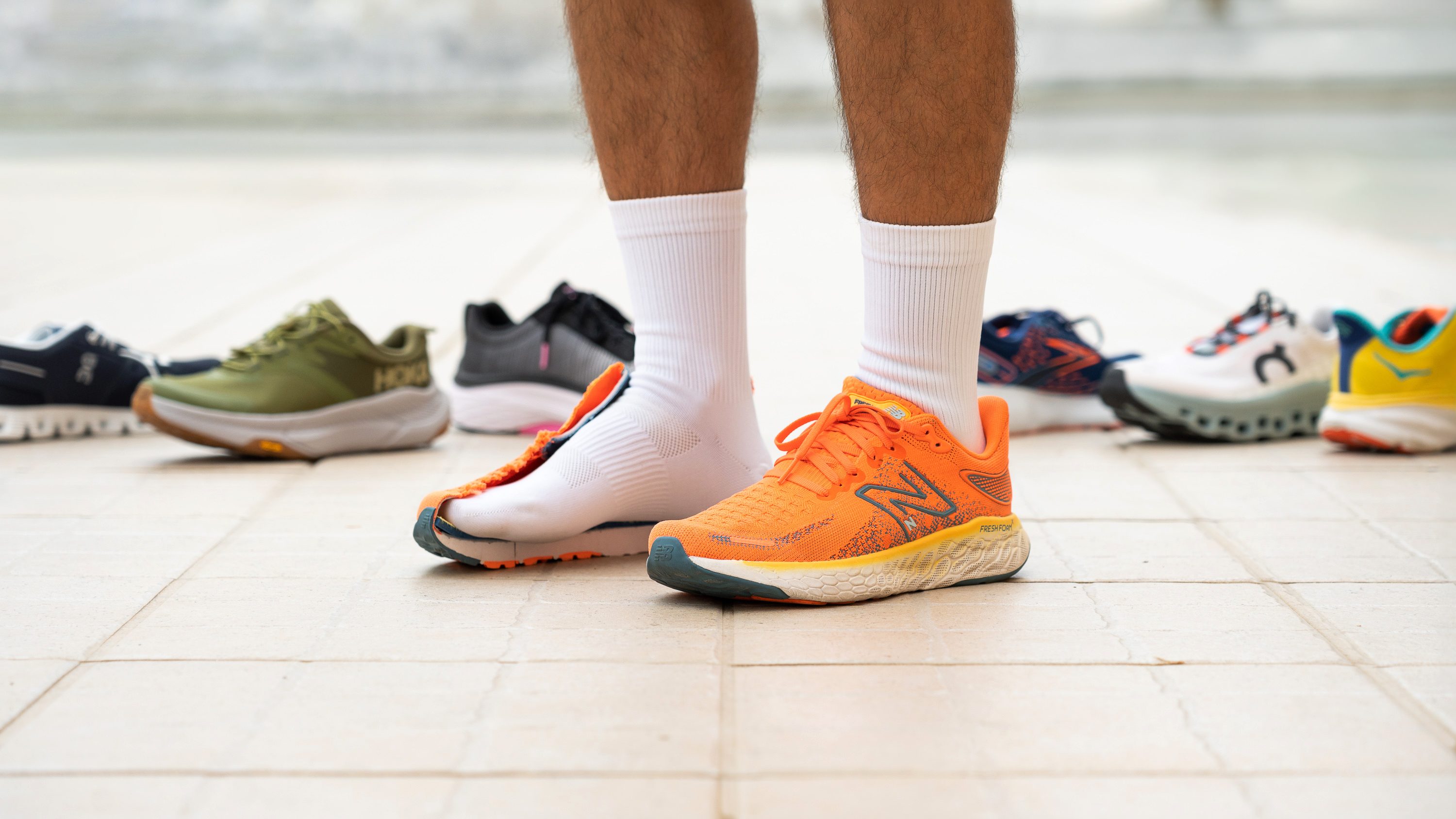
The upper of the shoe is where technology meets tactile experience. Modern uppers are feats of material engineering. Traditional leather offers durability and structure but can be heavy and less breathable. Technical meshes, like engineered knits or Jacquard meshes, provide targeted breathability, flexibility, and a near-sock-like fit. Brands often cite inspiration from automotive or aerospace industries, utilizing seamless thermo-welded overlays to reduce weight and eliminate stitching that can cause friction. The importance of a roomy toe box cannot be overstated. As noted by the American Podiatric Medical Association, constricting the toes can lead to a host of issues, from bunions to neuromas. A good walking shoe will allow your toes to splay naturally upon foot strike, providing a stable base. Furthermore, the flexibility of the forefoot is critical. The shoe should bend easily at the metatarsal heads (the ball of your foot), not in the middle of the arch. This facilitates a natural toe-off, propelling you forward efficiently. Water-resistant membranes like Gore-Tex add a functional layer for all-weather readiness, though they can slightly compromise breathability. The choice of materials directly impacts the shoe’s longevity, climate adaptability, and overall feel, making it a cornerstone of the comfort equation.
The Aesthetic Equation: Style That Doesn’t Stand Still
For decades, a chasm existed between “comfort shoes” and “stylish shoes.” That divide has decisively closed. The rise of athleisure and the normalization of performance wear in everyday settings have driven designers to inject serious style into functional footwear. The aesthetic of a modern walking shoe draws from diverse wells: the clean lines of minimalist sneakers, the bold color-blocking of 80s retros, and the futuristic silhouettes seen in tech-wear. Iconic models from brands like New Balance, particularly the 990 series, have achieved cult status precisely because they marry exceptional comfort with a timeless, dad-shoe aesthetic that has been embraced by fashion icons. As designer and creative director Telfar Clemens once remarked in an interview about everyday style, “Function is the ultimate fashion. What you wear every day to live your life is your real signature.” This philosophy is embodied in today’s best walking shoes. They come in muted neutrals for professional settings, vibrant hues for personal expression, and everything in between. Details like reflective accents, textured suede panels, and contrasting stitch lines add visual interest without compromising function. The goal is a shoe that looks as good with tailored trousers or a summer dress as it does with workout gear, seamlessly transitioning from a morning commute to an evening stroll.
The Psychology of Color and Form in Footwear
The visual impact of a shoe is governed by principles of color theory and form. Lighter colors can make a shoe appear bulkier but also more casual and summery. Darker tones lend a slimming, more formal, and grounded appearance. Brands strategically use color to highlight technological features—a brightly colored midsole might draw attention to a proprietary cushioning system. The shape, or “last,” of the shoe defines its overall silhouette. A rounded, voluminous last speaks to maximal comfort and a utilitarian heritage, while a tapered, streamlined last aligns with a sleek, contemporary athletic look. This isn’t merely superficial. Research in environmental psychology suggests that the objects we wear can influence our mood and confidence—a concept known as “enclothed cognition.” Choosing a walking shoe that you find genuinely attractive can enhance the simple act of walking, turning a functional necessity into a small daily pleasure. It’s the difference between wearing something and owning it, between having footwear and having a favorite pair of shoes that you look forward to lacing up.
Making the Informed Choice: A Buyer’s Framework
Armed with knowledge, the act of selection becomes intentional. Start by analyzing your gait. Many specialty running stores offer free gait analysis, which can reveal pronation patterns. While walking is less dynamic than running, the principles are similar. Next, consider your primary use-case. Are you logging miles on paved paths, navigating urban concrete, or enjoying light trail walks? Outsole rubber compounds vary: carbon rubber is durable for road wear, while softer, lugged rubber provides trail grip. Cushioning level is subjective. Do you prefer a grounded, “close-to-the-earth” feel or a plush, protected sensation? Try shoes on in the afternoon, as feet naturally swell throughout the day. Wear the socks you intend to pair them with. There should be about a thumbnail’s width of space between your longest toe and the end of the shoe. Don’t just stand—walk, jog if possible, on a hard surface. Pay attention to pressure points, heel slippage, and arch support. Remember, the most expensive model is not necessarily the best for you. It’s about the precise alignment of technology with your individual anatomy and lifestyle.

Investment and Value: Cost Per Mile
Viewing a quality walking shoe as an investment in your musculoskeletal health reframes the cost. A well-constructed shoe from a reputable brand, typically in the $120-$180 range, is engineered for 300-500 miles of use. Beyond that, the midsole foam compacts and loses its resiliency, even if the upper looks intact. Wearing worn-out shoes is a primary contributor to overuse injuries like shin splints or plantar fasciitis. Calculate your cost per mile: a $150 shoe worn for 400 miles costs 37.5 cents per mile. Compare that to the physical therapy bill for a preventable injury. To maximize value, consider previous seasons’ colorways, which are often discounted significantly. Official brand outlets, reputable online retailers during holiday sales, and even subscription services that offer member discounts are excellent avenues for finding premium technology at accessible prices. The goal is to procure footwear that offers professional-grade support and durability without necessitating a professional athlete’s budget, bringing high-level performance within everyday reach.
The First Step Forward
The journey to finding your perfect walking companion is both a science and a personal exploration. It requires listening to the evidence of biomechanics and material innovation, while also honoring your own aesthetic preferences and daily rhythms. The ideal shoe is out there, waiting to be discovered—a fusion of cushioning that respects your joints, support that guides your gait, and a design that resonates with your personal narrative. Let your next step be informed, intentional, and stylish. Your feet, your posture, and your spirit will thank you for the miles to come.