

The Ultimate Guide to Tennis Shoes for Walking
Let’s dismantle a pervasive myth right at the outset: the idea that any comfortable shoe is suitable for a dedicated walking routine. This misconception leads many to repurpose old running shoes, fashion sneakers, or even court-specific tennis shoes for their daily miles, often resulting in discomfort or injury. The truth is, the biomechanics of walking are distinct. Walking is a constant, heel-to-toe motion with one foot always grounded, generating different forces and requiring specific support compared to running or lateral sports. Therefore, the quest for the perfect walking companion leads us not to generic “sneakers,” but to a specialized category: tennis shoes for walking. This guide is not about court performance; it’s about how the intelligent design principles of modern athletic footwear, particularly from the tennis world, have been adapted to create the ultimate urban and trail walking shoe. We will navigate through the science of support, the art of cushioning, and the practicalities of fit to equip you with the knowledge to choose a shoe that doesn’t just cover distance but enhances every step of your journey.
The Biomechanical Foundation: Why Your Walk Demands Specialized Shoes
To understand why a dedicated tennis shoe for walking is essential, we must first appreciate the human gait cycle. According to biomechanics literature from institutions like Stanford University’s Human Performance Lab, the walking gait involves distinct phases: heel strike, foot flat, mid-stance, heel-off, and toe-off. Each phase places unique stresses on the foot and joints. A running shoe is engineered for a more dramatic heel-strike and a pronounced “toe-off” for propulsion, often featuring aggressive heel cushioning and a significant “heel-to-toe drop.” In contrast, a walking shoe must prioritize stability throughout the longer mid-stance phase, where your full body weight is balanced on one foot. This is where the DNA of a tennis shoe becomes invaluable. Tennis involves constant readiness, short bursts, and, crucially, stable foot plants during swings. Brands like ASICS and K-Swiss have spent decades researching lateral stability to prevent ankle rolls during side-to-side movements on court. This expertise translates directly into walking shoes that offer a broader base of support and reinforced midsoles to control the subtle but constant pronation (inward roll) or supination (outward roll) of your foot during that critical mid-stance phase. Wearing a shoe without this structured stability is akin to building a house on a shaky foundation; eventually, the strain will manifest in your knees, hips, or lower back.

Decoding the Anatomy: Cushioning, Stability, and the All-Important Fit
When evaluating a tennis shoe for walking, three pillars demand your attention: cushioning, stability systems, and fit. Let’s dissect each. Cushioning technology has evolved from simple foam to sophisticated, energy-returning compounds. For instance, Nike’s Zoom Air units, originally designed for responsive court feel, are now deployed in walking models to provide a cushioned yet springy sensation with each step. The goal isn’t maximum softness—which can lead to instability—but a balanced “ride” that absorbs shock without feeling mushy. As Dr. Casey Kerrigan, a renowned gait biomechanist, has stated in interviews, “Excessively soft shoes can actually increase joint loading as muscles work harder to stabilize.” This brings us to stability. Look for features like a medial post—a firmer density of foam on the inner side of the midsole—to gently correct overpronation. Many shoes derived from tennis lineages, such as certain New Balance models, incorporate TPU (Thermoplastic Polyurethane) shanks or bridges in the midfoot. This technology, a staple in court shoes for torsional rigidity, prevents excessive twisting of the shoe during your walk, protecting your plantar fascia. Finally, fit is non-negotiable. Your foot swells during walking, so a professional fitting in the afternoon is ideal. There should be a thumb’s width of space between your longest toe and the shoe’s end, and the heel must be locked in place without slippage. The upper material, often a breathable mesh in modern tennis shoes for walking, should accommodate without constricting.

From Court to Concrete: How Tennis Shoe Technology Informs Modern Walkers
The migration of technology from the tennis court to the sidewalk is a fascinating case study in athletic innovation. Consider the outsole. A traditional tennis shoe features a herringbone or modified tread pattern optimized for grip on hard courts, allowing for quick stops and starts. For walking, this translates into a durable, multi-directional rubber outsole that provides reliable traction on varied urban surfaces—wet pavement, tile, or gravel paths. Brands like Saucony and Brooks, while rooted in running, have adopted similar multi-lug outsoles for their walking lines to prevent slips. Another key adoption is the use of durable toe guards. In tennis, a reinforced toe cap protects during drag steps. In walking, this same reinforcement guards against scuffing when your foot naturally brushes the ground during the toe-off phase, significantly extending the shoe’s lifespan. Furthermore, the focus on lightweight durability seen in frames like the Adidas Barricade has pushed the use of engineered meshes and synthetic overlays that reduce weight without sacrificing support, making a long walk feel less burdensome. When you choose a well-designed tennis shoe for walking, you are not just buying foam and fabric; you are investing in decades of research aimed at protecting the body from repetitive impact, a principle that applies equally to a baseline rally and a five-mile urban hike.
Expert Voices and Enduring Principles: A Curated Perspective
It’s valuable to ground our discussion in perspectives beyond marketing copy. The American Podiatric Medical Association (APMA) grants its Seal of Acceptance to footwear that promotes good foot health, and several walking shoes with tennis-derived stability features have earned this recognition. On platforms like YouTube, certified pedorthists like “The Foot Doctor” often deconstruct shoe designs, highlighting how stability features common in court shoes benefit walkers with flat feet or mild pronation. From the world of literature, one might even draw a metaphorical parallel from Henry David Thoreau’s Walking: “I think that I cannot preserve my health and spirits, unless I spend four hours a day at least… sauntering through the woods.” The modern equivalent of preparing for such a saunter is selecting equipment that respects the body’s mechanics. As renowned shoe designer Tinker Hatfield once stated in an interview about cross-discipline inspiration, “The principles of support, flexibility, and response are universal. Solving a problem for an athlete on court often reveals a solution for someone on their feet all day.” This interdisciplinary thinking is precisely what makes today’s best walking shoes so effective.
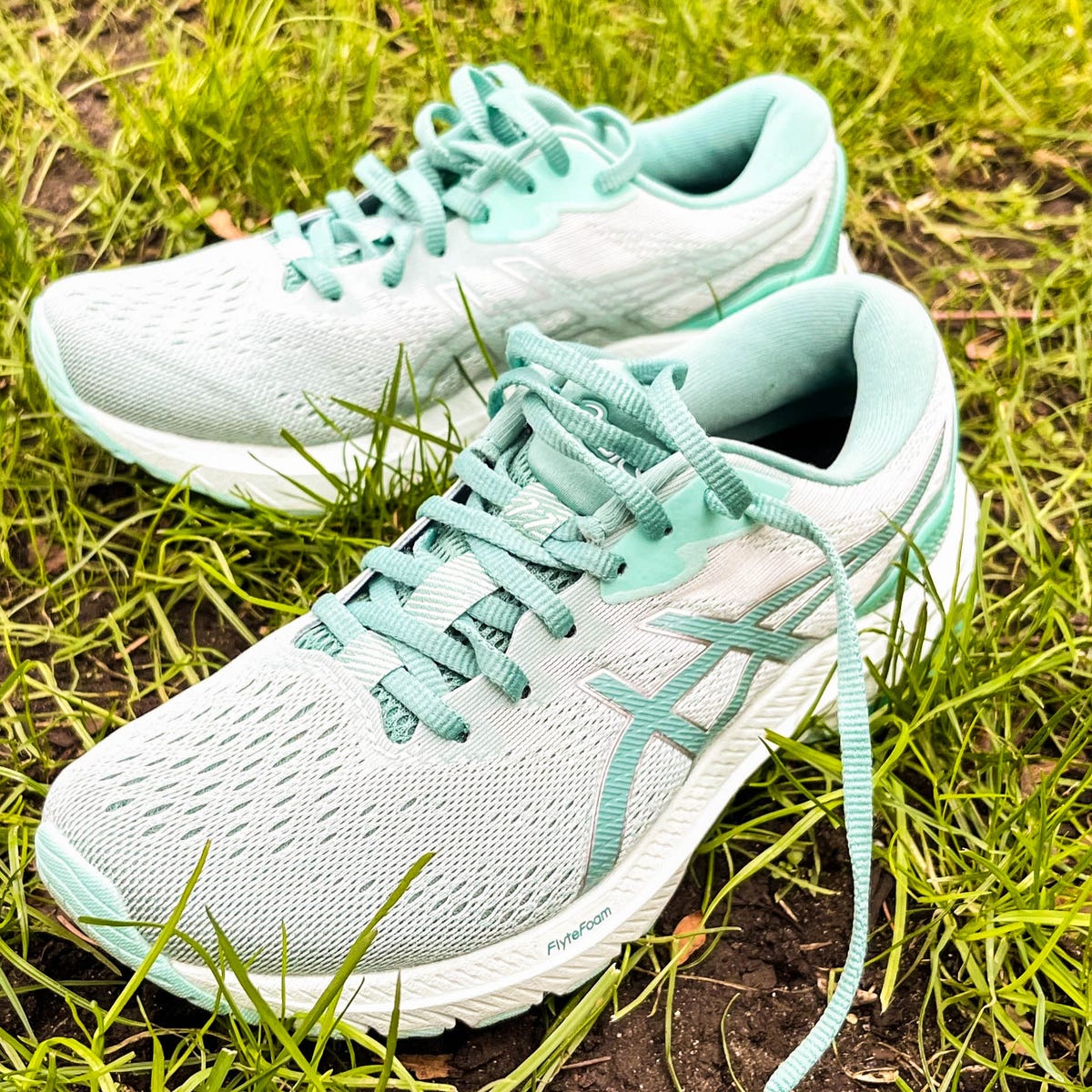
Making an Informed Choice: Aligning Technology with Your Personal Terrain
With the foundational knowledge in place, your final selection hinges on personal need and environment. Are you primarily a pavement walker? Prioritize shoes with ample heel and forefoot cushioning, like those featuring HOKA’s meta-rocker geometry, which promotes a smooth heel-to-toe transition. For mixed-terrain or trail walking, seek out models with a more aggressive lug pattern and a protective rock plate—a thin, rigid layer in the midsole that shields your foot from sharp stones, a feature evolved from rugged trail running and approach shoes. Don’t neglect weight; a lighter shoe reduces leg fatigue over long distances. Crucially, this is where value intersects with expertise. While premium models from ASICS (Gel-Tech series), New Balance (Fresh Foam Walker), or Skechers (with their memory foam-infused lines) may retail between $120-$160, significant discounts can often be found on prior-season models or during major sales events. Investing in a properly fitted, technology-appropriate pair of tennis shoes for walking is ultimately more economical than dealing with the physical therapy costs of an injury caused by inadequate footwear. Remember, the best shoe is the one that disappears on your foot, allowing you to focus on the rhythm of your walk and the world around you.

The journey through the world of walking shoes culminates in a simple, powerful realization: your footwear is the most critical piece of gear in your walking regimen. It is the interface between your body and the ground, a translator of impact, and a guardian of your biomechanical health. By choosing a shoe built with the intelligent stability, durable construction, and responsive cushioning pioneered in tennis and refined for forward motion, you are doing more than purchasing a product—you are enabling a healthier, more sustainable, and more enjoyable practice. Forget the old sneakers languishing in your closet. Step into a pair engineered for the purpose, and feel the difference with every stride you take. The path forward is clear, and it begins with the right foundation underfoot.
