

The Walking Shoe: Your Ultimate Guide to Comfort and Style
Forget the notion that practicality and aesthetics are mutually exclusive. The modern walking shoe stands as a testament to human ingenuity, merging biomechanical science with contemporary design to create footwear that doesn’t just take you from point A to B, but elevates the entire journey. This isn’t about specialized athletic gear reserved for marathoners; this is about the shoe you slip on for your daily commute, your weekend explorations, your museum wanderings, and your errand-running marathons. It’s the foundational piece of your everyday mobility, and choosing the right one is an investment in your long-term comfort, joint health, and personal style. We’re moving beyond mere “understanding” of features; we’re delving into the why and how, equipping you with the knowledge to make an empowered choice that feels as good as it looks.
The Anatomy of Comfort: More Than Just a Soft Insole
Comfort in a walking shoe is a complex symphony, not a single note. It begins with the midsole, the heart of the shoe, typically crafted from materials like EVA (ethylene-vinyl acetate) or polyurethane. According to biomechanics literature from institutions like the University of Calgary’s Human Performance Laboratory, the midsole’s primary function is shock attenuation—dissipating the ground reaction forces that travel up your skeleton with each step. A shoe that’s too soft may feel cozy initially but can lack the necessary stability and energy return, causing your foot muscles to work overtime. Conversely, a too-firm midsole fails to cushion adequately. The key is a balanced, resilient compound. Then comes the last, the shoe’s underlying form. A straight-lasted shoe generally offers more stability for those with flatter feet or who overpronate (where the foot rolls inward excessively), while a curved last suits higher arches. The upper’s construction is equally critical; it should be made of breathable, flexible materials like engineered mesh that conform to your foot’s shape without pressure points, employing a seamless or minimally sewn design to prevent blisters. True comfort is the absence of discomfort over miles and hours, a feat achieved only through this precise architectural harmony.
Footwear Biomechanics: The Science of Your Stride
Walking is a controlled fall, a repeated cycle of heel-strike, midstance, and toe-off. Each phase places unique demands on your footwear. During heel strike, the shoe needs effective rearfoot cushioning. As you roll forward to midstance, the arch and midfoot require support to maintain proper alignment. Finally, at toe-off, flexibility in the forefoot is paramount for a natural, propulsive gait. Renowned podiatrist Dr. Ray McClanahan, in his discussions on natural foot health, often emphasizes the importance of a wide toe box—a feature frequently overlooked in conventional shoe design. A cramped toe box can lead to issues like bunions and hammertoes over time. Furthermore, the heel-to-toe drop (or offset) is a crucial specification. A traditional running shoe might have a 10-12mm drop, but for walking, a lower drop (0-6mm) can encourage a more midfoot strike and a natural posture, as suggested by research into minimalist footwear trends. A walking shoe engineered with these biomechanical principles doesn’t just protect; it actively promotes a healthier, more efficient walking pattern by working in concert with your body’s natural mechanics.
Style Reimagined: Where Form Meets Function
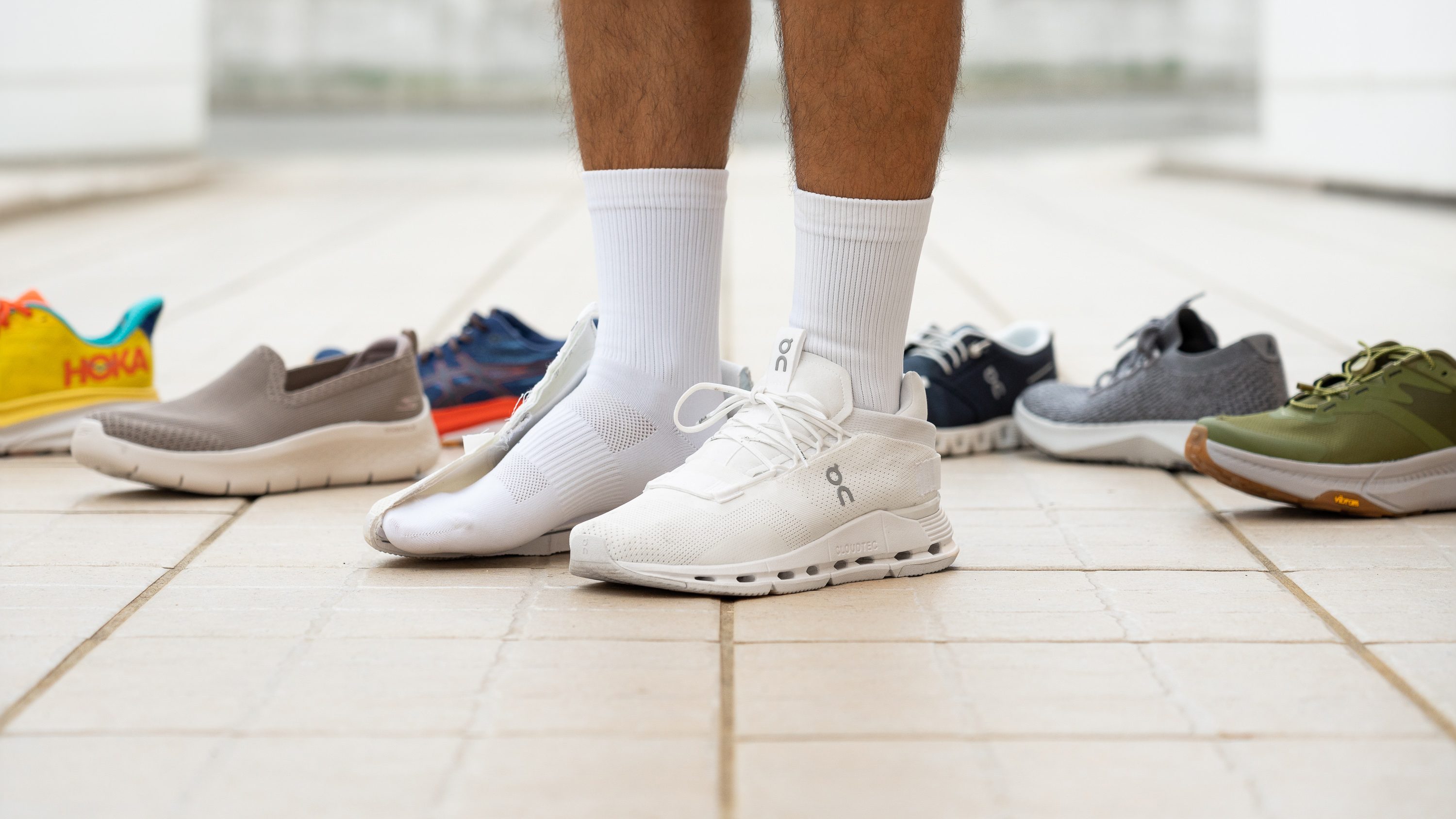
The days of bulky, purely utilitarian walking shoes are over. Today’s market is flooded with options that draw inspiration from retro runners, sleek modern trainers, and even casual sneakers. Brands like Allbirds, Cole Haan, and certain lines from New Balance and ECCO have masterfully blurred the lines. The aesthetic appeal lies in clean lines, thoughtful color blocking, and materials that look at home in a café as they do on a park path. Consider the cultural impact of the “dad shoe” trend, exemplified by models like the Balenciaga Triple S or the Nike Air Monarch. While often exaggerated, this trend underscores a societal shift towards valuing chunky, technical-looking soles as a style statement. As fashion critic Vanessa Friedman noted in The New York Times, “The sneaker has become the universal signifier of contemporary life.” Your walking shoe is now part of your personal narrative. The choice between a monochromatic knit upper and a two-tone suede and mesh design isn’t just about color preference; it’s about whether your shoe whispers sophistication or declares adventurous intent. This fusion means you no longer need to pack an extra pair of shoes—your walking shoes are your style shoes.
Material Innovation: From Knit Uppers to Sustainable Soles
The revolution in style is directly tied to advancements in material science. Engineered knit uppers, pioneered by brands like Adidas with Primeknit, provide a dynamic, sock-like fit that moves with your foot, eliminating the need for multiple material panels and reducing waste. These knits are also highly breathable, a key factor in all-day comfort. On the sustainability front, the industry is rapidly evolving. Allbirds popularized the use of merino wool and eucalyptus tree fiber (Tencel™), while others are incorporating recycled plastics from oceans into polyester yarns. Even the outsoles are seeing change, with companies like Vivobarefoot using natural rubber and algae-based foam. As environmental activist and adventurer Bea Johnson, author of Zero Waste Home, advocates, our purchasing choices have power. Opting for a shoe made with recycled content is a step towards a smaller ecological footprint. This material innovation isn’t a marketing gimmick; it’s a response to consumer demand for products that are ethically responsible without compromising on performance or aesthetics. The modern walking shoe is thus a symbol of conscious consumption, built with materials that are as smart as they are stylish.
The Critical Choice: How to Select Your Perfect Pair
Selecting the right walking shoe is a personal journey that requires more than just knowing your size. Start by analyzing your wear patterns. Look at the soles of an old pair of shoes you walk in frequently. Excessive wear on the inside edge (medial side) suggests overpronation, indicating a need for more stability or motion control features. Wear on the outside (lateral side) may suggest underpronation (supination), calling for neutral shoes with ample cushioning. Next, consider the “thumb’s width” rule for length: there should be about a thumb’s width of space between your longest toe (which isn’t always the big toe) and the end of the shoe when you’re standing. Always try on shoes in the afternoon or evening, as feet naturally swell throughout the day. Don’t just stand—walk around the store, on hard surfaces if possible. Pay attention to any immediate pressure points; a good walking shoe should feel great from the first step, not require a “break-in” period that risks blisters. Remember, the most expensive or highly-rated shoe isn’t necessarily the best for you. It’s the one that disappears on your foot, becoming a seamless extension of your body in motion.
:max_bytes(150000):strip_icc()/when-should-i-replace-my-walking-shoes-3436325-0801-7a1840d83573471092e0380f9e230ecc.jpg)
Investment and Longevity: When to Retire Your Trusty Companions
A high-quality walking shoe is an investment in your well-being, but even the best-engineered shoes have a finite lifespan. The cushioning materials in the midsole compress and lose their resiliency long before the outsole wears through. The general consensus among podiatrists and fitness experts, including those cited on platforms like Verywell Fit, is to replace walking shoes every 300 to 500 miles. For a daily walker covering 3-5 miles, this translates to roughly every 3-6 months. Track your mileage with a simple app or calendar note. Beyond mileage, perform regular inspections. Place your shoes on a flat table and look at them from behind. If they tilt inward or outward (a sign of broken-down stability), it’s time for a new pair. Compress the midsole with your thumb; if it feels hard and unyielding with no spring-back, the cushioning is dead. Wearing shoes past their prime is a false economy; it can lead to a cascade of issues from plantar fasciitis and shin splints to knee and back pain. The cost of physical therapy far exceeds the price of a new pair. Think of replacement not as an expense, but as proactive healthcare.
Professional Insight and Smart Shopping
Arming yourself with knowledge is the first step; applying it wisely is the next. Don’t hesitate to visit a specialty running or walking store where staff are trained in gait analysis. Their observations can be invaluable. Once you know the model that works for you, you can shop strategically. Follow brands and retailers on social media, sign up for newsletters to get alerts on sales, and check outlet sections online. End-of-season sales are a perfect time to buy, as new colorways push previous models to discounted prices. Websites like RunRepeat and expert YouTube channels like “Doctor of Style” or “The WearTesters” offer in-depth, long-term durability reviews that go beyond marketing claims. As consumer advocate and author Clark Howard often says, “A deal isn’t a deal if it’s not something you need.” So, find the shoe that fits your foot and your life perfectly first, then seek out the discount. The goal is to marry professional-grade suitability with consumer-savvy value, ensuring every step you take is supported, stylish, and smartly acquired.

The journey to finding your ideal walking shoe is a fusion of self-knowledge and technological appreciation. It’s about recognizing that your feet are your base, your foundation for engaging with the world. By prioritizing the biomechanical support they need and refusing to compromise on the aesthetic expression you desire, you claim both comfort and style as non-negotiable elements of daily life. The right pair awaits—engineered for the rhythm of your stride, designed for the story you want to tell, and ready to carry you forward, step after confident step.
