

The Versatile Fall Staple for Effortless Elegance
As the air turns crisp and leaves begin their fiery transformation, our wardrobes instinctively seek pieces that bridge the gap between summer’s lightness and winter’s weight. We crave items that offer not just warmth, but a sense of composed style—a quiet confidence that feels both intentional and easy. In this seasonal shift, one element consistently rises above fleeting trends to assert itself as the cornerstone of autumnal sophistication: the chocolate brown heels. This is not merely about footwear; it is about adopting a foundational tool for crafting an aesthetic that is both grounded and polished. The rich, earthy tone acts as a visual anchor, harmonizing with the season’s palette while providing a versatile platform for endless sartorial expression. From the structured silhouette of a pump to the relaxed ease of a block heel, chocolate brown heels possess an inherent ability to elevate the everyday, transforming simple outfits into statements of considered elegance without a whisper of effort.
The Chromatic Psychology of Earth Tones in Fashion
The dominance of brown, particularly in its deeper, richer chocolate iterations, during autumn is a phenomenon rooted in more than mere mimicry of the environment. Chromatic psychology, a field explored by institutions like the Pantone Color Institute, suggests that colors profoundly influence perception and emotion. Brown, as defined by color theorists, evokes feelings of stability, reliability, and warmth. It is associated with the earth, conveying a sense of wholesomeness and organic simplicity. When applied to fashion, especially footwear, this psychological grounding translates into an aesthetic of trustworthiness and approachable luxury. Unlike the stark authority of black or the vibrant demand of a primary color, chocolate brown communicates a nuanced authority. It is confident but not aggressive, elegant but not austere. This makes chocolate brown heels uniquely positioned within a wardrobe. They can negotiate professional environments with assured poise, yet seamlessly transition to social settings, carrying with them an air of understated, intelligent style. The shade’s complexity—hinting at notes of burgundy, grey, or even olive depending on the light and material—allows it to interact dynamically with other colors, creating depth and interest in a way monochromatic blacks often cannot.
Architectural Foundations: Silhouette, Balance, and Proportion
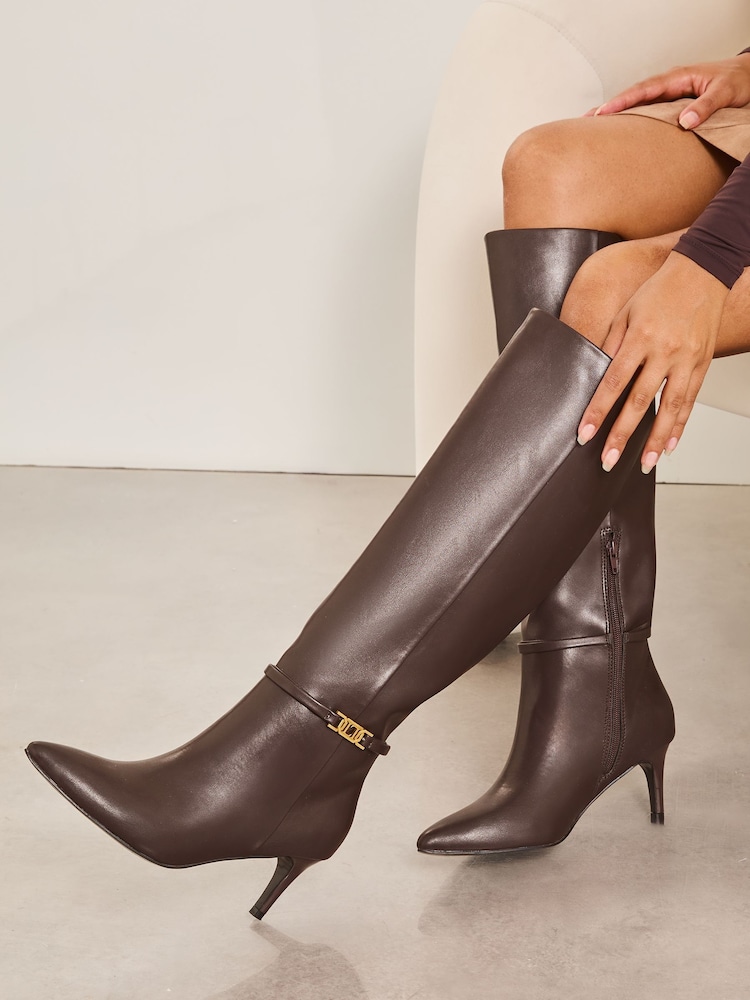
Moving beyond color, the true power of a heel lies in its architecture. The design principles governing a well-crafted shoe are not unlike those in structural engineering, focusing on balance, proportion, and load distribution. A study from the Journal of Foot and Ankle Research often highlights the biomechanics of heel height and base area, but from a purely aesthetic standpoint, the silhouette of a heel dictates the entire language of an outfit. A sleek stiletto in chocolate brown elongates the leg line, creating a silhouette of sharp, modern femininity. Its narrow base demands and conveys precision. Conversely, a chunky block heel or a sturdy wedge provides a different kind of statement—one of grounded power and relaxed stability. The broader base offers not just physical comfort but a visual weight that balances voluminous garments like wide-leg trousers or midi skirts. Here, the chocolate brown heels act as a crucial counterpoint. Their earthy color prevents a heavy silhouette from appearing cumbersome, instead lending an organic, sculptural quality. As renowned designer Christian Louboutin once reflected on his craft, “A shoe is not only a design, but it’s a part of the body’s language, a way to communicate. The heel’s shape, its pitch, changes the posture, the gesture, the attitude.” This encapsulates the transformative role of the heel’s architecture. Choosing a chocolate brown hue for these architectural forms softens their potential severity, making the statement one of accessible artistry rather than intimidating haute couture.
Material Narratives: Suede, Leather, and Satin
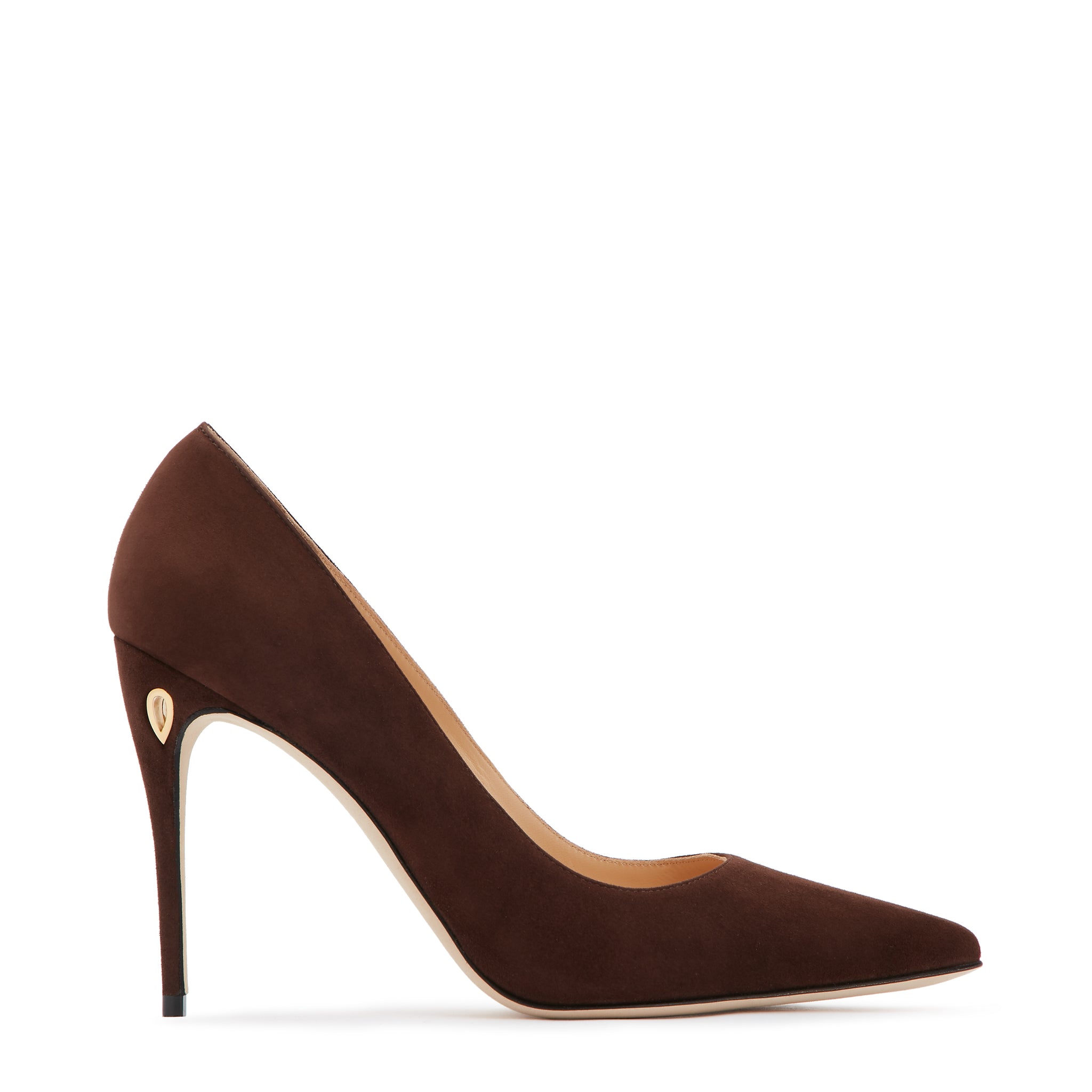
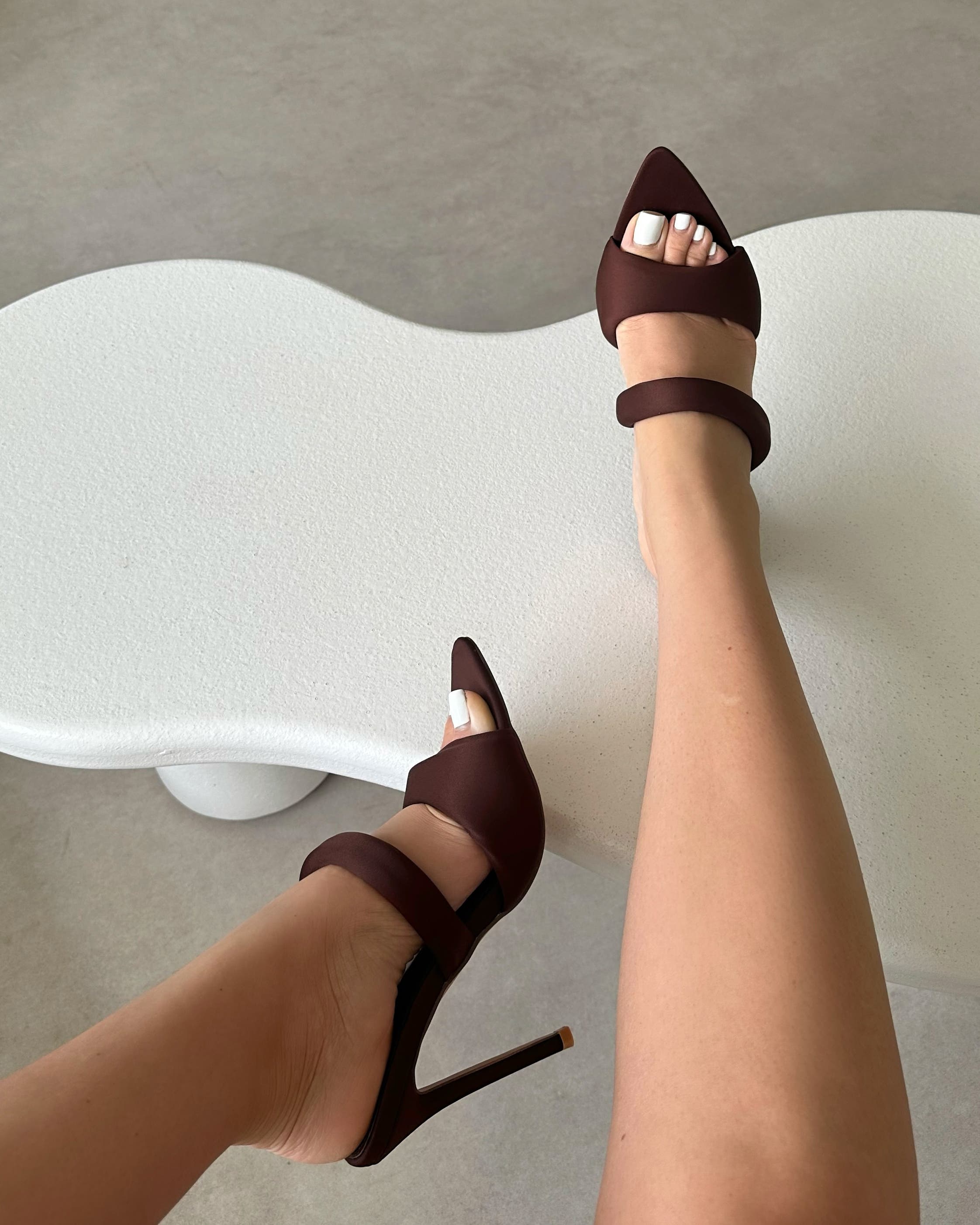
The narrative of a shoe is deeply woven into its material. Each texture tells a different story, and when dyed a rich chocolate brown, these stories gain a new chapter of autumnal relevance. Suede, with its nap and depth, is perhaps the quintessential fall material. It absorbs and plays with light in a soft, muted way, perfectly capturing the gentle, diffused sunlight of the season. A pair of chocolate brown heels in suede feels inherently tactile and luxurious, inviting touch and conveying a sense of rustic sophistication. Leather, whether polished or matte, offers a more defined and resilient character. Polished chocolate brown leather heels reflect light sharply, adding a dose of urban polish and formality, ideal for tailoring. Matte leather provides a clean, modern canvas that emphasizes form and line. Then there are materials like satin or velvet, which, though less everyday, introduce a dimension of decadent texture for evening wear. A chocolate brown satin heel carries a vintage-inspired glamour, less stark than black satin and more mysterious than nude. The choice of material directly influences the shoe’s interaction with other fabrics in an outfit—suede pairing wonderfully with wool and cashmere, leather with crisp cotton or silk, satin with flowing chiffon or sleek satin itself. This material dialogue is central to building a cohesive and sophisticated autumn look.
The Algorithm of Versatility: Styling Coordinates for the Modern Wardrobe
Versatility is often cited as a virtue, but with chocolate brown heels, it becomes a precise algorithm. Their utility spans a spectrum that few other shoe colors can manage. Consider the monochromatic ensemble: pairing them with head-to-toe shades of cream, camel, taupe, or even deeper browns creates a tonal look that is the epitome of minimalist, high-fashion elegance. This approach, frequently showcased in the editorials of Vogue or Harper’s Bazaar, relies on texture play to maintain interest. Next, the classic contrast: chocolate brown with denim. Here, the heels instantly elevate a simple jeans-and-blouse combination, injecting a dose of refined polish that white sneakers or black boots might not achieve in the same way. For a bold, modern statement, juxtapose them with unexpected hues like deep olive green, burgundy, or even cobalt blue. The earthy brown grounds these colors, preventing clashes and creating a harmonious, yet striking, palette. In professional settings, they partner flawlessly with grey, navy, and black tailoring, offering a warmer, less severe alternative to traditional black pumps. As fashion commentator and author Alison Freer notes in her work on wardrobe building, “The most powerful items in your closet are those that serve multiple masters. A shoe that can walk from a boardroom to a dinner date, while making denim look deliberate and a dress look grounded, is not an accessory—it’s a cornerstone.” This multi-context functionality is where the effortless elegance truly manifests; it is the reduction of morning dressing dilemmas, replaced by the reliable knowledge that this one element will cohere and elevate.
Beyond Aesthetics: The Convergence of Professional Insight and Accessible Investment
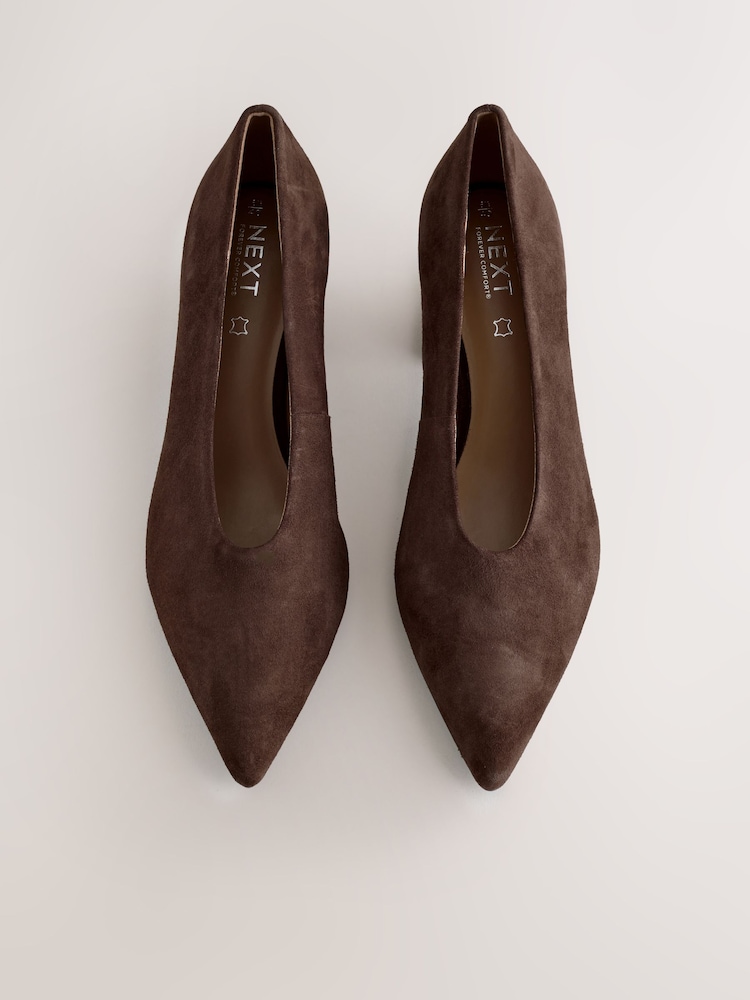
While the stylistic arguments are compelling, the true test of a wardrobe staple lies in its intersection of quality, value, and informed design. Investing in a pair of well-constructed chocolate brown heels is an exercise in long-term wardrobe economics. Professional knowledge dictates examining the shoe’s construction: a stacked leather heel, a leather-lined insole, a secure and comfortable toe box, and a flexible yet supportive sole. These features, often highlighted by bespoke shoemakers and orthopedic footwear specialists, ensure longevity and comfort, transforming the shoes from a seasonal purchase into a perennial asset. The discounted prices available during seasonal sales or through reputable retailers make this informed investment even more accessible. This democratization of quality means that the elegance offered is not exclusive but available. It aligns with the growing consumer desire for “quiet luxury” and conscious consumption—buying fewer, better things. The chocolate brown color, being inherently classic, defies the rapid obsolescence of trend-driven colors, ensuring the shoes remain relevant season after season. Thus, the purchase becomes strategic, a merger of aesthetic desire and practical wisdom, bringing professional-grade knowledge of what makes a shoe last into the realm of the attainable.
In the final analysis, the pursuit of effortless elegance is a pursuit of harmony—between color and form, between trend and timelessness, between aspiration and reality. The chocolate brown heels stand as a testament to this balance. They are not a loud proclamation but a steady, reliable voice in the composition of an autumn wardrobe. They possess the scientific grounding of color theory, the architectural intention of design, the tactile story of material, and the intelligent utility of versatility. They bridge the gap between the professional insight of quality construction and the reality of accessible investment. To incorporate them is to choose a path of simplified sophistication, where elegance is not a laborious construction but an effortless, grounded reality, ready to meet the crisp autumn air with unwavering style.
